
 Save to Pinterest
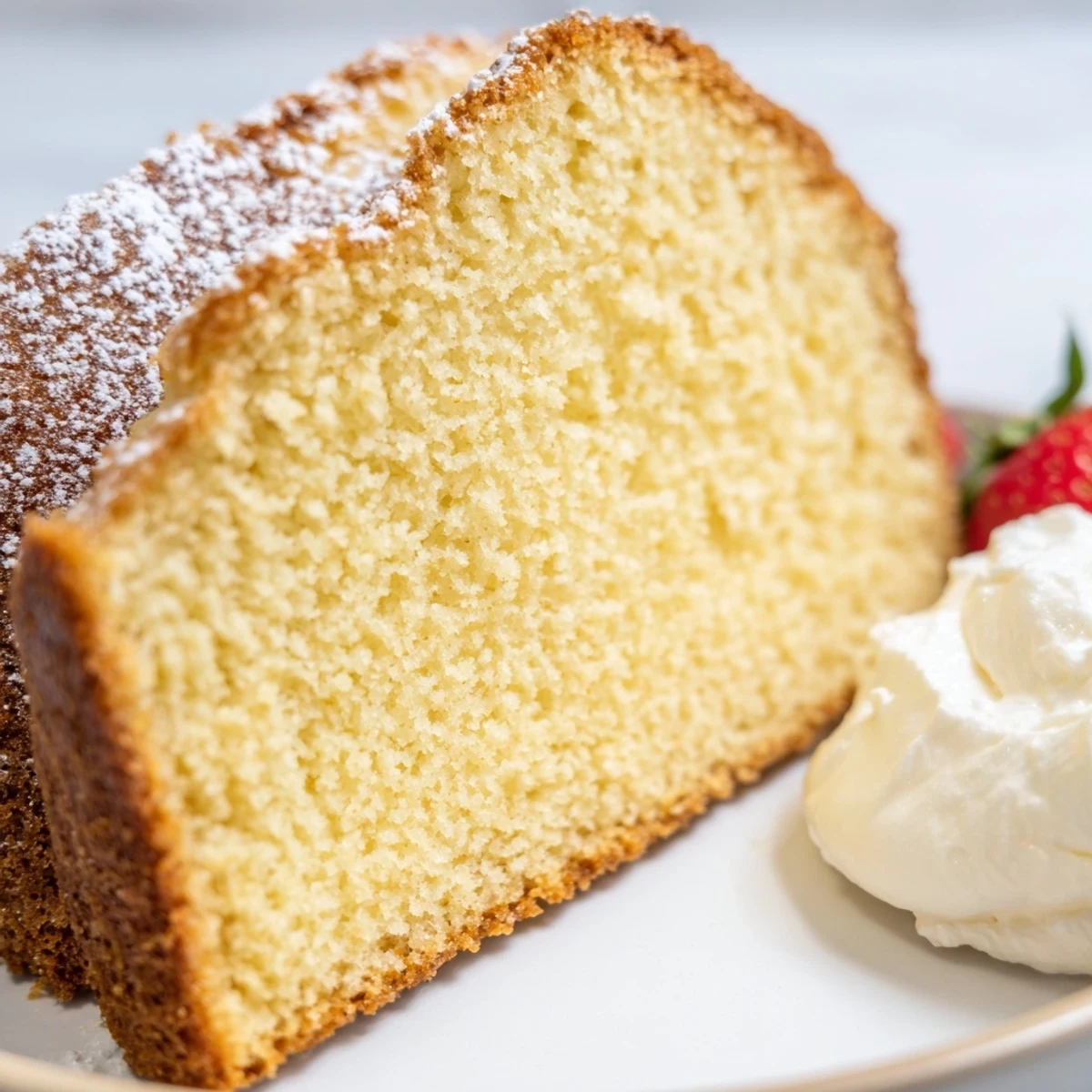
 This classic American pound cake delivers a rich, buttery flavor with an incredibly tender crumb. Made with simple pantry staples — flour, butter, sugar, eggs, milk, and vanilla — it comes together in about 20 minutes of prep time.
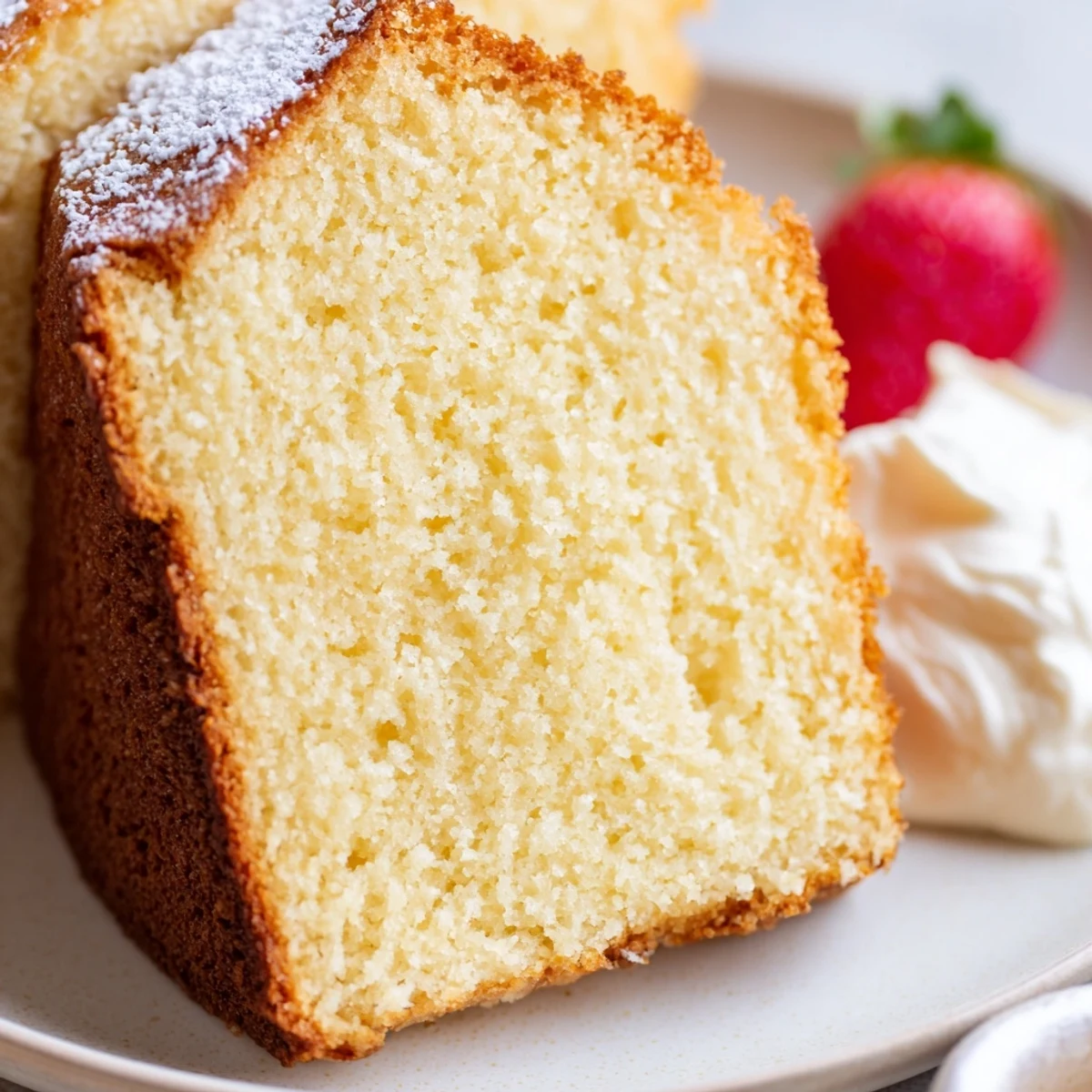
The secret lies in properly creaming the butter and sugar until light and fluffy, then alternating dry ingredients with milk for a smooth, even batter. Baked in a standard loaf pan at 350°F, it develops a beautiful golden crust while staying moist inside.
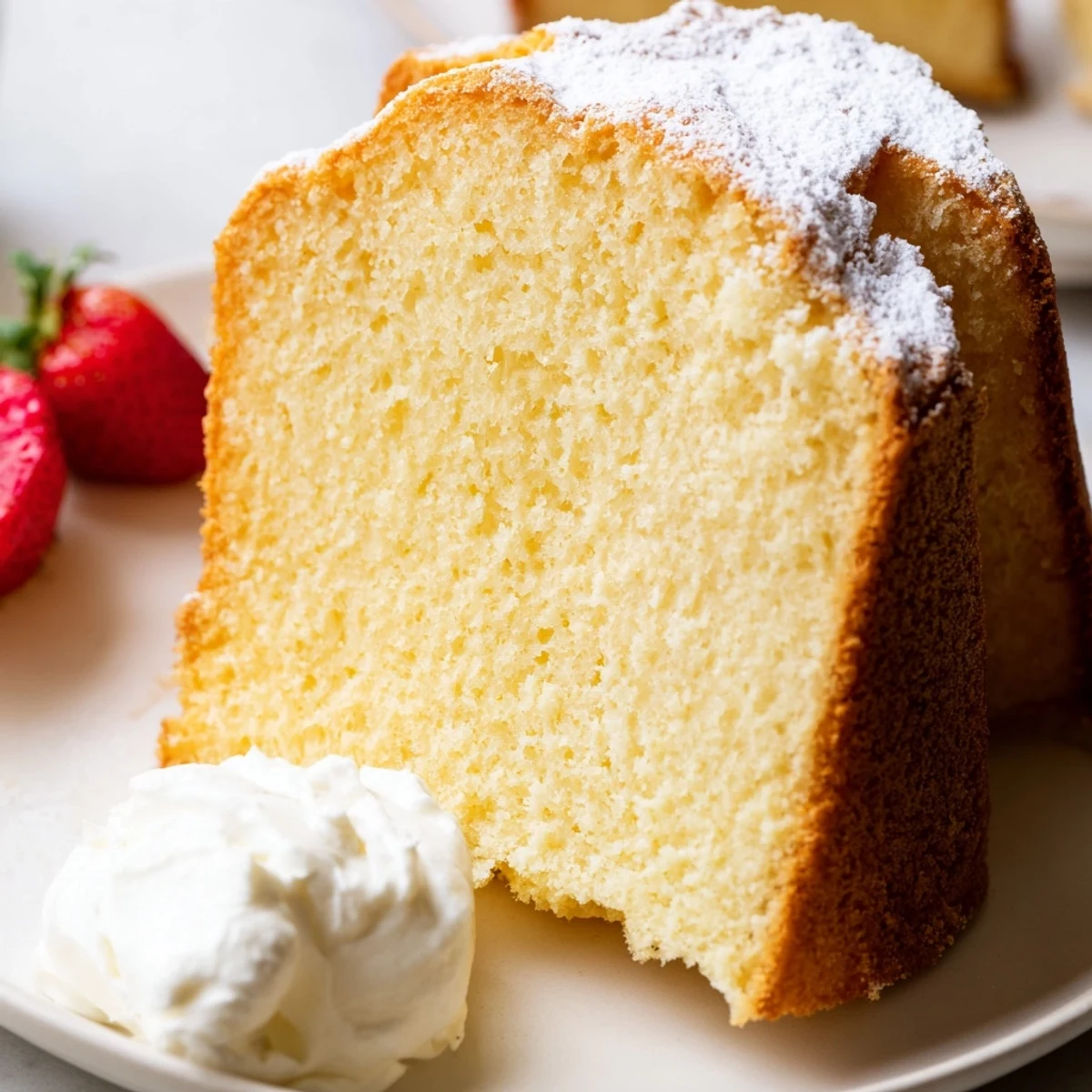
Serve it plain with afternoon tea, topped with fresh berries and whipped cream, or add citrus zest for a bright twist. It stores well at room temperature for up to three days.
The smell of butter browning in a loaf pan is the kind of thing that makes you stop whatever you are doing and just breathe. My grandmother never measured anything for her pound cake, she just knew by feel, and somehow every slice came out golden and perfect. I spent years trying to recreate that result before I finally wrote down the proportions that get dangerously close to hers.
One rainy Saturday I decided to test this recipe three times in a single afternoon because the first two loaves collapsed in the center. Turns out my oven was running cool by 25 degrees, a discovery that saved me from many future baking disasters and finally produced the proud, domed loaf I was chasing.
Ingredients
- All purpose flour (2 cups): Spoon and level rather than scooping directly with the measuring cup to avoid a dense, heavy cake.
- Baking powder (1/2 teaspoon): Just enough lift to keep the crumb tender without turning it into something cakey and light.
- Salt (1/4 teaspoon): A small amount that sharpens the butter and vanilla so neither fades into the background.
- Unsalted butter, softened (1 cup): The soul of this recipe, so use a brand you would happily eat on a piece of plain toast.
- Granulated sugar (1 2/3 cups): Creaming it thoroughly with the butter is what builds the structure, so do not rush this step.
- Large eggs, room temperature (4): Cold eggs can cause the batter to curdle, so set them out at least 30 minutes before you begin.
- Pure vanilla extract (2 teaspoons): A generous pour rewards you with a warm, fragrant backbone that makes every bite memorable.
- Whole milk, room temperature (1/2 cup): The fat in whole milk adds richness that skim or low fat simply cannot replicate here.
Instructions
- Prepare the oven and pan:
- Heat your oven to 350 degrees and grease a 9 by 5 inch loaf pan generously, then dust it with flour or line it with parchment for an easy release.
- Mix the dry ingredients:
- Whisk the flour, baking powder, and salt together in a medium bowl until evenly blended, then set it aside.
- Cream the butter and sugar:
- Beat the softened butter and sugar with an electric mixer on medium speed for a full 3 to 4 minutes until the mixture looks pale, fluffy, and almost cloudlike.
- Add the eggs and vanilla:
- Drop in one egg at a time, beating well after each addition so the batter stays smooth, then stir in the vanilla until it disappears into the mixture.
- Combine wet and dry:
- With the mixer on low, add the flour mixture in three parts, alternating with the milk, starting and ending with the flour and mixing only until everything is just combined.
- Pour and smooth:
- Scrape the batter into your prepared pan and use a spatula to smooth the top, nudging it into the corners so it bakes evenly.
- Bake until golden:
- Bake for 55 to 65 minutes, checking at the 55 minute mark with a toothpick inserted into the center that should come out clean and dry.
- Cool before slicing:
- Let the cake rest in the pan for 10 minutes, then turn it out onto a wire rack and wait until it is completely cool before you cut into it.
 Save to Pinterest
 I once brought a loaf of this to a neighbor who had just come home from the hospital, and she told me later that she ate the entire thing over two days, one thin slice at a time, sitting by her window.
When Things Go Wrong
If your cake domes dramatically and cracks down the middle, your oven may be running hot, so invest in an inexpensive oven thermometer and trust it over the dial. A sunken center usually means the cake was underbaked or the oven door was opened too early, so practice patience and keep that door shut until the final minutes.
Ways to Make It Your Own
A tablespoon of lemon or orange zest folded in at the end transforms the flavor without changing the texture. You can also brush the warm loaf with a simple citrus glaze or dust it with powdered sugar for a finished look that takes almost no effort.
Storing and Serving
Wrap leftover cake tightly and keep it at room temperature for up to three days, though it rarely lasts that long in my kitchen.
- A thick slice toasted in a skillet with butter makes an extraordinary breakfast.
- Serve it beneath a pile of fresh berries and softly whipped cream for a dessert that feels fancier than it is.
- Always let the cake cool completely before wrapping or the trapped moisture will make the crust soggy.
 Save to Pinterest
 This is the kind of unassuming cake that quietly becomes the thing everyone asks you to bring, again and again, to every gathering.
Your Recipe Questions Answered
- → Why is my pound cake dense or heavy?
-
A dense pound cake usually results from overmixing the batter after adding the flour, or from using cold ingredients. Ensure butter, eggs, and milk are at room temperature before starting. Mix until just combined when adding the dry ingredients to keep the crumb tender and light.
- → Can I use salted butter instead of unsalted?
-
Yes, you can substitute salted butter, but reduce or omit the added salt in the dry ingredients. Keep in mind that salt content varies between brands, so using unsalted butter gives you more consistent control over the final flavor.
- → How do I know when the pound cake is fully baked?
-
Insert a toothpick or wooden skewer into the center of the cake. It should come out clean or with just a few moist crumbs. The top should be golden brown and the edges slightly pulled away from the pan. Baking typically takes 55 to 65 minutes at 350°F.
- → Can I add flavors or mix-ins to this pound cake?
-
Absolutely. Add one tablespoon of lemon or orange zest for a citrus version. You can also fold in half a cup of chocolate chips, chopped nuts, or swirl in fruit jam before baking. Keep add-ins light to maintain the cake's signature texture.
- → How should I store leftover pound cake?
-
Wrap the cooled cake tightly in plastic wrap or store it in an airtight container at room temperature for up to three days. For longer storage, freeze individual slices wrapped in plastic and foil for up to three months. Thaw at room temperature before serving.
- → Can I bake this in a different pan size?
-
This batter works well in a 9x5-inch loaf pan, but you can also use a tube pan or a bundt pan. Adjust the baking time accordingly — a wider pan may need less time, while a deeper pan may require more. Always check doneness with a toothpick test.