
 Save to Pinterest
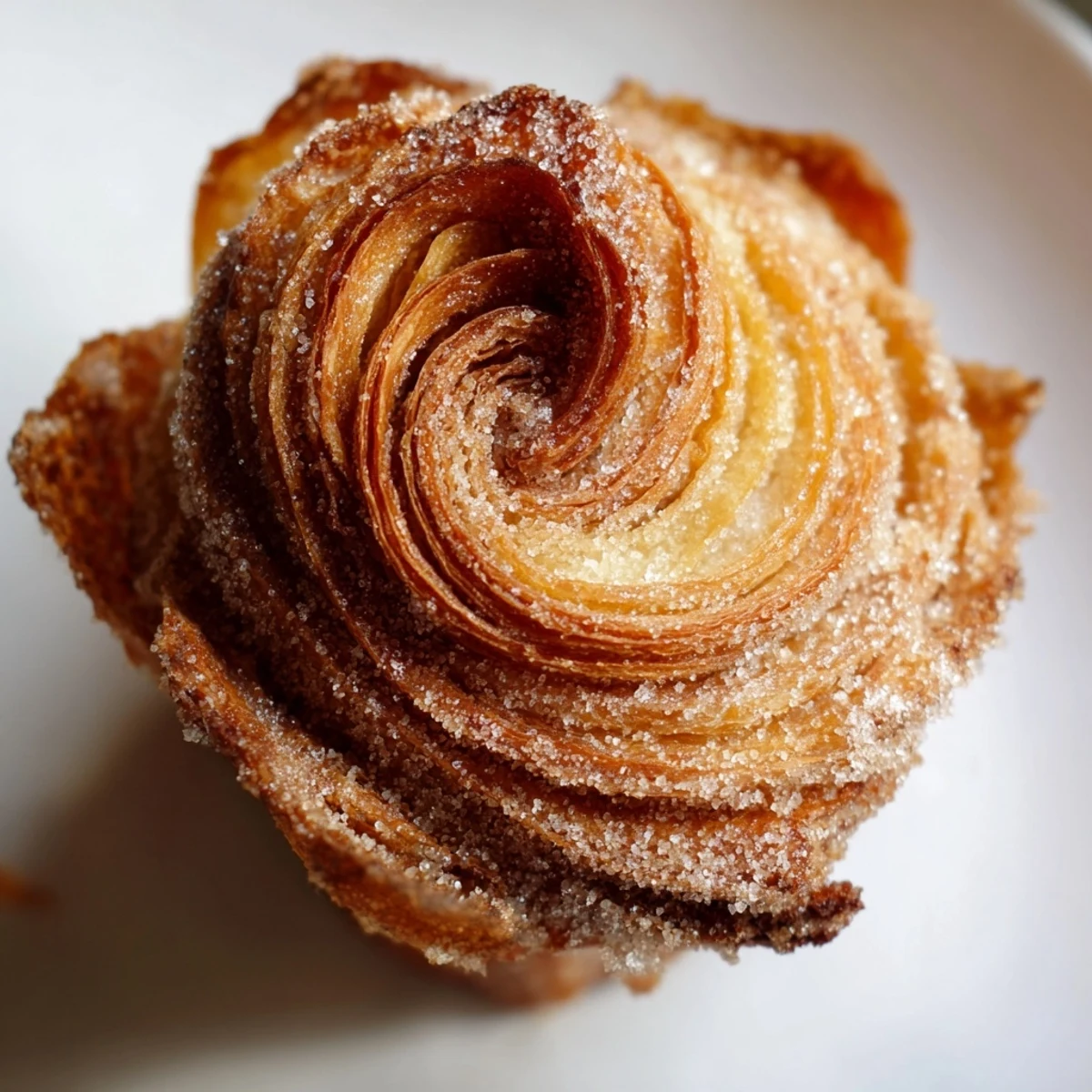
 Cruffins bring together the flaky, layered richness of croissants with the charming shape of muffins. Made by laminating a yeasted dough with generous amounts of butter, these golden spirals are rolled into muffin tin cavities and baked until deeply caramelized.
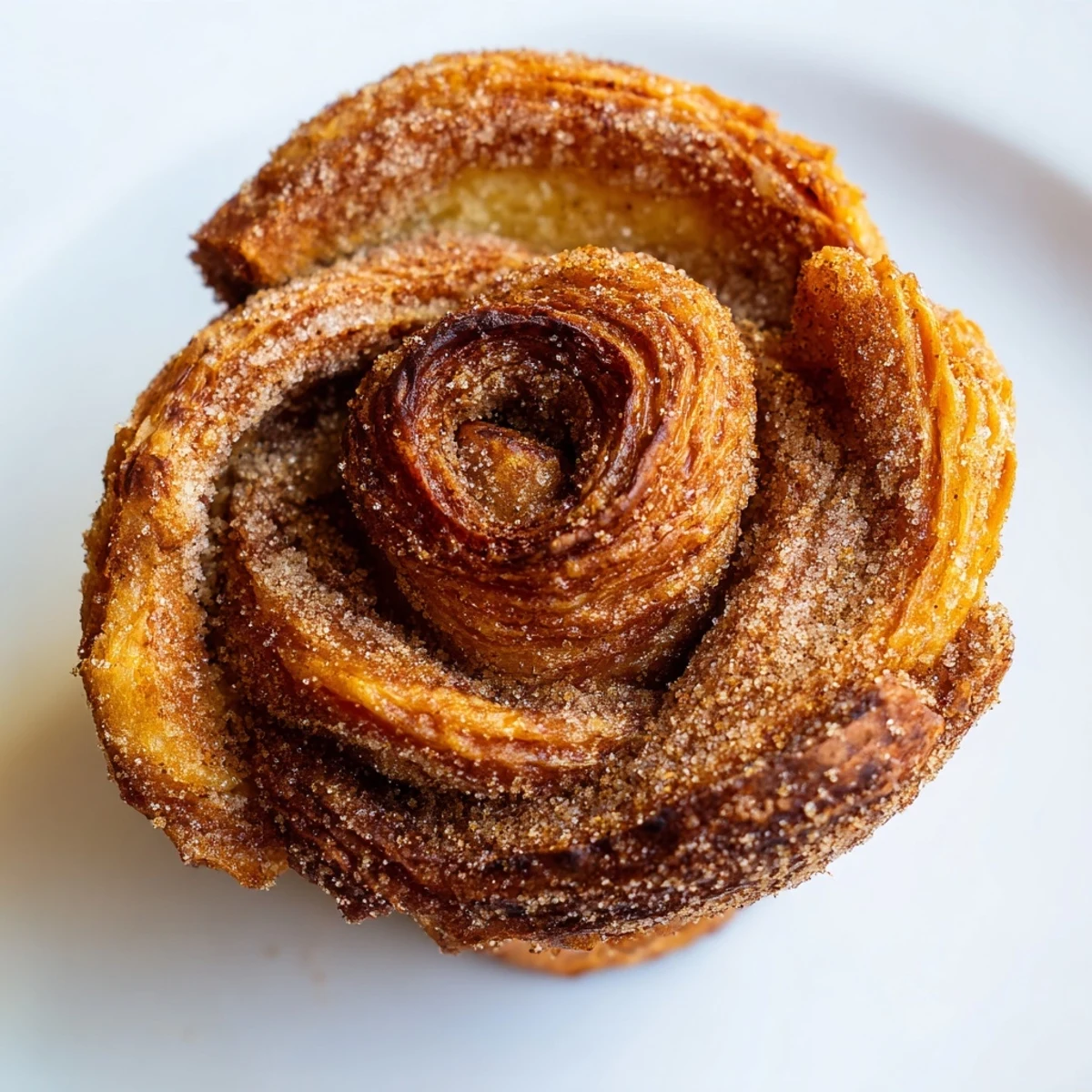
The beauty lies in their versatility. Spread each layer with chocolate, fruit preserves, or lemon curd before rolling, then finish warm cruffins with a brushing of melted butter and a tumble in cinnamon sugar. Pipe pastry cream or Nutella into the center for an extra-indulgent touch.
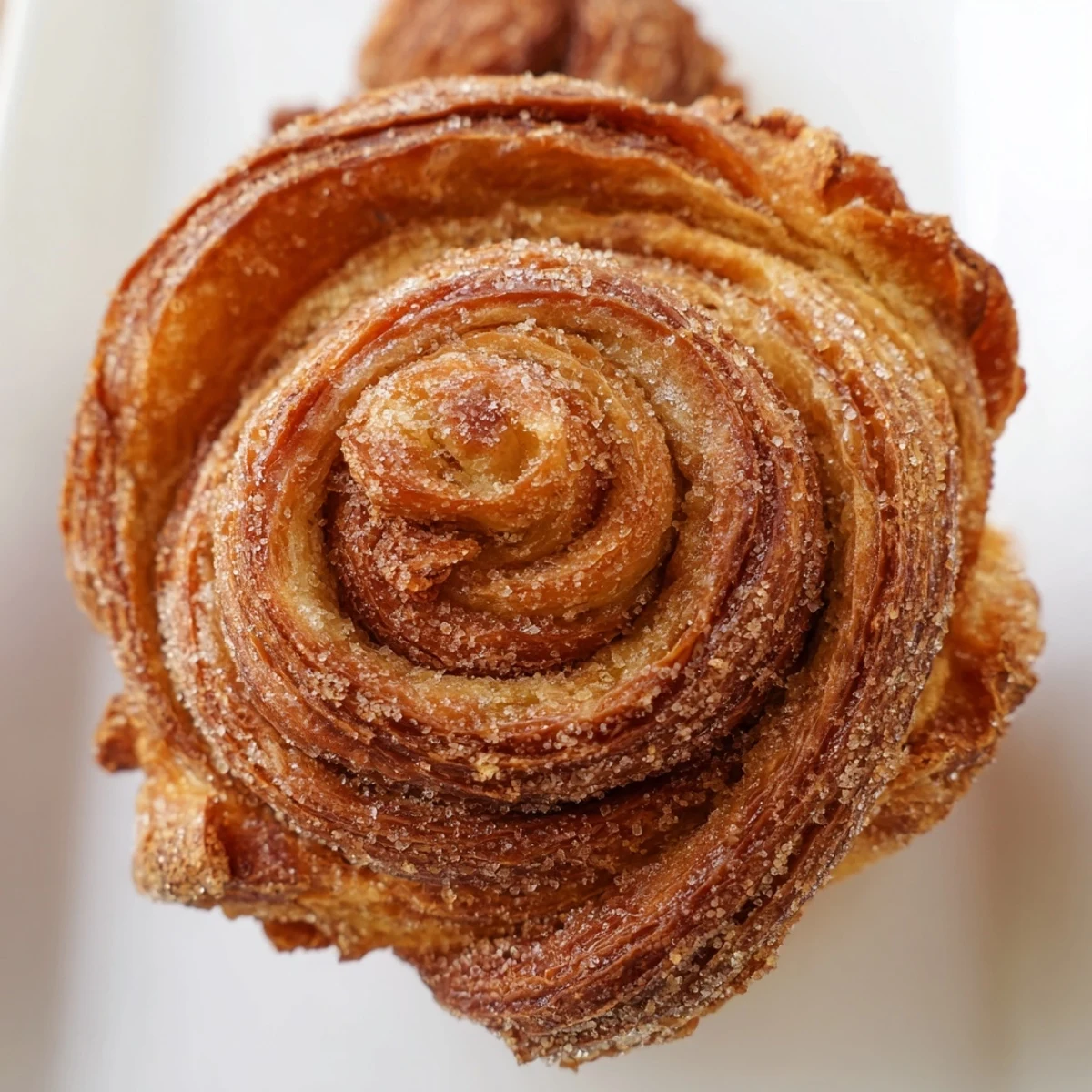
Plan ahead for rising and chilling steps, as the lamination process requires patience. The reward is a bakery-quality pastry with hundreds of shattering, buttery layers.
The kitchen smelled like a French bakery had collided with a diner, and honestly, that chaos was entirely my fault. I had set out to make croissants, lost patience somewhere around the second fold, and started shaggy rectangles of laminated dough into a muffin tin out of sheer rebellion. What emerged 25 minutes later were these absurd, golden, spiraling things that shattered at first bite and sent a shower of buttery flakes across the counter.
My sister walked in just as I was brushing the first batch with melted butter, and she stood frozen in the doorway watching cinnamon sugar cascade down the flaky edges like snow on a crooked roof.
Ingredients
Dough:
- 500 g all-purpose flour: This gives the dough enough structure to hold those gorgeous layers without turning tough.
- 60 g granulated sugar: A modest amount that sweetens the dough without making it brioche sweet.
- 10 g instant dry yeast: Instant yeast skips the blooming step, so you can mix it straight in and save yourself a bowl.
- 10 g fine sea salt: Always add salt opposite the yeast in the bowl so it does not slow down the rise.
- 250 ml warm milk: Body temperature is what you want, and if it feels hot to your finger, it is too hot for the yeast.
- 1 large egg: Adds richness and helps the dough develop that slightly yellow crumb.
- 50 g unsalted butter, softened: This goes into the dough itself, separate from the lamination butter.
Butter Layer:
- 200 g unsalted butter, room temperature: Use the best butter you can find, because this single ingredient defines the flake.
Optional Fillings and Toppings:
- 100 g sugar and 2 tsp cinnamon (for rolling): The classic coating that makes these impossible to put down.
- 120 g chocolate spread: A thin layer melts into the spirals during baking and creates little pockets of goo.
- 100 g fruit preserves or jam: Raspberry or apricot work beautifully, but avoid anything too runny.
- Lemon curd, Nutella, or pastry cream, as desired: Pipe these in after baking for a filled cruffin that feels downright luxurious.
Instructions
- Mix and knead the dough:
- Combine the flour, sugar, yeast, and salt in a large bowl, then pour in the warm milk mixed with the egg. Add the softened butter and knead for about 8 to 10 minutes until the dough feels smooth and springs back when you press it with your thumb. Cover the bowl and let it rise for about 1 hour until it has roughly doubled in size.
- Prepare the butter slab:
- Place 200 g of room temperature butter on a sheet of parchment paper and roll it into a neat rectangle about 20 by 25 cm. Slide it into the fridge until it is firm but still pliable when you gently bend it.
- Laminate with three folds:
- Roll the risen dough out to a large rectangle, roughly 40 by 30 cm. Set the butter slab on one half of the dough and fold the other half over it like a book. Roll the whole thing out gently, then fold it into thirds like a letter. Chill for 20 minutes, then repeat this roll and fold process two more times, chilling between each round.
- Shape the cruffins:
- Roll the laminated dough into a large rectangle again and trim the edges so they are straight. Cut the dough into 12 even strips. If you want a filling, spread a thin layer of chocolate or jam down each strip.
- Spiral and twist:
- Roll each strip tightly into a spiral, then slice it in half lengthwise so the layers are exposed. Twist each half loosely into a knot and drop it into a greased muffin tin cavity with the cut side facing up.
- Let them puff up:
- Cover the tin loosely and set it somewhere warm for 45 to 60 minutes until the cruffins look noticeably puffy and the layers have relaxed.
- Bake until deeply golden:
- Preheat your oven to 200 degrees Celsius (390 degrees Fahrenheit) and bake the cruffins for 20 to 25 minutes. You want a deep golden brown color, not pale blonde, because that darker bake is where the flavor lives.
- Finish with flair:
- While the cruffins are still warm, brush them lightly with melted butter and roll them in cinnamon sugar if you like. Let them cool on a rack, or pipe in lemon curd, Nutella, or pastry cream for an over the top finish.
 Save to Pinterest
 That afternoon my sister and I sat on the kitchen floor with a plate between us, pulling apart cruffins and arguing over whether the raspberry filled one or the cinnamon sugar one was superior.
Getting the Lamination Right
The first time I tried laminating dough, I rushed through the folds and ended up with butter pooling on the baking sheet and a sad, dense pastry that barely rose. The secret is patience with temperature. Your butter should be cool enough to hold its shape but soft enough that it does not tear through the dough when you roll. Think of it like cold Play Doh that bends without cracking.
Choosing Your Fillings
Thicker fillings work best because anything too runny will leak out during baking and burn on the pan. Chocolate spread, thick fruit preserves, and pistachio paste are all reliable choices. If you want something delicate like lemon curd or pastry cream, pipe it in after baking instead.
Storing and Reheating
Cruffins are at their absolute best within a few hours of baking, when the layers still shatter and the butter taste is vivid. If you have leftovers, store them in an airtight container and refresh them in a 160 degree oven for about 5 minutes the next day.
- Never microwave them, because the layers will collapse into a chewy mess.
- You can freeze unbaked shaped cruffins and bake them straight from frozen, adding about 5 extra minutes.
- Always let the oven fully preheat before baking, because a hot oven is what creates the initial steam for lift.
 Save to Pinterest
 Make a batch of these on a lazy Sunday morning when you have nowhere to be, and let the slow rhythm of folding and rolling become the whole point of the day.
Your Recipe Questions Answered
- → What is the best butter to use for laminating cruffin dough?
-
Use high-quality European-style unsalted butter with a fat content around 82%. The higher fat content creates distinct, flaky layers during baking. Allow the butter to come to room temperature before rolling it into a rectangle for lamination, then chill until firm but still pliable.
- → Can I prepare the dough the night before baking?
-
Yes, you can refrigerate the dough after the lamination folds overnight. This slow cold fermentation actually improves flavor development. Bring the dough to a workable temperature before rolling and shaping the cruffins, then allow for the full final rise before baking.
- → Why did my cruffins lose their layers during baking?
-
Lost layers usually mean the butter melted into the dough before baking. Keep the dough well-chilled between each fold, work quickly in a cool kitchen, and ensure the shaped cruffins go into a properly preheated 200°C oven so the butter steams and creates separation instantly.
- → What fillings work best inside cruffins?
-
Thick, spreadable fillings work best. Chocolate spread, fruit preserves, lemon curd, pistachio paste, and pastry cream are all excellent choices. Avoid runny fillings that can leak out during baking. Apply a thin, even layer on each dough strip before rolling for the best distribution.
- → How should I store leftover cruffins?
-
Cruffins are best enjoyed the same day they are baked while the layers are still shatteringly crisp. If storing overnight, keep them in an airtight container at room temperature and refresh in a 160°C oven for 5 minutes to re-crisp the exterior. Avoid refrigerating, as this accelerates staling.
- → Can I freeze unbaked cruffin dough?
-
You can freeze shaped cruffins on a baking sheet until solid, then transfer to a freezer bag for up to one month. Thaw overnight in the refrigerator, then allow them to complete their final rise at room temperature until puffy before baking as directed.