
 Save to Pinterest
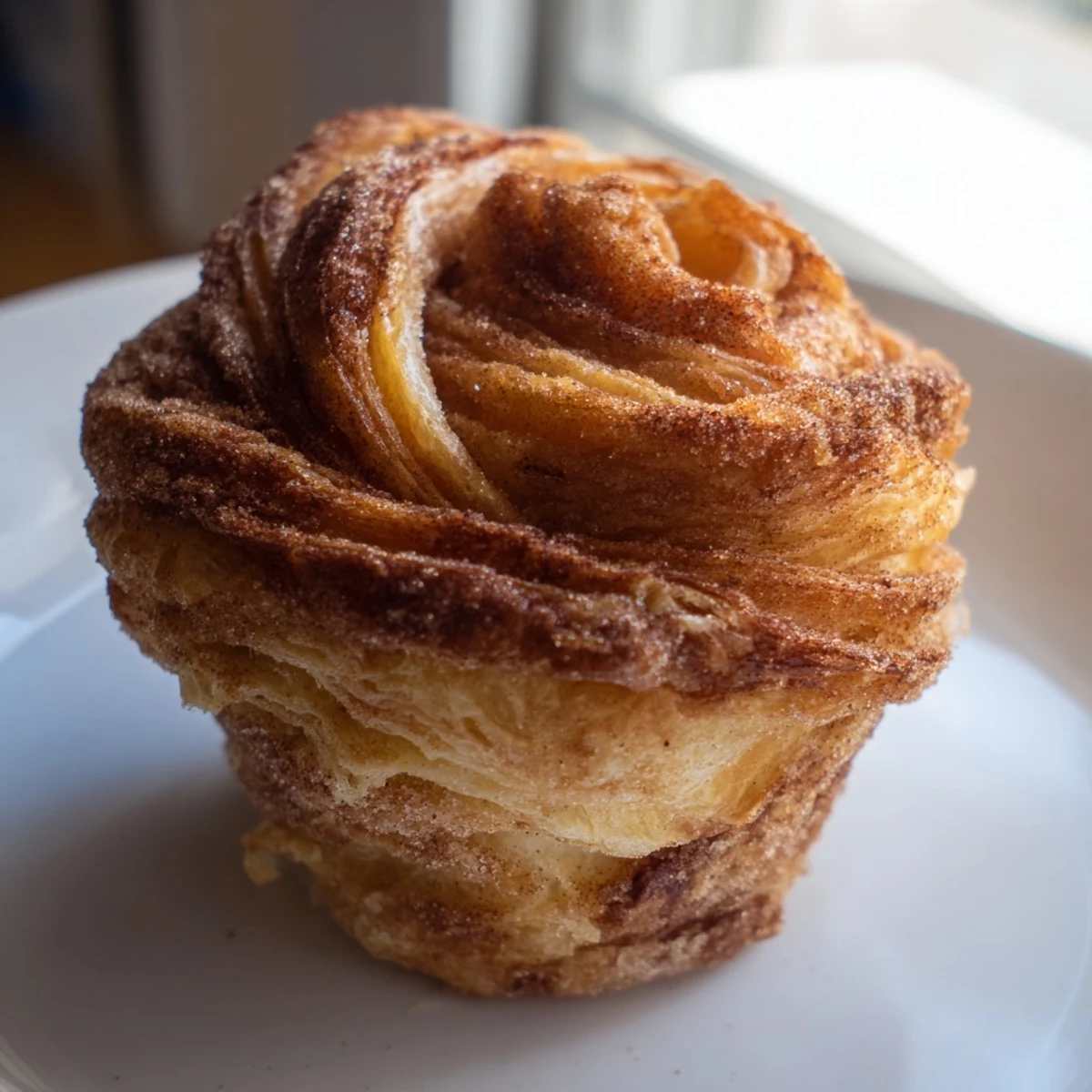
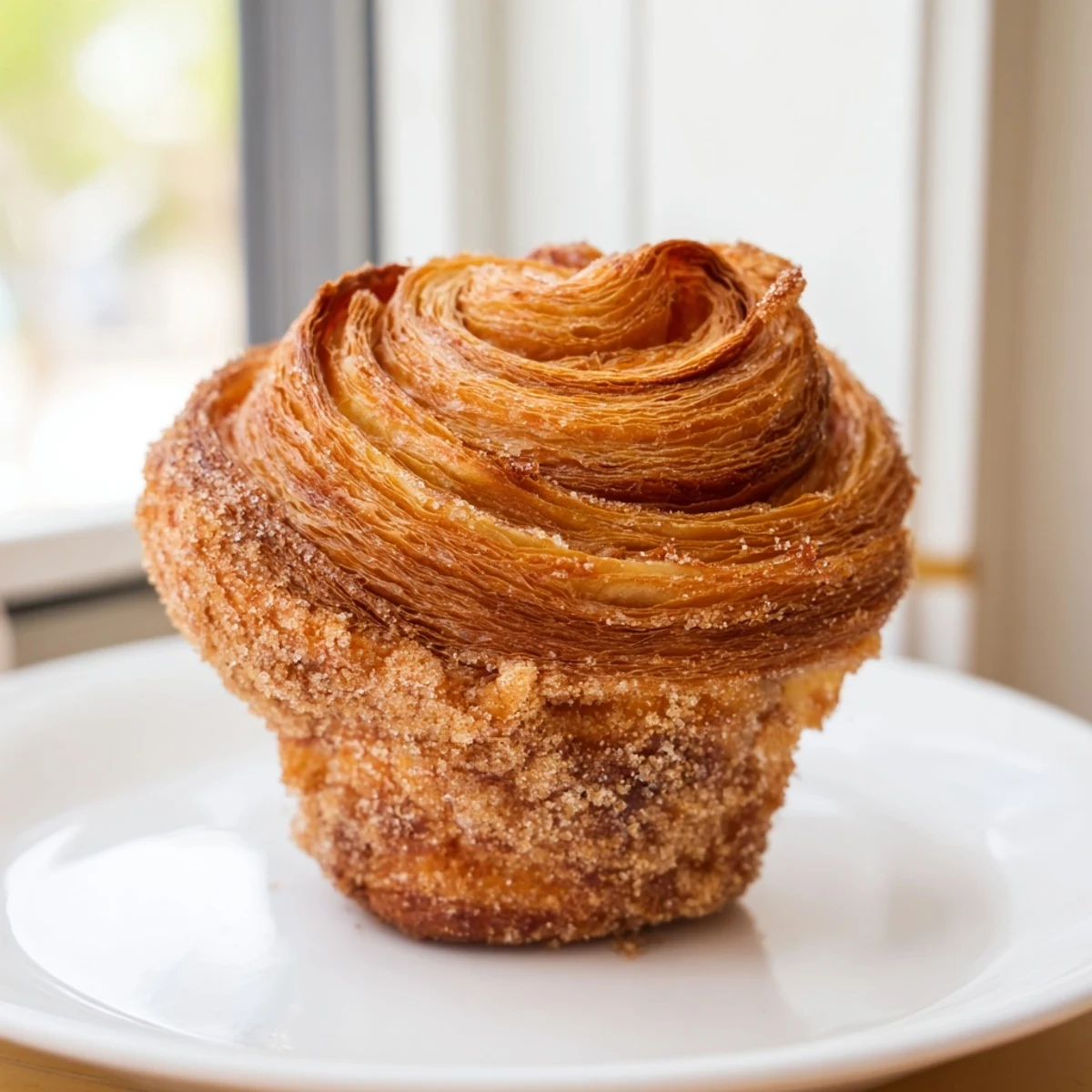
 Cruffins bring together the best of two beloved pastries: the shatteringly flaky layers of a croissant and the adorable portability of a muffin. Made with an enriched yeast dough that's laminated with a generous butter block, each one unravels into delicate, golden spirals.
The process involves a classic letter fold technique to build those signature layers, followed by cutting, twisting, and coiling the dough into muffin tins. A generous coating of cinnamon sugar while still warm takes them over the top.
Plan ahead for resting and chilling time — about three hours total — but the hands-on work is straightforward and deeply satisfying. Yield: 12 cruffins.
The kitchen smelled like a French bakery had a baby with a diner, and honestly, that is exactly what happened the morning I stumbled into cruffins. I had leftover croissant dough, a lonely muffin tin, and the kind of reckless confidence that only comes from not having read enough about laminated pastry to know better. Three hours later, golden spiraled pastries tumbled out of the oven, and my roommate stood in the doorway speechless, a cinnamon sugar crumb balancing on her lip. That was the day cruffins became a weekend ritual in our house.
I made these for a brunch potluck once and watched a friend eat four of them standing up before even taking his coat off. There is something about a handheld pastry with visible layers that makes people lose all restraint.
Ingredients
- 375 g all-purpose flour: The backbone of the dough, plain flour lets the butter do the talking without toughening things up.
- 7 g instant yeast: Gives the dough its initial rise and that faint yeasty sweetness underneath all the butter.
- 40 g granulated sugar: Just enough to nudge the dough toward pastry territory without making it overtly sweet.
- 8 g salt: Essential for flavor balance, skip this and everything tastes flat no matter how much butter you use.
- 180 ml lukewarm water: Should feel like a warm bath, not a hot one, or you will kill the yeast before it even starts.
- 70 ml whole milk (lukewarm): Adds richness and helps create a softer crumb than water alone.
- 30 g unsalted butter, melted: Worked into the dough itself for tenderness, separate from the lamination butter.
- 150 g unsalted butter (room temperature): This is your lamination butter, and it needs to be pliable but not melted, think the texture of cream cheese.
- 60 g granulated sugar (optional topping): For rolling the warm cruffins, a crunchy sweet shell that makes them irresistible.
- 1 tsp ground cinnamon (optional topping): Mixed into the sugar for warmth and spice that complements the butter beautifully.
Instructions
- Bring the dough together:
- In a large bowl, whisk the flour, yeast, sugar, and salt together until evenly combined. Pour in the lukewarm water, milk, and melted butter, then stir with a wooden spoon until a shaggy dough forms and no dry patches remain.
- Knead until proud:
- Turn the dough onto a lightly floured surface and knead for 5 to 7 minutes until it feels smooth and springs back when you poke it gently. Cover the bowl with a damp towel and let it rise somewhere warm for about an hour, or until it has clearly doubled in size.
- Prepare the butter slab:
- While the dough rises, place the room temperature butter between two sheets of parchment paper and beat it with a rolling pin until it forms a roughly 15 by 20 cm rectangle. Chill it in the fridge so it firms up slightly but stays bendable, you want it to match the softness of your dough when you laminate.
- First lamination fold:
- Roll the risen dough out on a floured surface to a large rectangle about 30 by 50 cm. Lay the butter slab evenly over the dough surface, then fold the dough into thirds like a letter.
- Second fold and chill:
- Give the dough a quarter turn, roll it back out to the same size, and fold into thirds once more. Wrap it loosely and refrigerate for a full hour so the butter sets and the gluten relaxes.
- Cut into strips:
- Roll the chilled dough out one final time to that same 30 by 50 cm rectangle. Using a sharp knife or dough scraper, cut it into 12 even strips lengthwise, each one long and narrow.
- Shape the cruffins:
- Take one strip at a time and roll it up tightly like a tiny sleeping bag. Cut that roll straight down the middle lengthwise so you expose all those beautiful layers inside.
- Coil into the tin:
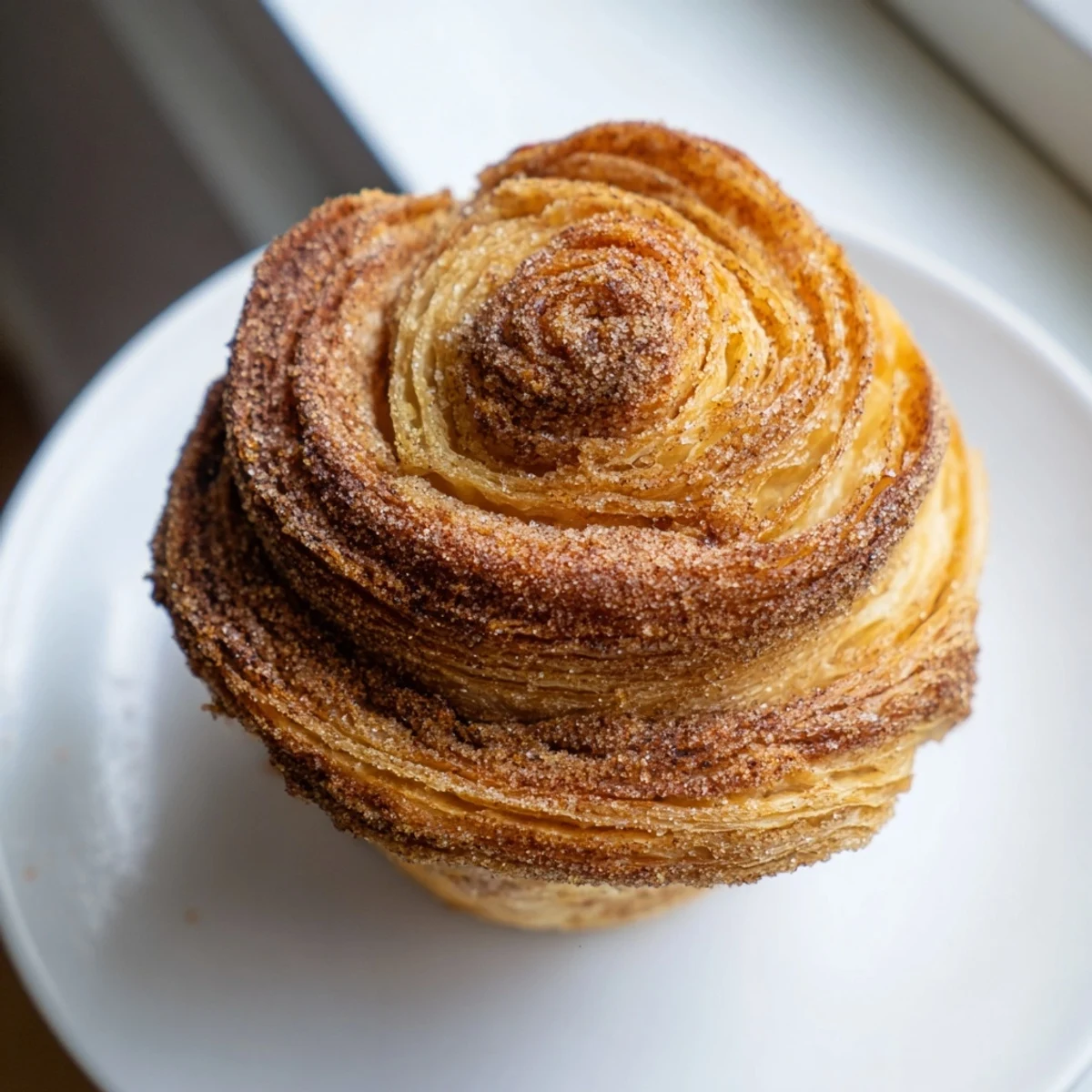
- Twist each half into a loose spiral, then coil it up and nestle it into a greased muffin tin cavity with the layered side facing outward. It should look like a tiny rose made of pastry dough.
- Final rest:
- Cover the tin loosely and let the cruffins rest at room temperature for 45 minutes to an hour until they look puffy and have risen noticeably. This patience pays off in the oven spring you will get later.
- Bake to golden glory:
- Preheat your oven to 200 degrees Celsius (390 degrees Fahrenheit) and bake the cruffins for 18 to 22 minutes until they are deeply golden brown and risen with confidence. The tops should be cracked slightly and smell like toasted butter.
- Finish and serve:
- Let them cool in the tin for just a few minutes, then turn them out while still warm. If using the cinnamon sugar coating, roll each warm cruffin immediately so the sugar adheres to the buttery surface before it cools.
 Save to Pinterest
 I once packed a tin of these for a road trip and watched my travel partner eat six of them before we hit the highway on ramp. That crumb dusted car dashboard still makes me smile every time I see it.
Getting the Butter Temperature Right
This is the single detail that determines whether your cruffins have those gorgeous open layers or turn into dense little rolls. The butter should bend without cracking when you fold it, roughly the texture of cold Play Doh.
Flavor Variations Worth Trying
A thin swipe of raspberry jam across the dough before rolling transforms these into something that tastes like a fancy bakery item. Melted dark chocolate spread thinly does the same thing but skews dangerously toward dessert territory, which honestly might be the whole point.
Storage and Make Ahead
Cruffins are at their absolute best within two hours of baking, but they will keep in an airtight container for up to two days if you can manage that kind of restraint. A quick 10 second blast in the microwave brings back some of that just baked softness.
- Shaped but unbaked cruffins can be frozen in the tin, then transferred to a bag for up to one month.
- Bake from frozen, adding about 5 extra minutes to the baking time and letting them rest a bit longer before baking.
- Always reheat gently rather than microwaving too long or the layers collapse into sadness.
 Save to Pinterest
 Make these once and you will understand why people get slightly obsessed with laminated dough. They are messy, buttery proof that the best things in baking take a little patience and a lot of butter.
Your Recipe Questions Answered
- → Why is my cruffin dough not rising properly?
-
Yeast needs warmth to activate. Ensure your water and milk are lukewarm (around 37°C/98°F), not hot, as temperatures above 45°C will kill the yeast. Also, give the dough enough time in a draft-free, warm spot until it has visibly doubled in size.
- → Can I prepare the dough the night before?
-
Yes, you can refrigerate the dough after the lamination step overnight. This actually improves flavor through slow fermentation. The next day, let it sit at room temperature for about 20 minutes before rolling and shaping so the butter softens slightly and remains pliable.
- → Why did the butter leak out during baking?
-
Butter leakage usually happens when the dough and butter are at different temperatures. The butter should be pliable but cool — if it's too soft, it melts into the dough instead of creating distinct layers. Chilling the folded dough for the full hour before the final roll helps lock everything in place.
- → What can I fill cruffins with?
-
Spread a thin layer of jam, Nutella, lemon curd, or pastry cream on the dough strips before rolling them up. You can also pipe fillings into the center after baking using a piping bag with a long nozzle. Just avoid overfilling, as wet fillings can make the layers soggy.
- → How do I store leftover cruffins?
-
Store cruffins in an airtight container at room temperature for up to two days. To revive them, warm in a 160°C (320°F) oven for about 5 minutes until the layers crisp up again. Avoid microwaving, as it makes them chewy rather than flaky.
- → Can I freeze shaped cruffins before baking?
-
Absolutely. After shaping and placing them in the muffin tin, freeze until solid, then transfer to a freezer bag. When ready to bake, place them back in a muffin tin, let them thaw and proof until puffy (about 2–3 hours at room temperature), then bake as directed.