
 Save to Pinterest
 Whip up this vibrant tomato basil vinaigrette in under 10 minutes using simple Mediterranean ingredients. The combination of ripe tomatoes, fresh basil, garlic, and extra-virgin olive oil creates a tangy, emulsified dressing that elevates any dish. Perfect for drizzling over crisp summer salads, roasted vegetables, or grain bowls. This versatile sauce keeps well in the refrigerator and can be customized with different vinegar varieties or tomato types.
August humidity hung thick the summer I discovered that a tomato barely holding its shape could become something liquid and alive. I was standing in my mothers kitchen with a pile of basil that had bolted overnight, smelling like warm earth and insistence. There was no plan, just a blender and the stubborn refusal to let anything go to waste.
My friend Laura once watched me make this at a barbecue and stood there with a piece of grilled zucchini, dunking it straight into the jar before I could even set the table. She looked at me with wide eyes and said this is not fair to bottled dressing. I think about that every time I reach for the blender.
Ingredients
- Ripe tomato: The riper the better, almost embarrassingly soft, because that is where all the sweetness and water live.
- Fresh basil: Finely chopped and added at the start so it bruises into the mixture rather than sitting on top like a garnish.
- Garlic: One small clove is all you need, minced finely so it whispers rather than shouts.
- Extra virgin olive oil: Use the good stuff here since there is no heat to hide behind and the fruitiness carries the whole dressing.
- Red wine vinegar: Brings the tang that makes your mouth water and balances the natural sugar in the tomato.
- Dijon mustard: Acts as the glue that holds everything together in a creamy emulsion.
- Sea salt and black pepper: Start with the amounts given then taste and trust your own judgment.
Instructions
- Toss in the good stuff:
- Drop the chopped tomato, basil, and garlic into your blender or food processor and listen to that satisfying first crunch as the blade catches.
- Add the liquids and seasonings:
- Pour in the olive oil, red wine vinegar, Dijon mustard, salt, and pepper all at once because this recipe forgives you for not being precious.
- Blend until silky:
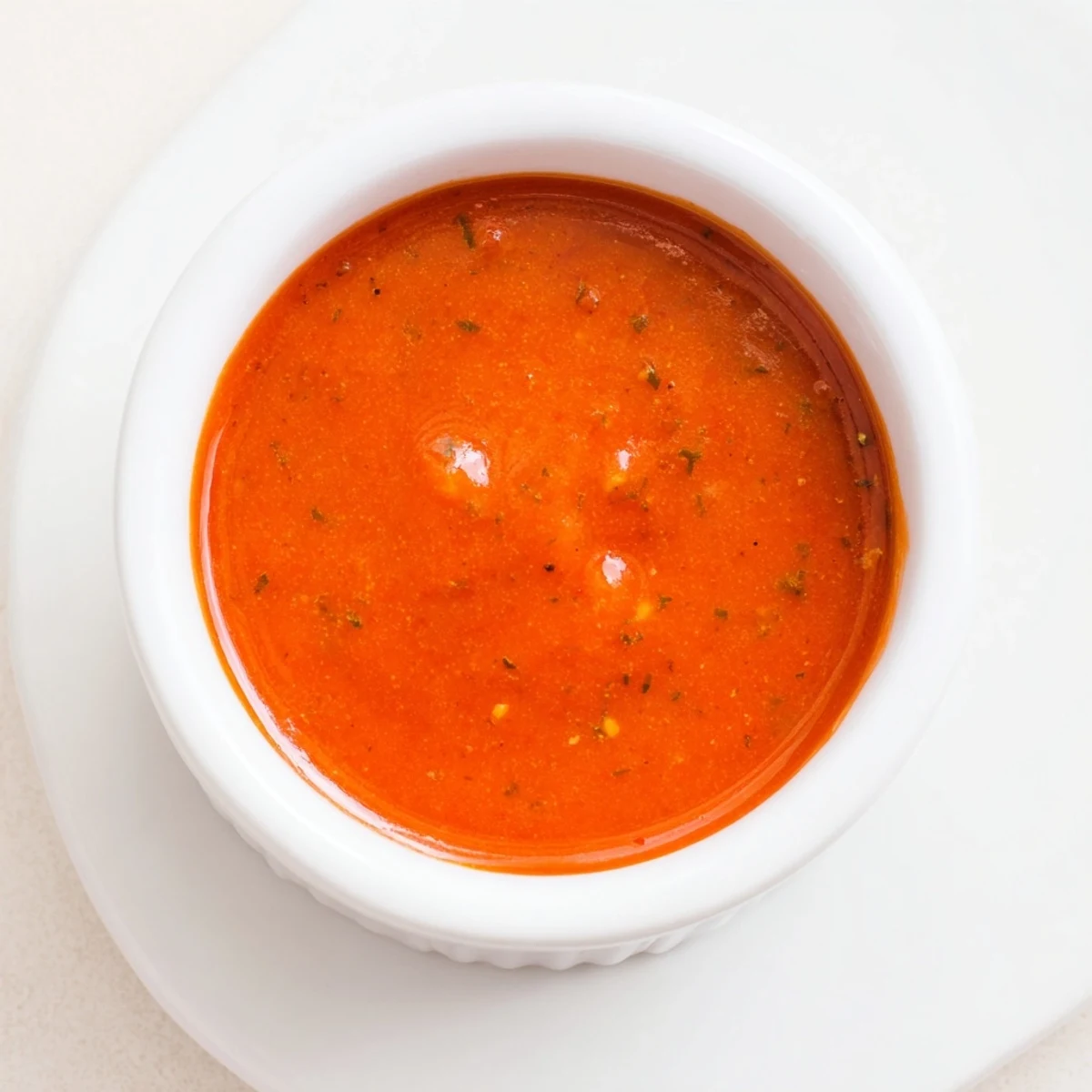
- Run the blender until the mixture turns a uniform pale red and looks creamy enough to coat the back of a spoon without separating.
- Adjust the texture:
- If it feels too thick to pour, add one or two tablespoons of water and pulse gently until it moves like a dressing should.
- Store and chill:
- Scrape every last bit into a jar, pop it in the fridge, and let the flavors settle into each other for at least fifteen minutes before serving.
 Save to Pinterest
 There is something quietly magical about a jar of this sitting in the fridge door, waiting to turn a handful of leftover greens into an actual meal. It became my small act of rebellion against the bottled stuff I grew up thinking was normal.
Swaps That Actually Work
Cherry tomatoes will give you a sweeter, slightly more concentrated flavor that works beautifully in late summer when they are bursting with sugar. White balsamic vinegar can replace the red wine vinegar if you want something softer and less sharp. I have even tossed in a handful of roasted red peppers on a whim and the result was a deeper, smokier version that disappeared faster than the original.
What to Drizzle It Over
Beyond the obvious green salad, this vinaigrette is brilliant pooled over a plate of roasted cauliflower or spooned across a grain bowl with farro and chickpeas. I have used it as a marinade for tofu and once embarrassingly caught myself eating it with a spoon directly from the jar while leaning against the open refrigerator door.
Getting the Texture Right
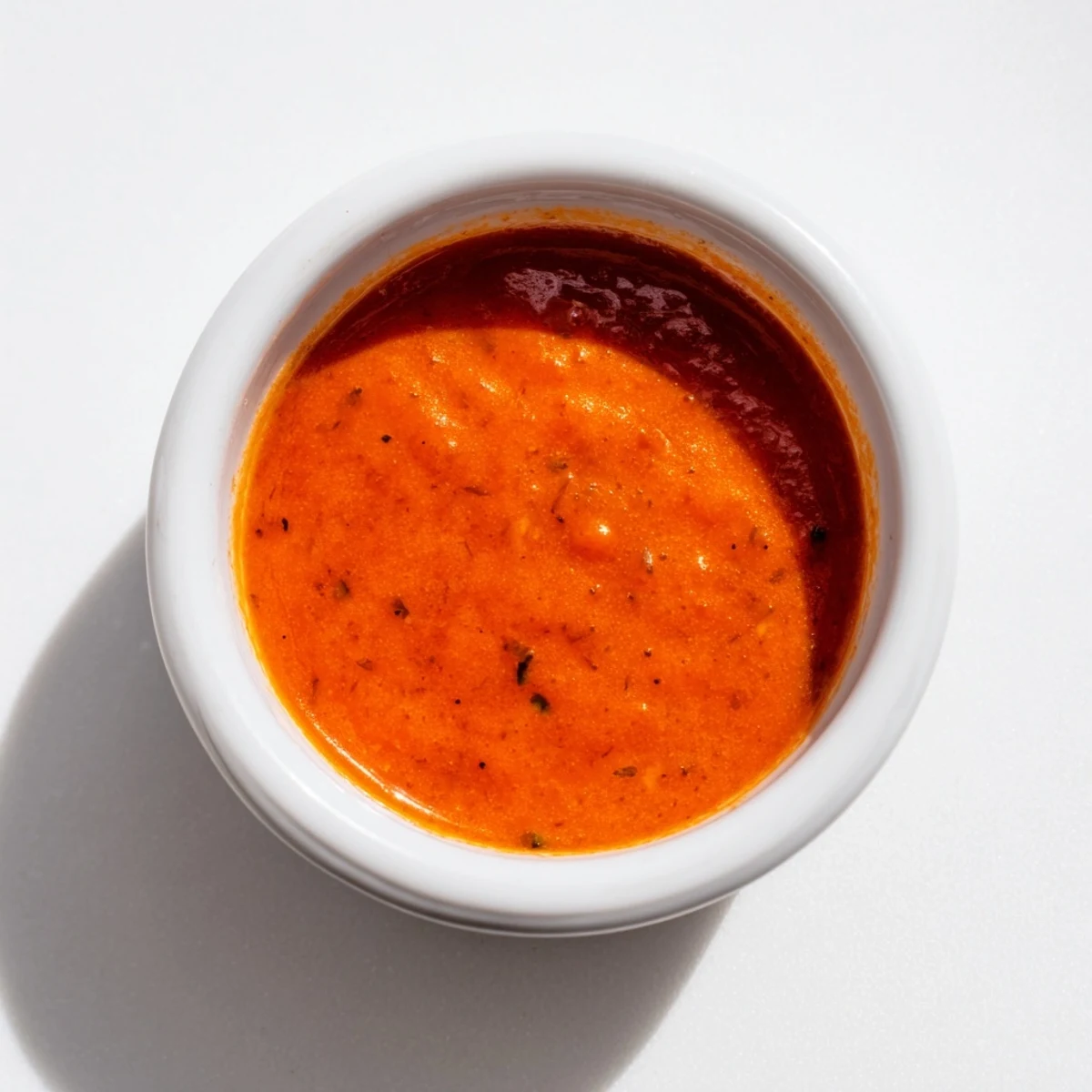
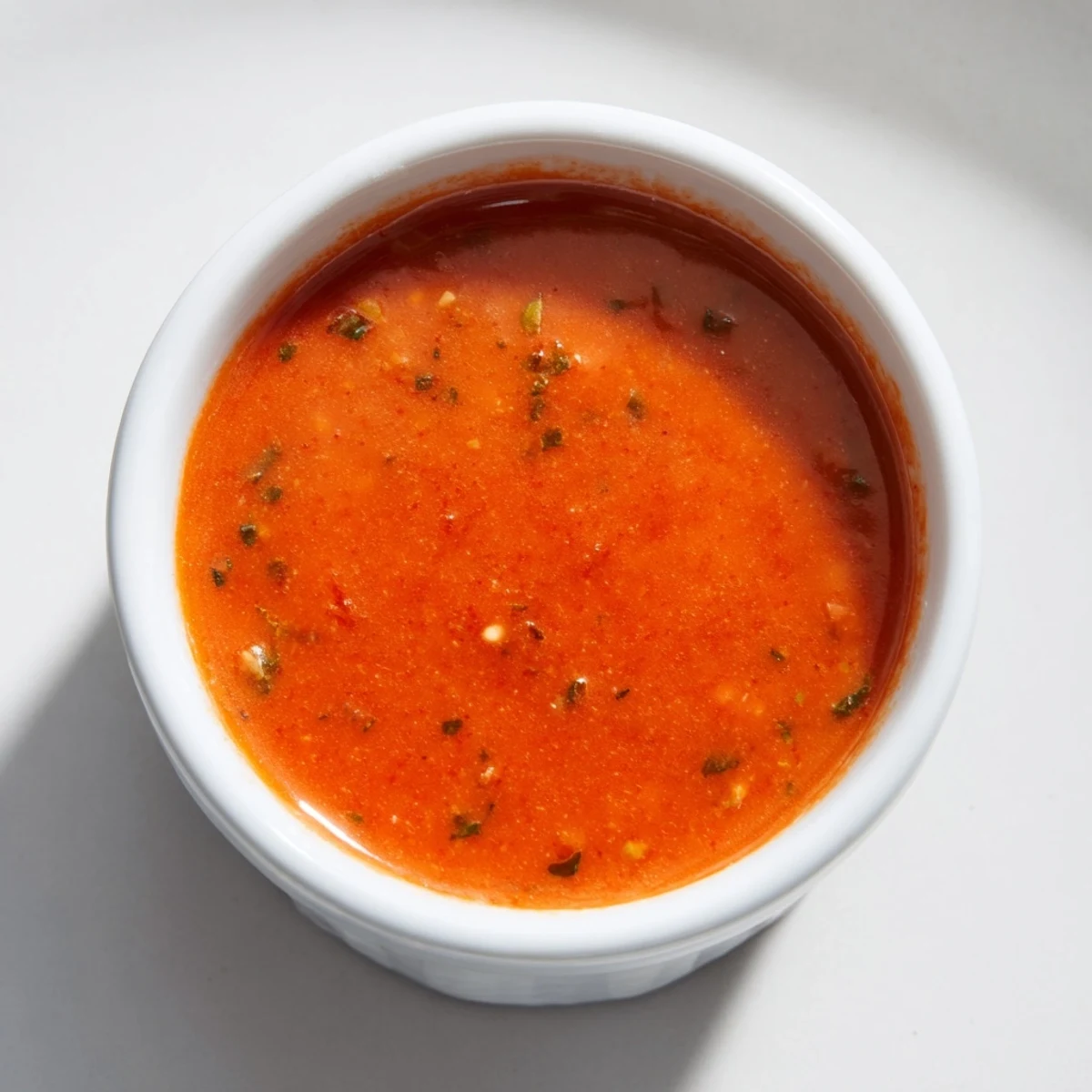
The consistency should coat a leaf of lettuce without pooling instantly at the bottom of the bowl, somewhere between heavy cream and a thin sauce. If you want it chunkier, pulse instead of running the blender continuously and stop while you can still see flecks of basil and tomato. If you want it thinner, water is your friend but add it slowly because a little goes a long way. The dressing will thicken slightly in the fridge as the olive oil firms up, so take that into account before you thin it too much at the start.
- Shake the jar vigorously before each use because separation is natural and means you used real ingredients.
- Taste it at room temperature for the most accurate read on seasoning.
- Use it within five days because fresh tomatoes do not keep forever no matter how much vinegar you add.
 Save to Pinterest
 Keep a jar of this in your fridge from June through September and you will never look at a pile of summer produce the same way again. It is the easiest ten minutes you will spend in a kitchen all week.
Your Recipe Questions Answered
- → How long does homemade tomato basil vinaigrette last?
-
Store in an airtight container in the refrigerator for up to one week. The olive oil may solidify when cold—simply let it sit at room temperature and shake well before using.
- → Can I make this without a blender?
-
Yes, you can finely mince the tomato, basil, and garlic by hand, then whisk all ingredients together in a bowl. The texture will be chunkier rather than smooth.
- → What vegetables work best with this vinaigrette?
-
This dressing pairs beautifully with mixed greens, cucumbers, bell peppers, roasted zucchini, eggplant, and asparagus. Also excellent drizzled over caprese salads or fresh mozzarella.
- → How can I adjust the consistency?
-
Add water one tablespoon at a time while blending for a thinner pourable consistency. For a thicker version, reduce the liquid or add an extra half teaspoon of mustard to help emulsification.
- → Can I use dried basil instead of fresh?
-
Fresh basil provides the best vibrant flavor, but you can substitute 1 tablespoon dried basil if fresh isn't available. Rehydrate the dried herbs in a teaspoon of warm water before blending.