
 Save to Pinterest
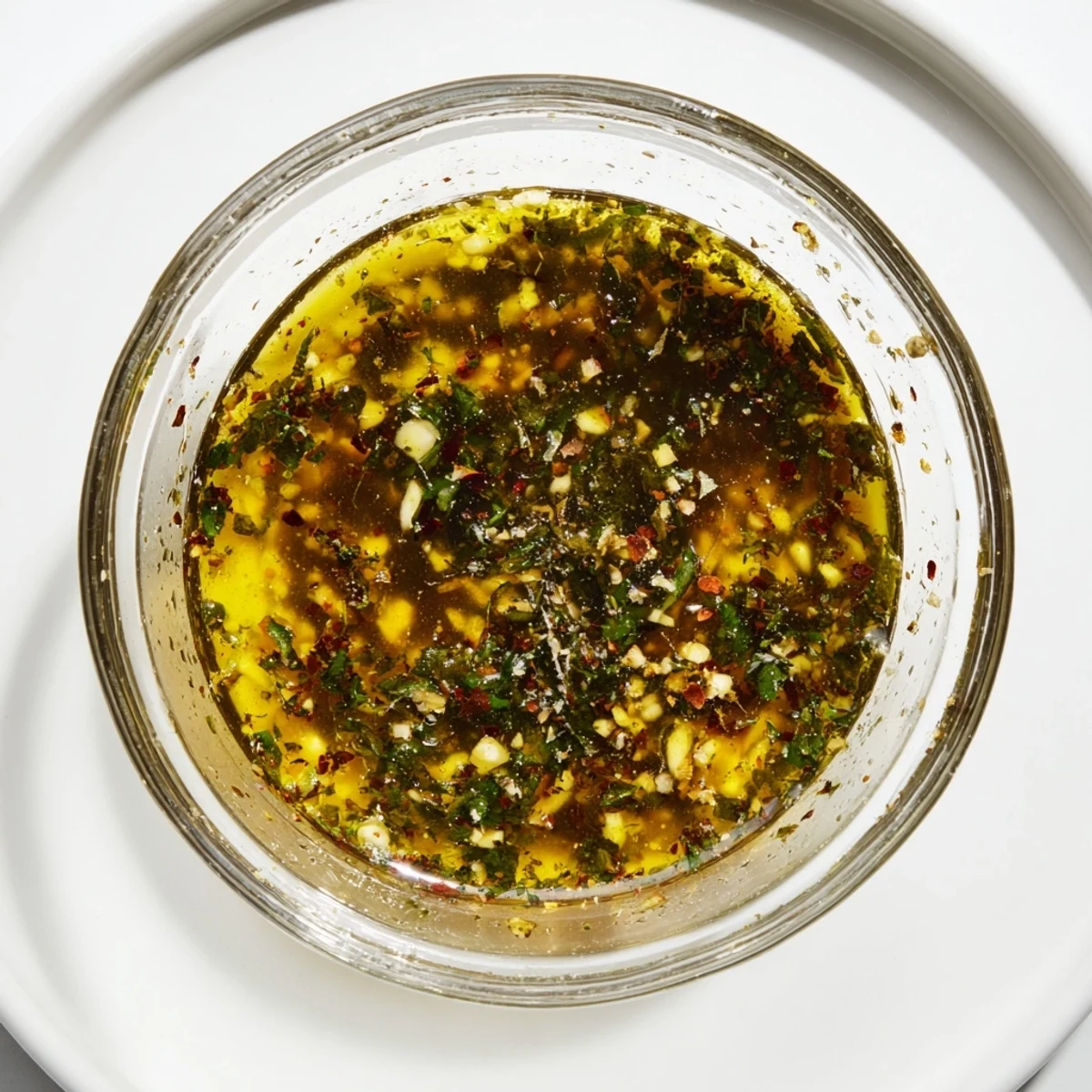
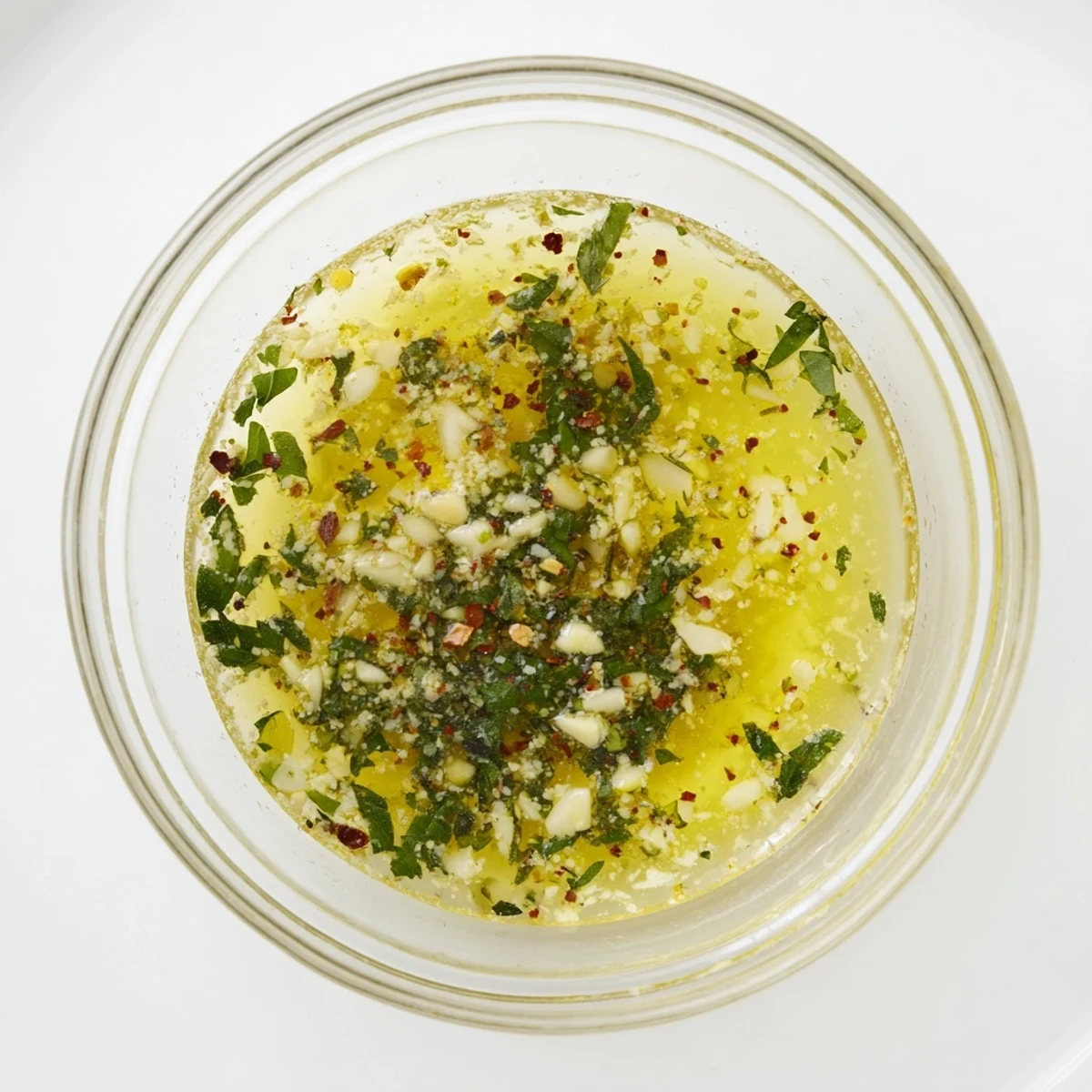
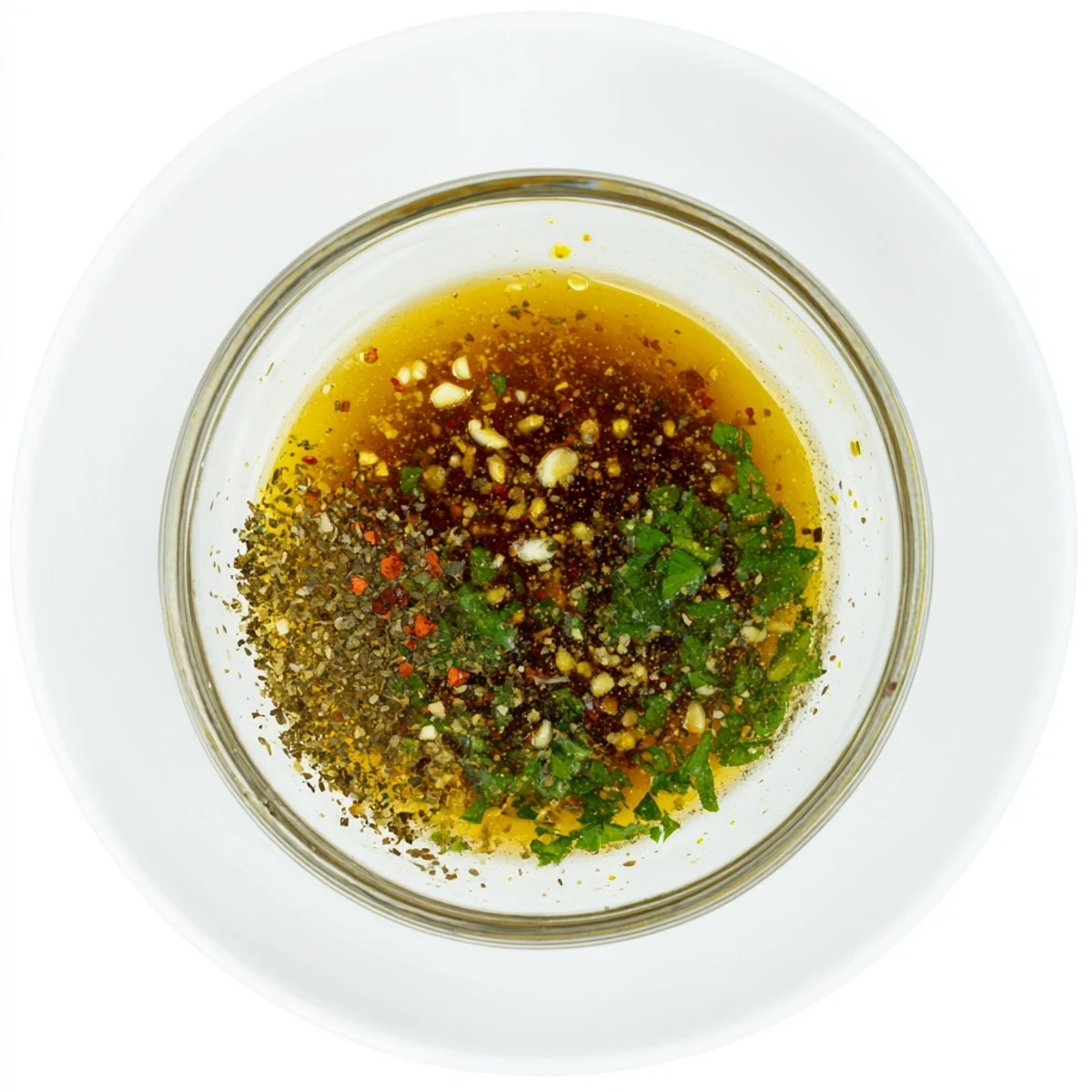
 This classic Italian vinaigrette combines extra-virgin olive oil with red wine vinegar, fresh lemon juice, and aromatic herbs. Whisk together Dijon mustard, garlic, honey, parsley, basil, and oregano for a versatile dressing that elevates salads, roasted vegetables, and grilled proteins.
The emulsified blend balances tangy vinegar with smooth olive oil, while fresh herbs provide authentic Mediterranean flavor. Store in the refrigerator for up to a week and shake before each use.
Something shifted in my kitchen the summer I stopped buying bottled dressing and started shaking together my own vinaigrette in a recycled jam jar. The difference was almost embarrassing, like realizing you had been eating cardboard and calling it toast. That first batch of Italian vinaigrette turned a sad bag of mixed greens into something my roommate actually complimented, and I have never looked back.
I brought a mason jar of this to a backyard barbecue once and watched my friend Mike drink a spoonful of it straight, completely bypassing the salad. He claimed it was quality control. His wife just rolled her eyes and asked for the recipe, which I scribbled on a napkin that probably ended up in the wash.
Ingredients
- Extra virgin olive oil (1/2 cup): This is the backbone, so use the good stuff, the kind that smells grassy and peppery and makes you cough slightly at the back of your throat.
- Red wine vinegar (1/4 cup): Provides that sharp, fruity tang that makes Italian dressing taste Italian, and nothing else really substitutes for its particular personality.
- Fresh lemon juice (1 tablespoon): A squeeze of brightness that lifts everything and balances the richness of the oil beautifully.
- Dijon mustard (2 teaspoons): Acts as the emulsifier that holds the dressing together, plus it adds a subtle heat that rounds out the flavor.
- Garlic, finely minced (2 cloves): Finely is the key word here, because nobody wants to chomp into a raw garlic chunk mid salad.
- Honey (2 teaspoons): Just enough sweetness to tame the acid, and you can swap in sugar or maple syrup to keep it fully vegan.
- Fresh parsley (2 tablespoons, chopped): Fresh herbs make this taste alive rather than manufactured, and parsley is the quiet hero of Italian cooking.
- Fresh basil (1 tablespoon, chopped): If you have it fresh, use it, otherwise one and a half teaspoons of dried will do the job without complaint.
- Dried oregano (1 teaspoon): That familiar pizza shop aroma that instantly makes everything taste more Mediterranean.
- Salt and black pepper (3/4 teaspoon and 1/2 teaspoon): Season assertively because dressing needs more salt than you think, especially when it lands on bland greens.
- Crushed red pepper flakes (1/2 teaspoon, optional): A gentle warmth that sneaks up on you, highly recommended unless you are spice averse.
Instructions
- Build the acid base:
- In a medium bowl or a jar with a tight lid, combine the red wine vinegar, lemon juice, Dijon mustard, minced garlic, and honey. Whisk or shake until the honey dissolves and everything looks unified.
- Emulsify with oil:
- Slowly drizzle in the olive oil while whisking constantly, watching the mixture transform from separated and thin to creamy and cohesive. This patient drizzling is the whole secret to a dressing that clings to leaves instead of pooling at the bottom.
- Add the herbs and seasonings:
- Stir in the parsley, basil, oregano, salt, pepper, and red pepper flakes if you are using them, and watch the vinaigrette come alive with flecks of green.
- Taste and adjust:
- Dip a lettuce leaf or a piece of bread into the dressing and taste it, then tweak the salt, acid, or heat until it sings exactly the way you want.
- Store or serve:
- Use it right away or pour it into an airtight container and refrigerate for up to one week, shaking vigorously before each use because it will settle.
 Save to Pinterest
 The night my grandmother tasted this dressing on a simple tomato and mozzarella salad, she paused mid bite and stared at me across the table. She said it reminded her of something her own mother used to whisk together in a tiny kitchen in Calabria, and I felt like I had accidentally unlocked a door I did not know existed.
What to Pair It With
This vinaigrette is far more versatile than a salad dressing has any right to be. I have tossed it with roasted potatoes right out of the oven, spooned it over grilled zucchini at a cookout, and even used it as a quick marinade for chicken thighs before throwing them on the grill. It plays beautifully with anything that can use a hit of acid and herbs.
Making It Your Own
The ratios here are a starting point, not a law. My friend Sarah doubles the garlic because she fears nothing, and my brother adds a tablespoon of grated Parmesan when nobody is watching. You can swap red wine vinegar for apple cider vinegar if you want something softer, or add a splash of balsamic for depth.
Storage and Shelf Life
Keep your vinaigrette in a glass jar with a tight lid in the refrigerator and it will stay vibrant for about a week. The olive oil will solidify when cold, which looks alarming but is completely normal and fixes itself in minutes at room temperature.
- Always label your jar with the date so you know when it is time to make a fresh batch.
- A jam jar or Mason jar with a screw top lid works better than any specialty container you could buy.
- Shake it like you mean it before every use because separation is natural and expected.
 Save to Pinterest
 Keep a jar of this in your fridge and weeknight dinners suddenly feel a lot more intentional with almost zero effort. It is a small thing that makes a disproportionately large difference.
Your Recipe Questions Answered
- → How long does homemade Italian vinaigrette last?
-
Store in an airtight container in the refrigerator for up to 1 week. Shake or stir well before each use as separation may occur.
- → Can I make Italian vinaigrette without Dijon mustard?
-
Mustard helps emulsify the dressing. Substitute with ½ teaspoon mayonnaise or omit entirely, though the vinaigrette may separate more quickly.
- → What vinegar works best for Italian vinaigrette?
-
Red wine vinegar is traditional. Apple cider vinegar provides a milder taste, while white wine vinegar or champagne vinegar work well for lighter variations.
- → Is this vinaigrette dairy-free and vegan?
-
The base version is vegetarian and dairy-free. For fully vegan, replace honey with maple syrup, sugar, or agave nectar.
- → How do I fix a separated vinaigrette?
-
Simply whisk vigorously or shake in a sealed jar. If it won't recombine, start over with fresh mustard and slowly drizzle in the separated mixture while whisking.