
 Save to Pinterest
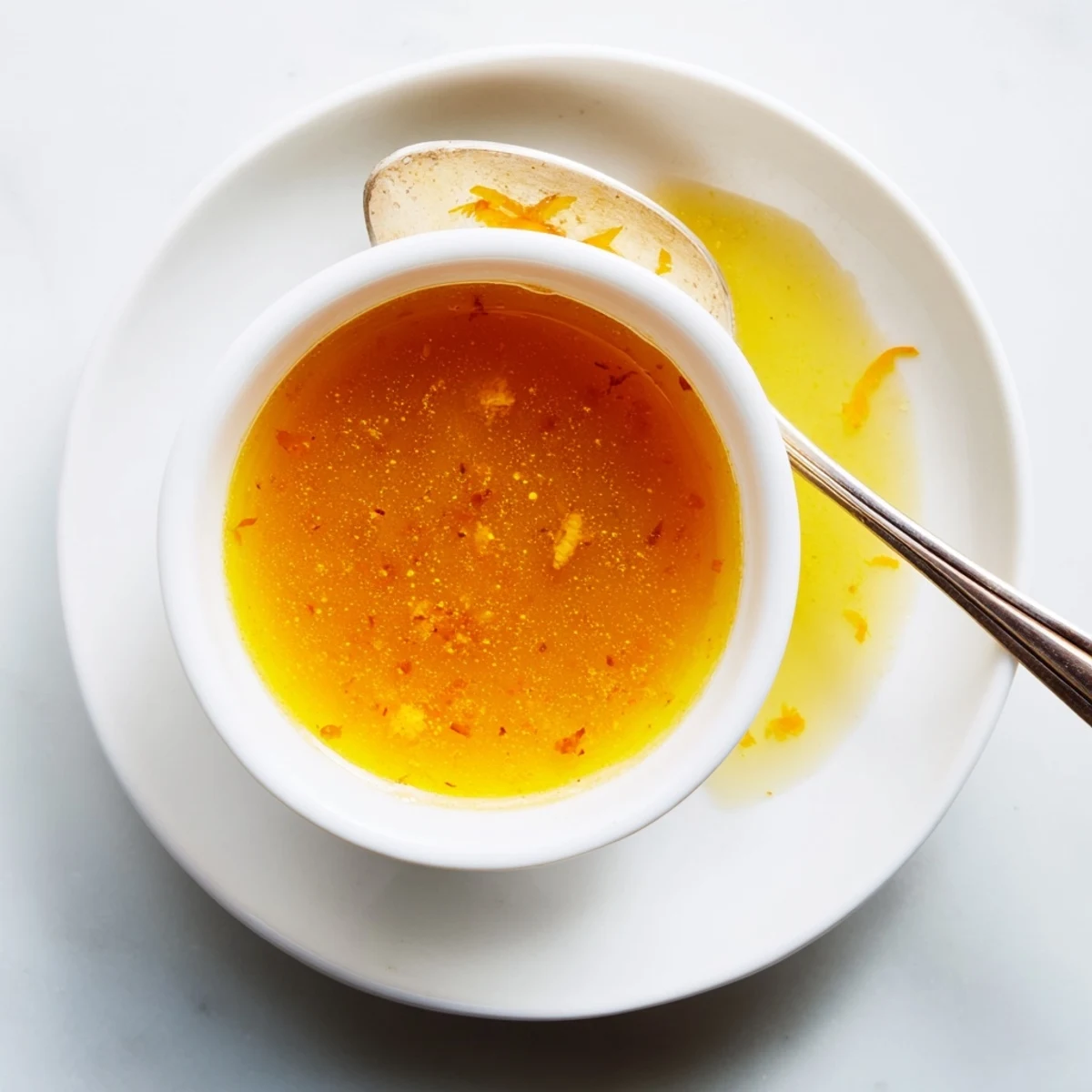
 This zesty orange vinaigrette brings together fresh citrus juice, quality white wine vinegar, and a touch of honey for balanced sweetness. The emulsion creates a silky texture that clings beautifully to mixed greens, roasted vegetables, or grilled fish. Ready in under 10 minutes, it stores well for quick weekday meal prep. The Dijon mustard acts as both flavor enhancer and emulsifier, while extra-virgin olive oil provides rich body.
My kitchen window was open one April afternoon when the scent of blooming citrus trees drifted in and made me crave something bright and sharp.
I brought a jar of this to a backyard potluck and three people stopped mid conversation to ask what was on the salad.
Ingredients
- 1/3 cup freshly squeezed orange juice (1 large orange): Fresh is non negotiable here because bottled juice tastes flat and lifeless in a vinaigrette.
- 2 tablespoons white wine vinegar or champagne vinegar: Either works beautifully but champagne vinegar gives a softer, more elegant tang.
- 1 teaspoon finely grated orange zest: This is where the perfume lives so grate only the colored skin and none of the bitter white pith.
- 1 teaspoon Dijon mustard: Acts as the glue that holds everything together and adds a subtle heat that grounds the sweetness.
- 1 tablespoon honey or maple syrup: Maple syrup makes it fully vegan and adds a deeper caramel note if that is what you prefer.
- 1/2 teaspoon sea salt: Flaky salt dissolves slowly and gives pleasant little bursts of seasoning throughout.
- 1/4 teaspoon freshly ground black pepper: Freshly cracked pepper has an oils aroma that pre ground simply cannot match.
- 1/2 cup extra virgin olive oil: Use a good quality oil with a fruity finish because this is the body of your dressing.
Instructions
- Build the flavor base:
- Pour the orange juice into a medium bowl and add the zest, vinegar, Dijon mustard, honey, salt, and pepper then whisk until the honey dissolves and everything looks unified.
- Emulsify with olive oil:
- Slowly drizzle the olive oil in the thinnest stream you can manage while whisking with purpose and speed until the mixture turns creamy and opaque.
- Taste and adjust:
- Dip a leaf of whatever greens you plan to dress into the vinaigrette and taste it that way rather than tasting the dressing alone.
- Store or serve:
- Use it right away or pour it into a sealed jar and refrigerate for up to five days, shaking vigorously before each use to bring it back together.
 Save to Pinterest
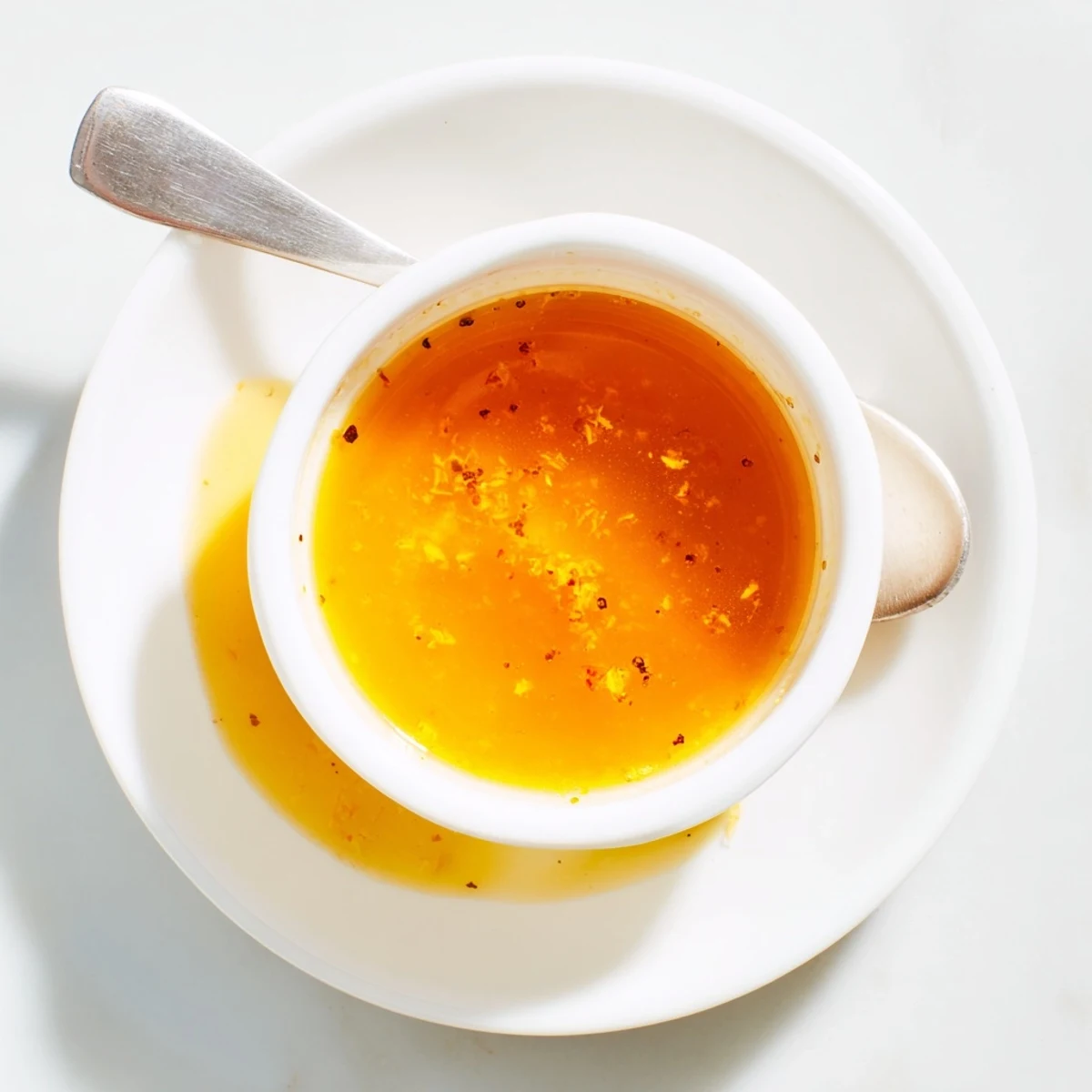
 There is something deeply satisfying about shaking a jar of homemade vinaigrette and watching it turn golden and thick before pouring it over something simple.
Pairings That Actually Work
I have drizzled this over grilled asparagus, used it as a quick marinade for salmon, and even tossed it with roasted carrots straight from the oven.
Storage and Make Ahead
The flavors actually improve after a day in the fridge because the zest infuses the oil and everything mellows into harmony.
Little Things That Make a Difference
The right tools turn a ten minute task into a five minute one and the results are noticeably better.
- A microplane catches just the fragrant outer layer of the orange peel without any bitterness.
- A jar with a tight lid means you can shake to re emulsify instead of dirtying a whisk every time.
- Always let refrigerated vinaigrette sit at room temperature for fifteen minutes before serving so the oil flows freely again.
 Save to Pinterest
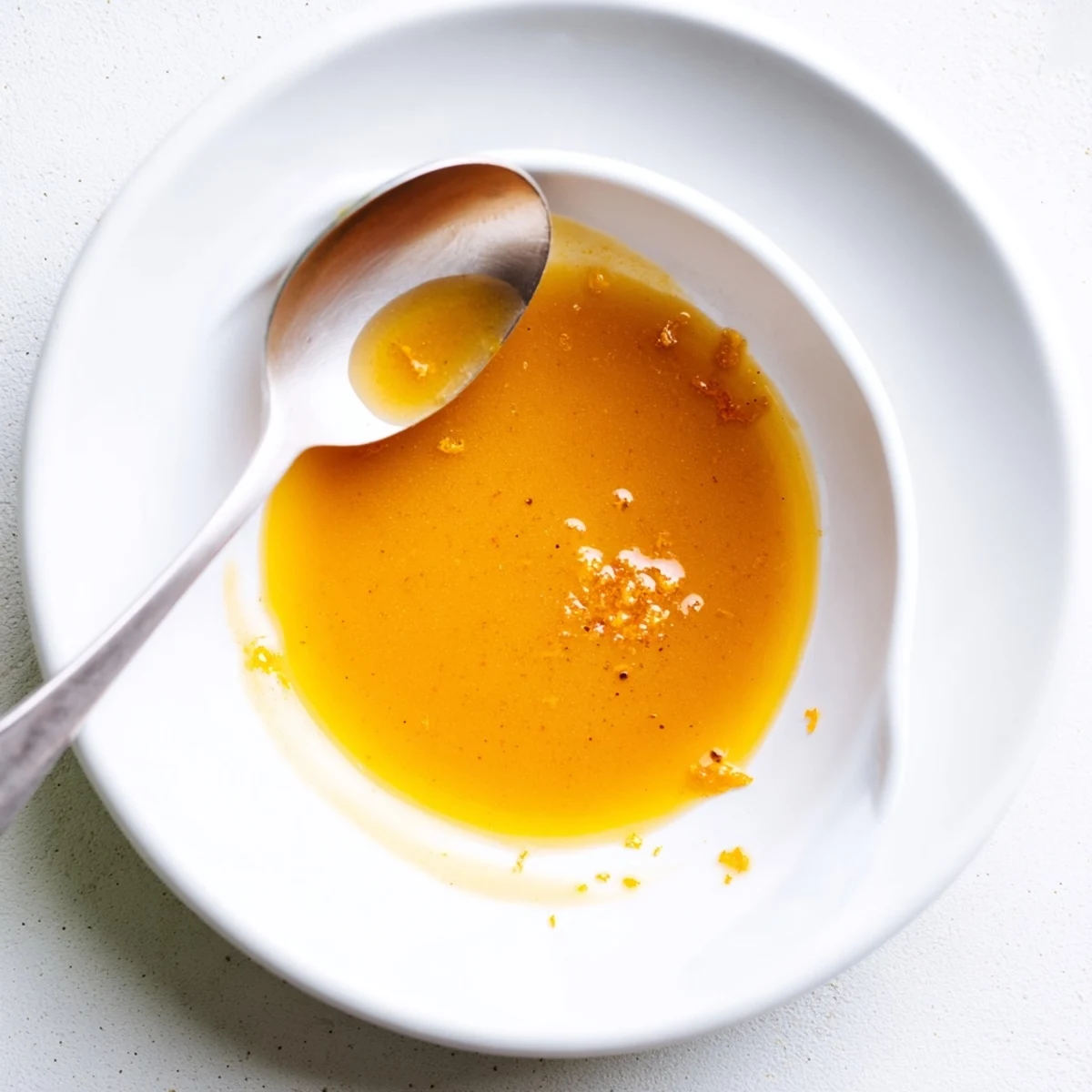
 Keep a jar of this in your fridge and you will never reach for store bought dressing again. It is the simplest way to make everything on your plate taste intentional.
Your Recipe Questions Answered
- → How long does homemade orange vinaigrette last?
-
Stored in an airtight container in the refrigerator, this vinaigrette stays fresh for up to 5 days. The oil may solidify when cold—simply let it sit at room temperature for 10 minutes or give it a quick whisk before serving.
- → Can I substitute the white wine vinegar?
-
Champagne vinegar works beautifully for a lighter taste. Apple cider vinegar adds fruity notes, while sherry vinegar provides depth. Lemon juice can replace portions of vinegar for sharper acidity.
- → What's the best way to emulsify this dressing?
-
Whisk vigorously while slowly drizzling the olive oil in a thin stream. This gradual incorporation creates small droplets that disperse evenly, resulting in a creamy, stable emulsion that won't separate quickly.
- → Can I make this without mustard?
-
Mustard helps emulsify and adds subtle depth. To omit, blend the ingredients with an immersion blender instead, or add ½ teaspoon mayonnaise as an alternative emulsifying agent.
- → What dishes pair best with this vinaigrette?
-
It complements bitter greens like arugula and radicchio, shines over grilled asparagus or snap peas, and creates a lovely glaze for seared salmon or shrimp. Also excellent as a marinade for white fish.
- → How can I adjust the sweetness?
-
Start with 1 tablespoon honey, then taste. Oranges vary in sweetness—add more honey gradually if your batch seems too tart. For savory dishes, reduce honey to ½ teaspoon.