
 Save to Pinterest
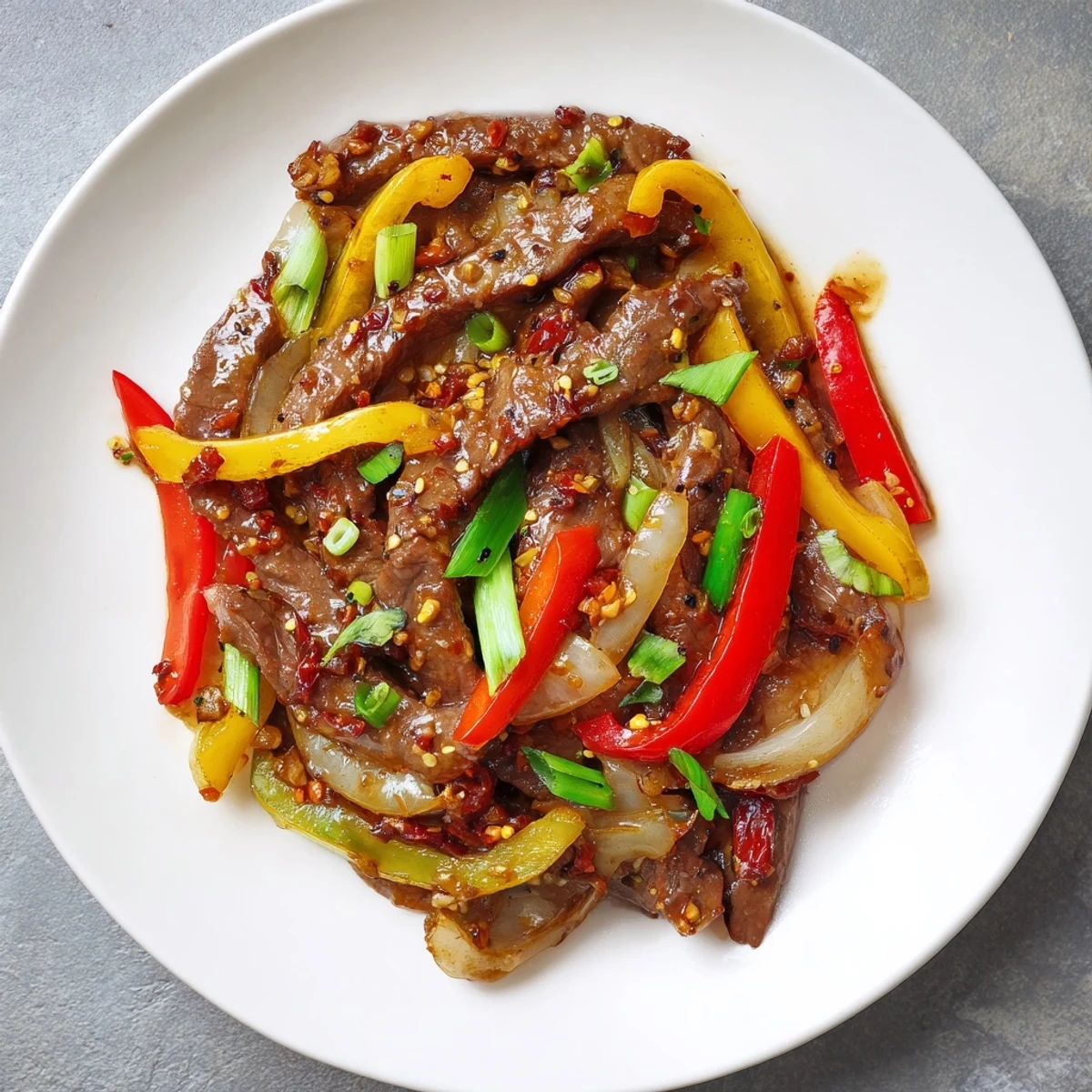
 This dish features tender strips of flank steak marinated in soy and Shaoxing wine, stir-fried quickly with garlic, ginger, and fresh bell peppers. A rich, spicy Szechuan sauce made from chili bean paste, soy, vinegar, and toasted peppercorns coats everything, delivering a tongue-tingling heat. Adding roasted peanuts or cashews introduces a crunchy contrast. Ready in just over half an hour, it’s perfect served with jasmine or basmati rice to balance the bold flavors.
I still remember the first time I tasted authentic Szechuan beef at a small family-run restaurant in a bustling market district. The moment those Szechuan peppercorns touched my tongue, there was this electric, tingling sensation that felt almost magical—nothing like the heat I was used to. Years later, I finally cracked the code in my own kitchen, and now this dish is my go-to when I want to impress without spending hours cooking. It's bold, it's quick, and somehow it tastes even better than my memory of that first encounter.
I made this for my partner one rainy evening when we were both exhausted from work, and I wanted to prove that homemade could rival any restaurant. When they took that first bite and their eyes lit up with surprise, I knew I'd finally gotten it right. Now whenever they want something special but quick, this is what they ask for—it's become our little weeknight celebration dish.
Ingredients
- Flank steak, thinly sliced against the grain: Slicing against the grain is the secret to tender beef in stir-fries—it shortens the muscle fibers so every bite melts in your mouth rather than feels chewy. I learned this the hard way after my first soggy, tough attempt.
- Light soy sauce and Shaoxing wine for the marinade: These work together to tenderize the beef gently while building flavor from the inside out. The wine adds a subtle sweetness that balances the salt beautifully.
- Cornstarch in the marinade: This creates a silky coating that helps the beef stay moist and gives the sauce something to cling to. Don't skip it—it makes a real difference.
- Szechuan peppercorns, toasted and ground: Toast them in a dry pan for about a minute until fragrant, then grind them yourself. This is non-negotiable for that authentic numbing sensation. Pre-ground versions lose their magic.
- Chili bean paste (Doubanjiang): This is the umami backbone of the sauce. It's spicy, fermented, and adds a depth that no other ingredient can replicate. Find it in Asian markets or online.
- Red and green bell peppers: They add sweetness, crunch, and color to cut through the richness. Slice them thin so they stay crisp and fresh-tasting.
- Fresh garlic and ginger: Mince these finely and add them together so they bloom in the oil without burning. They're the aromatic heart of this dish.
- Vegetable oil for cooking: Use a neutral oil with a high smoke point like peanut or avocado oil—you need the heat to get that proper stir-fry sear.
Instructions
- Marinate the beef while you prep everything else:
- Toss your thinly sliced beef with the light soy sauce, Shaoxing wine, cornstarch, and sesame oil in a bowl. Give it a good stir so every piece gets coated. Let it sit for at least 15 minutes while you slice your vegetables and mix your sauce. This small step is what transforms ordinary beef into something silky and tender.
- Mix your Szechuan sauce and have it ready:
- In a small bowl, whisk together both soy sauces, rice vinegar, chili bean paste, hoisin, sugar, ground Szechuan peppercorns, red pepper flakes, and water. Stir it smooth and set it aside. Having this ready before you start cooking is crucial because once the wok gets hot, everything happens fast.
- Sear the beef quickly over high heat:
- Heat 1 tablespoon of oil in your wok or large skillet until it's smoking just slightly. Add the marinated beef in a single layer and let it sit for about 30 seconds so it gets a golden crust. Then stir-fry for about 1 minute more until it's just browned on the outside but still pink inside. This is the hardest part to get right because you want it cooked through by the end, but starting it slightly underdone gives you buffer room. Remove it to a plate and take a breath—you're halfway there.
- Build the flavor base with aromatics:
- Add another tablespoon of oil to the wok and immediately add your minced garlic and ginger. You'll smell it bloom within seconds—that's when you know it's working. Stir constantly for about 30 seconds so it doesn't burn. Then add your sliced onions and keep moving things around the pan.
- Cook the vegetables until just tender:
- Add your bell pepper strips and spring onion pieces. Keep the heat high and keep everything moving. You want them to stay bright and crisp, not soft and mushy. This should take about 2 to 3 minutes—they should still have a slight snap when you taste a piece.
- Bring everything together with the sauce:
- Return the beef to the wok and immediately pour in your Szechuan sauce. Stir everything constantly so the sauce coats every piece of beef and vegetable. You'll see it starting to thicken and cling to everything—this is the moment when it really comes alive.
- Add nuts if using and finish strong:
- Stir in your roasted peanuts or cashews if you're using them for extra crunch and richness. Cook for another minute or two until the sauce is glossy and everything is heated through. Taste it quickly and adjust the spice level if needed before serving.
- Serve immediately with rice:
- Plate it up right away over steamed rice while everything is still hot and the vegetables are crisp. The longer it sits, the soggier it gets.
 Save to Pinterest
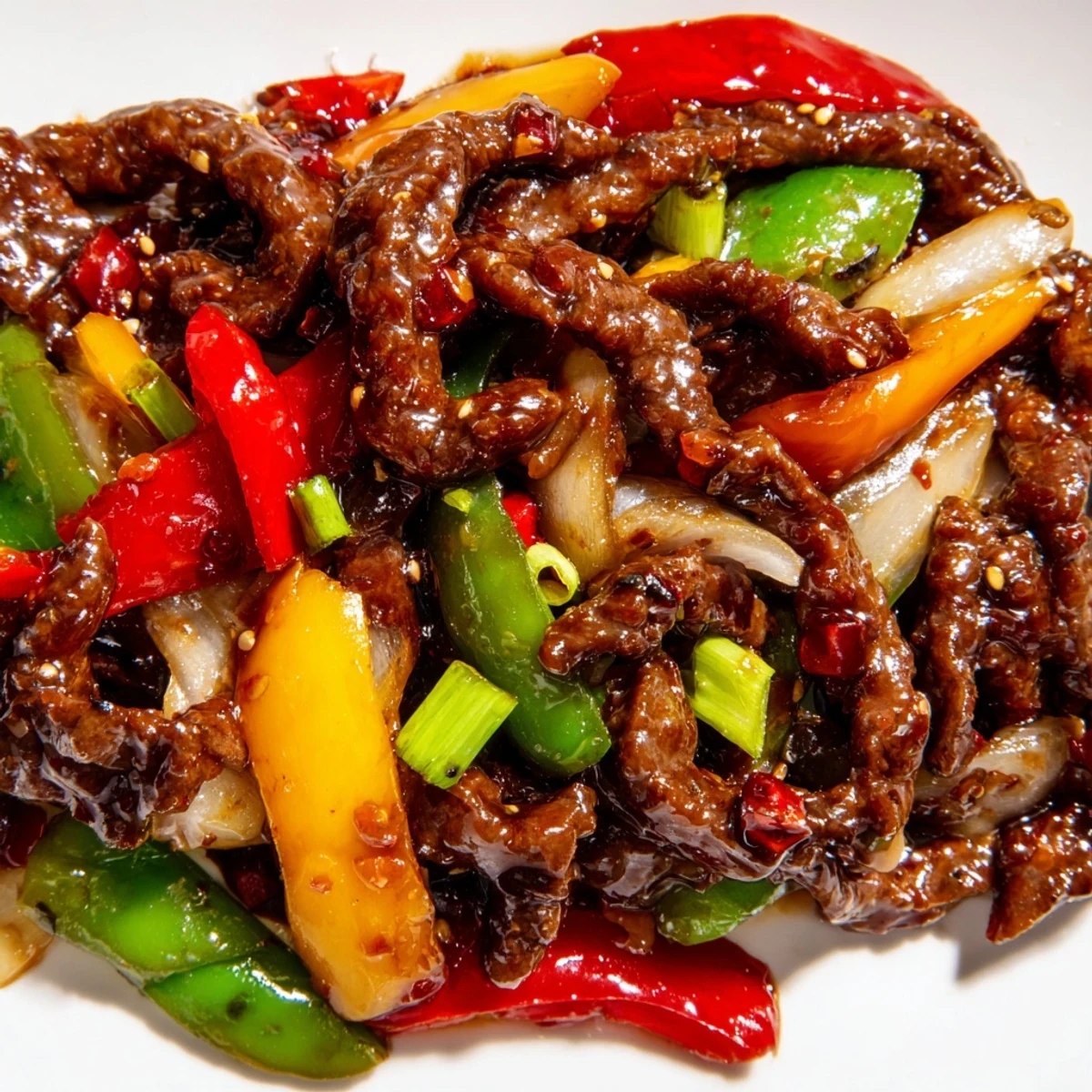
 There's something about the sizzle and steam rising from the wok that reminds me why I fell in love with cooking in the first place. When my kitchen filled with that incredible aroma—ginger, garlic, and chili all dancing together—I felt like I'd brought a piece of that bustling market right into my home. That's the magic of this dish: it's not just food, it's a sensory experience that transports you somewhere exciting.
Mastering the Wok Technique
The wok is your friend in this recipe, but only if you treat it right. High heat is essential—the whole point of a wok is that concentrated, intense heat that gets everything cooked quickly while keeping textures intact. If your heat isn't high enough, your vegetables will turn mushy and your beef will toughen up. Make sure your pan is fully heated before you add anything, and don't be afraid of a little smoke. That's actually a sign you're doing it right. Keep a wooden spoon or spatula moving constantly so nothing sticks or burns. It might feel chaotic at first, but after you do this a couple times, it becomes second nature.
Adjusting the Heat to Your Preference
Szechuan cuisine is known for being bold and spicy, but that doesn't mean it has to blow your head off. The beauty of making this at home is that you control the heat level. The Szechuan peppercorns give you that numbing tingle regardless of how much chili you add, so don't think you need to max out the heat to get authentic flavor. Start with the amount of red pepper flakes called for, taste it, and adjust from there. I've learned that a little more chili bean paste actually adds more flavor than more heat, so if you want deeper taste without more spice, go that route instead. Your future self eating leftovers will thank you.
Pairing and Storage Wisdom
This dish is absolutely stunning over jasmine or basmati rice, but it's also amazing with cauliflower rice if you're keeping things lighter. The sauce soaks in beautifully and makes every grain taste incredible. Leftovers keep for about three days in the fridge and reheat nicely in the wok with a splash of water to refresh the sauce. You can also meal prep the components separately—marinate the beef, prep your vegetables, and mix your sauce all ahead of time, then just cook it when you're ready to eat. That way you get that restaurant quality without any of the stress on the actual cooking day.
- Store marinated beef in the fridge for up to 8 hours—any longer and it gets mushy.
- Pre-made sauce keeps for up to a week in a sealed container, so you can make a double batch for quick stir-fries later.
- Always have your rice or preferred grain ready before you start cooking, since the whole dish comes together in minutes.
 Save to Pinterest
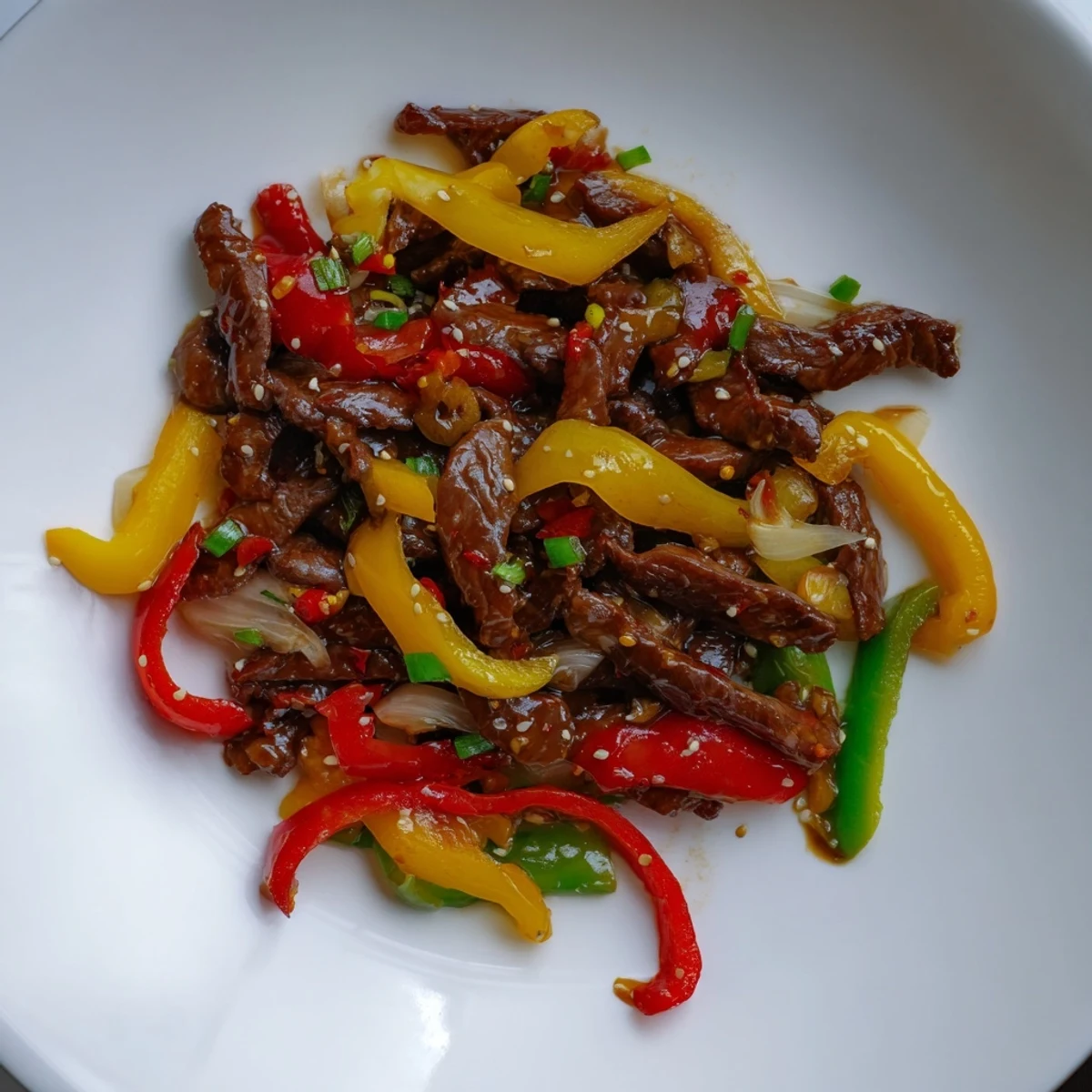
 This Szechuan beef has become the dish I turn to when I want to show love through cooking without spending hours in the kitchen. It never fails to impress, and every time I make it, I'm reminded why simple, quality ingredients and proper technique matter so much.
Your Recipe Questions Answered
- → How do I achieve tender beef in this stir-fry?
-
Thinly slice flank steak against the grain and marinate it with soy sauce, Shaoxing wine, and cornstarch to tenderize before cooking quickly over high heat.
- → What gives this dish its signature spicy flavor?
-
The combination of chili bean paste, toasted Szechuan peppercorns, and crushed red pepper flakes creates the dish’s distinctive, tongue-tingling heat.
- → Can I use different nuts in the stir-fry?
-
Yes, roasted peanuts are traditional, but cashews provide a nice alternative crunchy texture and complement the flavors well.
- → What vegetables work best in this preparation?
-
Bell peppers, spring onions, and yellow onions add vibrant color and a balance of sweetness and sharpness to the dish.
- → Is there a gluten-free option for the sauces?
-
Using tamari in place of soy sauce and ensuring all sauces are gluten-free provides a safe alternative without compromising flavor.