
 Save to Pinterest
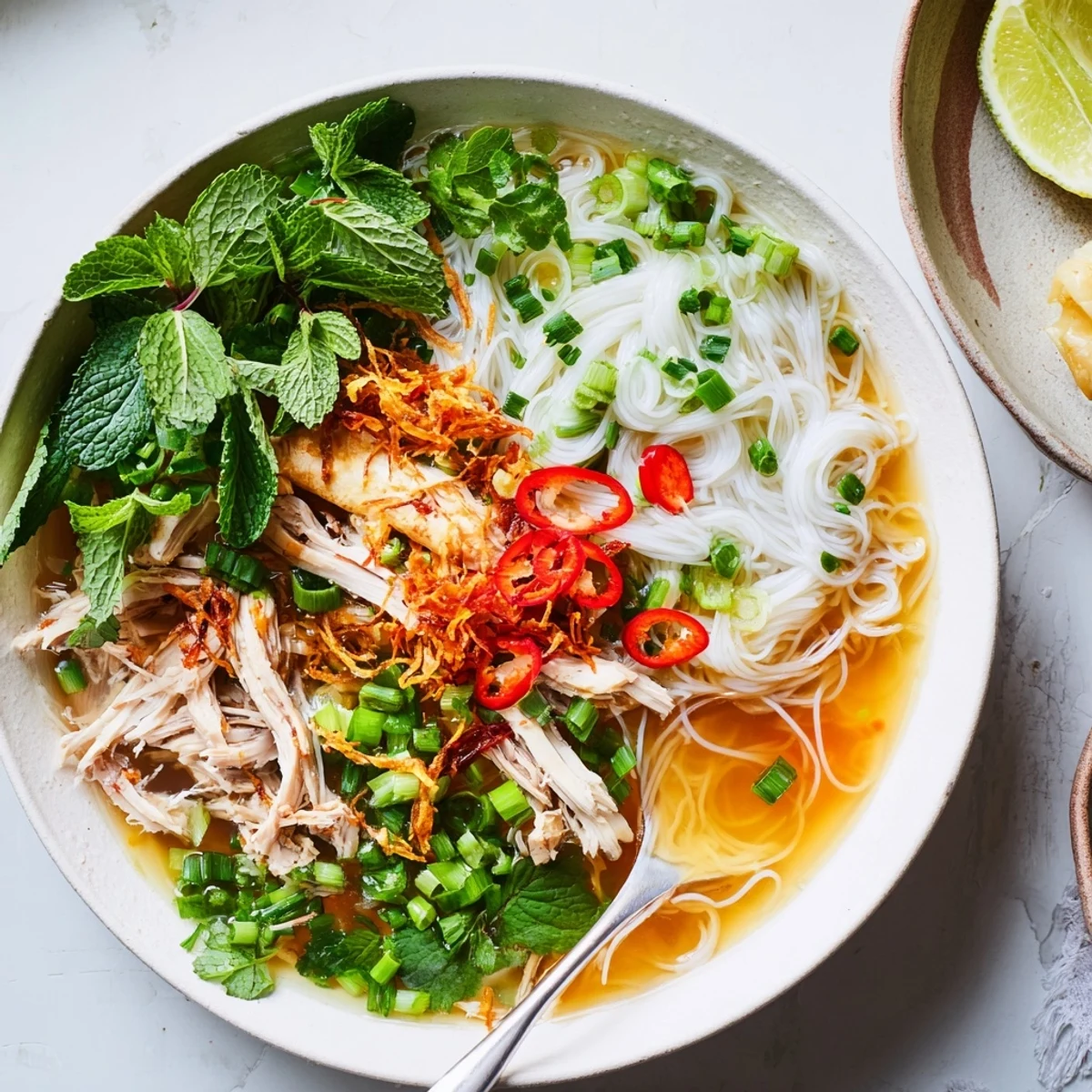
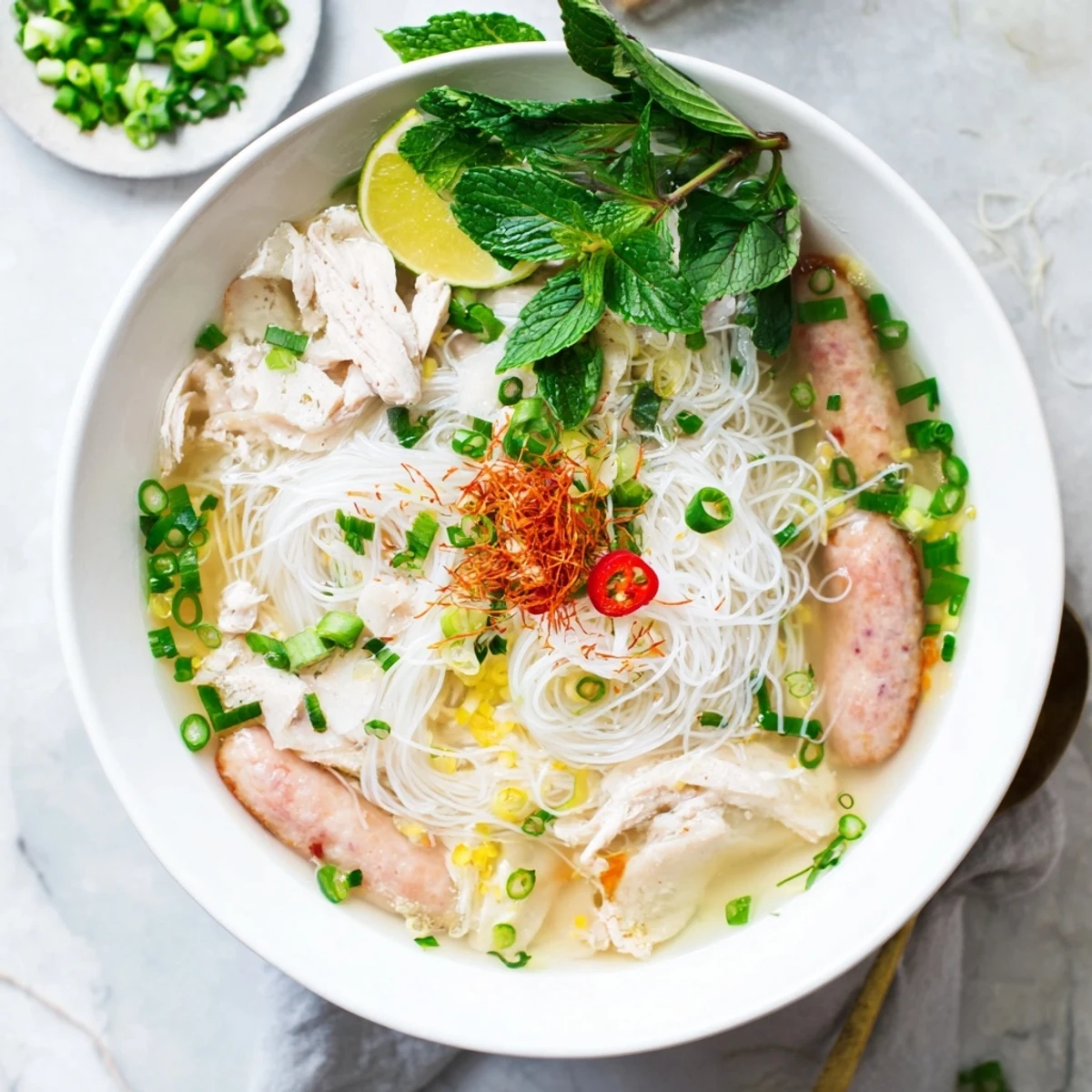
 Bun Thang represents the culinary artistry of Hanoi, combining delicate textures and layered flavors in one comforting bowl. This specialty features thin ribbons of silky egg crepe, tender shredded chicken, and savory pork sausage arranged over rice vermicelli noodles, all submerged in a crystal-clear broth simmered with onion and ginger. The dish balances umami-rich fish sauce with subtle sweetness from rock sugar, while fresh herbs like cilantro, mint, and Vietnamese coriander add brightness. Each spoonful delivers harmony between the warming broth, satisfying proteins, and refreshing garnishes, making it perfect for a nourishing meal that tastes of authentic Vietnamese tradition.
My tiny kitchen apartment in Hanoi had this window that overlooked a grandmother making bun thang every morning. I'd watch her hands move through the shredding and slicing, creating this elaborate soup with such quiet precision. When I finally tried making it myself, I understood why this dish represents Hanoi cooking at its finest—balance, patience, and incredible attention to detail in every bowl.
I served this for my family's Lunar New Year celebration last year, and my aunt actually stopped talking mid-conversation at first taste. She kept asking what was in the broth, and I had to confess it was just chicken, ginger, onion, and time. That moment of watching someone discover something so simple yet so extraordinary is exactly why I love Vietnamese cooking.
Ingredients
- Whole chicken: The foundation of both broth and protein, so choose a quality bird about 3 pounds
- Yellow onion and ginger: These aromatics get added directly to the broth, no charring needed for this delicate soup
- Rock sugar: Subtle sweetness that balances fish sauce, regular sugar works too but rock sugar dissolves more slowly
- Fish sauce: Use a good quality brand like Red Boat or Three Crabs for the cleanest flavor
- Vietnamese pork sausage (gio lua): This silky steamed pork loaf is essential for authentic texture
- Eggs: Made into thin crepes then julienned, they add delicate ribbons throughout the bowl
- Rice vermicelli (bun): Thin vermicelli noodles work best here, soak them before cooking
- Fresh herbs: The combination of mint, cilantro, and rau ram is non-negotiable for authentic flavor
Instructions
- Simmer the broth base:
- Place chicken, onion, ginger, and water in a large pot and bring to a boil over high heat. Reduce heat to low and simmer, skimming foam and impurities that rise to the surface for a clear broth.
- Remove and shred the chicken:
- After 30 minutes, remove the chicken and set aside to cool. Continue simmering the broth with aromatics for another 45 minutes to develop depth.
- Season and strain the broth:
- Add salt, fish sauce, and rock sugar to the pot. Strain through a fine mesh strainer for absolute clarity and return to a clean pot.
- Prepare the egg crepes:
- Whisk eggs with salt and make thin crepes in a nonstick skillet over medium low heat. Stack and slice into fine julienne strips when cooled.
- Cook the noodles:
- Boil rice vermicelli according to package directions, then rinse thoroughly with cold water to stop cooking and prevent sticking.
- Prep all the toppings:
- Shred cooled chicken breast against the grain and slice Vietnamese pork sausage into thin matchsticks.
- Assemble each bowl:
- Layer noodles in bowls and arrange shredded chicken, egg ribbons, pork sausage, and fresh herbs on top. Ladle hot broth over everything and serve immediately.
 Save to Pinterest
 This soup became my go-to comfort food during a particularly difficult winter. There was something about the process—methodical and precise—that felt grounding, and the first sip of that fragrant broth made everything feel manageable again.
Making The Perfect Broth
The key to restaurant quality broth is skimming consistently during the first 15 minutes of boiling. Every bit of foam you remove translates to crystal clarity in the final bowl. I keep a small bowl of cold water nearby to rinse my skimmer periodically.
Mastering The Egg Crepe
Most home cooks make the mistake of cooking the eggs too long or making them too thick. You want them barely set, almost like a thin silk sheet. They should cook in under a minute per side and cool on a flat surface so they don't curl.
Serving And Enjoying
In Hanoi, this soup is typically served for lunch or as a light dinner. The broth should be piping hot but the toppings at room temperature for that signature contrast. Don't skip the lime wedges—that acid brightens the entire bowl.
- Have all ingredients prepped and ready before assembling
- Ladle the broth tableside if possible for the dramatic effect
- Keep extra fish sauce on the table for individual adjustment
 Save to Pinterest
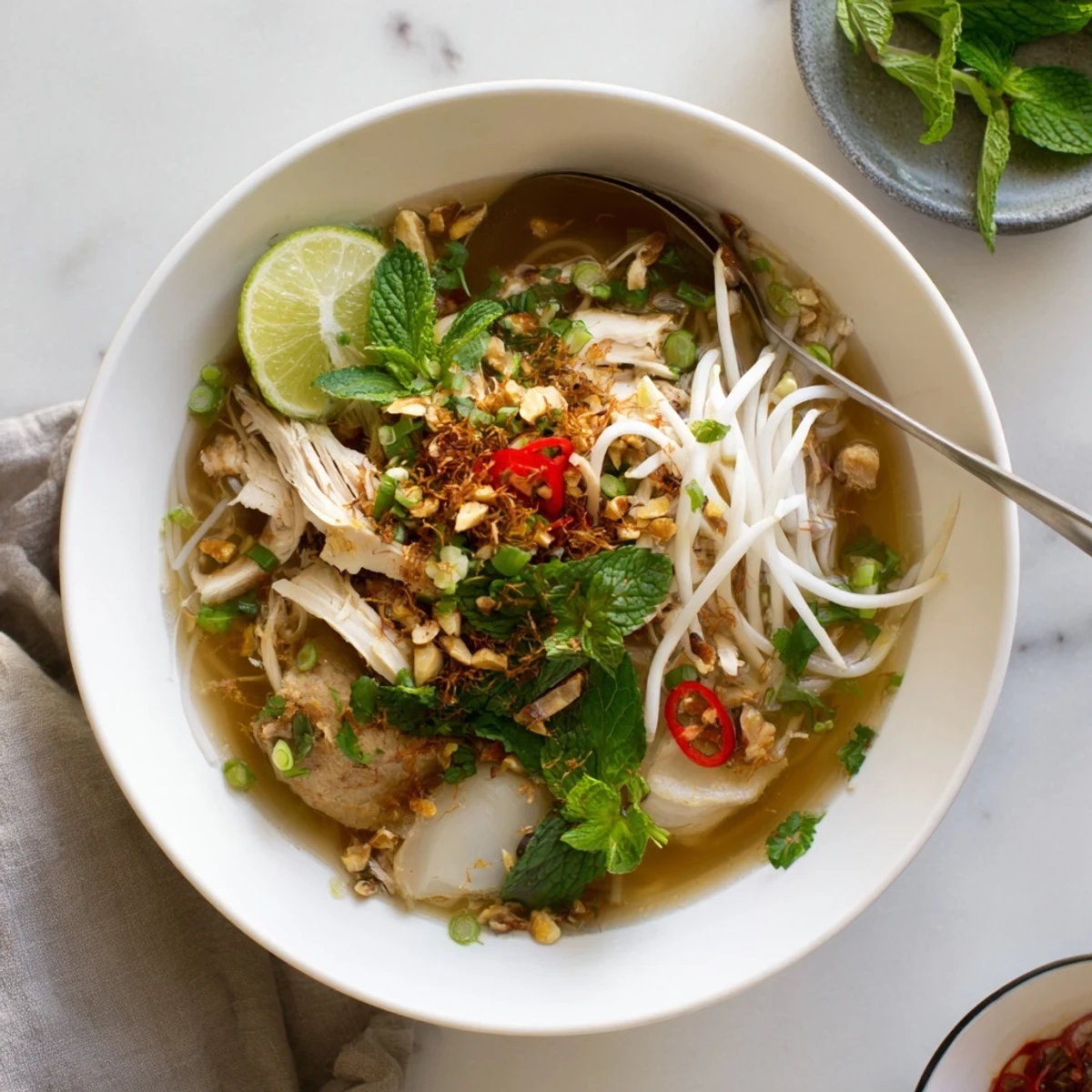
 There's something meditative about preparing all the components for this soup, each one requiring attention but coming together into something greater than the sum of its parts. That's the magic of bun thang.
Your Recipe Questions Answered
- → What makes Bun Thang different from other Vietnamese noodle soups?
-
Bun Thang stands out for its delicate presentation and clear broth, unlike the richer, spicier broths of other Vietnamese noodle dishes. The toppings are precisely cut into thin strips and arranged beautifully, reflecting Hanoi's refined culinary aesthetic with emphasis on balance and visual appeal.
- → Can I make the broth ahead of time?
-
Yes, the broth actually develops deeper flavor when made ahead. Prepare it up to 2 days in advance and refrigerate. The fat will solidify on top for easy removal if desired. Reheat gently before serving, and you may need to adjust seasoning with additional fish sauce or salt.
- → What can I substitute for Vietnamese pork sausage?
-
If gio lua is unavailable, you can use thinly sliced lean ham, steamed pork loin, or even roast pork. For a vegetarian option, try firm tofu sliced into strips and lightly pan-fried. The key is maintaining the thin, uniform strip shape for authentic presentation.
- → Why is the broth strained in this preparation?
-
Straining the broth ensures the crystal-clear appearance that defines authentic Bun Thang. This step removes clouding ingredients like cooked onion and ginger, along with any impurities. The result is a pristine, golden broth that allows the colorful toppings to shine through.
- → How do I prevent the egg crepe from tearing?
-
Use a well-seasoned nonstick skillet over medium-low heat and swirl the pan quickly to create an even, thin layer. Let the crepe set completely before attempting to flip—edges should release easily. Don't worry about small tears as they'll be sliced into strips anyway.
- → Is shrimp paste necessary for serving?
-
Shrimp paste (mam tom) is traditional but optional. It adds intense umami and depth for those accustomed to its strong flavor. First-time tasters might want to try it on the side, adding small amounts to adjust to its distinctive taste. Lime helps balance the paste's intensity.