
 Save to Pinterest
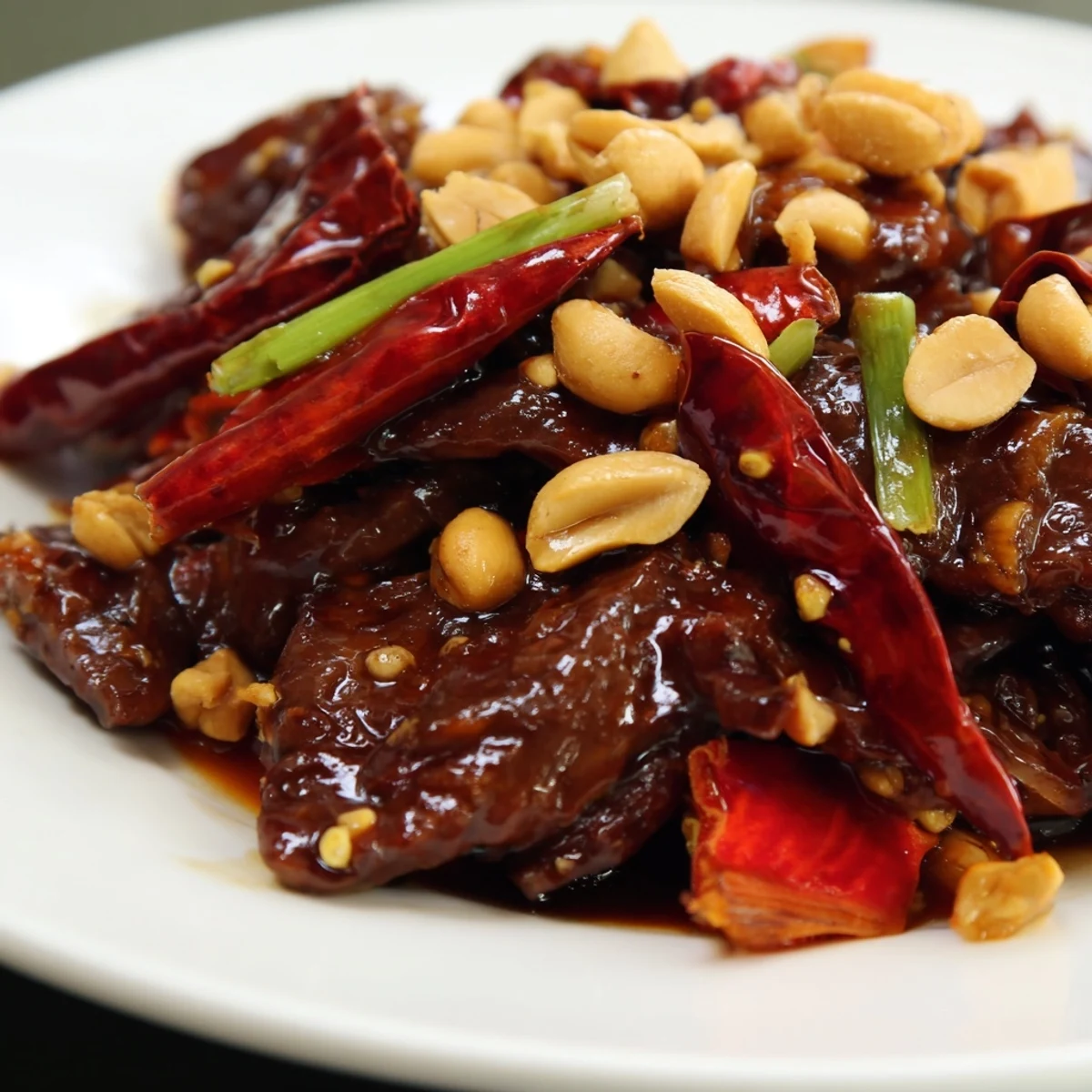
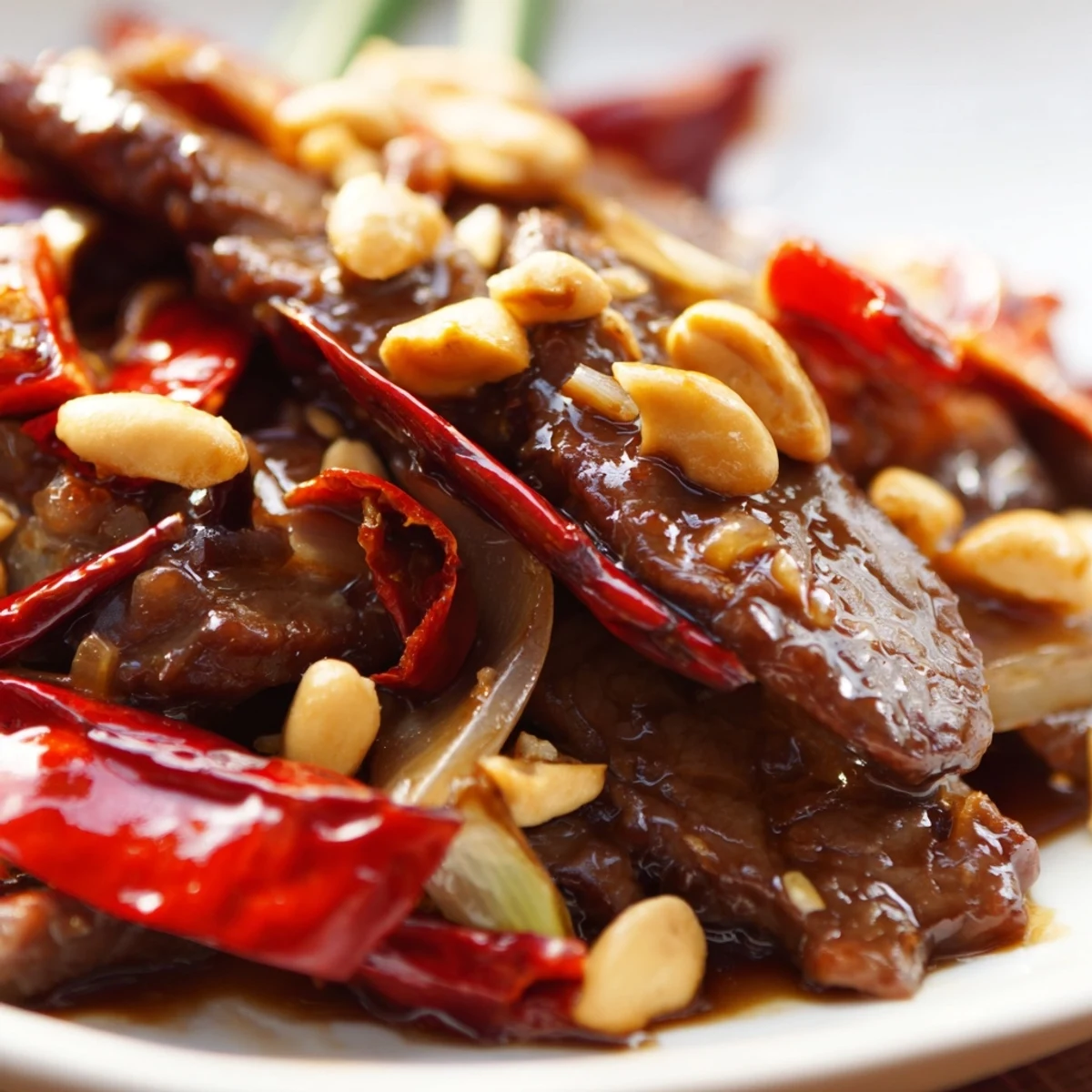
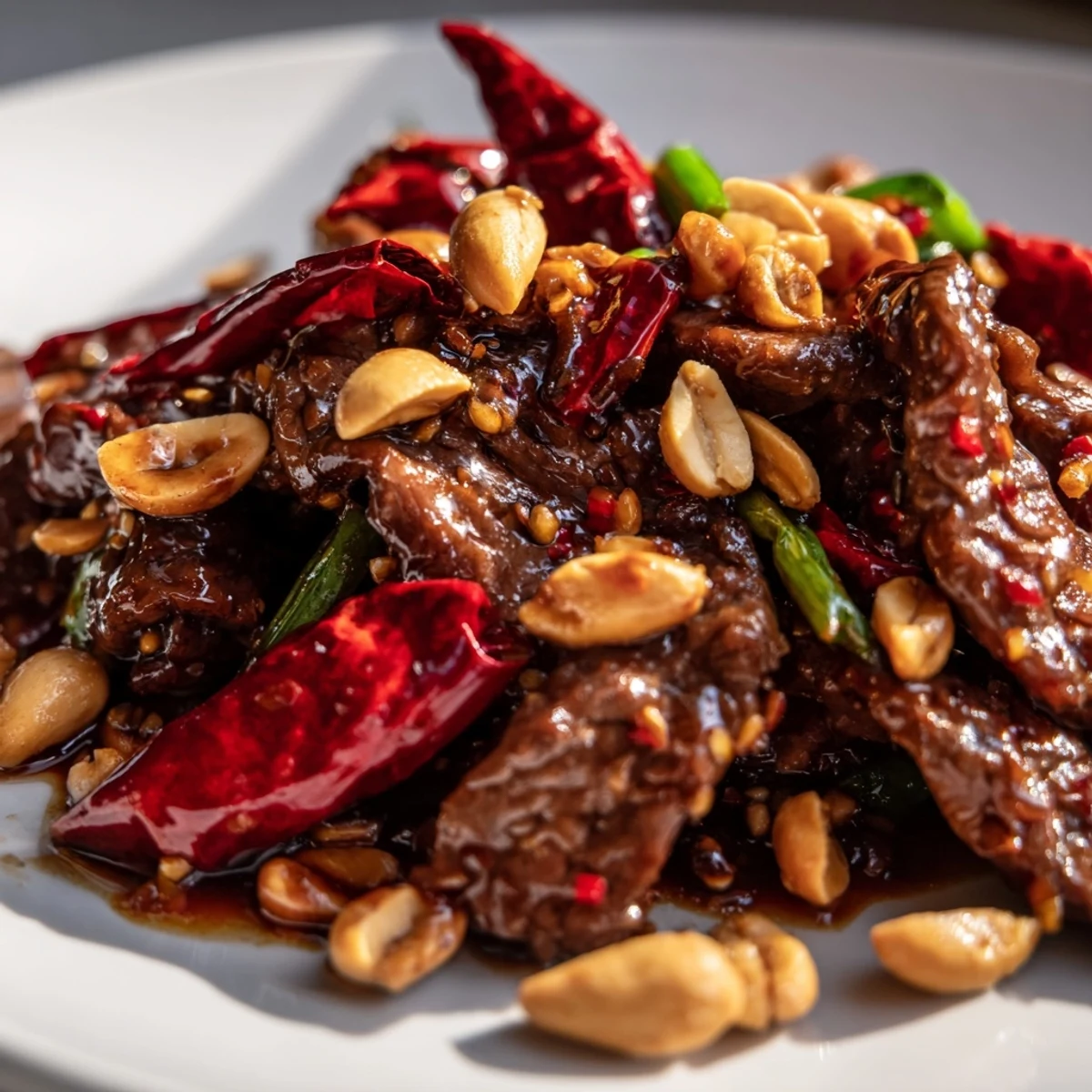
 This dish offers tender slices of beef marinated in soy sauce and Shaoxing wine, quickly stir-fried with aromatic garlic, ginger, and crisp vegetables. Infused with numbing Szechuan peppercorns and dried chilies, it delivers a vibrant, spicy kick balanced by a savory sauce made from hoisin and vinegar. Roasted peanuts add a satisfying crunch, making each bite a complex fusion of textures and bold flavors. Perfectly paired with steamed rice, it’s a lively main dish bringing authentic Chinese Szechuan elements to your table in under 40 minutes.
The first time I tasted authentic Szechuan beef was in a cramped kitchen in Chengdu, watching a chef work with the kind of casual confidence that comes from making the same dish a thousand times. What struck me most wasn't the heat—though my mouth certainly felt it—but the way the spices seemed to bloom and transform as I chewed, creating this numbing, tingling sensation I'd never experienced before. That lingering tingle from Szechuan peppercorns became my obsession, and I spent months trying to recreate that moment at home until I finally nailed it.
I made this for my partner on a random Tuesday night when we were both exhausted, and somehow those first bites transported us both back to that same trip to Chengdu—except we were sitting on our kitchen stools with cold beer instead of sitting in a restaurant. We barely talked while eating, just kept going back for more, and when we finished, they looked at me and said, 'You finally got it.' That's when I knew the recipe was ready to share.
Ingredients
- Flank steak, thinly sliced: Slicing against the grain is the secret to tender beef in a stir-fry; I use a partially frozen steak because it's easier to cut cleanly and the meat stays more tender during cooking.
- Soy sauce and Shaoxing wine: The marinade does half the work before the wok even heats up, seasoning the beef deeply and helping it brown faster.
- Szechuan peppercorns: These are the heart of the dish—they're not actually peppery but create that numbing, tingling sensation that makes this cuisine so addictive.
- Dried Szechuan chilies: Keep them whole if you like heat you can visually control, or break them in half if you want more scattered fire throughout the dish.
- Roasted peanuts: The crunch is essential; stale peanuts will ruin the texture, so taste them before adding if you've had them sitting around.
- Chinkiang vinegar: If you can't find it, rice vinegar works but adds less depth—Chinkiang has a slight sweetness and complexity that makes a real difference.
Instructions
- Marinate the beef quietly:
- Toss your sliced steak with soy sauce, Shaoxing wine, cornstarch, and pepper, then let it sit for 15 minutes while you prep everything else. The cornstarch creates a tiny protective layer that helps the meat brown beautifully instead of steaming.
- Mix your sauce ahead:
- Combine soy sauce, Chinkiang vinegar, hoisin, sugar, and sesame oil in a small bowl so it's ready to go when you need it. This is non-negotiable in stir-fry cooking—you can't pause mid-flame to mix a sauce.
- Sear the beef with confidence:
- Heat one tablespoon of oil until it's almost smoking, then lay the beef out in a single layer and leave it alone for a minute to develop color. Don't stir constantly; let each piece kiss the hot pan, then move it around. After 2 to 3 minutes, it should be browned on the outside but still tender inside—remove it immediately.
- Bloom the spices in oil:
- Add the remaining oil to the wok with the dried chilies and Szechuan peppercorns, stirring for just 30 seconds until the aroma hits you like a wave. Stop before they blacken; burnt spices taste bitter and ruin everything.
- Build flavor with aromatics:
- Toss in garlic, ginger, onion, and bell pepper, stirring constantly for 2 to 3 minutes until the vegetables soften slightly and the kitchen smells almost overwhelming in the best way. You should hear the sizzle and see a little caramelization on the pepper edges.
- Bring everything together:
- Return the beef to the wok, pour in that sauce you mixed earlier, and toss everything until it's glossy and coated. The sauce should cling to the beef and vegetables, and everything should look vibrant and alive.
- Finish with fresh elements:
- Add scallions and peanuts, toss for one more minute until the whole dish is heated through and glistening. Serve immediately with steamed rice to cool down the heat and let the flavors shine.
 Save to Pinterest
 I've served this dish at countless dinner parties, and what amazes me is how quickly people's eyes widen when they feel that first tingle on their tongue—it's like watching someone discover a sense they didn't know they had. There's something about Szechuan food that breaks down the usual dinner party formality and makes everyone lean in closer, more animated, more present.
The Szechuan Peppercorn Story
When I first started cooking this dish, I thought Szechuan peppercorns were just a spicy ingredient, but they're completely different from black pepper or chili heat. They contain hydroxy-alpha sanshool, a compound that literally makes your mouth go numb in this strange, almost pleasant way that keeps you coming back for more—it's not a burn, it's more like your mouth is being gently electrocuted in the best possible way. Once you understand that they're creating a sensation rather than just adding heat, you start respecting them differently and using them with more intention.
Why Timing Matters in Stir-Fry
The first time I made this dish, I tried to be gentle and cook everything slowly, thinking it would be more tender—instead, everything came out soft and mushy and tasted steamed rather than fried. I learned that stir-frying is about speed and high heat creating contrast; the beef needs to stay rare inside while browning outside, the vegetables need to keep their texture, and the sauce needs to coat everything in a glossy layer without breaking down. Now I prep obsessively so that once the wok heats up, I can move through each step with confidence and timing.
Customizing Heat and Flavor
This recipe is written for a medium heat level, but the beauty of making it at home is adjusting it to your exact tolerance. I've made versions for people who can't handle anything spicy—I use just 4 or 5 whole dried chilies that I remove after blooming, plus maybe half the peppercorns—and versions for friends who think this is still too mild and want double everything. The flavor profile stays true as long as you respect the Szechuan peppercorns; the chilies are just there to amplify the heat.
- For milder versions, remove the whole dried chilies after they've bloomed in the oil to infuse the flavor without leaving raw heat.
- If you want more crunch and freshness, add water chestnuts, snap peas, or baby bok choy in the final minute.
- Pair with jasmine tea or a light lager to cool your mouth between bites and let the complex spice notes come through.
 Save to Pinterest
 This dish taught me that you don't need complicated techniques to create restaurant-quality food at home—you just need respect for your ingredients, a hot enough pan, and the confidence to let the spices do what they're meant to do. I hope it brings you as much joy as it's brought to my kitchen.