
 Save to Pinterest
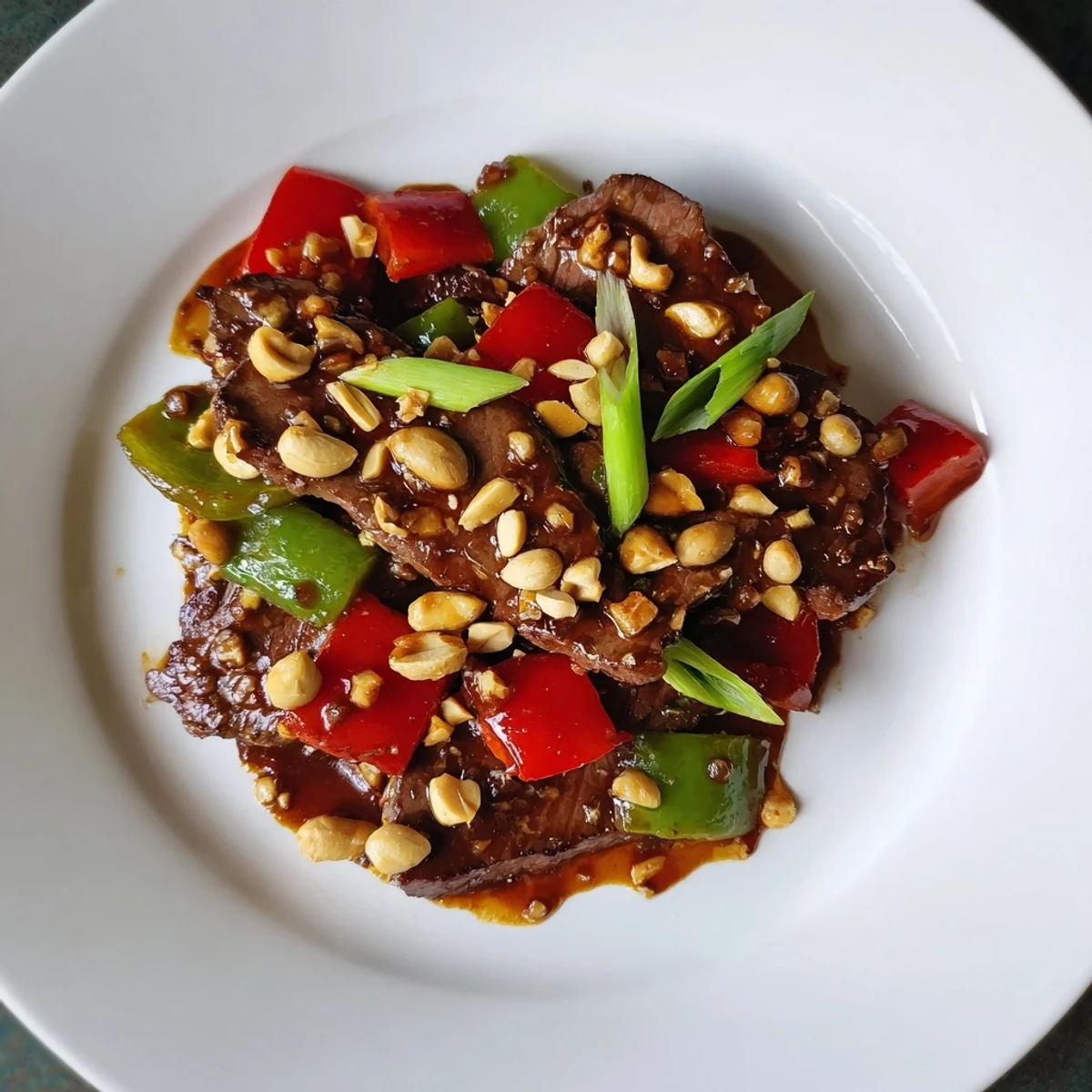
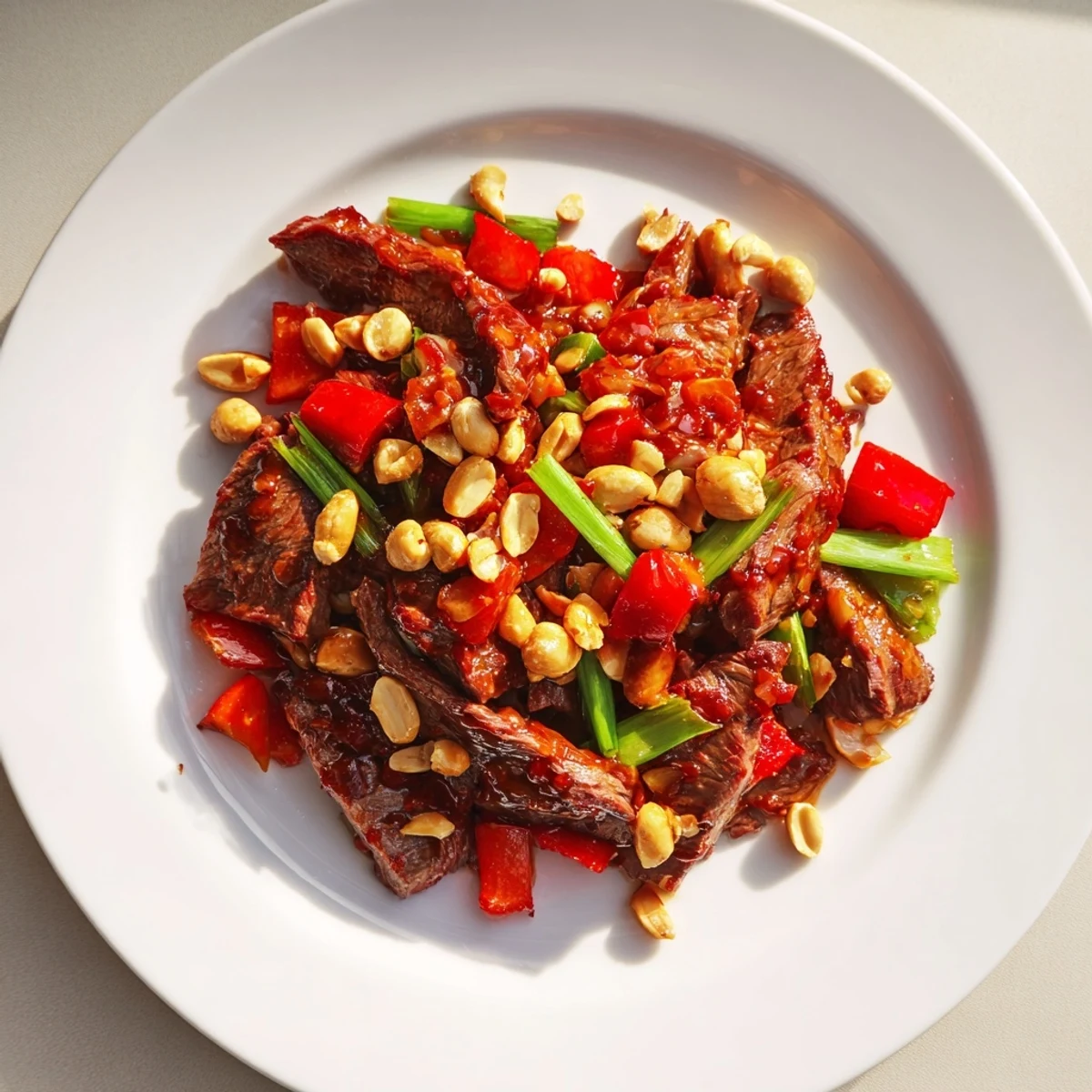
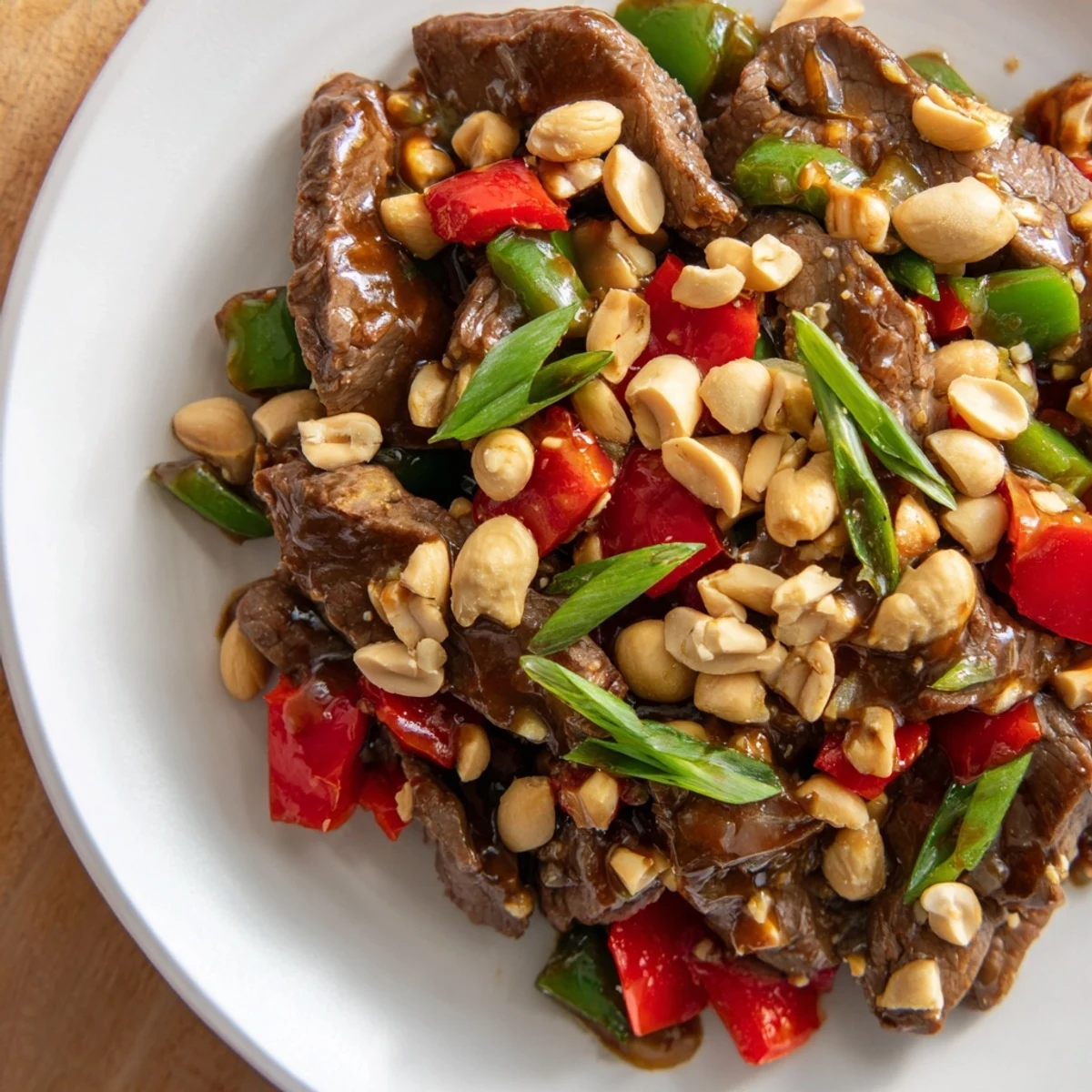
 This vibrant Sichuan-inspired stir-fry features thinly sliced beef marinated for tenderness, combined with crisp red and green bell peppers, aromatic garlic, ginger, and spring onions. A savory sauce made from soy, vinegar, hoisin, and sesame oil brings a rich, spicy kick, while roasted peanuts add satisfying crunch. Quick to prepare, this dish balances bold spice and savory notes, perfect served hot alongside steamed rice.
There's a moment in every cook's life when they taste something that rewires their brain. Mine came on a humid summer afternoon at a tiny Sichuan restaurant, where a cloud of chili oil and the tingle of numbing peppercorns made everything else fade away. I spent months chasing that feeling in my own kitchen, adjusting heat levels and sauce ratios until I landed on this Kung Pao beef—tender, spicy, and alive with layers of flavor that somehow taste both ancient and exciting.
I made this for my sister on a night she'd had a rough week, and watching her eyes light up at that first spoonful told me everything. She asked for the recipe before she'd even finished eating, which is basically the highest compliment in our family. Now it's the dish I turn to when I want to cook something that feels indulgent but isn't pretentious—food that announces itself loudly and unapologetically.
Ingredients
- Flank steak: Slice it thin against the grain and the beef will be tender rather than chewy—this one trick changes everything, and it's worth taking the time to do it right.
- Soy sauce: Use both regular and dark soy; the dark adds depth and a subtle sweetness that regular soy can't quite capture alone.
- Shaoxing wine: If you can't find it, dry sherry works, but Shaoxing adds a specific warmth that feels authentic to the dish.
- Sichuan peppercorns: They create a tingling numbness on your tongue that's addictive and crucial to the real flavor profile.
- Dried red chilies: Remove the seeds if you prefer gentler heat, but don't skip them entirely—they infuse the oil with flavor beyond just spice.
- Roasted peanuts: Unsalted is key so you control the final salt level; toast them fresh if you have time, though quality roasted ones from a good source work beautifully.
- Rice vinegar: The brightness here keeps the sauce from feeling heavy, balancing all that richness and umami.
- Sesame oil: Just a touch added at the end brings a toasted aroma that makes people lean in close to smell their plate.
Instructions
- Marinate the beef:
- Toss your thinly sliced beef with soy sauce, Shaoxing wine, and cornstarch, then let it sit for 10 minutes. This isn't just seasoning—the marinade tenderizes the meat and helps it brown faster and more evenly when it hits the heat.
- Mix your sauce:
- Whisk together soy, dark soy, rice vinegar, hoisin, sugar, sesame oil, water, and cornstarch in a bowl and set it aside. Having this ready means you won't scramble when everything else is cooking at high speed.
- Sear the beef:
- Heat 1½ tbsp oil in your wok or largest skillet over high heat until it's smoking slightly, then add the beef in a single layer. Let it sit undisturbed for 1–2 minutes so it develops a golden crust, then remove it and set aside—it will finish cooking later when it returns to the pan.
- Bloom the aromatics:
- Add the remaining oil to your wok and stir-fry the dried chilies and Sichuan peppercorns for about 30 seconds until the kitchen smells like a spice market. Don't walk away—you want fragrance, not burnt chilies.
- Build the flavor base:
- Add your minced garlic, ginger, and the white parts of the spring onions, stirring constantly for a minute. You'll feel the heat release those aromatics and know you're on the right track when the smell intensifies.
- Cook the vegetables:
- Toss in your diced bell peppers and let them cook for 2–3 minutes until they're bright and just starting to soften but still have some snap. Timing matters here—overcooked peppers turn mushy and lose their vibrant personality.
- Bring it together:
- Return the beef to the wok, pour in your sauce, and stir everything constantly for 1–2 minutes. You'll see the sauce thicken and cling to every piece—that's when you know the cornstarch has done its job.
- Final flourish:
- Add the peanuts and green parts of the spring onions, toss everything together with a few quick flicks of your wrist, then pull it off the heat. Serve immediately while everything is hot and the textures are still distinct.
 Save to Pinterest
 The real magic of this dish hit me when a friend who claimed to not enjoy spicy food ate an entire plate and asked if she could come back next week. It reminded me that sometimes what people think they don't like is just a matter of balance—heat paired with sweetness, richness, and umami becomes irresistible rather than punishing.
Controlling the Heat
This recipe walks a line between spicy and accessible, but the heat is completely in your hands. If you love fire, keep the chili seeds in and add an extra dried chili or two—the Sichuan peppercorns will amplify the sensation across your whole mouth rather than just burning your tongue. For milder preferences, remove all the seeds and use fewer chilies, but I'd still encourage keeping a couple of chilies blooming in the oil for flavor rather than heat; they add a smoky, fruity undertone that nothing else can replicate.
Why This Technique Works
High heat and quick cooking are non-negotiable in stir-fry—they're what keep vegetables crisp and beef tender instead of turning everything into a soft, sad pile. The reason you bloom the spices and aromatics in oil is that heat releases their essential oils, which is where all the flavor actually lives. If you just tossed them in cold, they'd hide in the background, but those 30 seconds in hot oil makes them announce themselves across every bite.
Serving and Pairing
Serve this over steamed rice, and the rice will soak up all that gorgeous sauce like it was meant for each other. A crisp, slightly sweet white like Riesling cuts through the heat beautifully, or if you prefer tea, jasmine's floral notes offer a gentle counterpoint to the spice. For a lighter option, you could serve it over cauliflower rice or noodles, and the dish adapts to whatever you're in the mood for.
- If you make this ahead, store the sauce and cooked beef separately from the vegetables and peanuts, then combine everything fresh just before serving.
- Leftover rice absorbs the flavors overnight and becomes something almost better than the first night—cold stir-fried beef over fried rice is a breakfast revelation.
- Have all your ingredients prepped and waiting before you start cooking; stir-frying waits for no one, and prep time is your insurance policy against chaos.
 Save to Pinterest
 This is the kind of dish that reminds you why you cook in the first place: not for complexity, but for those moments when flavors align perfectly and everyone at the table goes quiet because they're too busy eating. Make it often, adjust it fearlessly, and before long it won't just be a recipe—it'll be yours.
Your Recipe Questions Answered
- → How can I adjust the spice level?
-
Reduce or remove dried chili seeds and Sichuan peppercorns to lower heat, or add more for extra spiciness.
- → What can I substitute for beef?
-
Chicken or tofu can be used as alternatives for a different protein while maintaining texture and flavor.
- → Which cooking oil works best?
-
Vegetable or peanut oil is ideal for stir-frying due to their high smoke points and neutral flavor.
- → Can I prepare this dish ahead of time?
-
Marinate the beef in advance and chop vegetables beforehand, but stir-fry fresh for best texture and taste.
- → What sides complement this dish well?
-
Steamed jasmine or brown rice pairs wonderfully, along with light drinks like chilled Riesling or jasmine tea.