
 Save to Pinterest
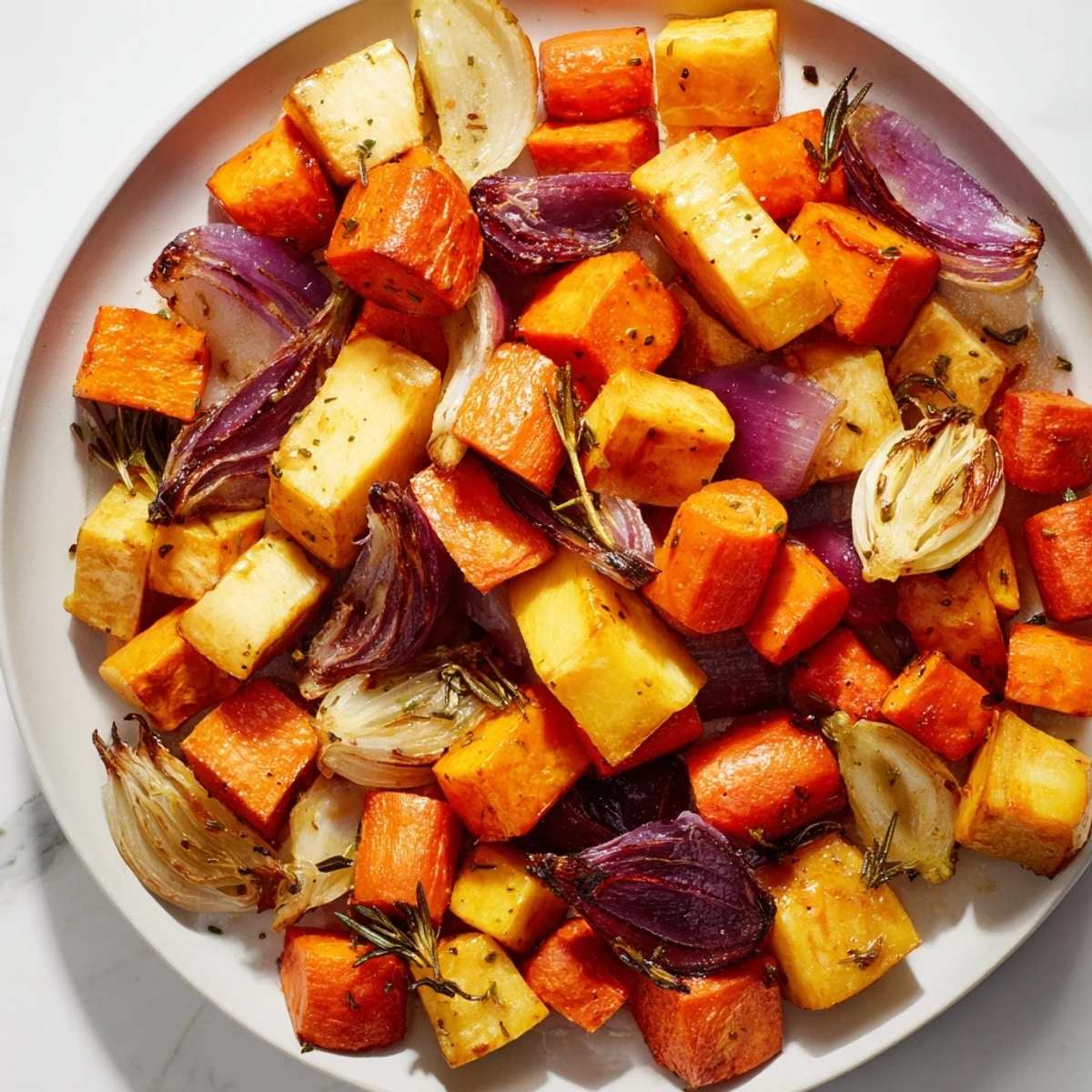
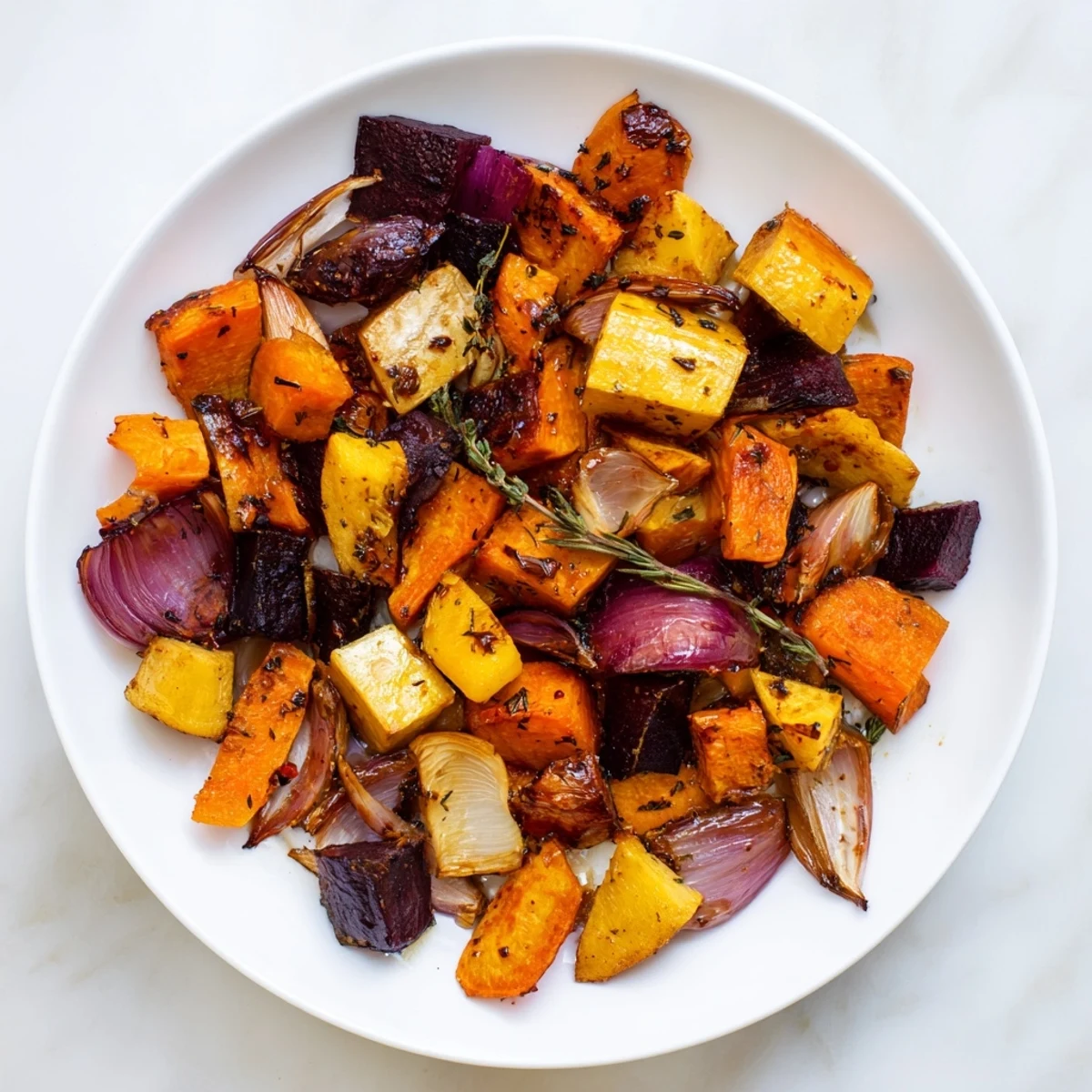
 This vibrant dish features a mix of carrots, parsnips, sweet potato, red onion, and optional golden beet, all tossed in olive oil, herbs, and seasonings. Roasted at high heat, the vegetables caramelize to tender, flavorful perfection. A balsamic and maple glaze is simmered and drizzled midway, enhancing the mix with tangy sweetness. Ideal as a vegan, gluten-free side, it pairs wonderfully with grains, lentils, or roasted proteins.
I remember the first time I roasted root vegetables this way was on a crisp autumn evening when I wanted to create something warm and comforting without fussing over complicated techniques. The way the kitchen filled with earthy, caramelized aromas had my guests asking what smelled so incredible before we'd even sat down to eat. That's when I discovered that simple ingredients, a hot oven, and patience could transform humble root vegetables into something truly special.
I'll never forget the moment my usually picky eater asked for seconds of roasted vegetables. That's when I knew this simple recipe had become a staple in our house. Now whenever I need a side that actually gets eaten and appreciated, this is what I reach for.
Ingredients
- Carrots and parsnips: These two are your flavor anchors, and I always choose firm ones without soft spots. The parsnips add a subtle sweetness that deepens when roasted, while carrots keep their earthy character.
- Sweet potato: This is where the magic happens for me. It gets almost jammy on the edges and creamy inside. I love that it brings natural sweetness without any added sugar.
- Red onion: The cut matters here. Wedges hold their shape better than chunks and caramelize beautifully. They add a subtle sharpness that balances everything.
- Golden beet: I keep this optional because beets can overpower the dish if you're not expecting it, but when included, they add an earthy depth and gorgeous color.
- Olive oil: Don't skimp here. Good olive oil makes the difference between vegetables that taste oily and vegetables that taste rich. I use about three tablespoons.
- Dried thyme and rosemary: These herbs are partners in crime. Thyme brings earthiness while rosemary adds that piney, sophisticated note that makes people think you've done something fancy.
- Balsamic vinegar and maple syrup: When you simmer these together, they create a glaze that's tangy and sweet at the same time. It's the finishing touch that elevates everything.
Instructions
- Get Everything Ready:
- Preheat your oven to 425°F and line a baking sheet with parchment paper. This step matters more than people think. A hot oven is what gives you those caramelized edges, and parchment paper saves you from scrubbing later.
- Cut and Combine:
- Cut all your vegetables into roughly one-inch chunks. Consistency matters here because even-sized pieces roast at the same rate. Toss them all together in a large bowl with that good olive oil and your herbs. Get your hands in there and make sure every piece gets coated. You're not just mixing, you're building flavor.
- The First Roast:
- Spread everything in a single layer on your sheet. Don't pile them up. Give them room to breathe. Roast for 30 minutes, and here's where patience pays off: stir them halfway through. This is what gives you those caramelized bits on multiple sides instead of just one.
- Make the Magic Glaze:
- While the vegetables are roasting, combine your balsamic vinegar and maple syrup in a small saucepan over low heat. Let it simmer for three to four minutes until it's noticeably thicker and glossier. You'll smell the sweetness intensify. That's how you know it's ready.
- The Finishing Touches:
- After 30 minutes, pull out your sheet and drizzle that glaze over the vegetables. Toss gently but thoroughly. Return everything to the oven for another 10 minutes. This is when the glaze caramelizes onto the vegetables and everything gets that gorgeous, glossy finish. They're done when a fork pierces them easily and the edges look dark and caramelized.
- Serve with Confidence:
- Transfer to a serving dish while they're still warm. If you want to add fresh herbs at the end, a little fresh thyme or even fresh parsley brightens everything up. But honestly, they're perfect as they are.
Serving Ideas That Clicked
I've learned that these vegetables don't need much company to shine. They work beautifully alongside roasted chicken or as part of a vegetarian grain bowl with some creamy goat cheese. One of my favorite discoveries was serving them over crispy lentil loaf, which created this amazing textural contrast.
When You're Missing Something
Here's what I've learned from my kitchen experiments: if you don't have parsnips, turnips work wonderfully. No golden beets? Red or regular beets are fine, though they'll turn everything purple-ish, which honestly isn't a bad problem to have. Missing an herb? Fresh thyme on the plate at the end can save you, or even a pinch of smoked paprika added to the glaze brings a whole different dimension that I've grown quite fond of.
- If your vegetables aren't as tender as you'd like after 10 minutes, just roast for another five to ten minutes. It depends on how chunky you've cut everything.
- Don't hesitate to add whole garlic cloves in the last 15 minutes if you want them to get sweet and nutty.
- The balsamic glaze thickens more as it cools, so don't worry if it seems loose when you pull it from the stove.
Keeping It Fresh
These roasted vegetables are actually wonderful made ahead. I often make them in the morning and reheat them gently in a 350°F oven for about 10 minutes before serving. They're even good at room temperature, which makes them perfect for meal prep or bringing to a potluck. Store them in an airtight container in the refrigerator for up to four days, and they'll keep their sweetness and tender texture surprisingly well.
Where This Dish Comes From
Roasted root vegetables appear in kitchens across Europe and beyond, but this particular version with the balsamic glaze is inspired by rustic Italian cooking. There's something about how balsamic vinegar and root vegetables were made for each other, like they both developed their sweetness underground and recognize it in each other. I've found that embracing this combination feels both timeless and contemporary, which is why it never goes out of style at my table.
Adapting Through the Seasons
What I love most about this recipe is how forgiving it is to seasonal changes. In winter, I lean into the heartier vegetables like rutabaga and parsnips. When spring arrives, I might include some thinner-cut fennel or even some new potatoes cut smaller so they roast faster. The technique stays the same, just the vegetables change. It's taught me that cooking isn't about rigid rules but about understanding how heat and time transform whatever good ingredients you have on hand.
 Save to Pinterest
 This recipe became my go-to proof that the simplest dishes, made with care and attention, are often the ones that matter most. There's something about sharing roasted vegetables that smell of thyme and balsamic that brings people together in the most genuine way.
 Save to Pinterest
 Make this when you want something that tastes like you've spent all day cooking but actually respects your time. It's the kind of side dish that makes people ask for the recipe.
Your Recipe Questions Answered
- → Can I use other root vegetables?
-
Yes, turnips or rutabaga make great alternatives for variety and flavor.
- → How can I make the glaze thicker?
-
Simmer the balsamic vinegar and maple syrup a bit longer until it reaches a syrupy consistency.
- → Is it necessary to peel the vegetables?
-
Peeling ensures a tender texture, but scrubbing well and roasting with skins on is also an option for added nutrients.
- → Can I prepare this dish ahead of time?
-
Yes, vegetables can be pre-cut and mixed with oil and seasonings; glaze can be made in advance for faster roasting later.
- → What herbs enhance the flavor best?
-
Dried thyme and rosemary complement the natural sweetness of root vegetables effectively.