
 Save to Pinterest
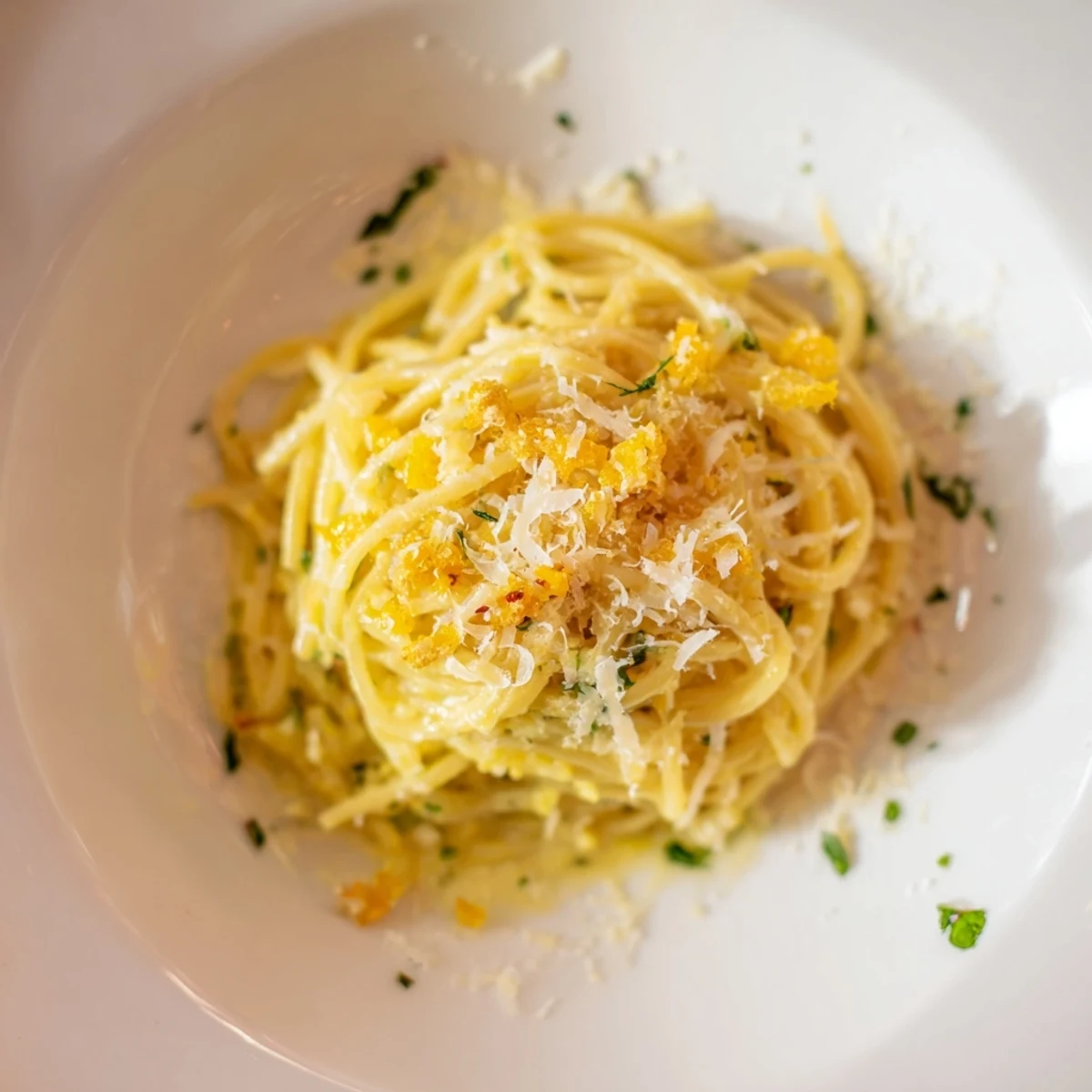
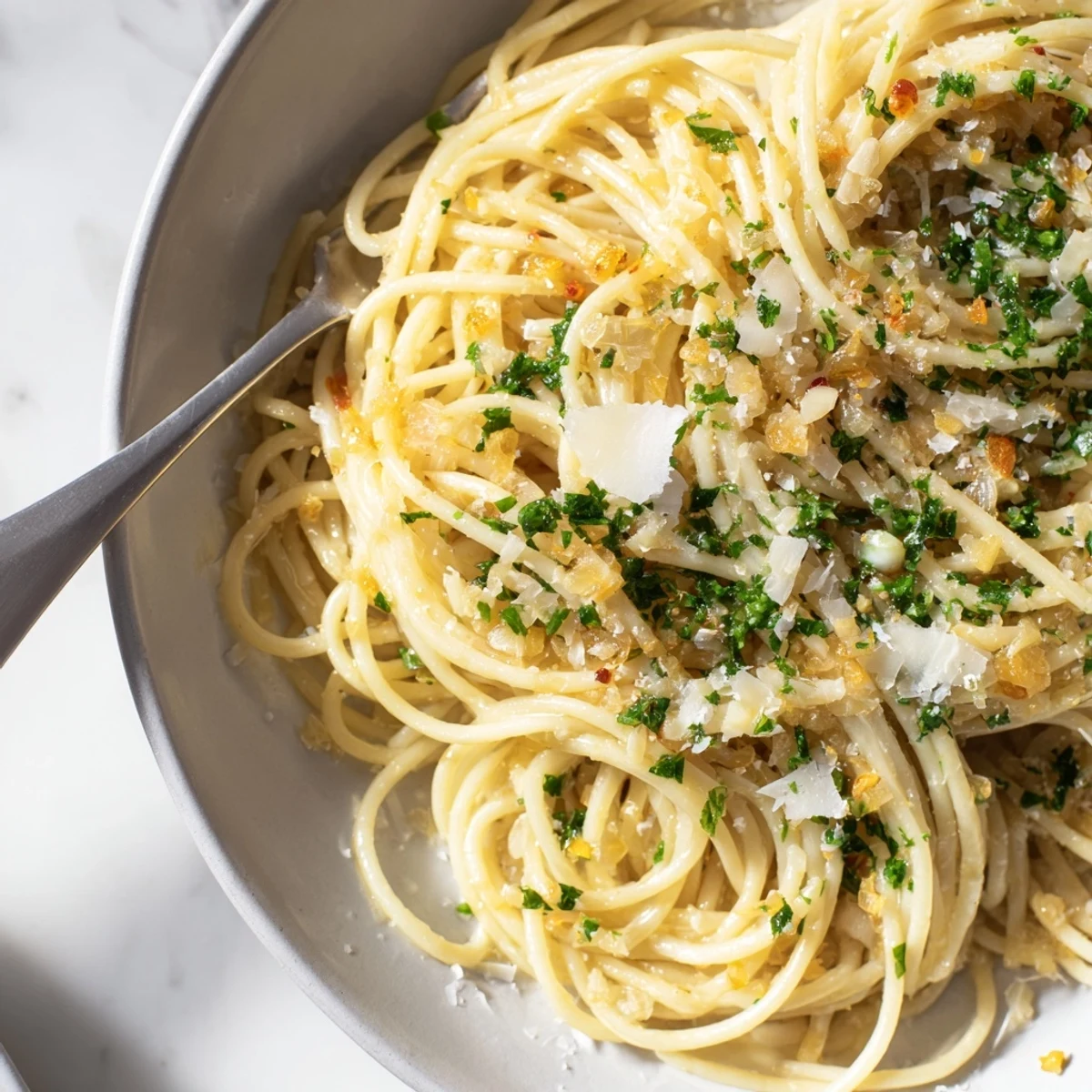
 This dish features spaghetti gently coated in aromatic garlic sautéed in extra virgin olive oil. The garlic is cooked until golden but not burnt, creating a fragrant base. Red pepper flakes add subtle heat if preferred. The pasta is tossed with the garlicky oil and a splash of pasta water for a light sauce. Finished with fresh parsley and grated Parmesan, this meal is both quick and flavorful, ideal for an easy Italian-inspired dinner.
There's something almost meditative about the simplicity of garlic pasta. I discovered this dish on a Tuesday night when my kitchen felt too quiet and my pantry offered nothing but the essentials—a box of spaghetti, good olive oil, and a head of garlic. What emerged from that modest combination was something so comforting that I've made it dozens of times since, each time remembering why those few ingredients are actually everything.
I made this for my partner on a rainy evening when we both needed something warm and uncomplicated. The kitchen filled with that unmistakable scent of garlic turning golden in oil, and by the time the pasta hit the pan, we were both hovering over the stove like it was a campfire. That's when I realized this dish isn't about impressing anyone—it's about feeling held by something this good and this real.
Ingredients
- Spaghetti or linguine, 200 g (7 oz): Al dente pasta is your foundation here; it needs just enough bite to stand up to the silky garlic oil without turning mushy.
- Extra virgin olive oil, 3 tbsp: This is the star, so choose one you actually like tasting on its own—quality matters more than quantity.
- Garlic cloves, 5 large, thinly sliced: Thin slices cook evenly and distribute throughout the oil like little flavor nuggets, and they look prettier too.
- Red pepper flakes, 1/4 tsp (optional): Just a whisper of heat that wakes everything up without overwhelming.
- Sea salt, 1/2 tsp: Sea salt dissolves more gracefully than table salt and seasons more intentionally.
- Freshly ground black pepper, to taste: Freshly ground always, no exceptions—pre-ground loses its punch too quickly.
- Fresh parsley, 2 tbsp chopped: The bright finale that lifts the whole dish from rich to balanced.
- Parmesan cheese, 30 g (1 oz) grated (optional): If you use it, grate it fresh right over the plate so it melts into the warmth.
- Lemon zest, to taste (optional): A small grater and a light hand with this creates unexpected brightness that lingers.
Instructions
- Set your water to boil:
- Fill a large pot with water, add enough salt that it tastes like the sea, and bring it to a rolling boil—you'll see the surface shimmering and hear it roaring a little. This isn't just about cooking the pasta; salted water is your first seasoning layer.
- Cook the pasta to al dente:
- Follow the package timing but start tasting a minute or two before it says it'll be done. You want that slight resistance between your teeth, that little snap. Reserve half a cup of the starchy pasta water before you drain—this liquid gold is what transforms olive oil into sauce.
- Gently warm the garlic oil:
- Place a large skillet over medium-low heat and pour in your olive oil. Add the sliced garlic and let it sizzle softly, stirring now and then with a wooden spoon, listening for that gentle sizzle but never a loud crackle.
- Watch for the golden moment:
- After 2 to 3 minutes, your garlic should be turning light gold at the edges and smell absolutely intoxicating. If it's browning too fast or smells bitter, lower the heat immediately—burned garlic tastes sharp and angry, and we don't want that.
- Add heat if you like it:
- Stir in the red pepper flakes if using, just for 15 seconds, until they bloom and perfume the oil. This step is optional but transforms the dish from mellow to alive.
- Combine pasta and oil:
- Tip the drained pasta into the skillet with the garlic oil and start tossing gently with tongs or a fork, coating every strand. The pasta will cling to the oil, and slowly the whole mixture will start to feel like a unified thing rather than separate components.
- Build the sauce with pasta water:
- Add your reserved pasta water a splash at a time, tossing as you go, until the pasta looks silky and the starch has created a light sauce that clings without pooling. You might not need all of it, and that's okay.
- Season with intention:
- Taste as you season with salt and pepper, remembering that it's easier to add more than to take it back. Remove from heat and scatter in the fresh parsley, tossing one more time so it mingles throughout.
- Plate and finish:
- Divide between two bowls and top with freshly grated Parmesan and lemon zest if you're using them. Serve immediately while the pasta is still warm and the flavors are singing.
 Save to Pinterest
 I'll never forget the moment a friend tasted this and said, with real surprise, "Wait, this is just pasta and garlic?" That's when I understood the magic wasn't in complication—it was in doing one thing so well that nothing else was needed. It's the kind of dish that reminds you why people fall in love with cooking in the first place.
When Simplicity Becomes Everything
There's a specific kind of confidence that comes from mastering something this straightforward. You stop second-guessing yourself because there's nowhere to hide—every choice matters, from the heat under the pan to the moment you add salt. Once you've made this a few times, you realize you've actually learned something fundamental about how flavors work together, and that knowledge travels with you into every other dish you make.
Variations That Keep It Interesting
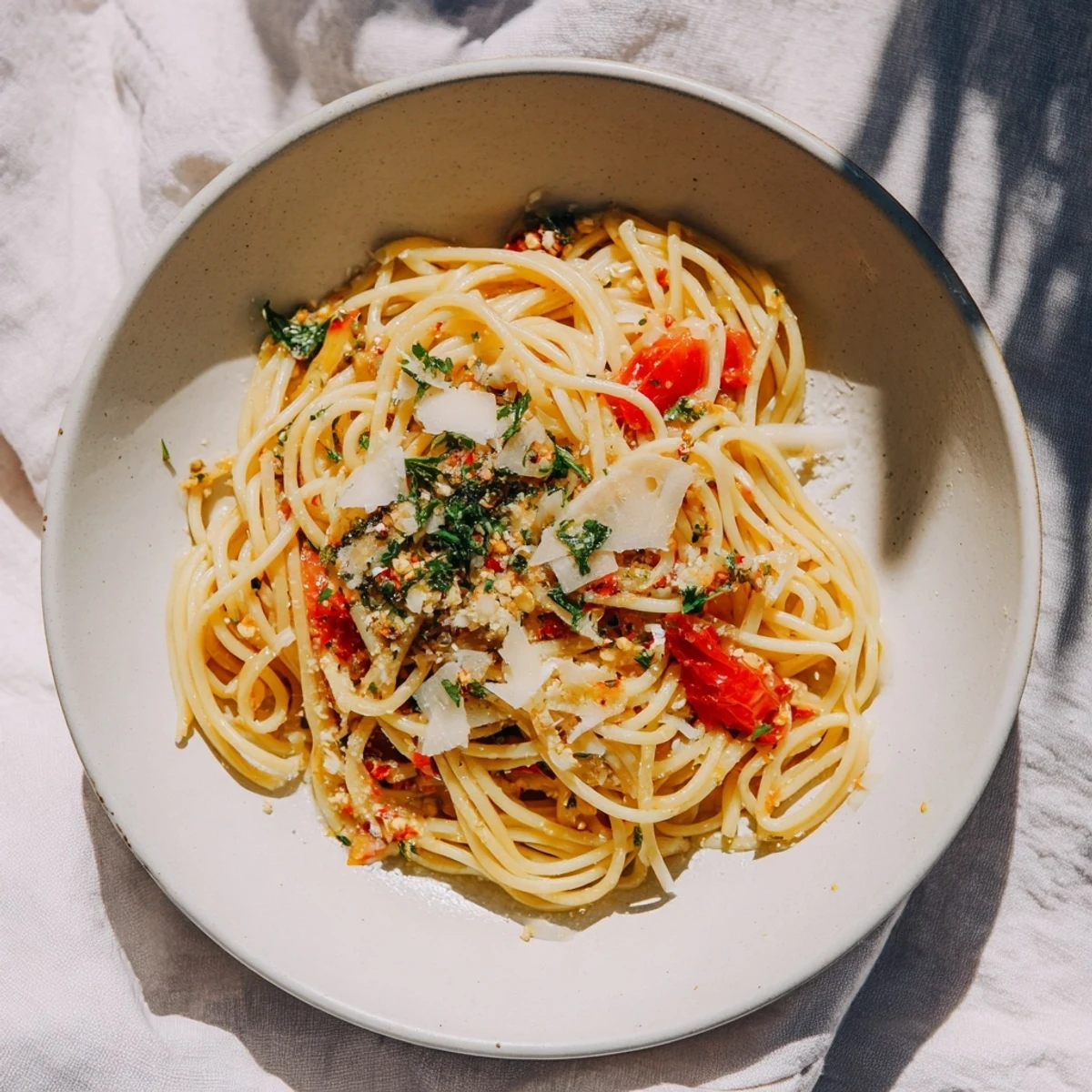
The beauty of this recipe is that it's a blank canvas that actually works as is. Sometimes I'll add halved cherry tomatoes to the garlic oil right after the pepper flakes settle, letting them soften and burst while the pasta cooks. Other times I'll sauté mushrooms separately until they're golden and nutty, then fold them in at the end. Even a handful of pine nuts or crispy breadcrumbs transforms the texture without changing the essence of what makes this dish sing.
Making It Your Own
This is the kind of recipe that teaches you to trust your instincts. If you love garlic, don't be shy—use six cloves instead of five. If you want more heat, use more pepper flakes. If you prefer the sauce thicker, use less pasta water; if you like it more brothlike, use more. The guidelines are there to catch you if you stumble, but there's plenty of room to make this taste like your version of comfort.
- Lemon zest is the secret that makes people ask what's different even though nothing is visibly different.
- A crisp white wine like Pinot Grigio pairs beautifully and helps cut through the richness of the oil.
- This dish is best eaten immediately, before the warmth fades and the pasta soaks up all the oil and loses its silky drape.
 Save to Pinterest
 This dish has taught me more than I expected from something so minimal. It's the kind of meal that shows up when you need it most, asking nothing but offering everything, and that's exactly what cooking should feel like sometimes.
Your Recipe Questions Answered
- → How do I prevent garlic from burning?
-
Cook sliced garlic over medium-low heat, stirring frequently until just golden and fragrant. Avoid high heat to prevent bitterness from burnt garlic.
- → Can I substitute spaghetti with other pasta types?
-
Yes, linguine or similar long pasta varieties work well with this garlic oil sauce to evenly coat each strand.
- → What can I add for extra flavor?
-
Try halved cherry tomatoes or sautéed mushrooms to enhance the dish’s depth and texture.
- → Is Parmesan cheese necessary?
-
Parmesan adds a savory finish, but for dairy-free options, it can be omitted or replaced with plant-based alternatives.
- → What wine pairs well with this dish?
-
A crisp white wine such as Pinot Grigio complements the garlic and olive oil flavors perfectly.