
 Save to Pinterest
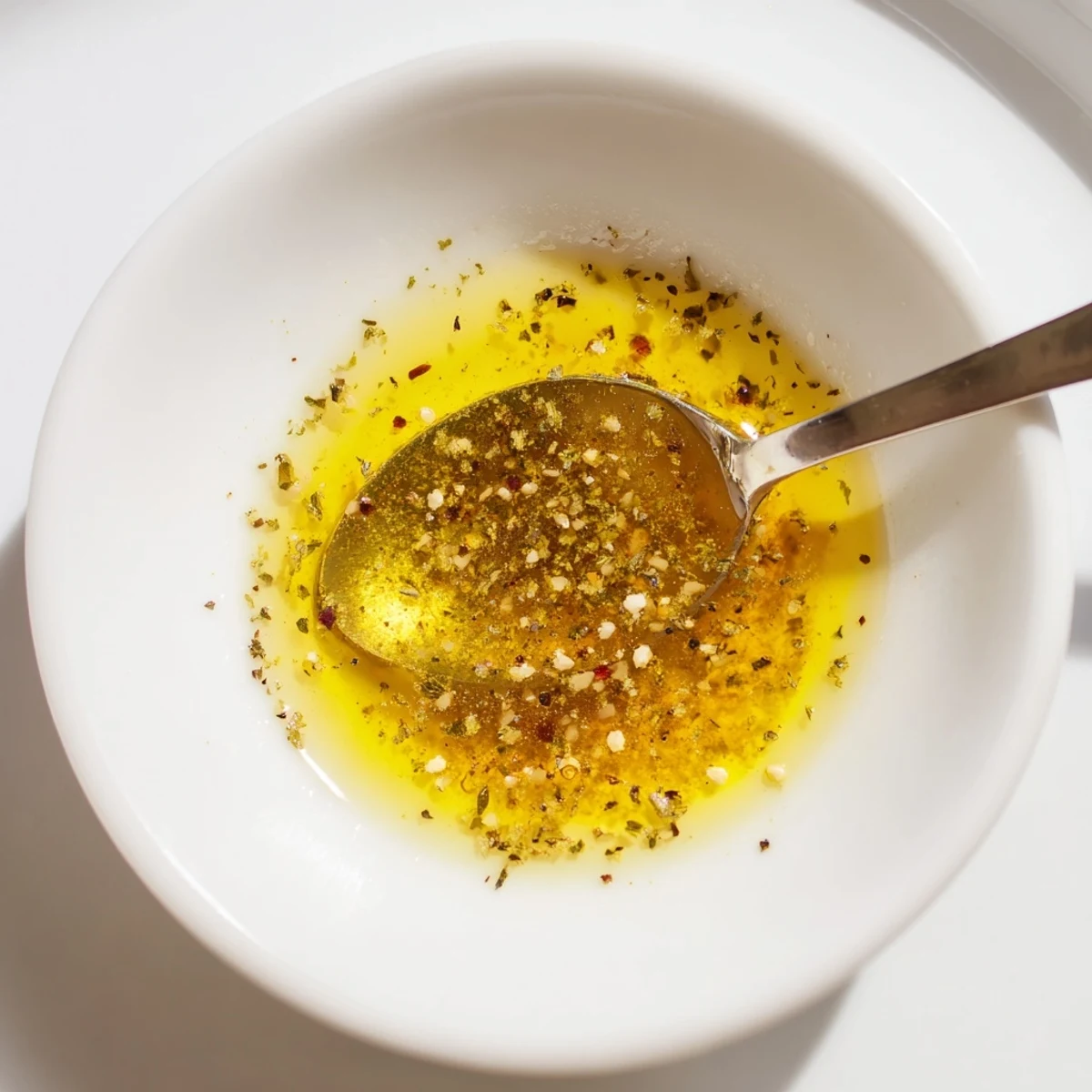
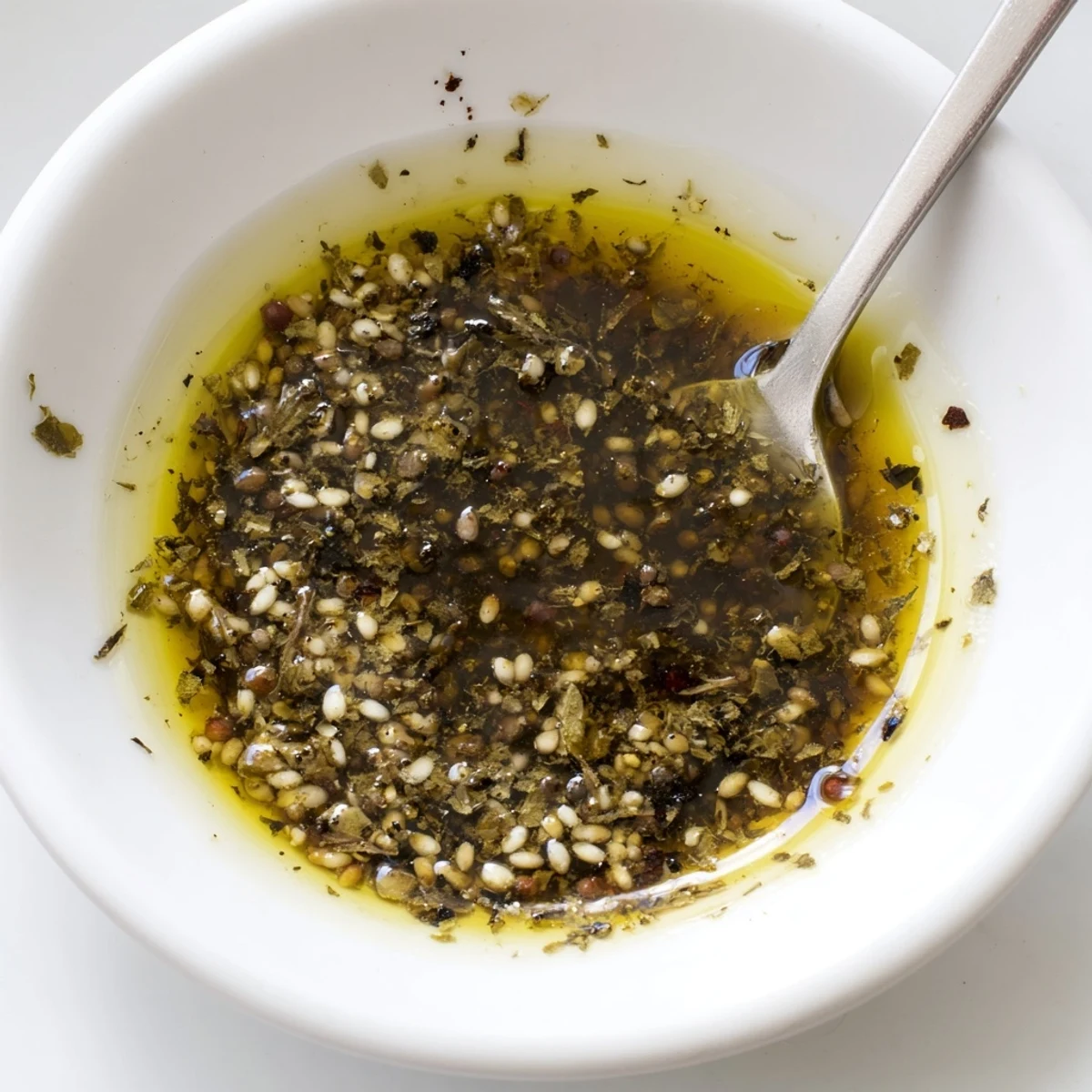
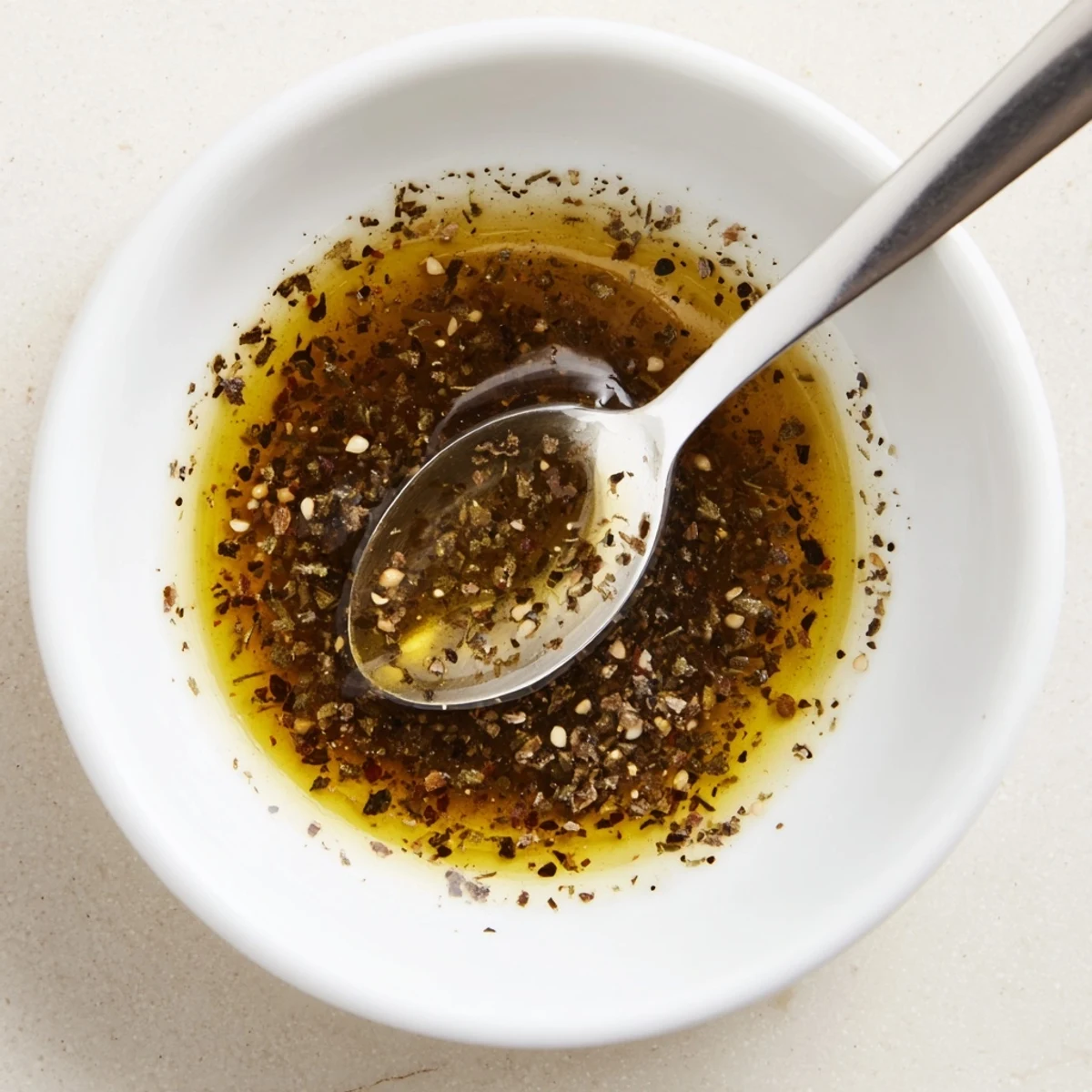
 This Greek-style vinaigrette combines red wine vinegar, Dijon mustard, minced garlic, dried oregano, salt and pepper whisked slowly into extra-virgin olive oil to form a bright emulsion. Optional honey or lemon can balance acidity. Ready in five minutes, it stores chilled in a jar and can dress salads, marinate vegetables or flavor grain bowls; shake before using.
The screen door slammed shut behind me as I carried a bowl of freshly picked tomatoes across the yard, and all I could think about was how they deserved something bold. I had been drizzling store bought dressing on summer vegetables for weeks and the routine had become exhausting. That afternoon I rummaged through the pantry and found a dusty bottle of red wine vinegar next to a nearly empty jar of Dijon. Five minutes later I had something that smelled like a taverna on a Greek island and I never went back to the bottle again.
My neighbor Elena tasted it at a backyard gathering and immediately tilted her head sideways, paused, and asked what on earth I had put in the jar. She now texts me every Saturday morning to confirm I am bringing a batch to whatever we are cooking that weekend.
Ingredients
- Extra virgin olive oil (1/2 cup): Use the good stuff here because there are so few ingredients and the oil carries the body of the dressing.
- Red wine vinegar (1/4 cup): Brings a sharp tangy backbone that balances the richness of the oil perfectly.
- Dijon mustard (2 teaspoons): This is the secret emulsifier that makes the dressing creamy without any dairy at all.
- Dried oregano (1 teaspoon): Rub it between your palms before adding to wake up the essential oils and release more fragrance.
- Garlic clove, finely minced (1): One clove is enough to give it presence without overpowering the other flavors.
- Sea salt (1/2 teaspoon): Draws out the natural sweetness in the vinegar and rounds the sharp edges.
- Freshly ground black pepper (1/4 teaspoon): Always grind it fresh for a warmer more aromatic bite.
- Honey or maple syrup (1 teaspoon, optional): A gentle sweetness that tames the acidity just enough without making it taste sugary.
- Fresh lemon juice (1 tablespoon, optional): Adds a bright citrus lift that pairs beautifully with grilled vegetables.
- Crushed red pepper flakes (pinch, optional): For those who want a faint warmth lingering behind each bite.
Instructions
- Build the flavor base:
- In a medium bowl or measuring jug, whisk together the red wine vinegar, Dijon mustard, minced garlic, sea salt, black pepper, dried oregano, and any optional additions like honey or lemon juice until combined.
- Create the emulsion:
- Slowly drizzle in the olive oil while whisking continuously so the mixture transforms from separated layers into a cohesive slightly thickened dressing.
- Taste and adjust:
- Dip a leaf of lettuce or a small spoon in and decide if it needs more salt, a splash of vinegar, or a pinch of sweetness to suit your palate.
- Store and serve:
- Transfer to a jar or bottle, seal it tight, and refrigerate until ready to use, giving it a good shake each time before pouring.
 Save to Pinterest
 There is a particular satisfaction in shaking a jar of something you made yourself and hearing the ingredients settle back into harmony before dinner.
How to Store It
Keep the dressing in a sealed glass jar in the refrigerator for up to one week. The olive oil may solidify slightly when cold so just set the jar on the counter for ten minutes and shake vigorously before using.
Ways to Use It Beyond Salad
This dressing doubles as a quick marinade for chicken thighs or a finishing drizzle over roasted potatoes and grilled zucchini. Toss it with warm farro, chickpeas, and diced cucumber for a grain bowl that tastes complete rather than assembled.
Getting the Balance Right
The ratio of vinegar to oil is a personal preference and this recipe leans tangy because that is how I like it. If you prefer something milder, reduce the vinegar by a tablespoon or add an extra teaspoon of honey until it sings the way you want it to.
- Always taste with the actual food you plan to dress because a vinaigrette that seems sharp on its own may be perfect on bland greens.
- Let the dressing sit for at least fifteen minutes before serving so the garlic and oregano have time to bloom.
- Shake the jar one last time right before pouring because even the best emulsion will settle.
 Save to Pinterest
 Once you start making this dressing at home you will wonder why you ever kept a bottle of anything else in the refrigerator door. Keep a jar ready and dinner is never far from finished.
Your Recipe Questions Answered
- → How do I emulsify the dressing properly?
-
Whisk vigorously while slowly drizzling olive oil into the vinegar, mustard and aromatics until thickened. For a silkier emulsion, blend briefly with an immersion blender.
- → Can I swap the olive oil for another oil?
-
Yes. Use a mild extra-virgin olive oil for a fruity note or a neutral oil like avocado to let the vinegar and Dijon shine; avoid strongly flavored oils.
- → How long will this vinaigrette keep?
-
Stored in a sealed jar in the refrigerator it will keep 7–10 days. Flavors mellow over time—always shake or re-whisk before serving and taste to adjust seasoning.
- → How can I adjust sweetness or acidity?
-
Add a teaspoon of honey or maple syrup to soften acidity, or a splash of lemon juice to brighten. Adjust in small increments and taste as you go.
- → How do I make a creamier version?
-
Blend in a tablespoon of crumbled feta or a spoonful of Greek yogurt and blitz briefly for a creamy texture; note that adding feta or yogurt introduces dairy.
- → What are good uses for this vinaigrette?
-
Use it on leafy salads, grilled or roasted vegetables, grain bowls, or as a quick marinade for chicken, fish or tofu. Shake well before using.