
 Save to Pinterest
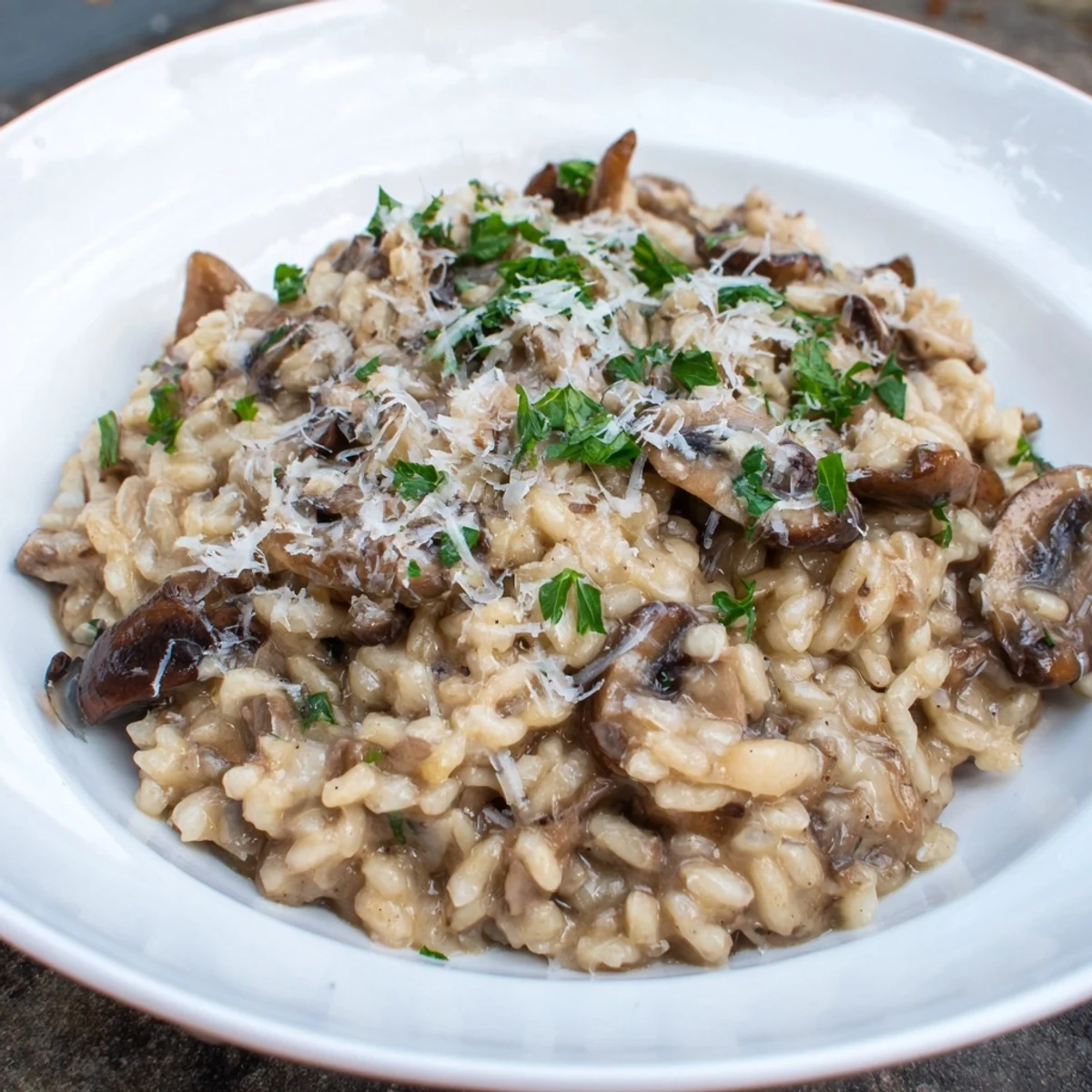
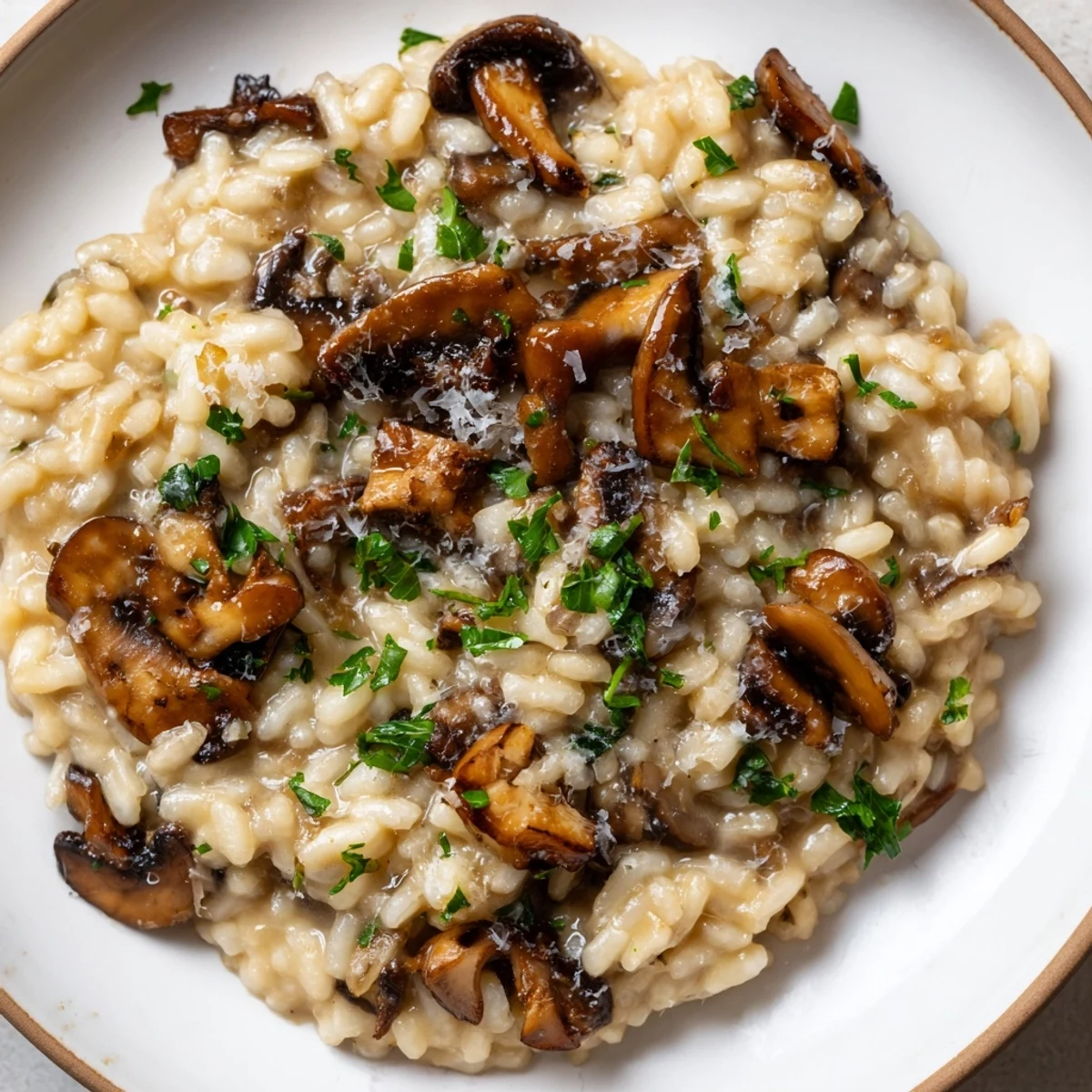
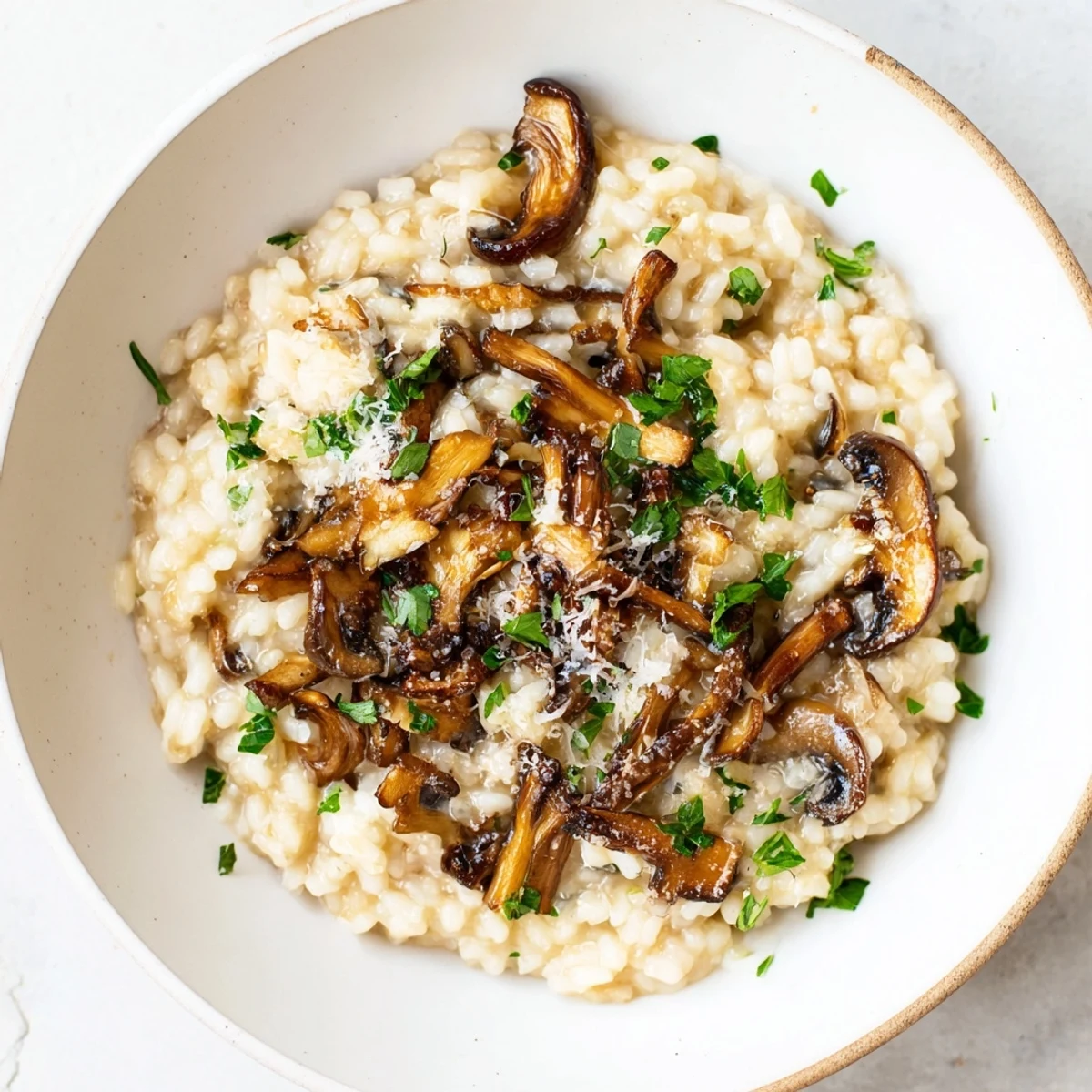
 This Italian risotto combines tender Arborio rice with a medley of sautéed mushrooms for a rich, creamy texture. Onions and garlic are softened in olive oil and butter before mushrooms are browned to enhance their earthy flavor. The rice is toasted lightly, then cooked slowly with white wine and warm vegetable stock until perfectly al dente. Finished with freshly grated Parmesan and chopped parsley, this comforting dish offers a balance of flavors and a silky consistency ideal for cozy dinners or refined sides.
The first time I made risotto without a recipe, I nearly ruined it by rushing—pouring in all the stock at once like I was watering a plant. But that mistake taught me the magic of this dish: patience and attention transform simple rice into something creamy and alive. Mushroom risotto became my quiet victory, the recipe I'd make on nights when I needed both comfort and a small sense of accomplishment in the kitchen.
There's a particular Thursday evening I remember when a friend showed up unannounced, tired from work, and I had mushrooms and rice in the pantry. Forty-five minutes later, watching her face as she tasted the first spoonful—that moment when a simple dinner became something she wanted to learn how to make—that's when I understood why this recipe matters.
Ingredients
- Mixed mushrooms (cremini, shiitake, button), 400 g: The variety creates layers of earthy flavor; cremini add depth, shiitake bring umami, and button mushrooms round it out with a lighter note.
- Arborio rice, 300 g: This short-grain rice releases starch gradually, which is what makes risotto creamy—don't substitute long-grain or you'll lose the texture entirely.
- Onion, 1 medium, finely chopped: The foundation of flavor; fine chopping helps it dissolve into the rice rather than staying as distinct pieces.
- Garlic, 2 cloves, minced: A whisper of sharpness that balances the earthiness without overpowering it.
- Fresh parsley, 2 tbsp chopped: Adds brightness at the end; fresh herbs make the difference between good risotto and memorable risotto.
- Vegetable stock, 1 L, kept warm: Warm stock integrates into the rice smoothly; cold stock will shock the rice and slow the cooking process.
- Dry white wine, 120 ml: The acidity cuts through richness and adds complexity that vegetable stock alone cannot provide.
- Parmesan cheese, 60 g, freshly grated: Nutty, salty, and essential for that final creamy luxuriousness.
- Unsalted butter, 2 tbsp: Split between cooking and finishing because butter added at the end creates silkiness that oil cannot.
- Olive oil, 2 tbsp: Use a good quality oil here since it's a featured ingredient, not just a cooking medium.
- Salt and black pepper: Taste as you go because the stock, wine, and cheese all contribute saltiness.
Instructions
- Wake up the aromatics:
- Heat olive oil and 1 tablespoon of butter in your heaviest pan over medium heat. Add the onions and let them soften for 3 to 4 minutes until they turn translucent and smell sweet—this is your foundation, so don't rush it.
- Add garlic and bloom:
- Stir in the minced garlic and cook for just 1 minute until it stops smelling sharp and turns fragrant. This timing is crucial because garlic burns easily and turns bitter.
- Brown the mushrooms:
- Add all the sliced mushrooms and sauté them for 6 to 8 minutes, stirring occasionally, until they release their water and turn golden-brown. Season with salt and pepper as they cook, which helps them release moisture faster.
- Toast the rice:
- Pour in the Arborio rice and stir constantly for 2 minutes so each grain gets coated in oil and begins to turn translucent at the edges. You should hear a gentle clicking sound as the grains rub against the pan.
- Deglaze with wine:
- Pour in the white wine and stir until it's mostly absorbed, about 2 to 3 minutes. The wine adds acidity and aroma that rounds out the earthiness of the mushrooms.
- Add stock gradually and stir:
- Add about one ladleful of warm vegetable stock and stir frequently, letting each addition absorb almost completely before adding the next. This gradual process, which takes 20 to 25 minutes total, is what releases the starch and creates that signature creamy texture.
- Finish and rest:
- When the rice is creamy and still has a slight bite to it (al dente), remove from heat and stir in the remaining butter, Parmesan, and fresh parsley. Let it rest for 2 minutes so the starches settle and the textures fully come together.
 Save to Pinterest
 What strikes me most about risotto is how it demands you stay present. There's no way to batch-cook this or half-pay attention, and somehow that constraint becomes a gift—20 minutes where your hands are occupied and your mind settles into rhythm. That's when the kitchen stops feeling like a chore and starts feeling like home.
Choosing and Preparing Your Mushrooms
The mix of mushroom varieties matters more than you might think. Cremini mushrooms bring earthiness and substance, shiitake contribute a deeper umami quality, and button mushrooms keep everything from becoming too heavy or one-note. When you're cleaning them, use a damp cloth or soft brush rather than rinsing, which waterloggs them and prevents proper browning. Slice them roughly the same size so they cook evenly and don't turn to mush while waiting for the larger pieces to soften.
The Temperature and Timing Dance
Risotto lives in the medium-heat zone. Too high and your onions burn before they soften, too low and the rice takes forever and never develops that slight chew. I learned this by making it three times before it clicked—the smell should shift from sharp (raw garlic) to sweet (cooked onions) to earthy (mushrooms) to nutty (toasted rice). Each transition is your signal that you're on the right track and that the next step is ready.
Variations and Finishing Touches
Once you've made this risotto once, you'll see how you can bend it without breaking it. A drizzle of truffle oil at the very end adds luxury, a handful of fresh thyme stirred into the mushrooms brings an herbal note, or a squeeze of lemon juice just before serving cuts through the richness with brightness. Serve it immediately in warmed bowls because risotto continues to cook slightly as it sits, and you want to capture that moment when it's creamy but not broken.
- For a vegan version, swap butter and Parmesan for their plant-based versions and the dish loses nothing essential.
- If your vegetable stock is homemade, use it proudly because the flavor difference is noticeable and worth the effort.
- Leftover risotto can be refrigerated and either gently reheated with a splash of warm stock or pressed into patties, pan-fried, and served as crispy risotto cakes the next day.
 Save to Pinterest
 Risotto is one of those dishes that teaches you more about cooking than the recipe itself. It's forgiving once you understand the principle, and unforgettable once you've made it with real attention.
Your Recipe Questions Answered
- → What type of rice is best for this dish?
-
Arborio rice is preferred for its ability to absorb liquids and create a creamy texture while remaining firm to the bite.
- → Can I use different mushroom varieties?
-
Yes, a mix like cremini, shiitake, and button mushrooms adds depth and earthiness to the flavor.
- → How should the stock be added during cooking?
-
Add warm vegetable stock gradually, one ladle at a time, stirring often and waiting until each addition is mostly absorbed.
- → Is it necessary to toast the rice before adding liquids?
-
Toasting the rice briefly enhances its nuttiness and helps it maintain texture during cooking.
- → What can be used as a substitute for Parmesan?
-
For a dairy-free option, use plant-based cheese alternatives or omit cheese while maintaining butter or its substitute.
- → How long should the risotto rest before serving?
-
Allow the risotto to rest for about 2 minutes after cooking to settle flavors and texture.