
 Save to Pinterest
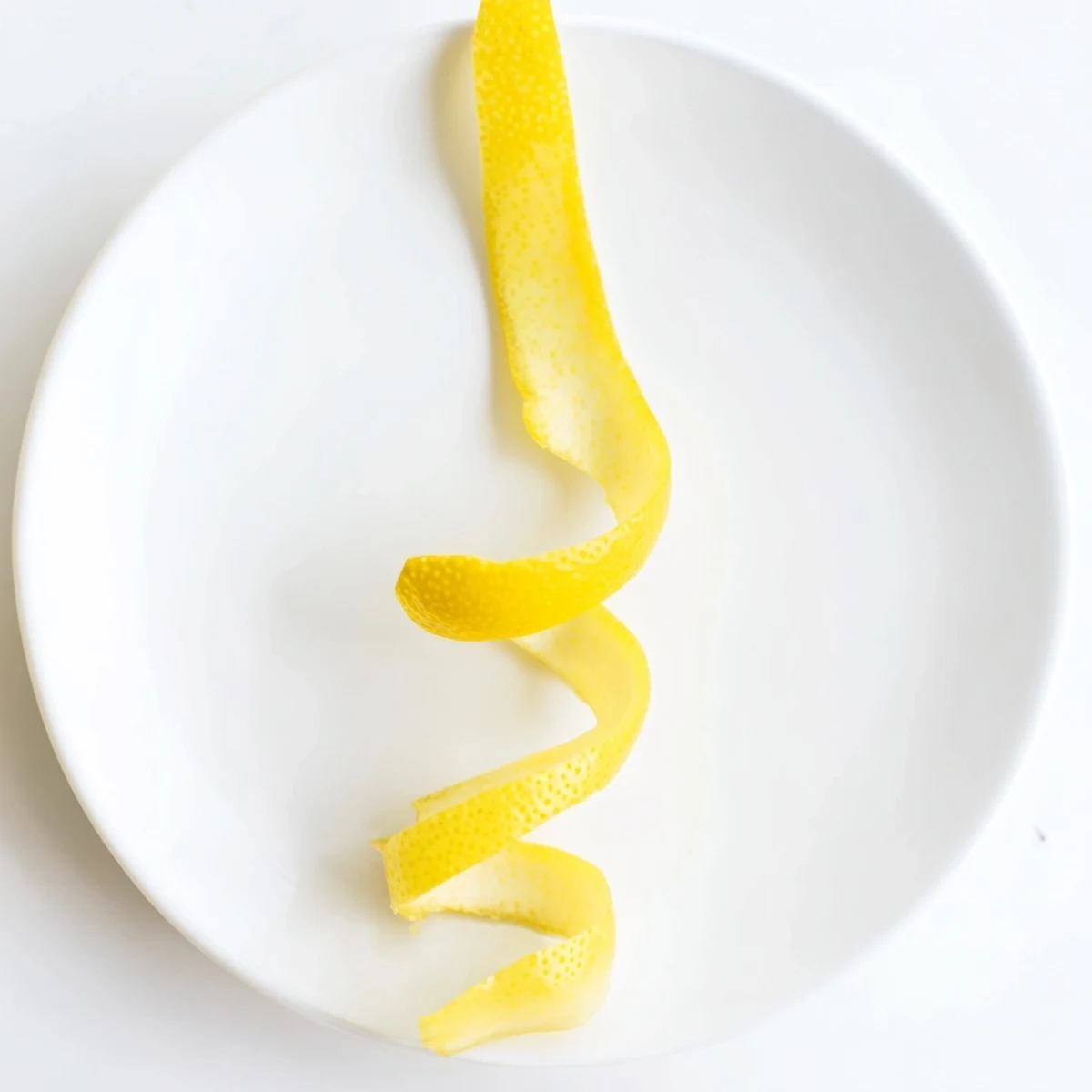
 This bright lemon twist provides an aromatic burst of citrus to elevate drinks, desserts, and savory dishes. Using a vegetable peeler, carefully cut and trim a wide strip of lemon peel, avoiding the bitter white pith. Twist the peel to release its essential oils, adding fresh aroma and a decorative touch. You can coil the twist for extra visual appeal or rub the peel around glass rims for enhanced scent. Store prepared twists briefly in the fridge for convenience.
I'll never forget the first time a bartender handed me a cocktail with a perfectly twisted lemon peel that curled like a delicate ribbon. That simple gesture transformed an ordinary drink into something that felt intentional, celebratory. Years later, I realized that learning to make a proper lemon twist was one of those small kitchen skills that makes you feel like you actually know what you're doing. It's become my signature move at dinner parties—that moment when someone takes a sip and immediately notices the brightness and elegance that comes from those few strips of citrus oil.
I remember making these for my sister's engagement party, twisting lemon peels over each craft cocktail like I'd been doing it for years. The way her friends kept asking me how I got that restaurant-quality touch, when really it was just three minutes of focus and a vegetable peeler—that's when I understood the quiet power of small garnishing details.
Ingredients
- 1 fresh lemon, washed and dried: The lemon is your entire star here—choose one that feels firm and has smooth, unblemished skin. Washing and thoroughly drying it matters more than you'd think; any residual water can dilute the essential oils you're about to release. Room temperature lemons work better than cold ones straight from the fridge because they're easier to peel and more aromatic.
Instructions
- Choose your tool and steady your hand:
- Pull out either a vegetable peeler or a sharp paring knife. I prefer a peeler because it gives you more control, but a knife works beautifully too. The key is sharpness—a dull blade will tear the skin and waste those precious oils. Take a breath and remember you're just removing the yellow skin, not conducting surgery.
- Cut with intention, avoiding the bitter white:
- Gently press your peeler or knife against the lemon's surface and draw it across, creating one long strip of just the colored pith. This is where patience pays off. If you catch too much of the white part underneath, the twist will taste bitter and the flavor balance tips the wrong way. Light pressure, steady hand, one continuous motion.
- Shape it to your liking:
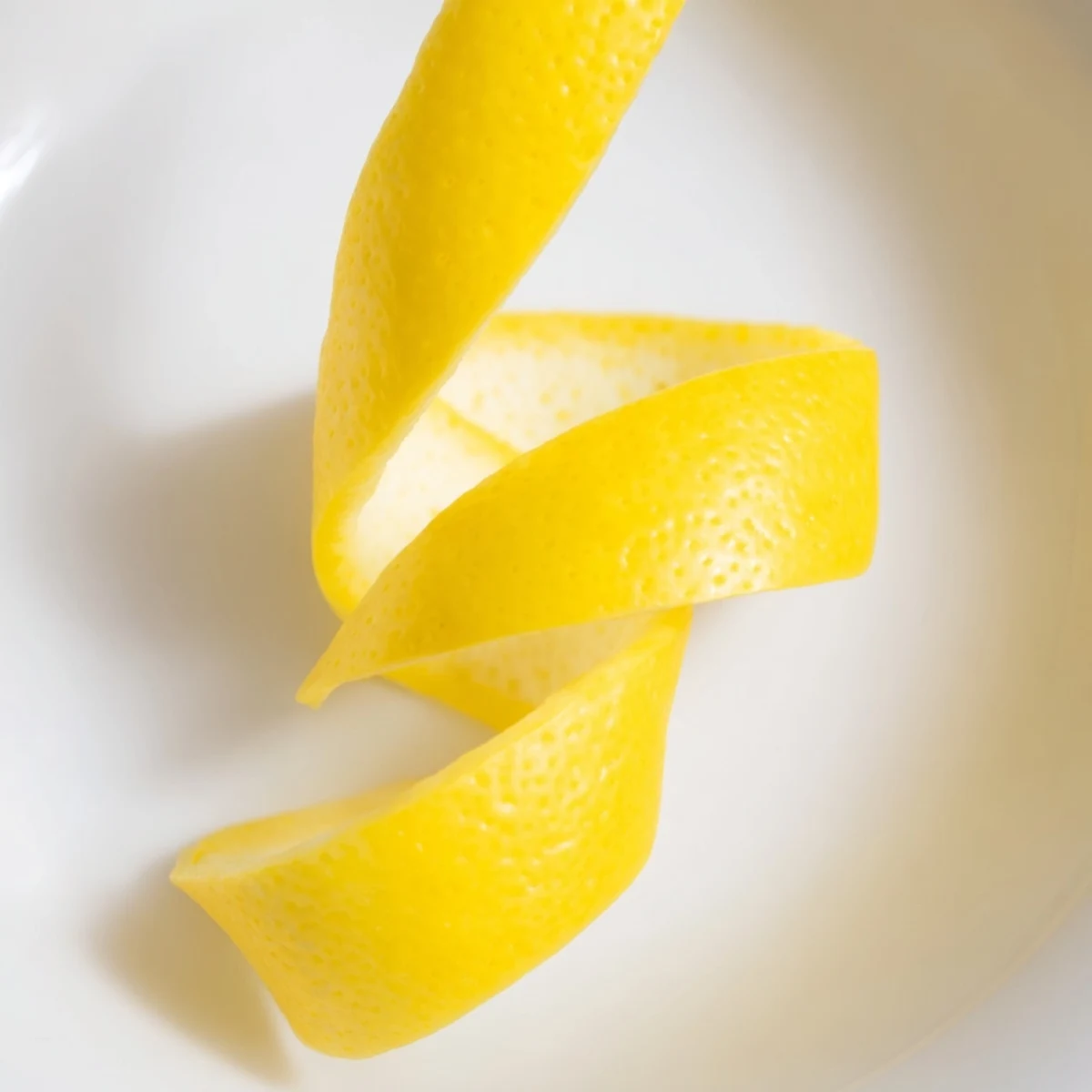
- Once you have your strip, look at it in the light. Trim it to about 2 to 3 inches long and roughly half an inch wide—this is the sweet spot where it's easy to handle but substantial enough to create that gorgeous visual. Some days I cut them wider, some days narrower, depending on my mood.
- Release the magic with a twist:
- Hold both ends of the peel between your fingers and gently twist it over your glass or plate. You'll see the tiny droplets of oil spray out—that's the whole point. The twist motion breaks open the oil cells in the skin and releases that intoxicating citrus fragrance right where you want it. Lean in and actually smell it; that's the aromatics going into your drink or dish.
- Dress it up or keep it simple:
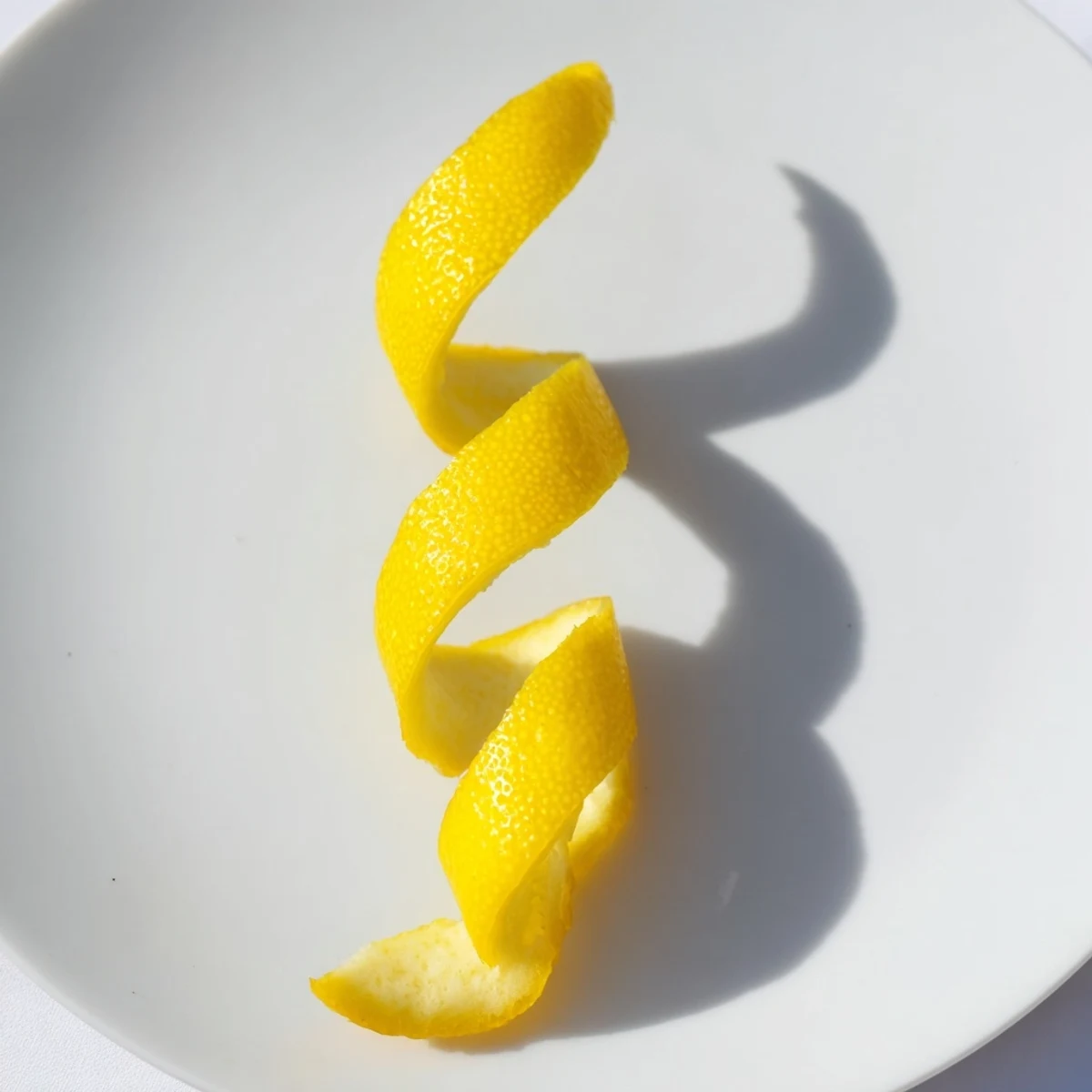
- You can drop the twist directly into the drink, drape it over the rim, or if you're feeling fancy, coil it around a bar spoon or straw to create a perfect spiral. Either way works, and honestly, the simpler presentation often looks the most elegant.
 Save to Pinterest
 There was an afternoon when I made these lemon twists for my grandmother while she sat at the kitchen counter, and she told me it reminded her of fancy restaurants she'd visited decades ago. That small moment—taking three minutes to add a detail that transported her somewhere good—became a quiet ritual we shared. It taught me that garnishes aren't about showing off; they're about care.
Why This Garnish Changes Everything
A lemon twist does something photographs can't quite capture: it infuses the air around your drink with fragrance before you even take a sip. That initial sensory experience—the aroma, the visual brightness of the citrus against whatever you're serving—creates anticipation. It tells whoever you're serving that you paid attention to the details. It's become one of my favorite small ways to elevate an ordinary moment into something that feels intentional and a little bit special.
The Citrus Peeler's Best Secrets
Over time, you'll develop preferences—some people swear by the vegetable peeler's precision, others love the control of a knife. I've found that the angle of your peeler matters as much as the pressure you apply. A steep angle digs too deep; a shallow angle barely catches the skin. The sweet spot is somewhere in between, almost conversational with the lemon. Once you find that angle, it becomes automatic, like muscle memory.
Beyond the Classic Lemon
While lemon is the foundation, this technique opens doors to creativity that surprised me once I started experimenting. A lime twist brings a sharper, more tropical energy to drinks and desserts. An orange twist feels warmer and slightly sweeter, perfect for autumn cocktails or fancy chocolate desserts. Grapefruit twists add a sophisticated bitterness that's stunning in savory preparations. Each citrus fruit has its own personality, and once you master the twist technique with lemon, you can taste your way through an entire fruit stand.
- Store any prepared twists in a sealed container in the refrigerator for up to one day, and they'll stay fresh and aromatic enough for last-minute entertaining.
- For maximum visual drama, run the twist around the rim of your glass before dropping it in—it creates a subtle citrus-scented rim that guests will notice.
- Keep your lemon peeler or knife sharp; it makes the difference between a satisfying peel and a frustrating struggle.
 Save to Pinterest
 A lemon twist taught me that elegance isn't complicated—it's just attention. Three minutes and one fresh lemon are all you need to transform how someone experiences what you've prepared for them.
Your Recipe Questions Answered
- → How do you prepare a lemon twist?
-
Use a vegetable peeler to cut a wide strip of lemon peel, avoiding the bitter white pith. Trim to size, then twist to release oils and release aroma.
- → Can other citrus fruits be used instead of lemon?
-
Yes, orange or lime peels can be used for a different citrus aroma and twist effect.
- → What’s the best tool for making a lemon twist?
-
A sharp vegetable peeler or paring knife works well to carefully peel wide strips without including pith.
- → How should lemon twists be stored?
-
Store the twists in a sealed container in the refrigerator for up to 1 day to maintain freshness.
- → How can a lemon twist enhance flavors?
-
Twisting the peel releases essential oils, adding aromatic citrus notes and visually elevating drinks and dishes.