
 Save to Pinterest
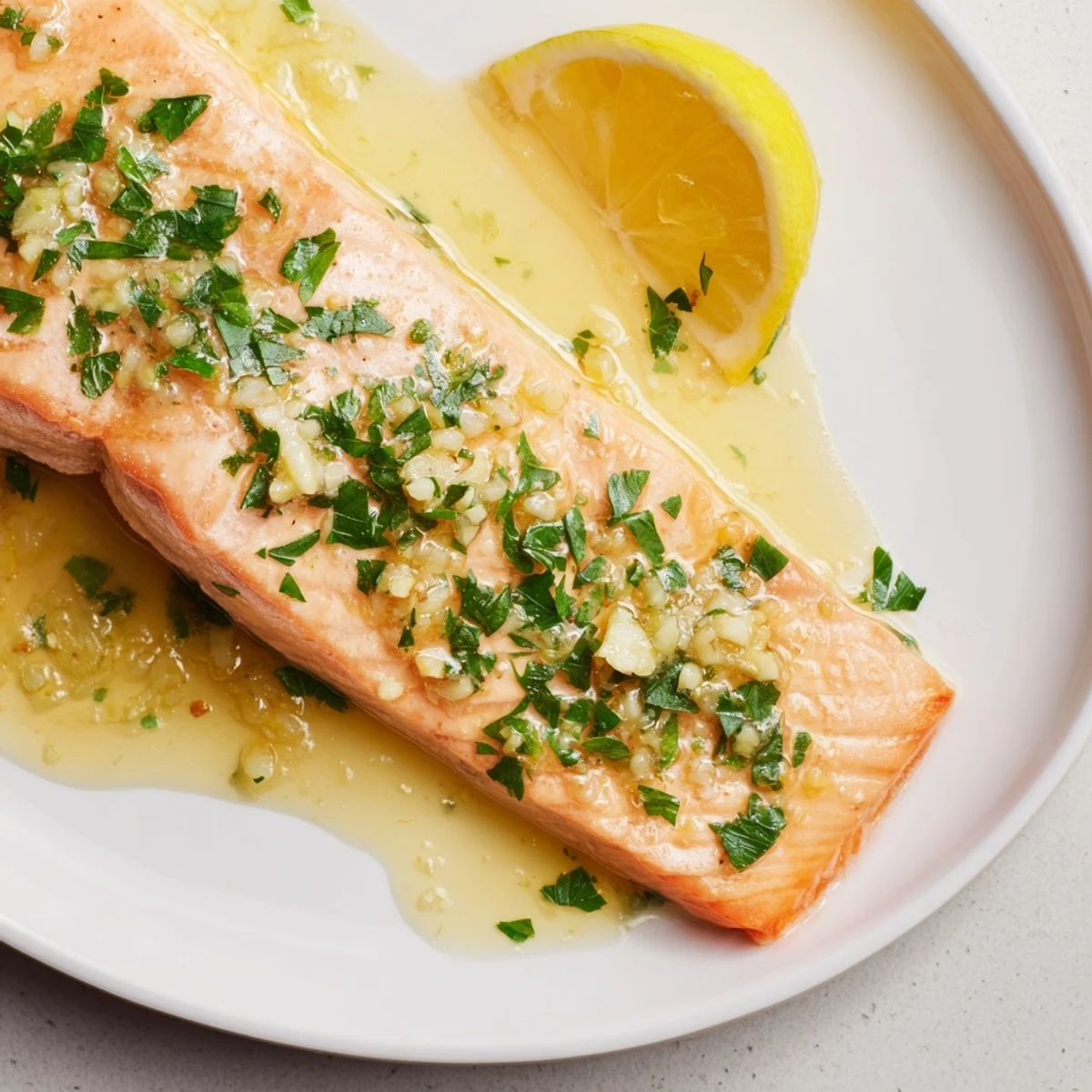
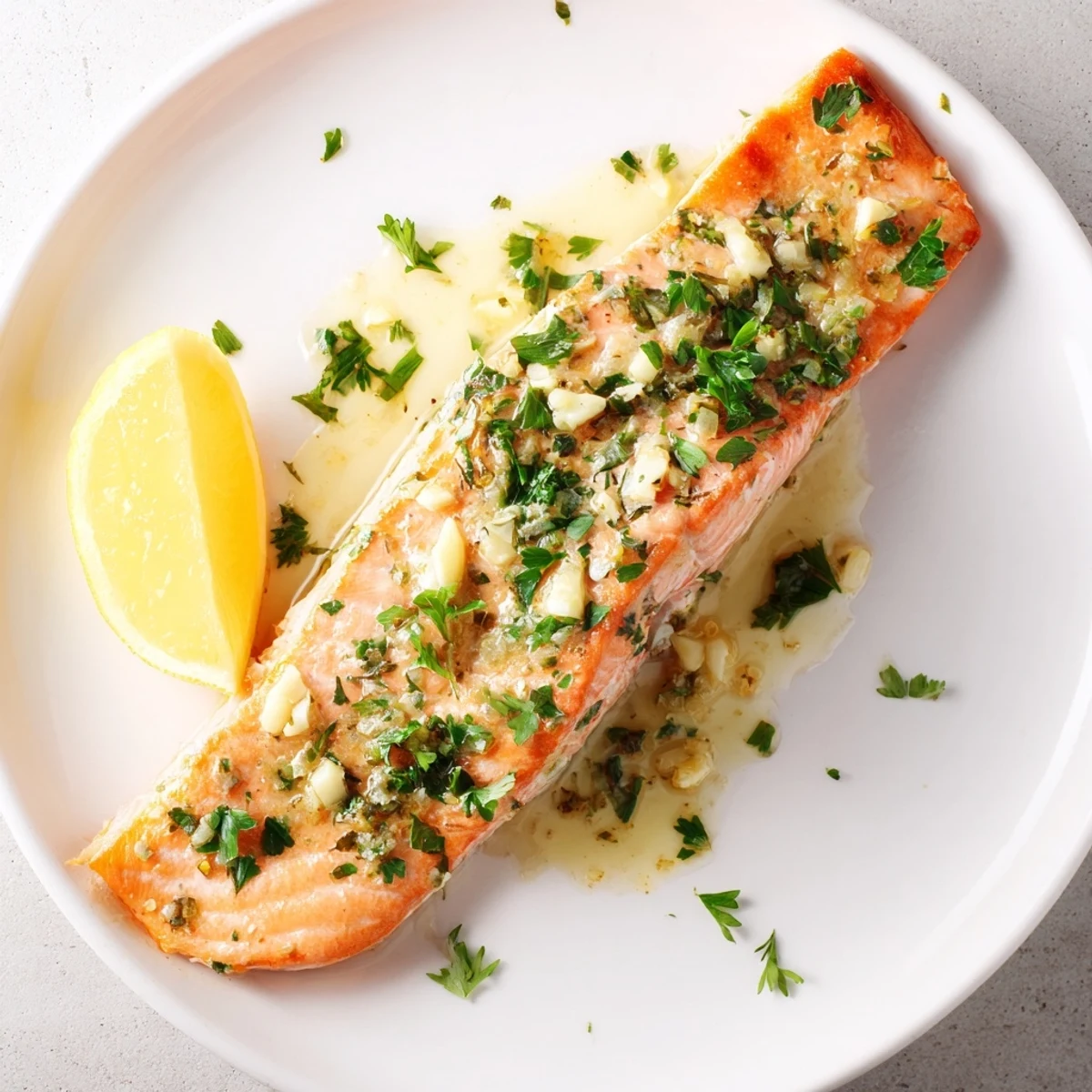
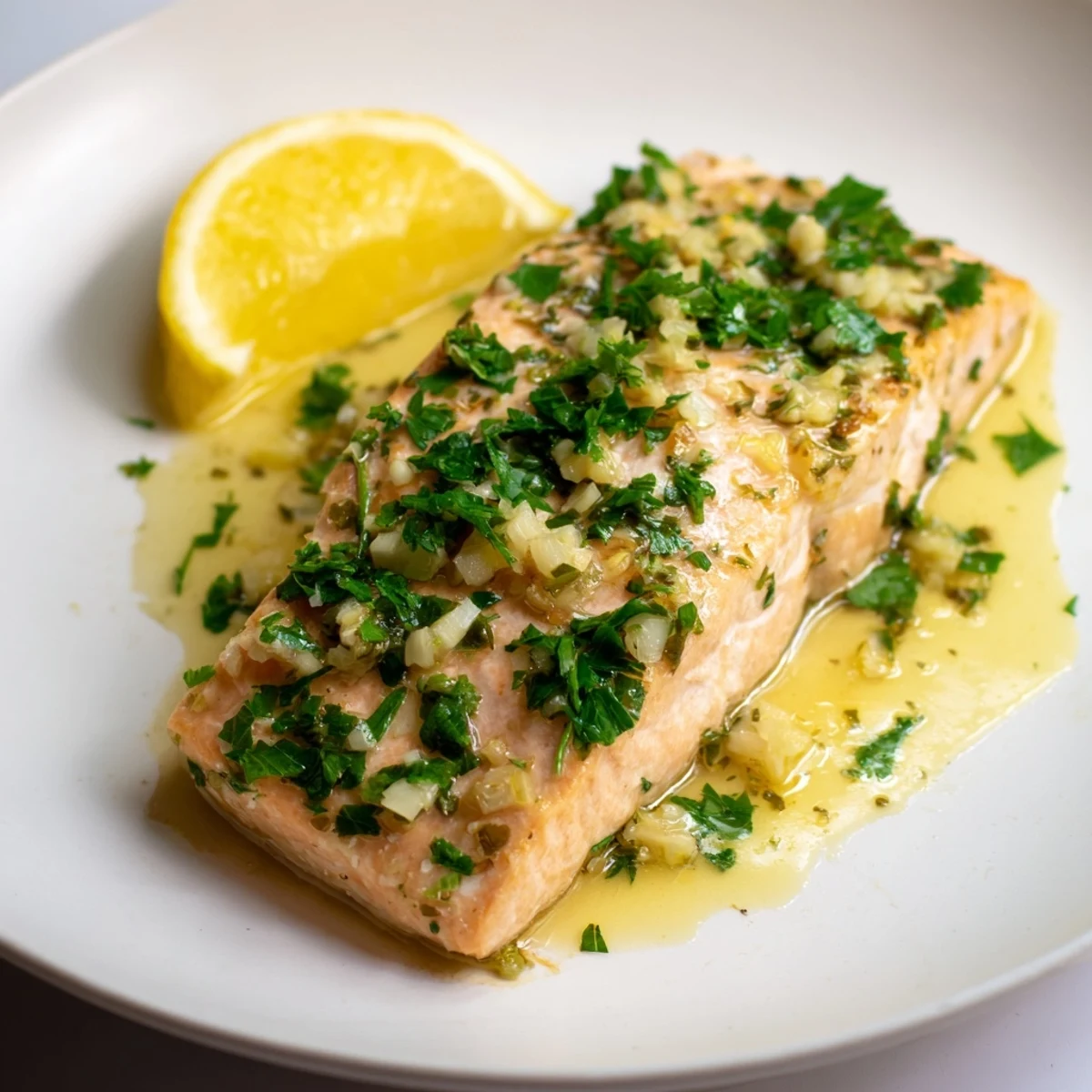
 This dish features salmon fillets baked with a rich garlic butter sauce infused with lemon juice, zest, and fresh parsley. The cooking process is simple yet effective, creating moist and flavorful fish in under 30 minutes. A quick broil at the end adds a golden finish. Perfect for a nutritious and satisfying main course, this preparation highlights fresh ingredients without complicated steps.
There's something about the smell of garlic and butter hitting a hot oven that makes you feel like you've got your life together, even on a Tuesday night when you're too tired to think about dinner. I discovered this salmon recipe entirely by accident—I had fillets thawing, a bulb of garlic that needed using, and about twenty minutes before guests arrived. The result was so simple and so good that I've made it dozens of times since, each time feeling that same small kitchen victory.
I made this for my sister once when she was stressed about a work presentation, and she sat at my kitchen counter just watching the salmon bake, not saying much. When she took that first bite, she literally closed her eyes and exhaled like she'd been holding her breath. That's when I realized this dish does something special—it's humble enough to make on a random weeknight but feels indulgent enough to actually nourish you.
Ingredients
- Salmon fillets (4, about 6 ounces each): Look for fillets with a firm, bright pink color and don't worry too much about skin-on versus skinless—both work beautifully here and it's really just your preference.
- Unsalted butter (3 tablespoons): The foundation of your sauce; unsalted lets you control the salt level and gives you a cleaner, more delicate flavor than salted varieties.
- Olive oil (3 tablespoons): This adds richness without making the sauce heavy, and it keeps everything silky when the butter would seize up on its own.
- Garlic cloves (4, minced): Fresh garlic is non-negotiable here; the moment you start mincing it, that's when you know dinner is about to smell incredible.
- Fresh lemon juice and zest (1 tablespoon juice, 1 teaspoon zest): These brighten everything up and cut through the richness so the dish feels fresh instead of heavy.
- Fresh parsley (1 teaspoon chopped, plus extra): A small handful adds color and a gentle herbal note; save some for the finish because it makes everything look intentional.
- Salt and black pepper (½ teaspoon and ¼ teaspoon): Season conservatively at first—you can always taste and adjust as your sauce comes together.
Instructions
- Heat your oven and prep your pan:
- Set the oven to 400°F and line a baking sheet with parchment paper or give it a light coat of oil—this tiny step keeps everything from sticking and means almost no cleanup later. The oven will be hot and ready by the time you finish the next step.
- Dry and arrange the salmon:
- Pat your fillets completely dry with paper towels (this helps them cook more evenly and the surface will look better). Lay them skin-side down, giving each one a little breathing room on the sheet.
- Make your golden sauce:
- In a small bowl, whisk together the melted butter, olive oil, minced garlic, lemon juice, zest, parsley, salt, and pepper until everything is combined and smells absolutely amazing. The mixture should be pourable but rich-looking.
- Coat the salmon:
- Spoon that gorgeous sauce generously over each fillet, making sure some pools around the edges—this creates little pockets of buttery goodness as everything bakes. You want each piece to look loved and well-tended.
- Bake until just cooked through:
- Slide the sheet into your hot oven for 12 to 15 minutes, depending on the thickness of your fillets. The salmon is done when it's opaque and flakes easily with a fork—the flesh should still have a gentle resistance, not be dry or mushy.
- Finish and serve:
- Pull the sheet from the oven, scatter extra parsley over the top, add lemon wedges on the side, and serve right away while everything is still warm and the sauce is at its silkiest.
 Save to Pinterest
 The first time someone asked me what made this salmon different from ones they'd tried before, I realized it wasn't really about technique or fancy ingredients—it was that I gave the garlic and butter time to get to know each other, warm and fragrant, before they ever touched the fish. That small intentionality somehow translates to something that tastes like care.
Why This Works as a Weeknight Dinner
The beauty here is that everything happens in one pan with almost no active time once the oven closes. You can prep your sauce while the oven heats, spend five minutes getting the salmon ready, and then you've got a solid fifteen minutes to set the table, pour a drink, or just stand there smelling the kitchen and feeling accomplished. By the time you plate it, the whole experience feels way more involved than it actually was.
The Sauce Secret
The combination of butter and olive oil is deliberate and worth understanding—the butter gives you richness and that rounded mouthfeel, while the olive oil keeps everything from breaking and adds a subtle fruity note that makes the garlic sing. They work together like two friends who balance each other out perfectly.
Variations and Personal Touches
This recipe is genuinely forgiving and invites tinkering, which is part of why I keep coming back to it. I've swapped the parsley for dill when I had it on hand, added a pinch of red pepper flakes for warmth, or stirred in a tiny bit of Dijon mustard for intrigue. One winter I pressed fresh thyme on top before baking and felt like a entirely different cook.
- Try a half-teaspoon of Dijon mustard whisked into the sauce for subtle complexity.
- Swap parsley for fresh dill, chives, or tarragon depending on what you have or your mood.
- For a dairy-free version, use all olive oil or a neutral oil and skip the butter entirely.
 Save to Pinterest
 This recipe somehow manages to be both easy enough for a hurried weeknight and special enough that you'd happily make it for someone you want to impress. That's a rare gift in a dish.
Your Recipe Questions Answered
- → How do I prevent salmon from drying out?
-
Patting salmon dry before baking and coating it with a garlic butter sauce helps retain moisture and ensures a tender texture.
- → Can I use other herbs instead of parsley?
-
Yes, dill or chives can be excellent alternatives, offering different but complementary flavors.
- → What is the best cooking temperature for this dish?
-
Baking at 400°F (200°C) allows the salmon to cook evenly and develop a tender, flaky consistency.
- → Is it necessary to broil the salmon at the end?
-
Broiling for 1-2 minutes adds a golden crust but is optional if a softer finish is preferred.
- → Can I make this dairy-free?
-
Substitute butter with extra olive oil to keep it dairy-free without sacrificing flavor.