
 Save to Pinterest
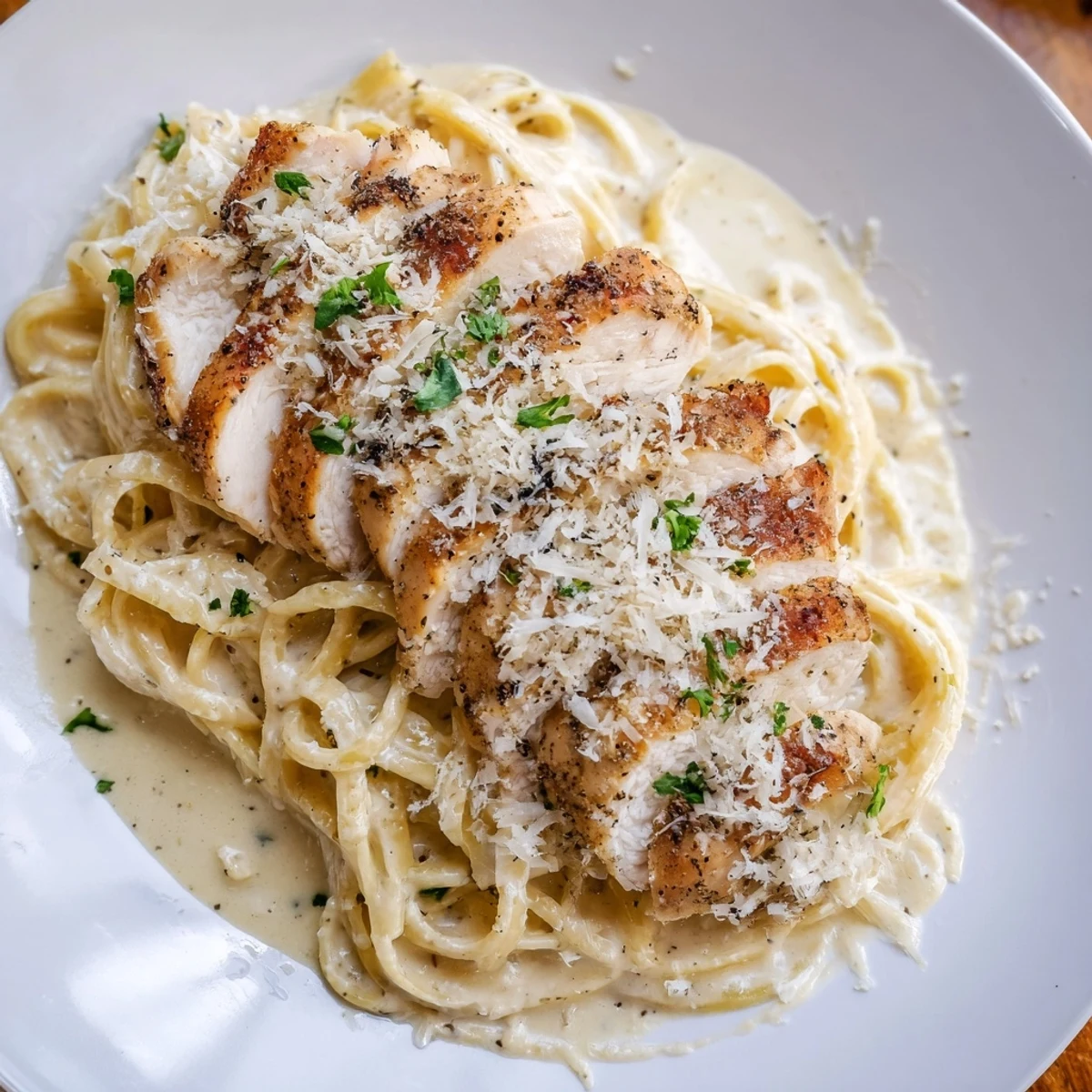
 This dish pairs tender chicken breasts with al dente fettuccine, all coated in a rich Alfredo sauce made from butter, garlic, cream, milk, and Parmesan cheese. Simmered gently until smooth and seasoned perfectly, it’s finished topped with fresh parsley and extra Parmesan. Perfect for an easy, comforting Italian-American style dinner that balances creamy textures with savory chicken.
There's something almost magical about the way cream transforms in a hot pan, going from thin and hesitant to silky and luxurious in just a few minutes. I discovered this dish one weeknight when I had chicken, pasta, and cream in my kitchen but absolutely no plan. What started as an improvisation became something I'd make again and again, each time falling a little deeper into the comfort of it.
I made this for my partner on a rainy evening when neither of us wanted to leave the kitchen, and we ended up staying at the stove together, laughing over how something so elegant could be so simple. The smell of garlic hitting butter filled our whole apartment, and by the time we sat down, it felt like we'd done something far more complicated than we actually had.
Ingredients
- Fettuccine or linguine: 350 g (12 oz)—the wider ribbons catch the cream better than thinner pastas, holding onto the sauce in every bite.
- Boneless, skinless chicken breasts: 2 breasts (about 400 g / 14 oz)—pounding them gently to even thickness keeps them from drying out while they cook.
- Olive oil: 1 tbsp—just enough to get a golden crust on the chicken without making things greasy.
- Salt: 1/2 tsp, plus more to taste—season the chicken generously so it has flavor all the way through.
- Black pepper: 1/4 tsp, plus more to taste—freshly cracked makes all the difference here.
- Garlic powder: 1/2 tsp—a small amount on the chicken gives it depth before the sauce even starts.
- Unsalted butter: 3 tbsp—the base of your sauce, so quality matters; it should smell sweet and clean.
- Fresh garlic: 3 cloves, minced—the moment it hits the butter, your kitchen smells like a restaurant.
- Heavy cream: 240 ml (1 cup)—this is what makes the sauce lush; don't be tempted to skip it or use light cream.
- Whole milk: 120 ml (1/2 cup)—it tempers the richness and keeps the sauce from breaking when you add the cheese.
- Grated Parmesan cheese: 80 g (3 oz)—freshly grated from a block melts like silk; pre-grated cheese has anticaking agents that sometimes make it grainy.
- Ground nutmeg: 1/4 tsp (optional)—just a whisper of it rounds out the cream in a way people taste but never quite identify.
- Fresh parsley: chopped—a green note that cuts through the richness and reminds you that vegetables exist.
- Extra Parmesan: for garnish—a final handful scattered on top adds texture and keeps the sauce from feeling one-note.
Instructions
- Get the water going:
- Fill a large pot with water, salt it like the sea, and let it come to a rolling boil before you add the pasta. This is your timer for everything else and your insurance policy against pasta that tastes bland.
- Cook the pasta right:
- Follow the package timing but taste a minute early—al dente means it still has a slight firmness when you bite it, not soft all the way through. Scoop out about half a cup of that starchy water before you drain; it's liquid gold for loosening the sauce later.
- Prep and season the chicken:
- Pat your chicken breasts dry with paper towels so they'll brown instead of steam. Sprinkle salt, pepper, and garlic powder on both sides and let them sit while you do other things—the seasoning soaks in.
- Get that golden crust:
- Heat olive oil in a large skillet over medium-high heat until it shimmers, then add the chicken. Resist the urge to move it around; let it sit for 5 to 6 minutes until it's golden brown on one side, flip it, and repeat on the other side until it's cooked through. A meat thermometer should read 165 degrees Fahrenheit, but honestly, if there's no pink when you slice it, you're good.
- Let it rest:
- Once the chicken is cooked, pull it out of the pan and let it sit on a clean cutting board for about 5 minutes—this keeps the juices from running all over your plate. Slice it into strips after it's rested.
- Start the sauce magic:
- In that same skillet, melt the butter over medium heat. It should smell rich and toasted, not burnt—if it starts to brown too much, pull it off the heat for a second. Toss in your minced garlic and let it sizzle for just about a minute until it stops being sharp and becomes fragrant.
- Cream it together:
- Pour in the heavy cream and milk, stirring as you go. Watch as it warms and small bubbles start forming around the edges—that's a gentle simmer, which is what you want. If it ever looks like it's boiling hard, dial the heat back down.
- Melt the cheese in:
- Turn the heat down to low before you add the Parmesan, then stir constantly for a couple of minutes. You're looking for a smooth, silky sauce with no visible bits of cheese. If you're using nutmeg, this is when it goes in, a small pinch that you'll barely see but definitely taste.
- Bring it all together:
- Add the cooked pasta to the sauce and toss until every strand is coated. If it looks too thick, add a splash of that reserved pasta water and stir—you might need two or three splashes to get the consistency right, somewhere between a cling and a puddle.
- Finish and serve:
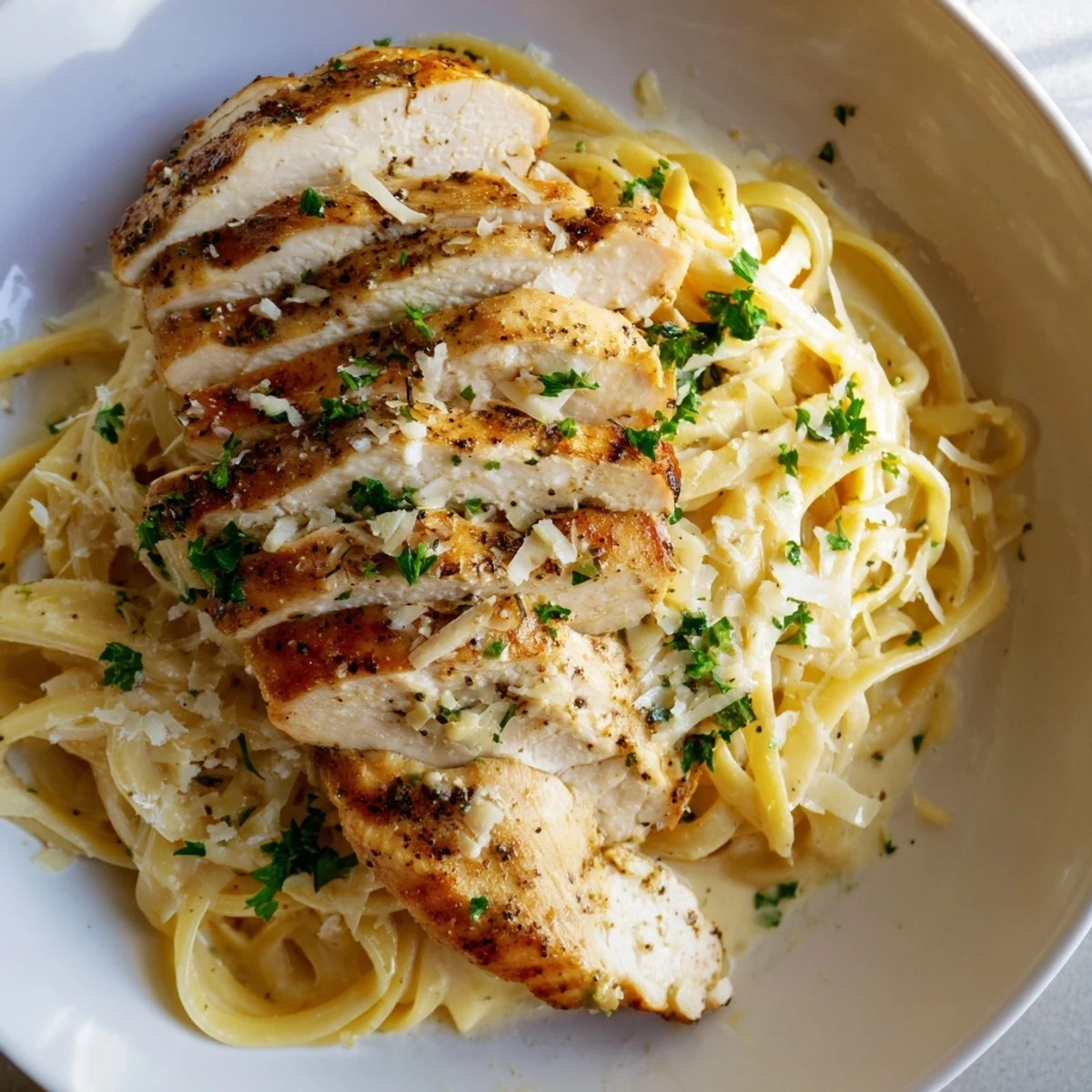
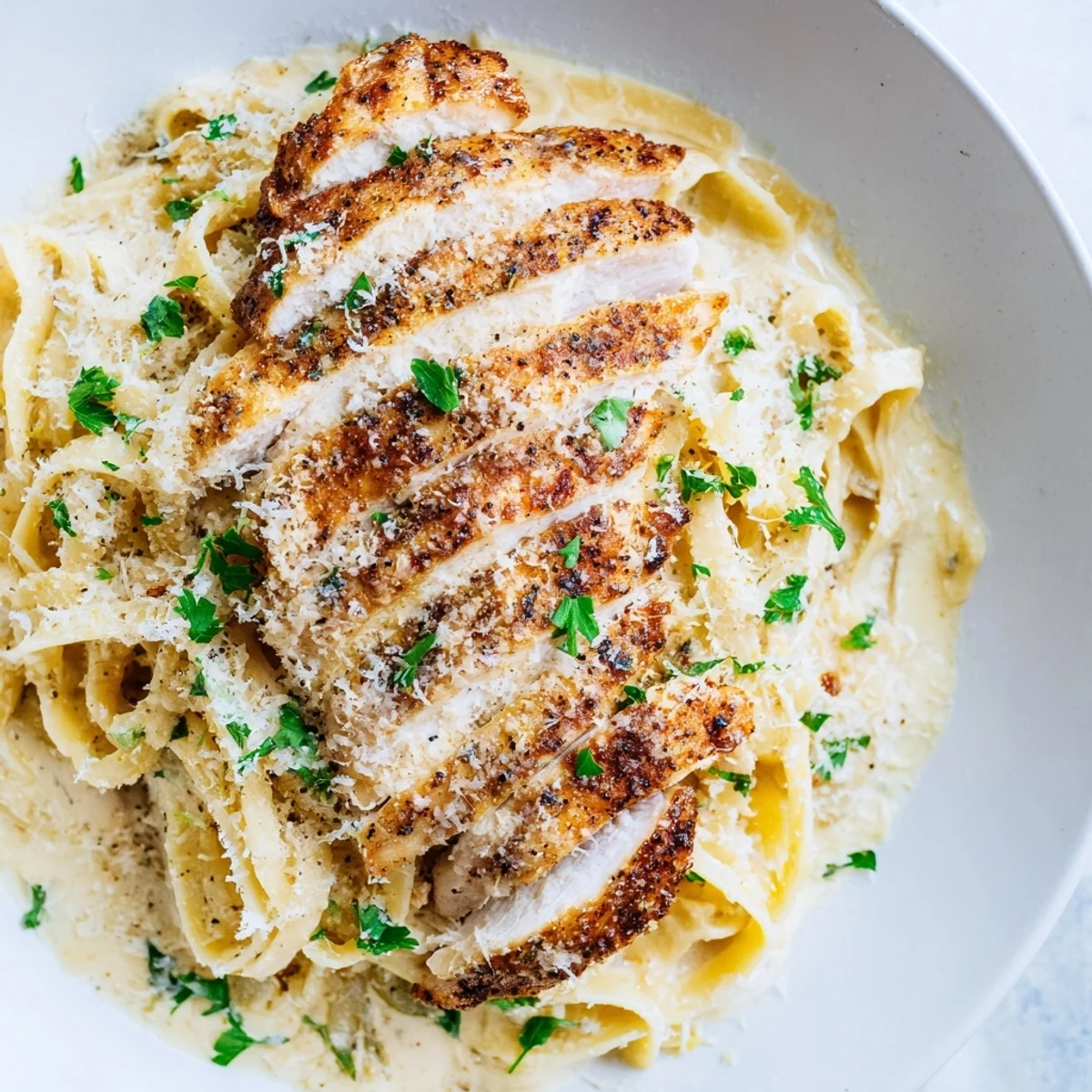
- Lay the sliced chicken on top of the pasta, scatter parsley and extra Parmesan over everything, and serve immediately while it's still warm and creamy. Don't let it sit or the sauce will keep thickening.
 Save to Pinterest
 There's a moment when the last strand of pasta gets coated in sauce and the chicken settles on top, steaming and golden, when I remember why I keep coming back to this dish. It's not trying to be anything other than what it is—comfort in a bowl, made by your own hands in less time than it takes to order delivery.
Why This Sauce Works Every Time
The secret to a sauce that doesn't break or separate is balance—the milk keeps the cream from being too heavy, the pasta water helps it cling to the noodles, and the low heat makes sure the cheese stays silky instead of turning into clumps. Once you understand this, you can make variations with your eyes closed, which is exactly when cooking stops feeling like a recipe and starts feeling like something you just know how to do.
Making It Your Own
This is the kind of dish that invites tinkering. I've made it with shrimp on nights when I didn't have chicken, with sautéed mushrooms when I wanted to go vegetarian, and even with a handful of frozen peas stirred in at the end for color. The bones of the recipe stay the same—cream, cheese, heat, timing—but everything else can shift depending on what's in your kitchen or what you're craving.
Pairing and Serving
A crisp white wine like Pinot Grigio or Chardonnay cuts through the richness of the cream in a way that makes you want another bite and another sip. A simple green salad with lemon dressing on the side does the same thing, giving your palate somewhere to rest between bites of pasta. Garlic bread would not go unappreciated either, just saying.
- Serve immediately while the sauce is still silky; it thickens as it cools.
- Leftovers reheat gently in a pan with a splash of milk stirred in, though honestly this is best eaten fresh.
- If you make extra sauce, it keeps in the fridge for a couple of days and makes an incredible base for soup or a dip.
 Save to Pinterest
 Make this when you need to remember that good food doesn't have to be complicated, and that some of the best moments in the kitchen come from the simplest things. It's the kind of dish that tastes like care without requiring any fuss.
Your Recipe Questions Answered
- → How do I ensure the chicken stays tender?
-
Pat the chicken dry before seasoning, then cook it on medium-high heat for 5–6 minutes per side. Let it rest before slicing to retain juices.
- → Can I use a different pasta type?
-
Fettuccine or linguine work best for holding the creamy sauce, but feel free to substitute with other long pasta shapes as preferred.
- → What’s the best way to achieve a smooth sauce?
-
Simmer the cream and milk gently, stirring constantly while melting the Parmesan cheese into the sauce to prevent clumping.
- → How can I adjust the sauce consistency?
-
Use reserved pasta water gradually to loosen the sauce to your preferred texture while tossing with the pasta.
- → Are there good ingredient substitutions?
-
Sautéed mushrooms or shrimp can replace chicken for a different flavor twist, maintaining the creamy theme.