
 Save to Pinterest
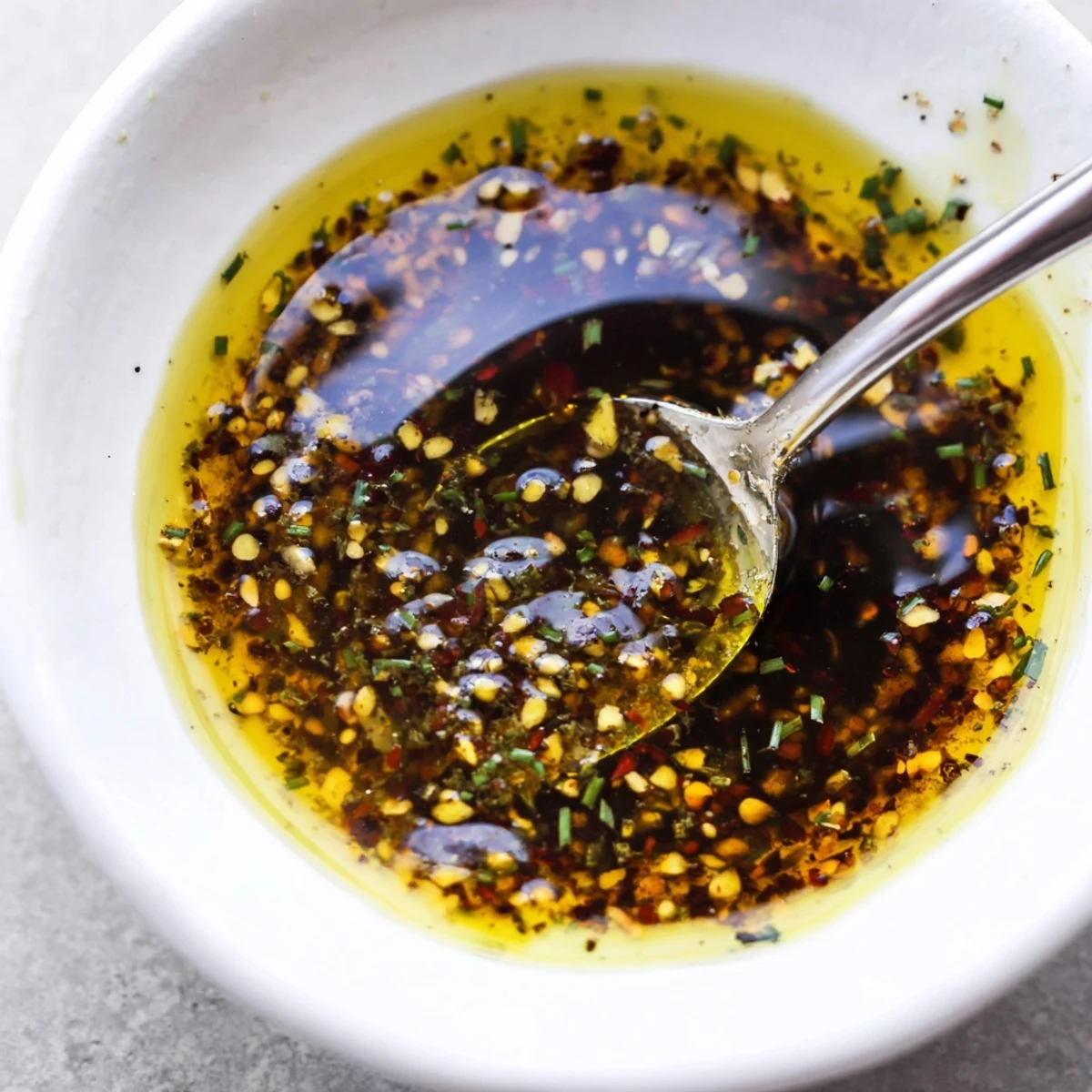
 This classic French vinaigrette comes together in minutes by whisking red wine vinegar with Dijon mustard, a touch of honey and minced garlic, then slowly streaming in extra virgin olive oil to emulsify. Season to taste with salt and freshly ground pepper; fold in chopped herbs for brightness. Use immediately on crisp greens or roasted vegetables, or chill up to a week for quick dressings and marinades.
My grandmother never measured anything when she made vinaigrette, and watching her wrist flick the whisk around a small bowl felt like watching someone conduct a tiny orchestra. She would taste, squint, add a drop more vinegar, and taste again until it sang. It took me years to realize she wasnt being mysterious, she just understood that the balance shifts depending on the oil, the mustard, even the mood of the garlic that day.
I ruined a perfectly good salad at a dinner party once by using a heavy hand with the red wine vinegar, and my friend politely drowned the whole thing in ranch from the fridge. That humiliation taught me more about balance than any cookbook ever could.
Ingredients
- Extra virgin olive oil (3 tbsp): Use the best oil you can afford because this is the body of the dressing and any bitterness will shine through.
- Red wine vinegar (1 tbsp): White wine vinegar works too, but red wine vinegar gives a rounder, fruitier tang that plays beautifully with greens.
- Dijon mustard (1 tsp): This is the magic binder that holds everything together in a creamy emulsion instead of a separated mess.
- Honey or maple syrup (1 tsp, optional): Just a touch rounds off the sharp edges and makes the whole dressing feel more luxurious.
- Garlic clove, finely minced (1 small, optional): Rub the bowl with it first if you want a whisper of garlic rather than a shout.
- Salt: Add gradually and taste as you go because oversalting is the one mistake you cannot whisk away.
- Freshly ground black pepper: Pre ground tastes flat here, so invest the ten seconds it takes to crack it fresh.
Instructions
- Build the foundation:
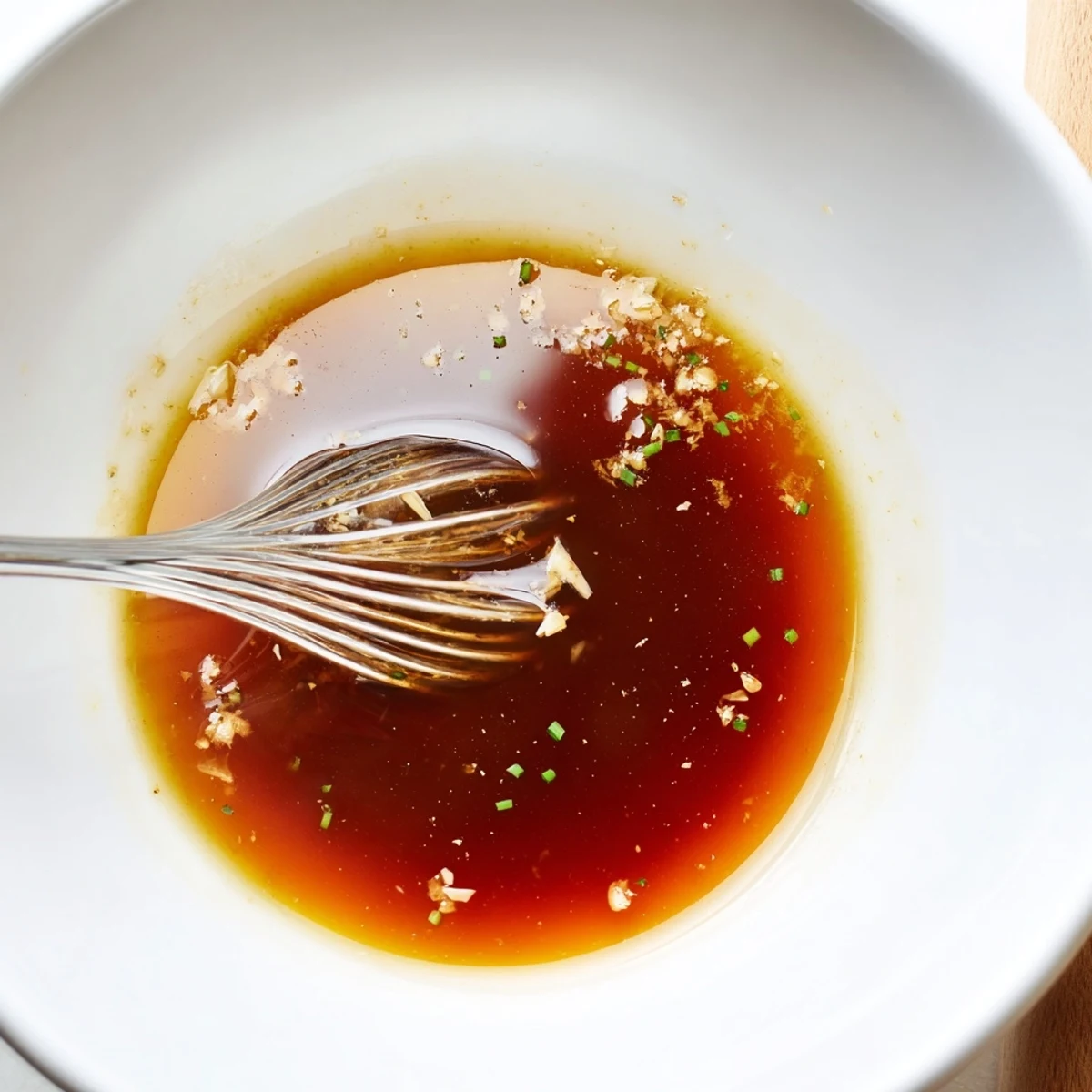
- In a small bowl, whisk the vinegar, Dijon mustard, honey if you are using it, and minced garlic until the mixture looks unified and the mustard dissolves completely. Stop and smell it because that sharp, clean aroma tells you the acid is awake.
- Slowly add the oil:
- Drizzle the olive oil in a thin, steady stream while whisking like you mean it, and you will feel the dressing transform from watery to silky in your hand. This emulsification is the whole secret, so resist the urge to dump the oil all at once.
- Season and adjust:
- Add salt and pepper, stir, then dip a piece of lettuce in and taste it that way rather than tasting the dressing alone. Dressing on a spoon lies to you because it needs the greens to show you its true self.
- Serve or store:
- Pour it over your salad immediately for the freshest result, or tuck it into a sealed jar in the refrigerator where it will keep happily for up to a week. Just shake it before using because separation is natural and nothing to worry about.
 Save to Pinterest
 A jar of homemade vinaigrette sitting in the fridge door is a quiet act of self care that makes every random lunch feel intentional.
Fresh Herbs Change Everything
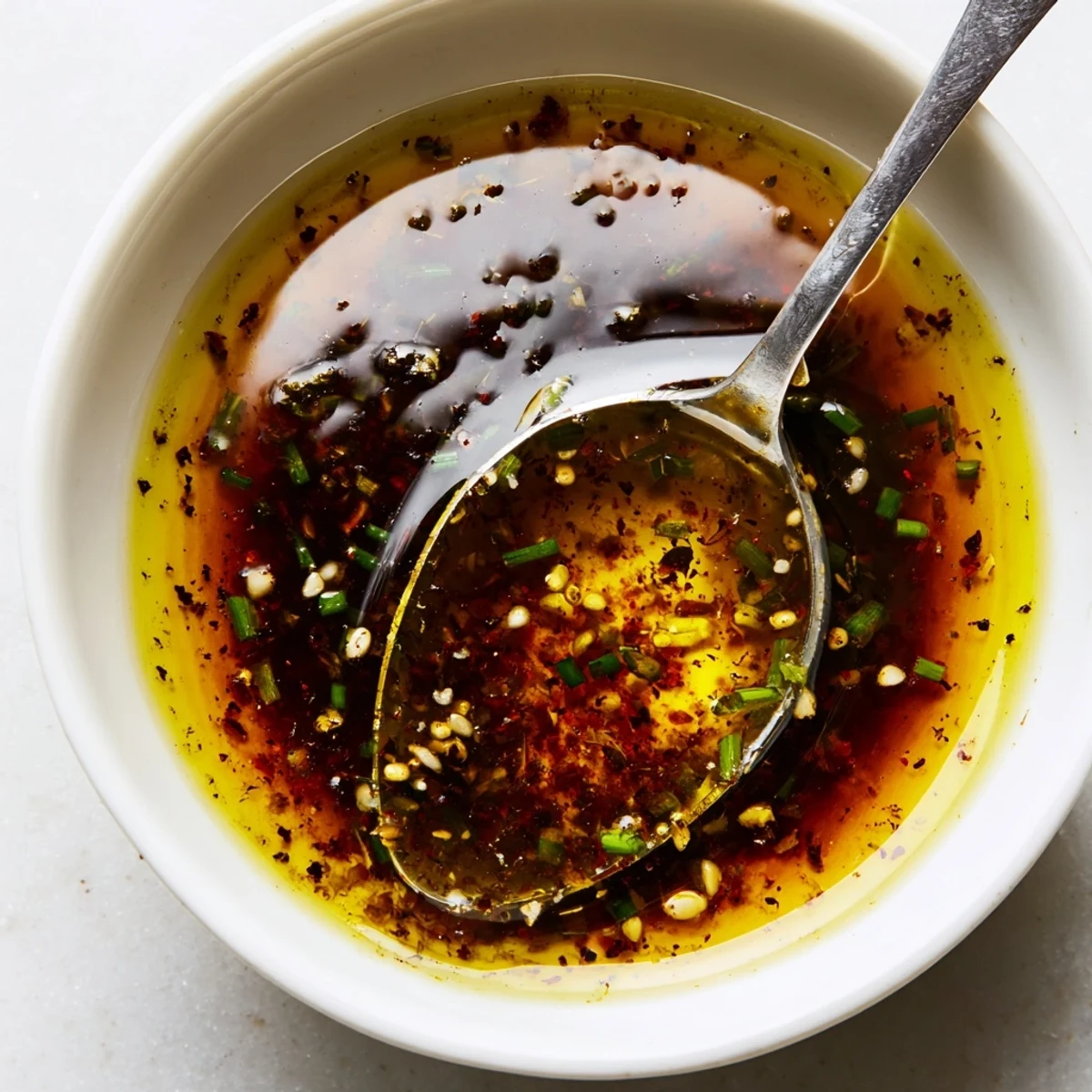
Tossing in chopped parsley, tarragon, or chives at the end turns a basic dressing into something that tastes like a French bistro made it. Tarragon is the unsung hero here, lending a faint anise sweetness that makes people ask what your secret is.
Swapping the Acid
Lemon juice can stand in for vinegar entirely, and on a hot summer evening it makes the whole thing taste lighter and brighter. I sometimes use half vinegar and half lemon juice when I want complexity without thinking too hard about it.
Making It Creamier
A spoonful of Greek yogurt folded in at the end gives the dressing a luxurious body that clings to every leaf instead of pooling at the bottom of the bowl. This is also a brilliant trick if your oil and vinegar refuse to emulsify properly because the yogurt forces them to behave.
- Start with one tablespoon of yogurt and add more only if you want it thicker.
- This version is especially good on hearty salads with grains or roasted vegetables.
- Remember that the yogurt version will not keep as long, so use it within three days.
 Save to Pinterest
 Five minutes, a bowl, and a whisk stand between you and never settling for store bought dressing again. Trust your taste buds and let the rest follow.
Your Recipe Questions Answered
- → How do I get a stable emulsion?
-
Whisk the vinegar, mustard and any sweetener first, then add the olive oil in a slow, steady stream while whisking vigorously. Mustard acts as an emulsifier to help bind oil and acid into a smooth dressing.
- → Can I substitute lemon juice for vinegar?
-
Yes. Lemon juice provides a brighter, citrusy acidity. Use the same volume, then taste and adjust salt and sweetener to balance the sharper flavor.
- → How long will the vinaigrette keep?
-
Stored in a sealed container in the refrigerator, the vinaigrette will keep for up to one week. Re-whisk or shake before using, as the oil and vinegar naturally separate.
- → What mustard should I use?
-
Dijon mustard is ideal for its sharp, smooth flavor and emulsifying ability, but whole-grain mustard can add texture and a rustic note. Adjust quantity to taste.
- → How can I vary the flavor?
-
Stir in chopped herbs like parsley, tarragon or chives, swap red wine vinegar for white wine vinegar or lemon, or add a spoonful of Greek yogurt for creaminess. A pinch of chili flakes adds heat.
- → What pairs well with this vinaigrette?
-
It brightens leafy salads, pairs with roasted vegetables, and works as a quick marinade for grilled chicken or fish. Use sparingly on delicate greens to avoid wilting.