
 Save to Pinterest
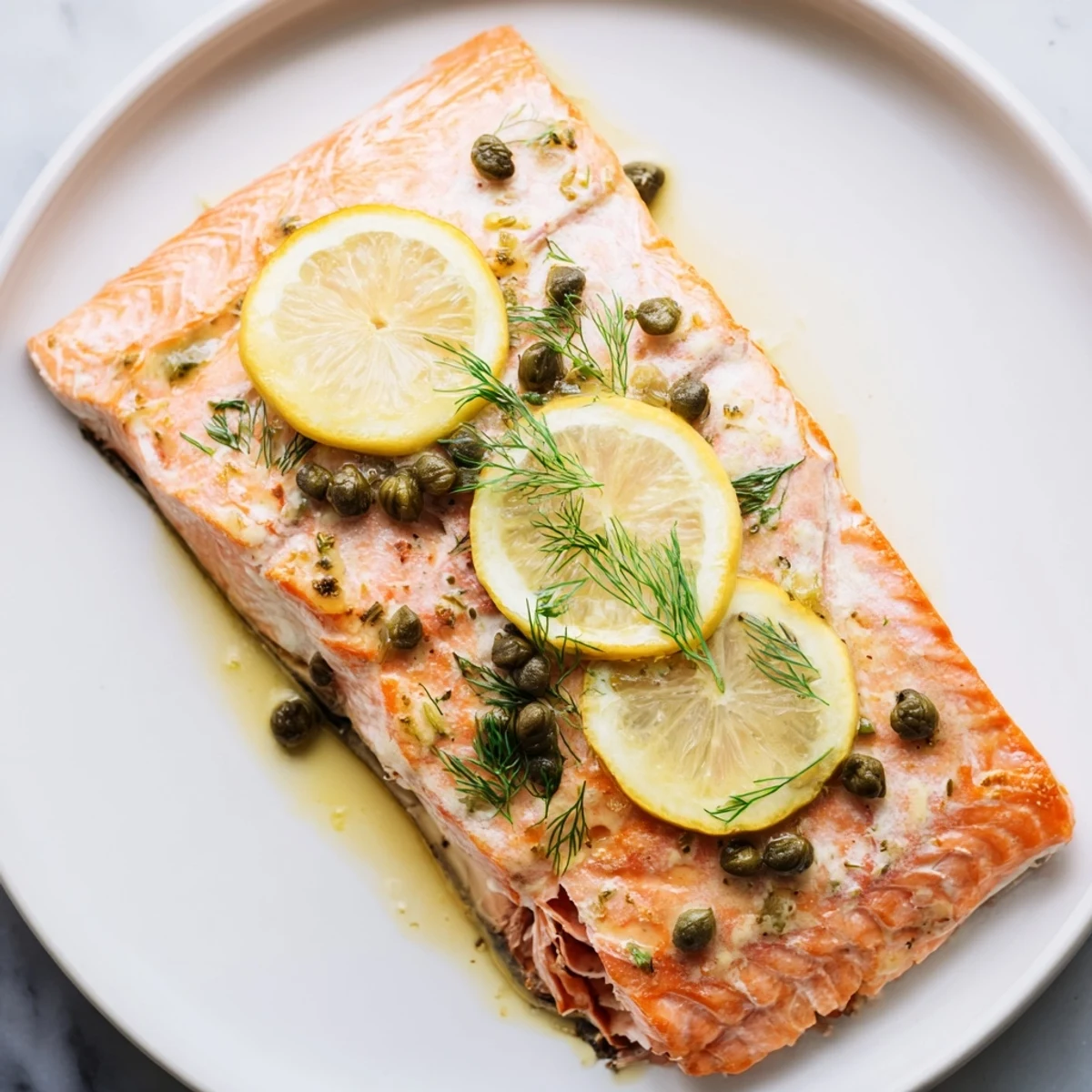
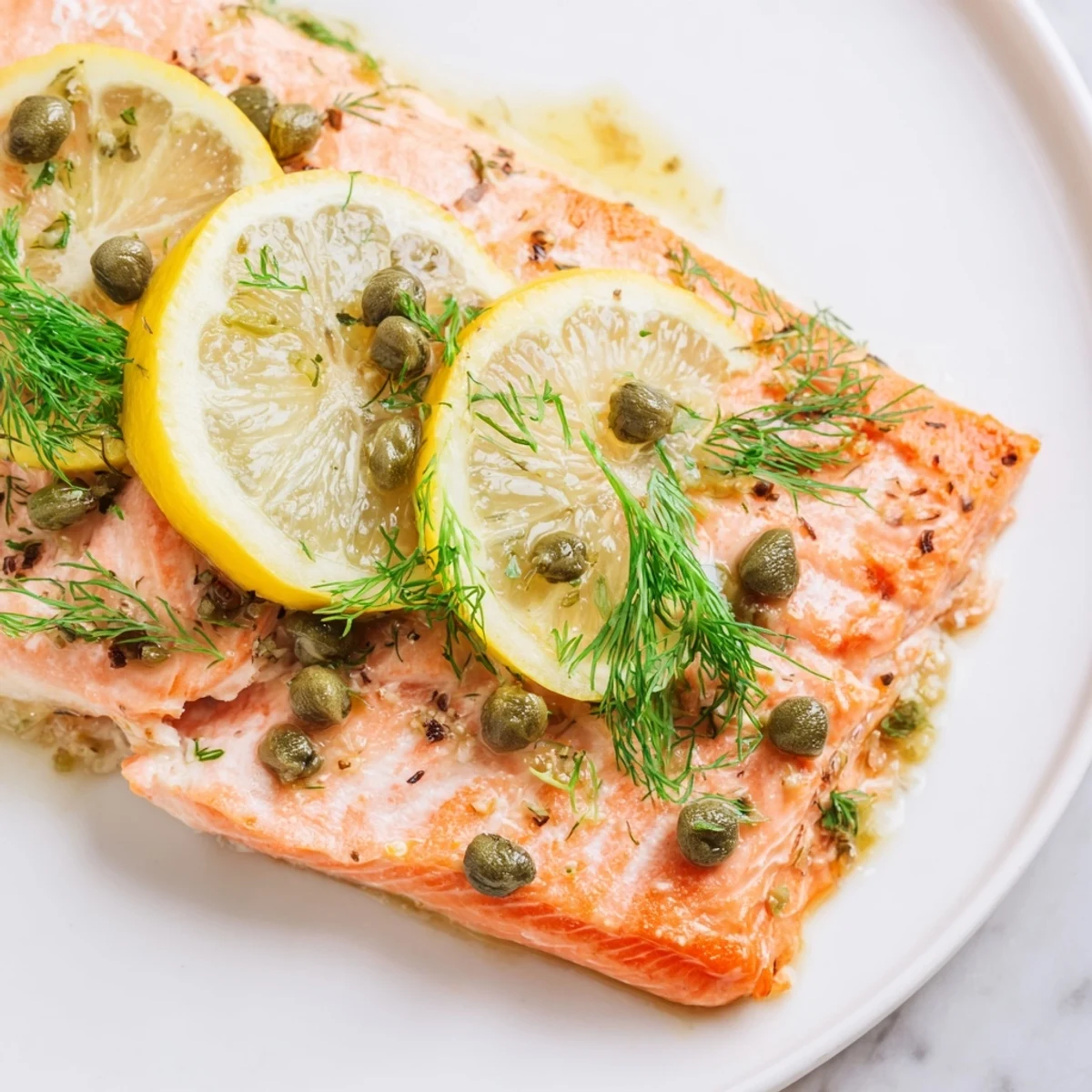
 This dish features tender salmon fillets baked until flaky, enhanced by the fresh, aromatic flavors of dill and bright lemon zest. Capers add a subtle briny punch that complements the mild fish perfectly. Quick to prepare and easy to cook, it's ideal for a nutritious main course. Serve with steamed vegetables or roasted potatoes to complete a wholesome meal that's both light and satisfying.
There's something almost meditative about sliding a sheet of salmon into the oven—that moment when you realize dinner is essentially solved in under thirty minutes. I discovered this baked salmon method on a Tuesday evening when I was caught between exhaustion and the need to impress, and it's become my quiet hero ever since. The lemon zest hits your nose before anything else, a bright signal that something good is happening behind the oven door. Now whenever I need a meal that feels both effortless and elegant, this is where I turn.
I made this for my sister's surprise dinner party once, and watching her face when she tasted that first bite—the way her eyes closed for just a second—that's when I knew this recipe was keeper material. She kept asking what restaurant it came from, and I got to admit it was my oven the whole time. That moment of quiet pride while everyone else was busy eating, that's what this salmon represents to me now.
Ingredients
- Salmon fillets (4 fillets, 6 oz each): Look for fillets that are firm and smell like the ocean, not fishy—a good fishmonger makes all the difference here.
- Olive oil (2 tablespoons): Use something you'd actually taste on its own; this isn't the place to hide behind a generic bottle.
- Fresh lemon juice (1 tablespoon) and lemon zest (1 teaspoon): Fresh lemon is non-negotiable because the acid cuts through the richness and the zest carries brightness straight through to the plate.
- Sea salt (1 teaspoon) and black pepper (1/2 teaspoon): Season generously but let the salmon and lemon do most of the talking.
- Capers (2 tablespoons, rinsed and drained): Rinsing them is the step everyone wants to skip, but those vinegary pockets need tempering so they don't overpower everything else.
- Fresh dill (2 tablespoons chopped, plus extra): Fresh dill wilts slightly in the oven and becomes almost sweet—frozen dill tastes like nothing, so don't even think about it.
- Lemon slices (from 1 medium lemon): These aren't just decoration; they protect the top of the salmon from drying out and perfume the whole dish as they roast.
Instructions
- Set your stage:
- Preheat the oven to 400°F and line your baking dish with parchment paper—this saves you from scrubbing later and lets the salmon cook evenly without sticking. You want the oven hot enough that the salmon gets a gentle sear but not so aggressive that the outside burns before the inside cooks through.
- Arrange and season:
- Lay your salmon fillets skin-side down in the prepared dish, then whisk together the olive oil, lemon juice, zest, salt, and pepper in a small bowl. The mixture should smell bright and alive, and when you brush it over the fillets, you should see a thin glossy coat that clings to the fish.
- Layer your flavors:
- Sprinkle the rinsed capers and chopped dill directly over each fillet, then crown each one with a lemon slice or two—they'll nestle right on top and become part of the cooking process. This is where the dish comes together visually; it should look intentional and generous.
- Bake until just cooked through:
- Slide everything into the oven and set a timer for 15 minutes, then peek—the salmon is done when it flakes easily with a fork and hits 145°F internally, which usually takes about 18 minutes total. You'll know it's right when the flesh is opaque but still has the faintest blush of pink inside.
- Finish and serve:
- Pull it from the oven, scatter extra fresh dill over the top while everything is still warm, and serve immediately while the lemon slices are still fragrant and the dill is bright.
 Save to Pinterest
 There was this one night when someone at the table mentioned they'd never had salmon at home before, only ever at restaurants, and I watched this recipe quietly shift from "weeknight dinner" to "small moment of introduction." That's when I understood that the simplest meals can carry the biggest meaning.
Why This Method Works
Baking is a forgiving technique that treats salmon gently—no active stirring, no watching and worrying, just the consistent, even heat that turns a raw fillet into something tender in eighteen minutes. The lemon and capers create an acidic environment that actually helps cook the fish while keeping it moist, so every bite tastes bright instead of flat. I've tried pan-searing, poaching, and grilling salmon, but this oven method is the one I return to because it's the least fussy and the most reliably delicious.
What to Serve Alongside
Steamed asparagus or roasted potatoes are the natural companions here, soaking up any pan juices and adding substance without competing for attention. A simple green salad with a vinaigrette cuts through the richness of the salmon oil and makes the meal feel complete and balanced. Some nights I do all three sides and call it dinner; other nights I keep it to just one and spend my energy on a good bottle of wine instead.
Small Tweaks That Matter
The beauty of this recipe is how it bends without breaking—you can swap parsley for dill if that's what you have, add a pinch of garlic powder to the oil mixture, or even lay a thin slice of butter on top of each fillet just before baking if you're feeling generous. The core technique stays the same, and the salmon always comes out tasting like someone who knows what they're doing made it. Just remember these last-minute thoughts before you slide it in the oven.
- Pat the salmon dry with paper towels before seasoning so the oil and lemon juice actually coat the fish instead of sliding off moisture.
- Use a pastry brush if you have one, but your fingers work just fine if you don't—just be gentle and deliberate about it.
- Trust that 145°F is the magic number; any higher and the salmon starts to feel dense instead of tender.
 Save to Pinterest
 This salmon has become my answer to so many questions: the weeknight dinner question, the "I want to impress someone" question, the "I'm tired but I still want real food" question. It never lets me down.
Your Recipe Questions Answered
- → How do I know when the salmon is cooked?
-
Salmon is done when it flakes easily with a fork and reaches an internal temperature of 145°F (63°C).
- → Can I substitute dill with another herb?
-
Parsley can be used as a mild substitute, though dill offers a unique fresh flavor that complements salmon best.
- → What sides pair well with this dish?
-
Steamed asparagus, roasted potatoes, or a fresh green salad balance the dish nicely.
- → How should I prepare the salmon before baking?
-
Brush the fillets with olive oil mixed with lemon juice, zest, salt, and pepper, then sprinkle capers and dill on top before baking.
- → Are capers safe for people with allergies?
-
Capers are generally allergen-free but always check for cross-contamination if allergies are a concern.