
 Save to Pinterest
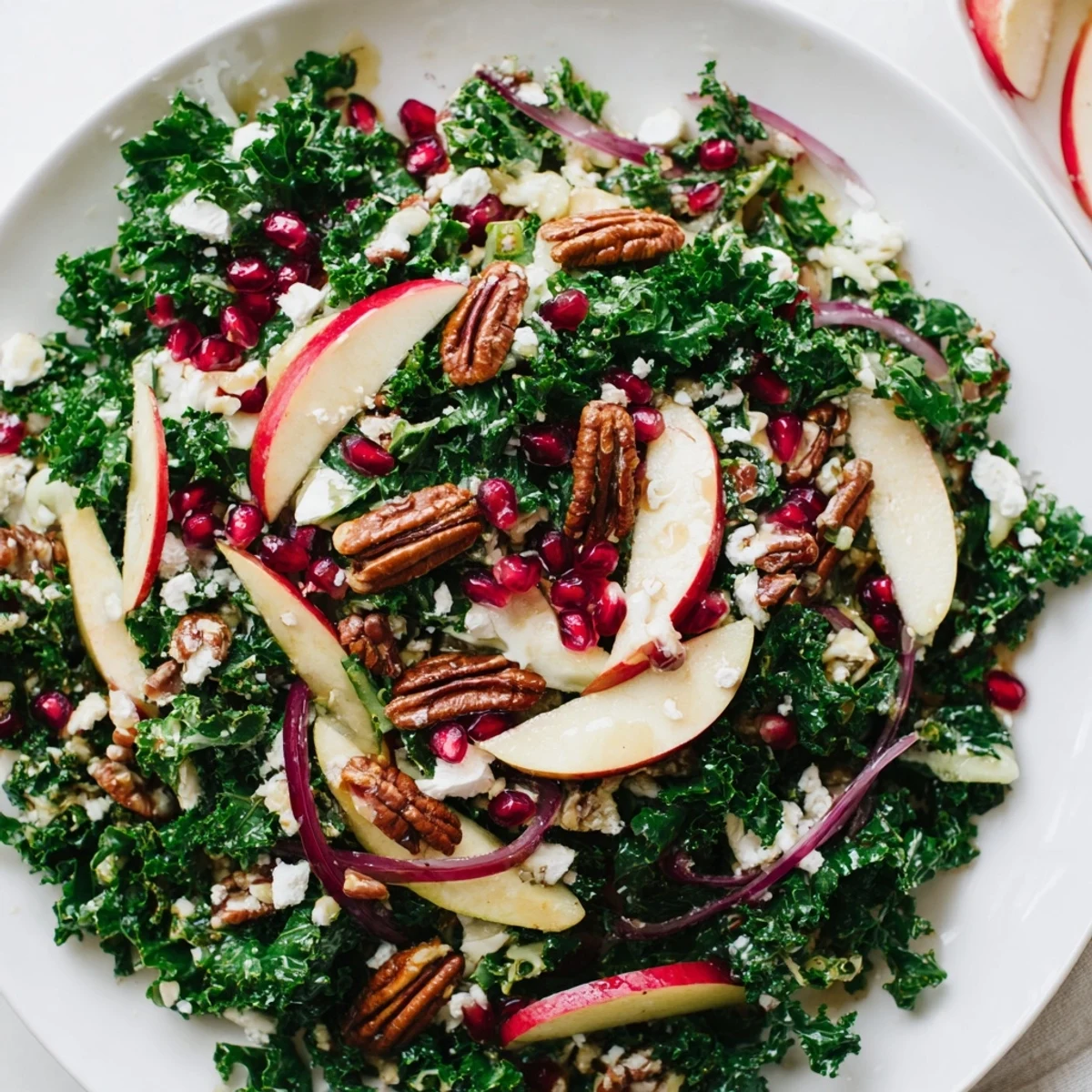
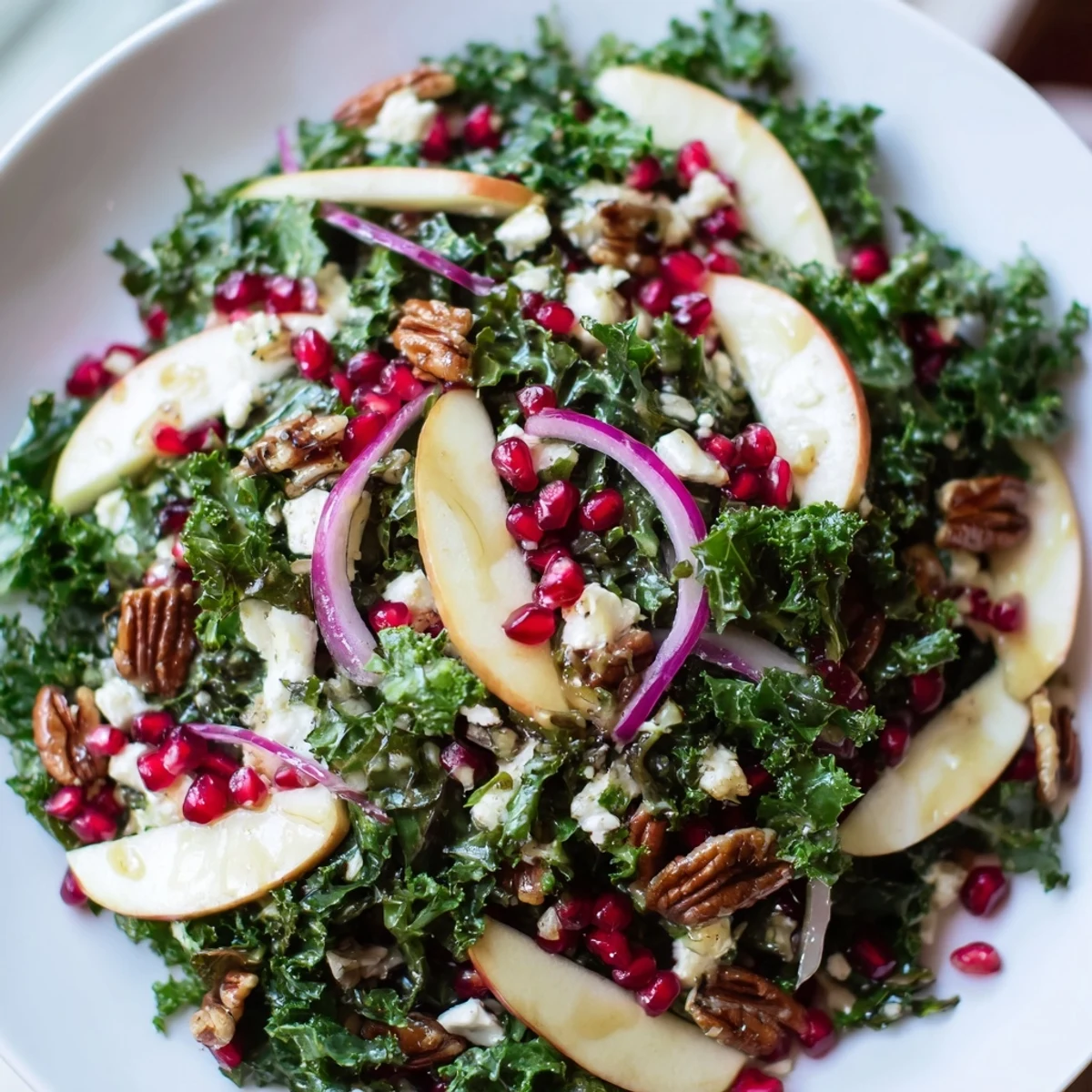
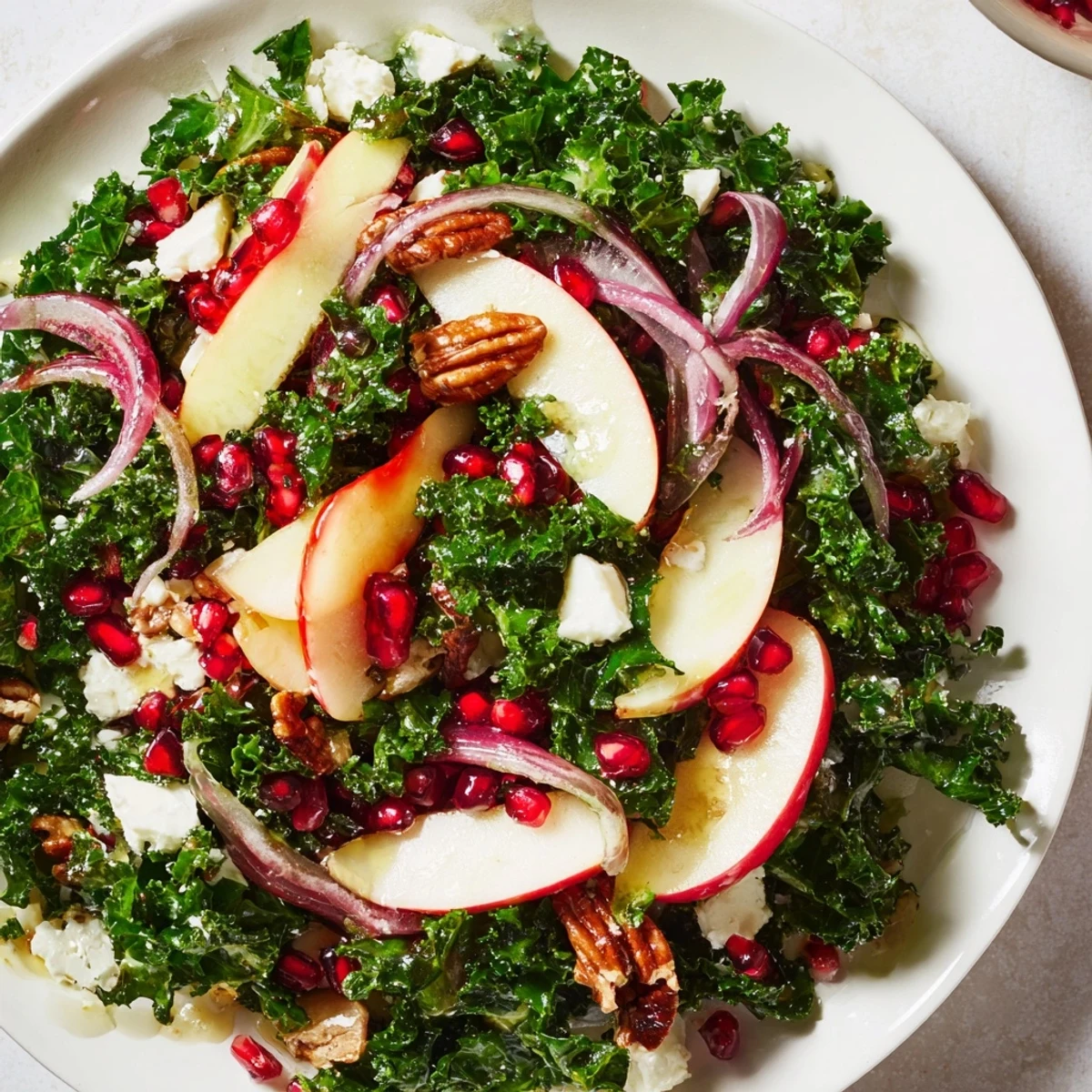
 This winter salad showcases tender kale massaged for softness, topped with juicy pomegranate seeds, crisp apple slices, and toasted pecans for crunch. A zesty citrus dressing of lemon, orange, Dijon mustard, and honey ties all flavors together. Optional crumbled feta adds creamy contrast. Quick to prepare and served chilled, it’s perfect as a refreshing side or light main. Versatile options include vegan adaptations and nut substitutes.
There's something about pomegranate season that makes me want to build a salad around those jewel-like seeds. I was standing in the produce section one December afternoon, and the deep red of the pomegranates caught my eye so completely that I abandoned my original shopping list. Within minutes, I'd gathered kale, pecans, and a few other things, convinced I was onto something. That salad became the thing I made for friends who dropped by, and it never disappointed.
I made this for a small dinner one winter evening when I was trying to keep things light but still impressive. My friend bit into a forkful and immediately asked for the recipe, which made me realize this wasn't just a salad I loved, it was one that connected with other people too. Now it's become my go-to when I want something that feels both nourishing and celebratory at the same time.
Ingredients
- Curly kale: Choose the darkest, most vibrant bunch you can find, and don't skip the massaging step. It's the difference between tough greens and something tender you'll actually want to eat.
- Pomegranate seeds: These burst with tart sweetness and look stunning. Buy them fresh and seed them yourself if you can, though they can be prepped an hour ahead.
- Apple: Slice it thinly right before assembling so it stays crisp and bright. The slight tartness balances the earthiness of the kale beautifully.
- Red onion: A thin slice adds a sharp, refreshing bite. Don't skip it even though it seems like a small ingredient.
- Pecans: Toasting them for just a few minutes in a dry pan transforms them from mild to nutty and brings out their natural sweetness.
- Feta cheese: Optional but recommended. The salty creaminess plays perfectly against the citrus. Use fresh feta if you can find it.
- Citrus dressing: The combination of lemon and orange juice is the soul of this salad. Don't use bottled juice. A little honey balances the acid and helps everything emulsify together.
Instructions
- Toast your pecans:
- Heat a dry skillet over medium heat and add the roughly chopped pecans. Stir them frequently for 3 to 4 minutes until they smell warm and nutty and turn a shade lighter. Tip them onto a plate to cool while you work on everything else.
- Massage the kale:
- Chop your kale and place it in a large bowl. Drizzle with a teaspoon of olive oil and a small pinch of salt, then use your hands to massage and crush the leaves for 2 to 3 minutes. You'll feel them soften and see them darken. This step is essential and honestly kind of satisfying.
- Whisk the dressing:
- In a small bowl or jar, combine the olive oil, lemon juice, orange juice, mustard, honey, salt, and pepper. Whisk vigorously for about a minute until it looks smooth and slightly thickened. If you're using a jar, just shake it hard for 20 seconds.
- Bring it all together:
- Pour the dressing over the kale and toss gently but thoroughly so every leaf gets coated. Add the pomegranate seeds, apple slices, red onion, and toasted pecans, then toss again carefully to avoid bruising the fruit.
- Finish with feta:
- Right before serving, crumble the feta over the top so it stays fresh and doesn't get lost in the toss.
 Save to Pinterest
 The first time I served this to someone who said they didn't like kale, I watched their whole face change with the first bite. That moment taught me that people usually just haven't had kale prepared the right way. Now when I make this salad, I think about that reaction, and it reminds me how one technique can change someone's mind about an ingredient.
Why This Salad Works Year-Round
Winter is when this salad truly shines because pomegranates are at their peak, kale is sweeter, and we all need something bright and alive. But here's the secret: the formula is flexible enough to adapt to whatever season you're in. In spring, swap the pomegranate for fresh strawberries. In summer, add grilled peaches or berries. In fall, use pumpkin seeds instead of pecans. The structure of the kale, the citrus dressing, and the toasted nuts stay the same, and they always work.
The Art of Massaging Kale
Massaging kale isn't just a cooking technique, it's an act of transformation that happens right in your hands. When you work the oil and salt into the leaves, you're breaking down the plant's cell walls in a gentle way that makes it tender without cooking it. I've learned to take my time with this step, even when I'm in a rush, because those extra two minutes make the difference between a salad you tolerate and one you genuinely enjoy eating.
Building Flavor with Simple Ingredients
One of my favorite things about this recipe is that it proves you don't need complicated techniques or hard-to-find ingredients to create something delicious and memorable. The magic lives in choosing good versions of simple things: fresh fruit, real citrus juice, good olive oil, and knowing when to stop. Every ingredient in this salad earns its place, and nothing fights for attention.
- Use extra virgin olive oil that tastes good on its own, because you'll notice it.
- Zest a lemon or orange into the dressing if you want an even brighter flavor without more juice.
- Toast your nuts the day before if that makes prep easier on the day you're serving.
 Save to Pinterest
 This salad has become one of those recipes I reach for when I want to feel taken care of, and when I want to take care of others. It's simple enough to make on a quiet Tuesday night, but beautiful enough to serve when it matters.
Your Recipe Questions Answered
- → How do I soften the kale for this salad?
-
Massaging the chopped kale with a bit of olive oil and salt for 2–3 minutes softens the leaves, making them tender and easier to eat.
- → Can I substitute the pecans with other nuts?
-
Yes, walnuts or almonds work well as alternatives to pecans, providing a similar crunchy texture and nutty flavor.
- → What is the best way to toast pecans?
-
Toast pecans in a dry skillet over medium heat for 3–4 minutes, stirring frequently until fragrant and lightly golden. Then let them cool before adding to the salad.
- → Is there a dairy-free option for this dish?
-
Omit the feta cheese or replace it with a plant-based alternative for a dairy-free version without sacrificing flavor.
- → What dressing components balance the salad flavors?
-
The blend of lemon and orange juices offers bright acidity, while Dijon mustard and honey add tang and subtle sweetness, perfectly enhancing the salad’s freshness.
- → Can this salad be served as a main dish?
-
Yes, adding ingredients like cooked quinoa or roasted sweet potatoes can make it heartier and suitable as a light main course.