
 Save to Pinterest
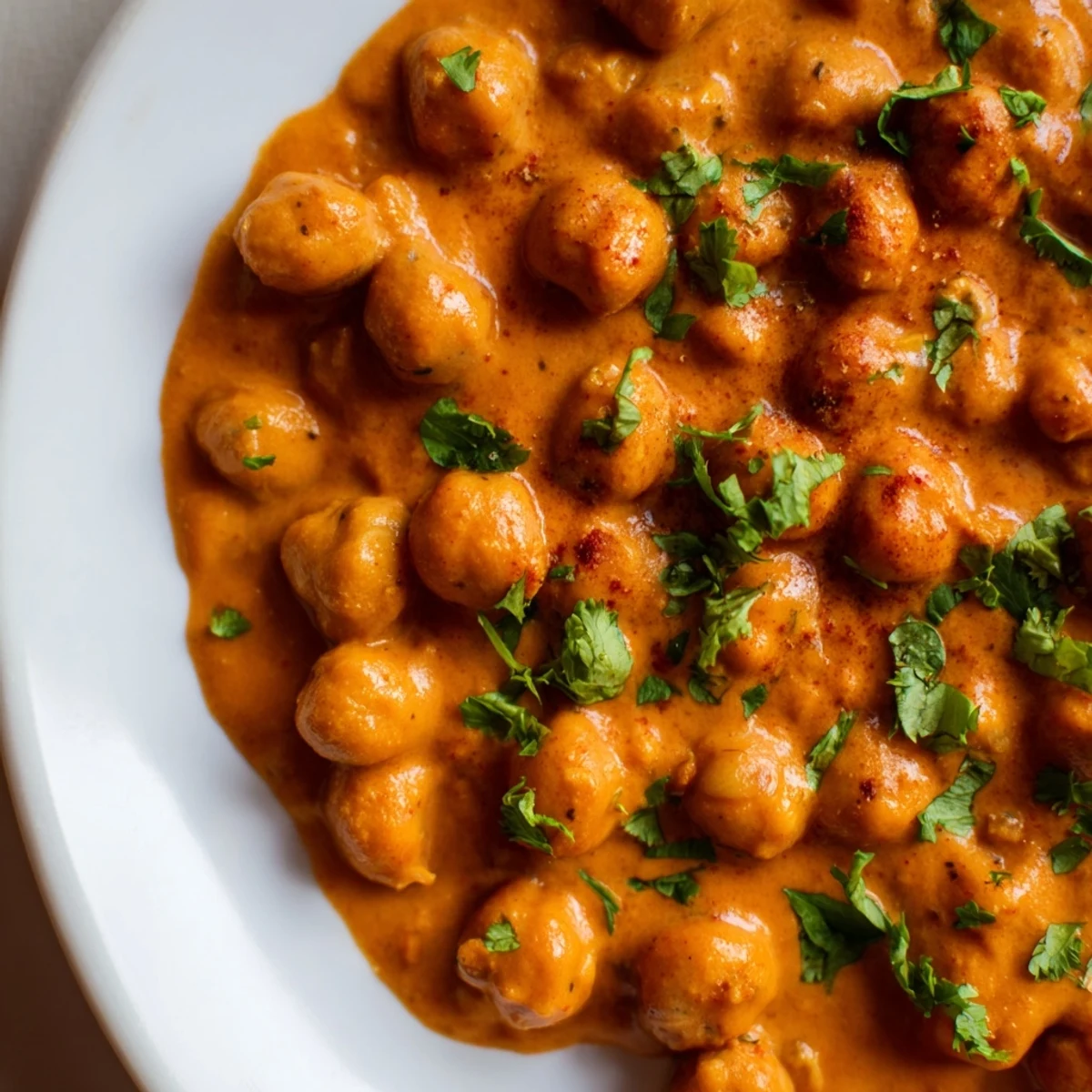
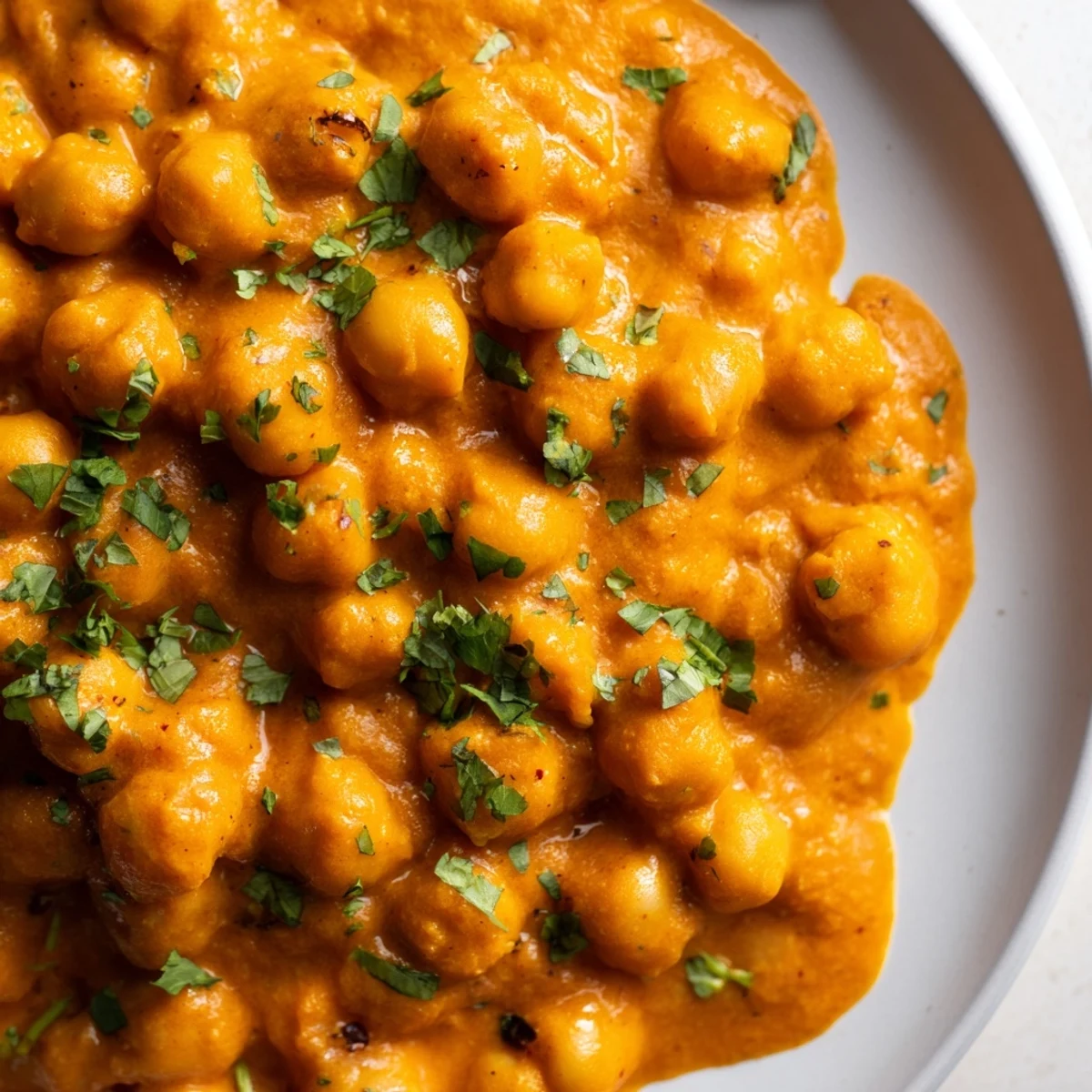
 This dish features tender chickpeas simmered in a fragrant blend of coconut milk and spiced tomato sauce. Aromatic spices like garam masala, cumin, and coriander add depth while basmati rice provides a light, fluffy base. The creamy sauce enriched with ginger, garlic, and a hint of chili creates a vibrant Indian-inspired meal perfect for a nutritious, satisfying experience.
I discovered this dish on a rainy Tuesday evening when a friend mentioned she'd been craving tikka masala but wanted to keep things plant-based. I raided my pantry and realized I had everything needed—cans of chickpeas, coconut milk, and the spices that had been sitting in jars waiting for their moment. That first batch taught me that chickpeas could be just as satisfying as paneer, absorbing all those warm spices like little flavor sponges. It became the recipe I made whenever I wanted to feel like I'd traveled somewhere, without ever leaving my kitchen.
I made this for my sister during her first week living nearby after years of being on opposite coasts. We sat on her bare kitchen floor with bowls balanced on our laps, and she kept asking why the sauce tasted so creamy when there was no cream in it. That coconut milk magic moment—when she finally understood—made me realize this wasn't just dinner, it was proof that we could make new traditions together, not just reminisce about old ones.
Ingredients
- Basmati rice: Look for jasmine or basmati specifically—they stay fluffy and separate, not mushy like regular white rice does.
- Coconut oil or vegetable oil: Coconut oil adds a subtle sweetness, but vegetable oil works if that's what you have on hand.
- Onion: The foundation of the sauce—don't rush this step, let it turn golden and soft, which takes about 7 minutes.
- Garlic and ginger: Fresh is non-negotiable here; they transform the whole dish from good to something you'll think about for days.
- Garam masala, cumin, coriander, turmeric, and smoked paprika: These spices are the soul of the recipe, so smell them before you buy—stale spices from the back of someone else's cabinet won't do.
- Crushed tomatoes and coconut milk: This combination creates that signature creamy sauce, and the acid from the tomatoes keeps everything balanced.
- Chickpeas: Canned and rinsed works beautifully; no overnight soaking required, which is why this comes together in under an hour.
- Lemon juice: This is the final wake-up call that brings all the flavors into focus at the very end.
- Fresh cilantro and lemon wedges: These garnishes aren't optional—they add brightness and make each bowl feel intentional.
Instructions
- Prepare the rice:
- Rinse basmati rice under cold water until the water runs clear, which removes the starch and prevents clumping. Combine rice, water, and salt in a saucepan, bring to a boil, cover, reduce heat to low, and simmer for 15 minutes, then let it steam covered for 5 minutes before fluffing with a fork.
- Build the flavor base:
- Heat coconut oil in a large skillet over medium heat and add your finely chopped onion, letting it cook for 5-7 minutes until it turns golden and soft—this patience matters. Once the onion is ready, stir in minced garlic, grated ginger, and finely chopped green chili, cooking for 1-2 minutes until the kitchen smells absolutely incredible.
- Toast the spices:
- Add your garam masala, cumin, coriander, turmeric, smoked paprika, and cayenne to the pan and stir constantly for about 1 minute—you want to hear them sizzle slightly, which wakes up their essential oils. This step transforms everything from smelling good to smelling like a restaurant.
- Create the sauce:
- Pour in the crushed tomatoes, coconut milk, salt, and sugar, stirring everything together and bringing it to a simmer. Let it cook uncovered for 10 minutes, stirring occasionally, and watch as the sauce deepens in color and thickens slightly.
- Add the chickpeas:
- Stir in your drained and rinsed chickpeas and simmer for another 10 minutes, which allows them to absorb the sauce and the flavors to meld into something cohesive. You'll notice the sauce continuing to thicken and the chickpeas becoming even more tender.
- Final adjustment:
- Squeeze in the lemon juice, taste your sauce, and adjust the salt or spices if needed—some people like it spicier, others prefer more coconut creaminess. Trust your palate here; this is your kitchen, not anyone else's.
- Serve with intention:
- Spoon the chickpea tikka masala over fluffy basmati rice, garnish generously with fresh cilantro and a lemon wedge on the side. Each person can squeeze as much or as little lemon juice as they want, which gives them control over their own bowl.
 Save to Pinterest
 I made this on a night when everything felt heavy and overwhelming, and somehow the ritual of chopping vegetables and stirring a pot felt like meditation. By the time I sat down to eat, something had shifted—the warmth of the spices, the creaminess of the coconut milk, the bright burst of cilantro at the end—it all felt like a small act of self-care masquerading as dinner.
The Spice Moment
The magic happens when you toast the spices in hot oil before adding the wet ingredients. This step only takes 60 seconds, but it transforms ground spices from flat and powdery into something alive and three-dimensional. I learned this the hard way after making a batch where I added everything at once, and the difference was so noticeable that I've never skipped it since. It's one of those small techniques that feels like a secret once you understand it.
Coconut Milk Variations
Full-fat coconut milk creates the most luxurious sauce, but if you're watching fat content, light coconut milk works too—you might just need an extra minute of simmering. Some people swap in cashew cream for a different texture, which creates a sauce that's slightly thicker and less tropical-tasting. I've also added a splash of almond milk when I ran low on coconut milk, and it thinned things out nicely without losing the essence of the dish.
Beyond the Basic Bowl
Once you have the base sauce down, you can play around with additions. Wilted spinach stirred in at the end adds nutrition without changing the flavor profile, while peas or steamed green beans bring texture. Some people add a cinnamon stick during the simmering and remove it before serving, which adds a subtle warmth that makes people wonder what your secret ingredient is.
- Serve alongside naan or roti if you want something to soak up the sauce.
- Leftovers actually taste better the next day when the flavors have had time to settle and deepen.
- This freezes beautifully for up to three months, so making a double batch is always smart.
 Save to Pinterest
 This dish has become my go-to when I want to prove to myself that plant-based cooking isn't a compromise—it's just a different path to the same comfort and satisfaction. Every time I make it, I'm reminded that some of the best meals come from working with what you have and letting simple ingredients become something special.
Your Recipe Questions Answered
- → How do I achieve tender chickpeas?
-
Drain and rinse canned chickpeas thoroughly, then simmer gently in the sauce to absorb flavors without becoming mushy.
- → Can I substitute coconut milk?
-
Yes, cashew cream can be used for a richer texture while maintaining the creamy consistency.
- → What spices are essential for authentic flavor?
-
Garam masala, cumin, coriander, turmeric, and smoked paprika are key spices that create a well-rounded, aromatic profile.
- → How should the basmati rice be cooked?
-
Rinse rice until water runs clear, then simmer in salted water until tender. Let steam covered for a fluffy texture.
- → What garnishes enhance this dish?
-
Fresh chopped cilantro and lemon wedges add brightness and a fresh contrast to the creamy sauce.
- → Can I add vegetables to this dish?
-
Steamed spinach or peas can be added for extra nutrition and color without altering the flavor balance.