
 Save to Pinterest
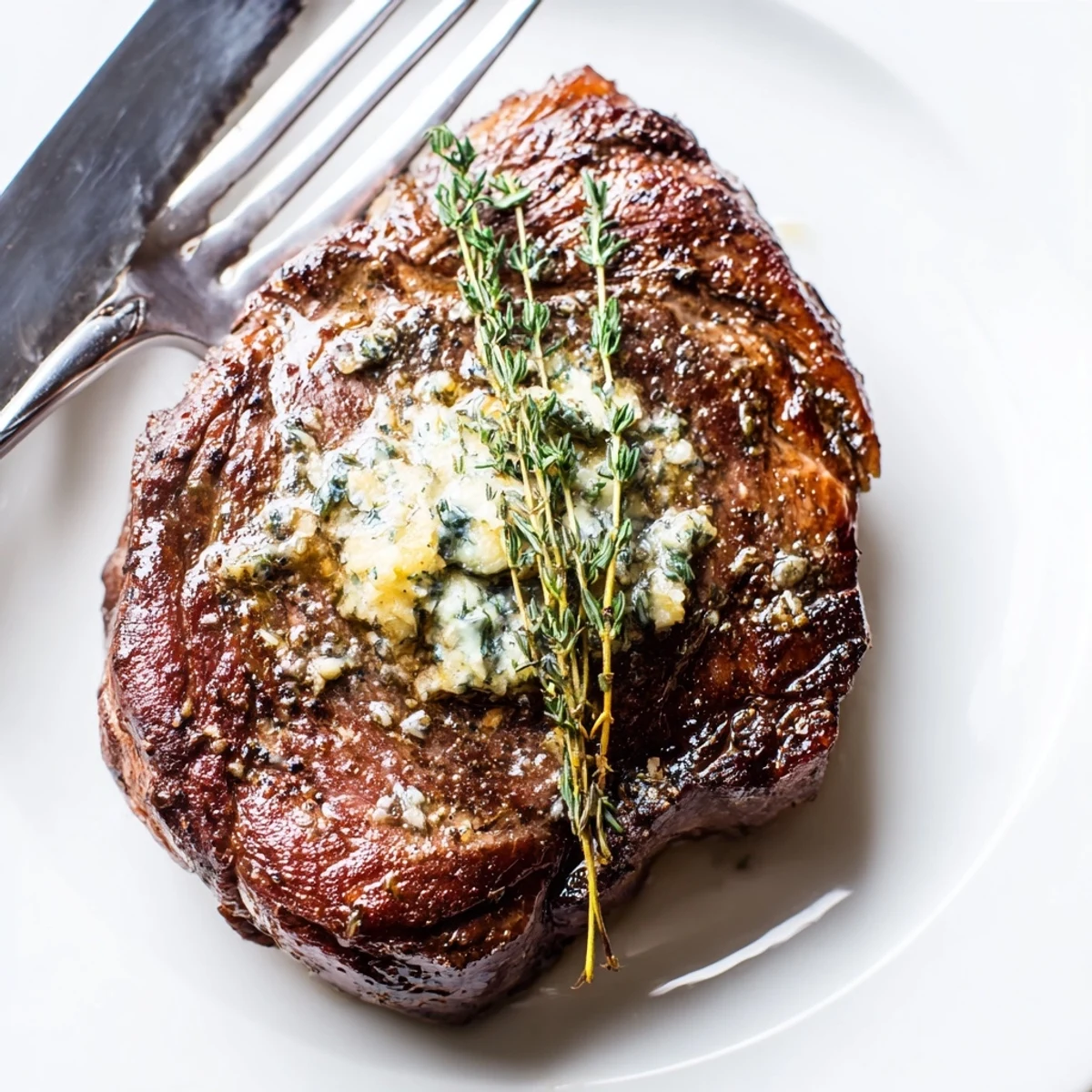
 Create restaurant-quality ribeye steak at home with this simple technique. The high-heat searing method produces a beautiful caramelized exterior while keeping the interior tender and juicy. Finished with aromatic garlic, butter, thyme, and rosemary, each bite delivers rich, savory flavor. Ready in just 20 minutes, this dish impresses dinner guests or elevates a weeknight meal.
The first time I attempted a restaurant-quality steak at home, I stood over my stove with a cheap nonstick pan and absolutely no confidence. The result was gray, sad, and nothing like the caramelized masterpiece I had envisioned. Years later, watching a line cook work the char station at my favorite steakhouse, I noticed the aggressive heat and the way he never once tempted to move the meat. That single observation changed everything about how I approach steak at home.
Last summer, I made these steaks for my dad who claims to hate home-cooked beef. He stood watching me baste with the butter and herbs, looking skeptical about all the fuss. After taking his first bite, he literally went silent for a full minute before asking if I could teach him the method. Now he texts me every Sunday with photos of his steak attempts, and honestly, his crust game is getting better than mine.
Ingredients
- Ribeye steaks: Ribeyes have the perfect fat distribution for self-basting while they cook, and that interior marbling is what makes each bite so incredibly juicy
- Kosher salt: Use it generously and don't be shy, salt is what creates that gorgeous crust formation and penetrates deep into the meat
- Freshly ground black pepper: Grind it right before seasoning to maintain those aromatic oils that pre-ground pepper loses so quickly
- Unsalted butter: You want control over the salt level here, and room temperature butter melts faster for more even basting
- Garlic cloves: Smashed cloves release more flavor into the butter than minced ones, creating an infused baste that penetrates the meat
- Fresh thyme and rosemary: These woody herbs hold up to high heat better than delicate ones like basil, and their oils perfume the butter as it bubbles
- High-heat oil: Butter alone would burn at the temperatures needed for proper crust formation, so oil is essential for that sear
Instructions
- Prep your steaks properly:
- Pat those steaks completely dry with paper towels until the surface feels almost tacky to the touch, then season both sides aggressively with salt and pepper
- Get your screaming hot:
- Heat your cast iron over high heat for a full two minutes until you can feel the heat radiating from inches away, then add the oil and swirl it around
- Walk away and trust:
- Lay the steaks down and do not touch them for three to four minutes, watching as that gorgeous golden brown crust creeps up the sides
- Flip and baste:
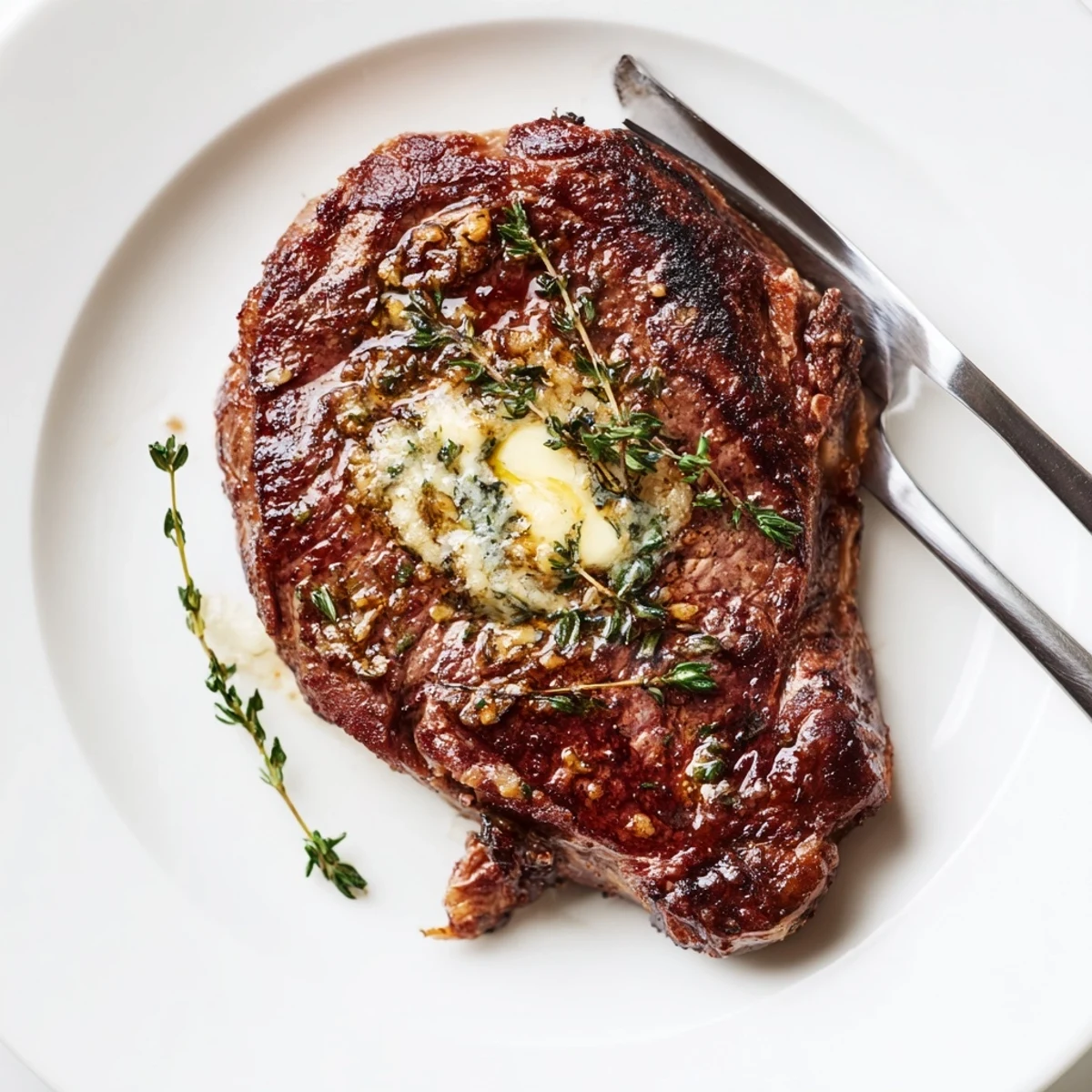
- Turn the steaks over, toss in your butter, garlic, and herbs, then tilt the pan and continuously spoon that melting, aromatic butter over the top
- Check and rest:
- Cook until you hit your target temperature, then move the steaks to a cutting board and let them rest for five minutes while you resist cutting into them
 Save to Pinterest
 There's something almost meditative about standing over a screaming hot skillet, watching the transformation happen, spooning butter and knowing exactly when that perfect moment arrives. My partner has started timing their arrival in the kitchen to when the garlic hits the pan because that smell signals something genuinely special is about to happen.
The Temperature Truth
After years of cutting into steaks to check doneness and losing all those precious juices, I finally invested in an instant-read thermometer. It took the guesswork out entirely and meant I wasn't serving overcooked meat to anyone who visited. The difference between pulling at 125 versus 135 is just a few minutes, but that's the difference between rare and medium-rare, and knowing exactly when to pull has made me so much more confident hosting dinner parties.
Pan Choice Matters
I tried making these in a stainless steel pan once and the crust was nowhere near as impressive as what my cast iron delivers. The cast iron holds heat so consistently that when the cold meat hits the surface, it recovers almost instantly and keeps that sear going strong. If you're serious about steak, a good cast iron skillet is absolutely worth the cabinet space.
Making It Your Own
Sometimes I'll add a sprig of fresh sage or swap thyme for rosemary depending on what's growing in my windowsill herb garden. The method stays the same but the flavor profile shifts just enough to keep things interesting. During winter, I've been known to use a compound butter I made months ago with roasted garlic and herbs, which melts over the hot steak and creates this incredible sauce in the bottom of the pan.
- Try finishing with flaky sea salt for that professional restaurant touch
- Leftover compound butters work beautifully here and add instant complexity
- The pan juices mixed with remaining butter make an instant sauce for drizzling
 Save to Pinterest
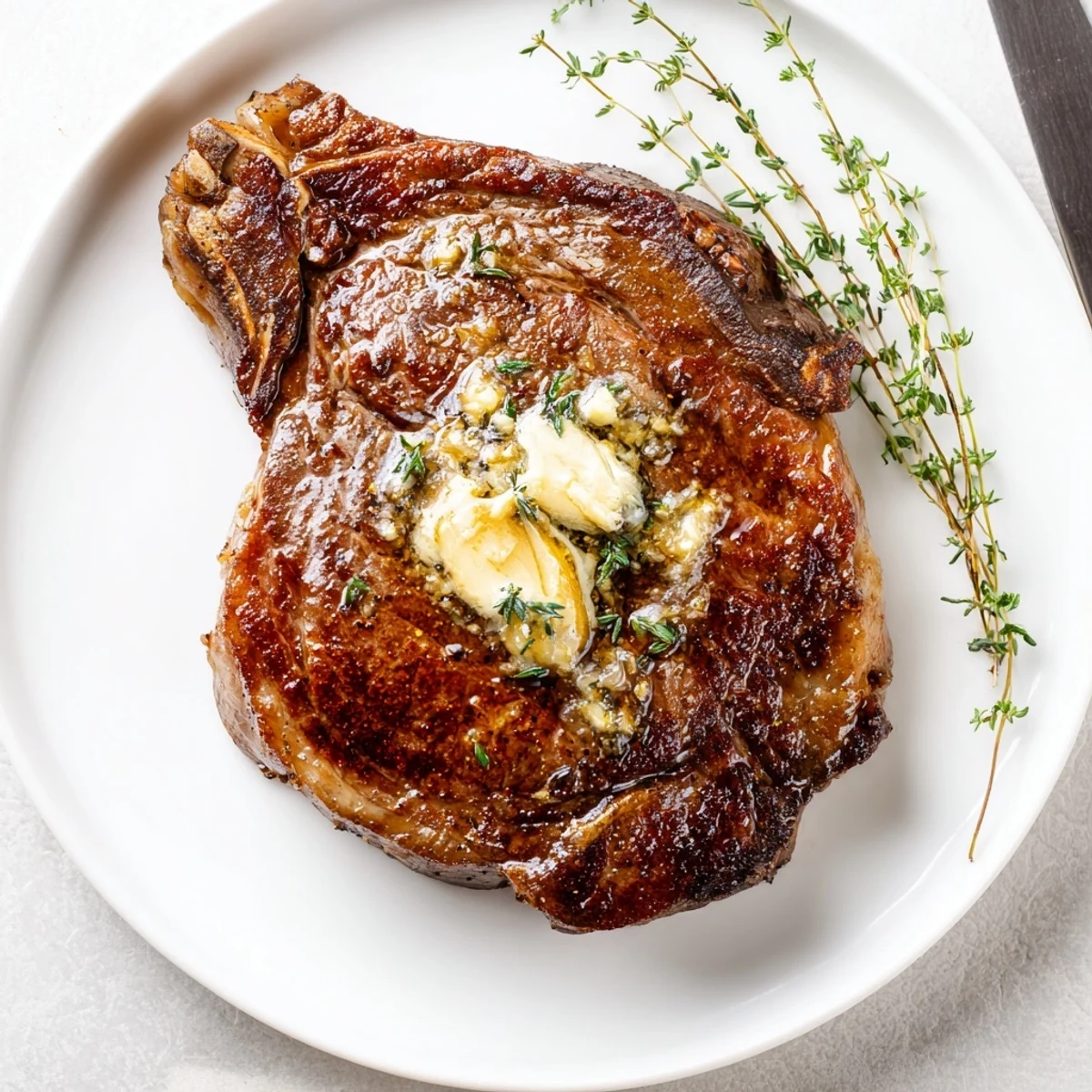
 Good steak at home feels like one of those small luxuries that makes any Tuesday night feel like a celebration. Once you master this method, you'll find yourself cooking steak so much more often than you ever thought you would.
Your Recipe Questions Answered
- → What temperature should ribeye steak be cooked to?
-
For rare, aim for 125°F (52°C). For medium-rare, target 135°F (57°C). Use an instant-read thermometer for accurate results.
- → Why is resting the steak important?
-
Resting allows juices to redistribute throughout the meat, ensuring maximum tenderness and preventing them from running out when sliced.
- → Can I use a different type of pan?
-
While cast-iron is ideal for achieving the best sear, a heavy stainless steel skillet also works well. Avoid non-stick pans as they cannot withstand the high heat needed.
- → How do I know when the crust is formed?
-
The steak will release easily from the pan when a golden-brown crust has formed, typically after 3–4 minutes. If it sticks, give it another minute.
- → What is basting and why do it?
-
Basting involves spooning the melted butter and aromatics over the steak. This infuses the meat with garlic and herb flavor while helping it cook evenly.
- → Can I make this dairy-free?
-
Yes, substitute the butter with a plant-based alternative or use olive oil for basting instead.