
 Save to Pinterest
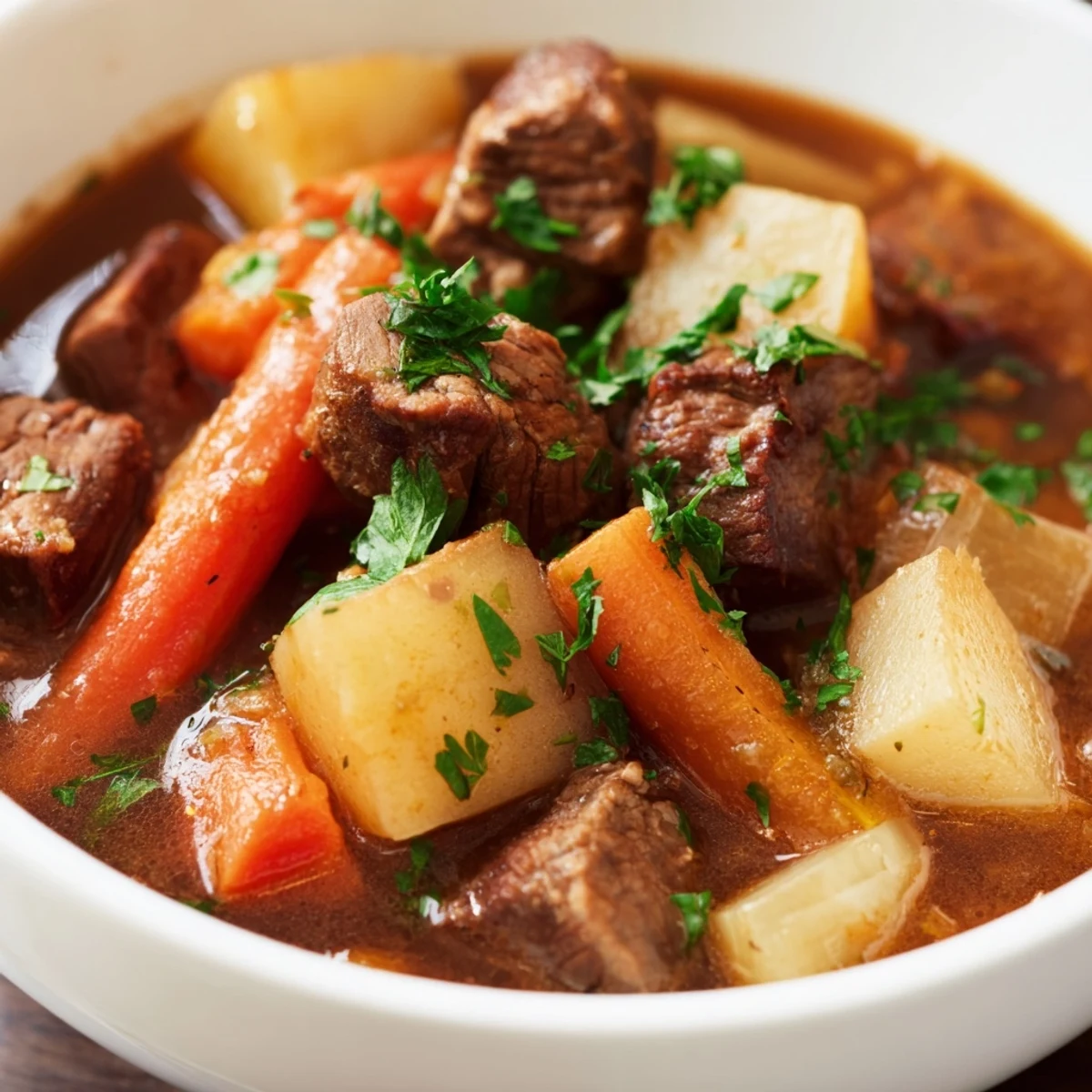
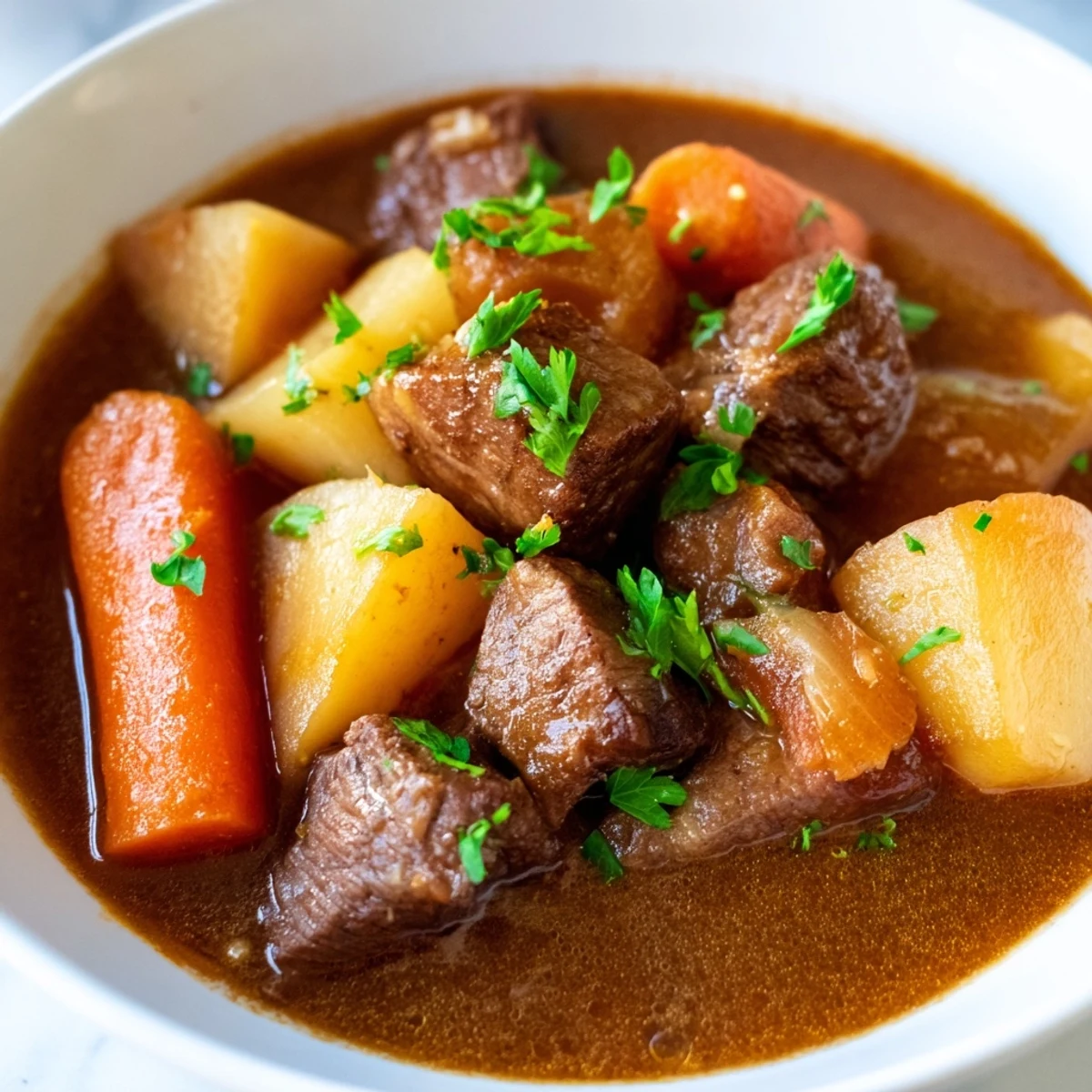
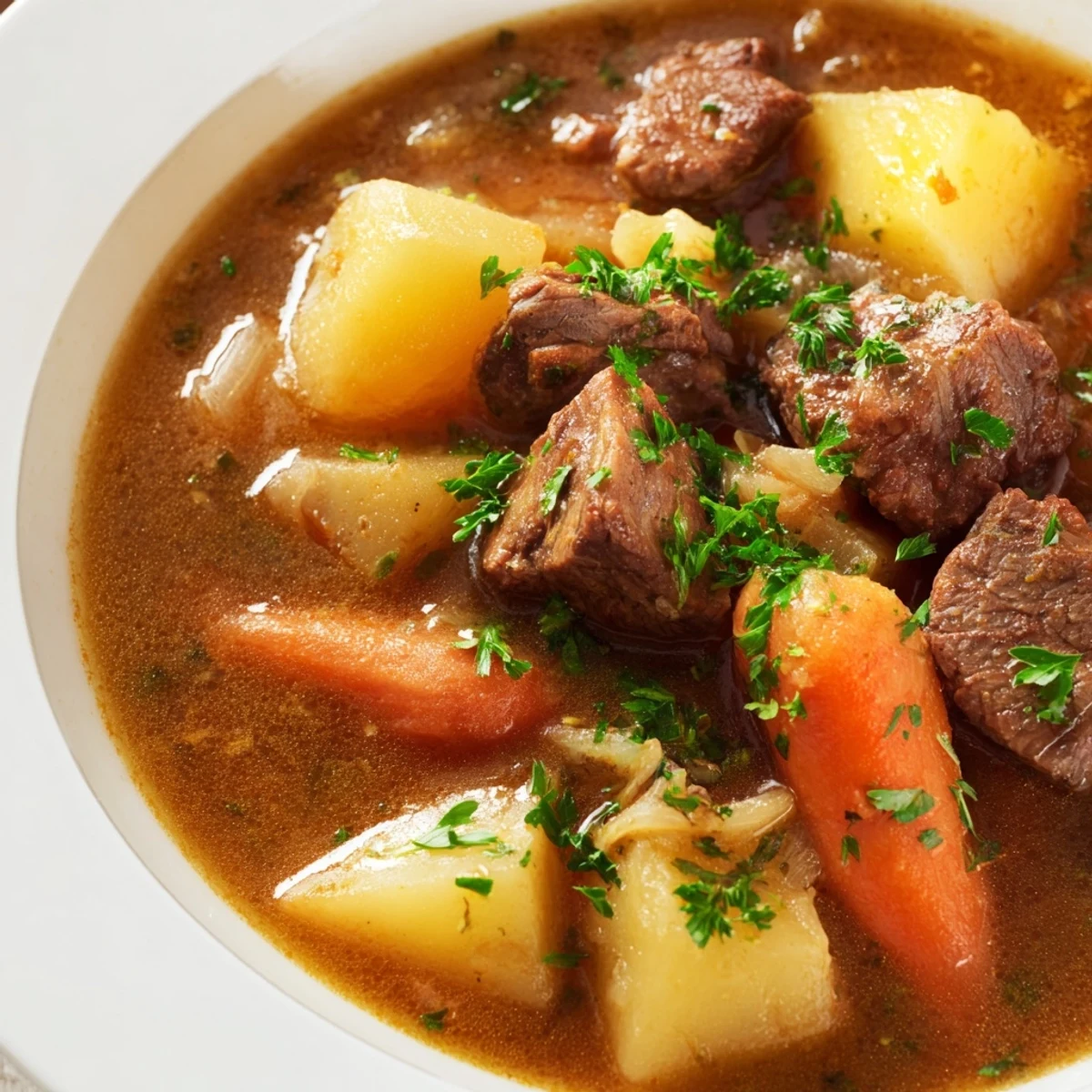
 This dish features tender cubes of beef slow-cooked alongside carrots, parsnips, potatoes, onion, and celery. Slow cooking infuses rich flavors, enhanced by herbs like thyme and rosemary, all simmered in a savory broth and optional red wine. For a thicker consistency, cornstarch is added near the end. Garnished with fresh parsley, this hearty combination delivers a comforting, flavorful experience perfect for family dinners.
There's something about opening the slow cooker lid after eight hours that makes everything else stop—that cloud of steam carrying the smell of wine-braised beef and caramelized roots filling your whole kitchen. My partner came home early one winter afternoon, not expecting dinner to be anywhere near ready, and just stood in the doorway breathing it in. That's when I knew this stew had crossed from weeknight meal into something that actually brings people together.
I've made this stew for our book club more times than I can count, mostly because I can have it waiting and perfect without stress. One winter someone brought it up halfway through our meeting—we'd all gotten distracted by the smell and the comfort of it, and nobody wanted to leave once bowls hit the table. It became our thing after that, the recipe everyone asked for when it was my turn to host.
Ingredients
- Beef chuck (2 lbs, cut into 1½-inch cubes): Chuck is the secret here—it has enough fat and connective tissue to become incredibly tender as it braises, not tough like leaner cuts can get.
- Carrots (2 large, peeled and sliced): They sweeten as they cook, almost melting into the broth and thickening it naturally.
- Parsnips (2, peeled and sliced): These add an earthy sweetness that regular potatoes can't quite match, giving the stew real depth.
- Potatoes (2 medium, peeled and cubed): They break down slightly and help thicken the whole thing, plus they're the comfort factor we're after.
- Onion (1 large, chopped): Yellow onion is best—it caramelizes into the background and becomes part of the stew's backbone.
- Celery stalks (2, sliced): This is part of what the French call mirepoix; it's a flavor foundation that makes everything taste more intentional.
- Garlic (3 cloves, minced): Fresh garlic matters here—the slow cooking mellows it into something sweet and supporting rather than sharp.
- Beef broth (4 cups, low sodium): Low sodium gives you control; you can always salt it more but can't take salt out.
- Dry red wine (1 cup, optional): It adds acidity and complexity that broth alone can't give you, but honestly, extra broth works if that's what you have.
- Tomato paste (2 tbsp): This is umami in a spoon—it adds richness and a subtle tanginess that rounds out all the flavors.
- Salt and pepper: Don't skip seasoning the beef first; it helps it brown better and seasons from the inside out.
- Dried thyme and rosemary (1½ tsp and 1 tsp): Dried herbs work great in slow cooking because the long heat extracts every bit of flavor instead of cooking it away like fresh herbs might.
- Bay leaves (2): They add a haunting background note; remember to fish them out before serving or warn people.
- Cornstarch slurry (optional, for thickening): Mix it just before you use it, and stir it in when you want the stew to tighten up.
- Fresh parsley (2 tbsp, chopped): This is your brightness at the end, a reminder that the stew doesn't have to be heavy.
Instructions
- Season and sear (if you have time):
- Pat your beef dry and season it generously with salt and pepper—this matters for browning. In a large skillet over medium-high heat, sear the cubes in batches so they're not crowded; you want a dark, caramelized crust on each side, maybe 2-3 minutes per side. This step is technically optional, but it adds a savory depth that's worth the extra 10 minutes.
- Build your slow cooker base:
- Transfer your beef to the slow cooker, then add all the chopped vegetables—carrots, parsnips, potatoes, onion, celery, and garlic—right on top. They'll nestle around the meat as everything cooks.
- Make the braising liquid:
- In a bowl, whisk together your beef broth, wine if you're using it, tomato paste, thyme, rosemary, and bay leaves until the tomato paste dissolves. Pour this over everything in the slow cooker—you want the liquid to mostly cover the solids but not drown them.
- Low and slow:
- Cover and cook on low for 8 hours, or on high for 4-5 hours if you're in a rush. The beef should be fall-apart tender, and the vegetables should be soft enough to cut with a spoon. The house will smell incredible the whole time.
- Thicken if you want:
- About 30 minutes before you want to serve, if the stew seems too thin, stir in your cornstarch slurry and turn the heat to high. It'll tighten up as it simmers and won't taste starchy at all.
- Final touches:
- Remove the bay leaves, taste for salt and pepper, and adjust if needed. Ladle into bowls and scatter fresh parsley over the top for color and a little brightness.
 Save to Pinterest
 The first time my daughter tried to help me make this, she carefully watched me explain why we salt the meat first, and then asked if that's why it tasted so good when we ate it. It was one of those small moments where she understood that cooking isn't magic—it's just paying attention to what matters. She still reminds me of that sometimes.
Why This Stew Works in Winter
There's a reason people have been making beef stew for centuries in cold climates—it's warming from the inside in a way that soup isn't, and it's filling enough to satisfy you after a long day. The slow cooker does the thing that time and low heat have always done: it turns tough, inexpensive cuts into something tender and delicious. You're not fighting the meat or the vegetables; you're letting them become what they want to be.
Vegetables You Can Swap
Root vegetables are mostly interchangeable if you respect their cooking times—carrots, parsnips, and potatoes are my anchor, but sweet potatoes add an interesting sweetness that's actually pretty good, turnips bring a subtle sharpness, and mushrooms (about 1 cup sliced) add an earthy richness that deepens the whole thing. I've learned this mostly by accident, throwing in whatever looked good at the market and being pleasantly surprised. The slow cooker is forgiving enough that experimentation is encouraged.
Serving and Keeping
This stew is even better the next day when the flavors have had time to get to know each other—make it the day before if you can, then reheat gently on the stovetop. Crusty bread is the classic for soaking up the broth, but mashed potatoes or egg noodles work beautifully too. It keeps in the fridge for 4-5 days and freezes well for up to 3 months, so there's no harm in making a double batch.
- If you freeze it, leave it in the slow cooker insert or a flat container so it thaws evenly.
- Reheat on the stovetop over medium heat rather than in the microwave—it warms more evenly and the flavors stay rounded.
- A handful of fresh parsley stirred in right before serving lifts the whole dish and reminds you it's not heavy at all.
 Save to Pinterest
 This is the kind of recipe that earns its place in your regular rotation not because it's fancy, but because it's reliable and it makes people happy. Once you've made it once, you'll find yourself reaching for it whenever you need something that tastes like care.
Your Recipe Questions Answered
- → Can I skip searing the beef?
-
Yes, searing is optional but enhances the flavor by creating a caramelized crust on the beef.
- → What vegetables can I use instead of root vegetables?
-
Turnips or sweet potatoes are great alternatives for the root vegetable mix in this dish.
- → How do I make the stew thicker?
-
Mix cornstarch with cold water and stir it in about 30 minutes before the end of cooking on high heat to thicken the stew.
- → Is red wine necessary for the dish?
-
Red wine is optional and can be replaced with additional beef broth without sacrificing overall taste.
- → Can this dish be prepared gluten-free?
-
Yes, it contains no major allergens but check that the broth and tomato paste used are gluten-free.