
 Save to Pinterest
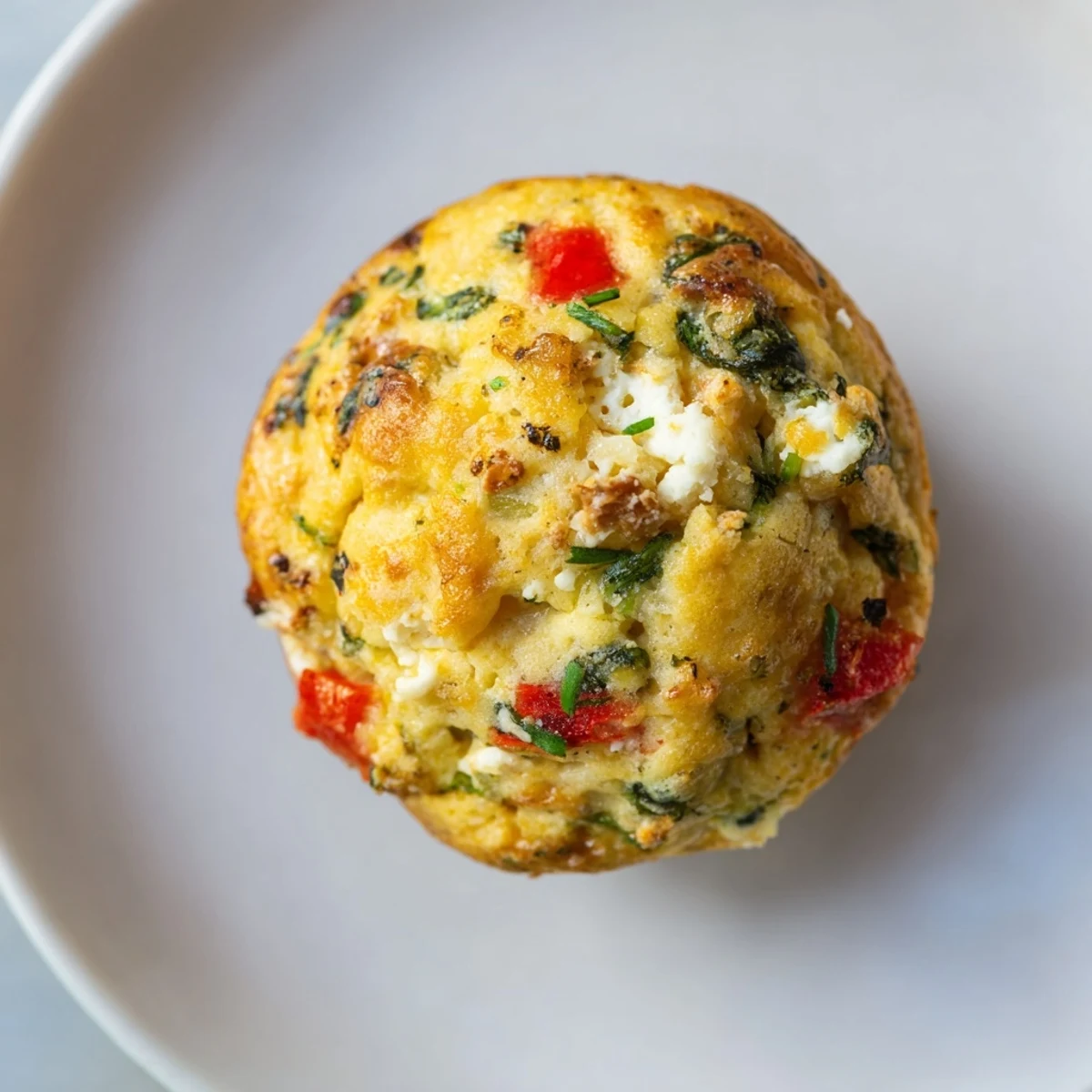
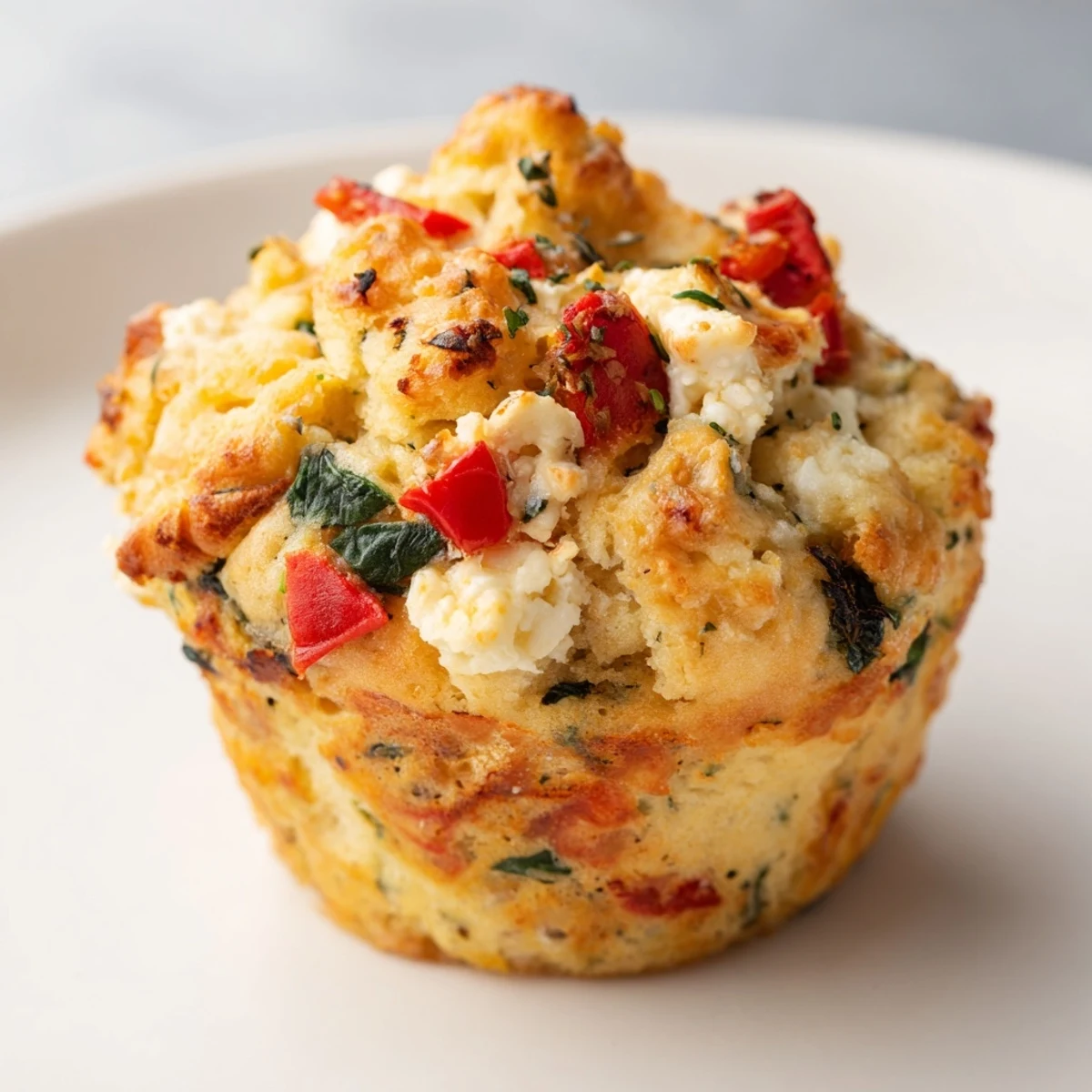
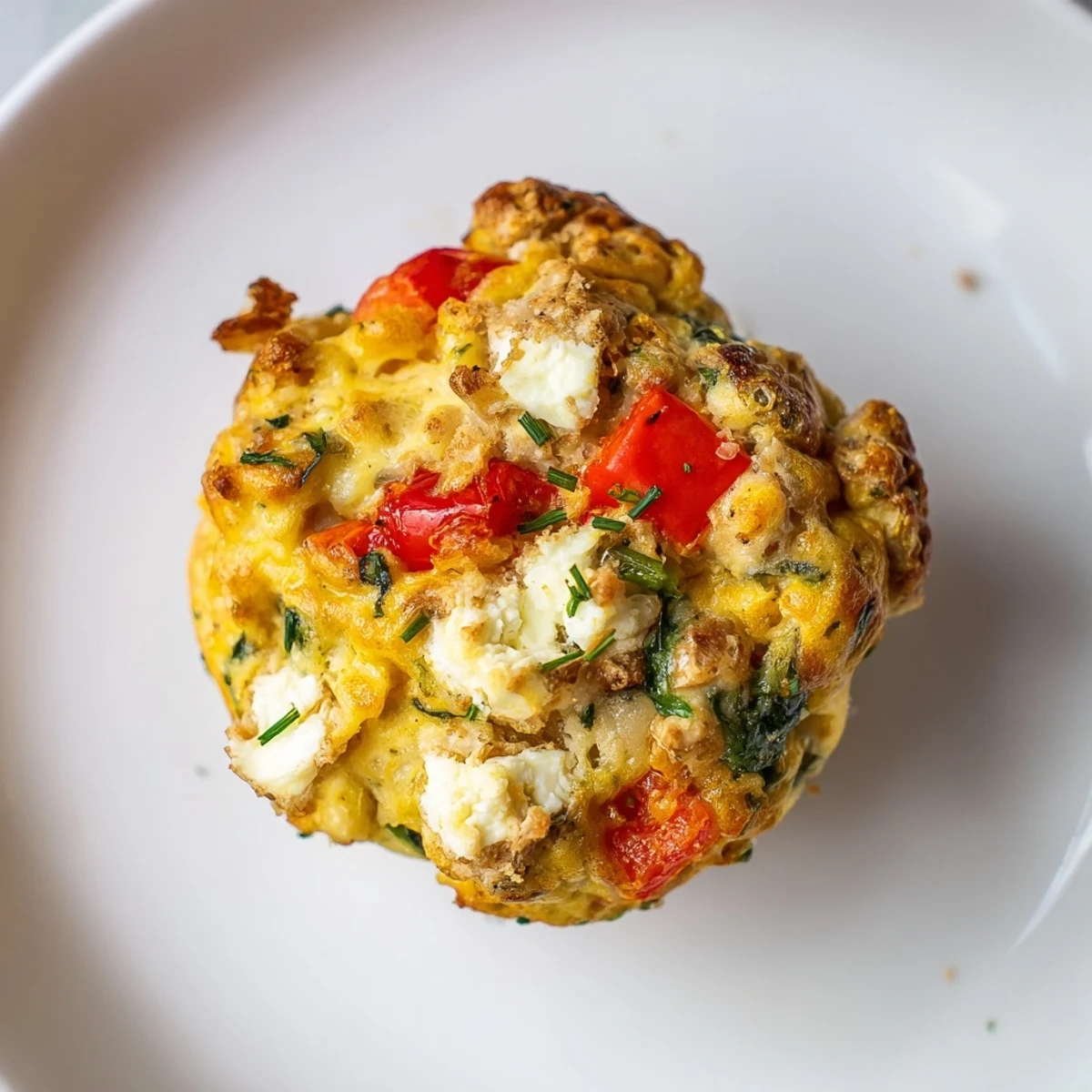
 These savory muffins combine a fluffy texture with rich flavors from cheddar, feta, fresh herbs, and diced vegetables. Prepared quickly with simple ingredients like flour, eggs, and Greek yogurt, they bake to golden perfection in under half an hour. Versatile and easy, they suit any meal from breakfast to snacks and can be customized with different cheeses or additions like bacon. Perfect warm or at room temperature, they bring a delicious balance of cheesy and herbaceous notes in every bite.
I discovered the magic of savory muffins on a random Tuesday morning when I had leftover Greek yogurt and a handful of wilting spinach staring at me from the fridge. Instead of tossing them, I wondered if I could bake something that tasted like a proper breakfast but felt as indulgent as cake. The first batch came out golden and fragrant, and suddenly I had a solution for those mornings when I wanted something more interesting than toast but didn't have time for a full meal.
I remember bringing a batch to a neighbor's house during a heatwave when nobody wanted to cook, and watching how quickly they disappeared alongside coffee became my favorite compliment. There's something about a warm muffin that opens doors more easily than a box of cookies ever could.
Ingredients
- All-purpose flour (2 cups): The structure that holds everything together; don't sift it unless you've been storing it in a humid place, as it compacts over time.
- Baking powder and baking soda (2 tsp and 1/2 tsp): They work together to create that tender crumb, but measure carefully or your muffins will taste metallic.
- Salt and black pepper (1/2 tsp each): These aren't optional; they awaken the savory flavors and balance the richness of the cheese.
- Eggs and milk (2 large and 3/4 cup): The eggs bind everything while the milk keeps the crumb moist, and whole milk gives better texture than skim.
- Olive oil and Greek yogurt (1/3 cup and 1/2 cup): The oil adds moisture and richness, while the yogurt creates tanginess that makes everything taste more interesting.
- Cheddar and feta cheese (1 cup and 1/2 cup): Cheddar melts into every bite while feta adds salty bursts; don't skip either one.
- Red bell pepper and spinach (1/2 cup each): They add color and nutrients without overpowering, and dicing small means they integrate rather than announce themselves.
- Chives and parsley (2 tbsp and 1 tbsp): Fresh herbs make the difference between boring and memorable, so don't use dried unless you absolutely must.
Instructions
- Set yourself up for success:
- Preheat your oven to 375°F and line your muffin tin with paper liners or a light greasing. This takes one minute and prevents the entire batch from sticking to the bottom.
- Build your dry foundation:
- Whisk together flour, baking powder, baking soda, salt, and pepper in a large bowl. This aerates the flour and distributes the leavening evenly so your muffins rise consistently.
- Create the wet mixture:
- In another bowl, whisk eggs, milk, olive oil, and Greek yogurt until it looks smooth and homogeneous. Don't skip the whisking; you want the oil and yogurt fully incorporated.
- Bring them together gently:
- Pour the wet into the dry and stir just until combined, leaving some lumps visible. Overmixing develops gluten and makes muffins tough, so resist the urge to beat this into submission.
- Fold in the good stuff:
- Add the cheese, vegetables, and herbs, folding gently until they're distributed throughout but not crushed. You want little pockets of flavor, not a paste.
- Fill and shape:
- Divide the batter evenly among the muffin cups, filling each about three-quarters full. This gives them room to rise without overflow, which creates a prettier final product.
- Bake until golden:
- Bake for 22 to 25 minutes, watching until a toothpick inserted in the center comes out clean or with just a few moist crumbs. Every oven is different, so start checking at 22 minutes rather than waiting the full 25.
- Cool with patience:
- Let them sit in the tin for 5 minutes before transferring to a wire rack to cool completely. This resting time helps them firm up enough to remove without crumbling.
 Save to Pinterest
 One afternoon I shared these with my sister while we sat on the back porch watching the rain, and she actually asked for the recipe without my prompting. That's when I knew they'd crossed from being a kitchen experiment into something that belonged in regular rotation.
Flavor Swaps That Work
The beauty of this formula is that it adapts beautifully to what you have on hand. Gouda brings a slightly sweet nuttiness, gruyère adds earthy depth, and even sharp white cheddar creates a different mood. You could replace the spinach with zucchini, swap the bell pepper for sun-dried tomatoes, or add crumbled cooked bacon if you want more richness. I've found that as long as you keep the wet and dry ingredients in the same proportions, you can swap add-ins freely without worrying about the structure falling apart.
When and How to Serve Them
These muffins work as a grab-and-go breakfast with coffee, as a side to a light lunch with soup, or even as a clever snack when unexpected guests arrive. They're best eaten warm from the oven or briefly warmed the next day, and they pair beautifully with a fresh green salad or tomato soup if you want to turn them into something more substantial. Cold muffins still taste good, but they lose some of that soft tenderness that makes them special.
Storage and Make-Ahead Strategy
Once completely cooled, these keep in an airtight container for four to five days, though honestly they rarely last that long in my house. You can also freeze them individually wrapped for up to three months, then thaw at room temperature or pop one in the toaster oven for a quick breakfast. The beauty of having a batch ready is that you stop reaching for less interesting options when you're rushed in the morning.
- Store them in an airtight container or ziplock bag to prevent them from drying out.
- Thaw frozen muffins at room temperature for about an hour, or reheat gently in a 300°F oven.
- These taste even better on day two when the flavors have had time to meld together.
 Save to Pinterest
 These muffins have become my answer to the question of what to bring somewhere or what to bake when I want to feel like a thoughtful person without spending the whole day in the kitchen. They're simple enough that a beginner can make them successfully, but interesting enough that they never feel boring.
Your Recipe Questions Answered
- → How do I keep the muffins moist and fluffy?
-
Incorporating Greek yogurt and olive oil adds moisture, while careful mixing prevents overworking the batter, ensuring softness and fluffiness.
- → Can I substitute the cheeses used?
-
Yes, cheddar and feta can be swapped with gouda, gruyère, or your preferred cheese to vary texture and taste.
- → What herbs work best in these muffins?
-
Fresh chives and parsley add a bright, herbal flavor that complements the cheese and vegetables perfectly.
- → Can these be made ahead of time?
-
Yes, muffins can be baked in advance, stored in an airtight container, and reheated gently before serving.
- → Are these suitable for a vegetarian diet?
-
These muffins contain eggs and dairy but omit meat, making them appropriate for lacto-ovo vegetarian preferences.