
 Save to Pinterest
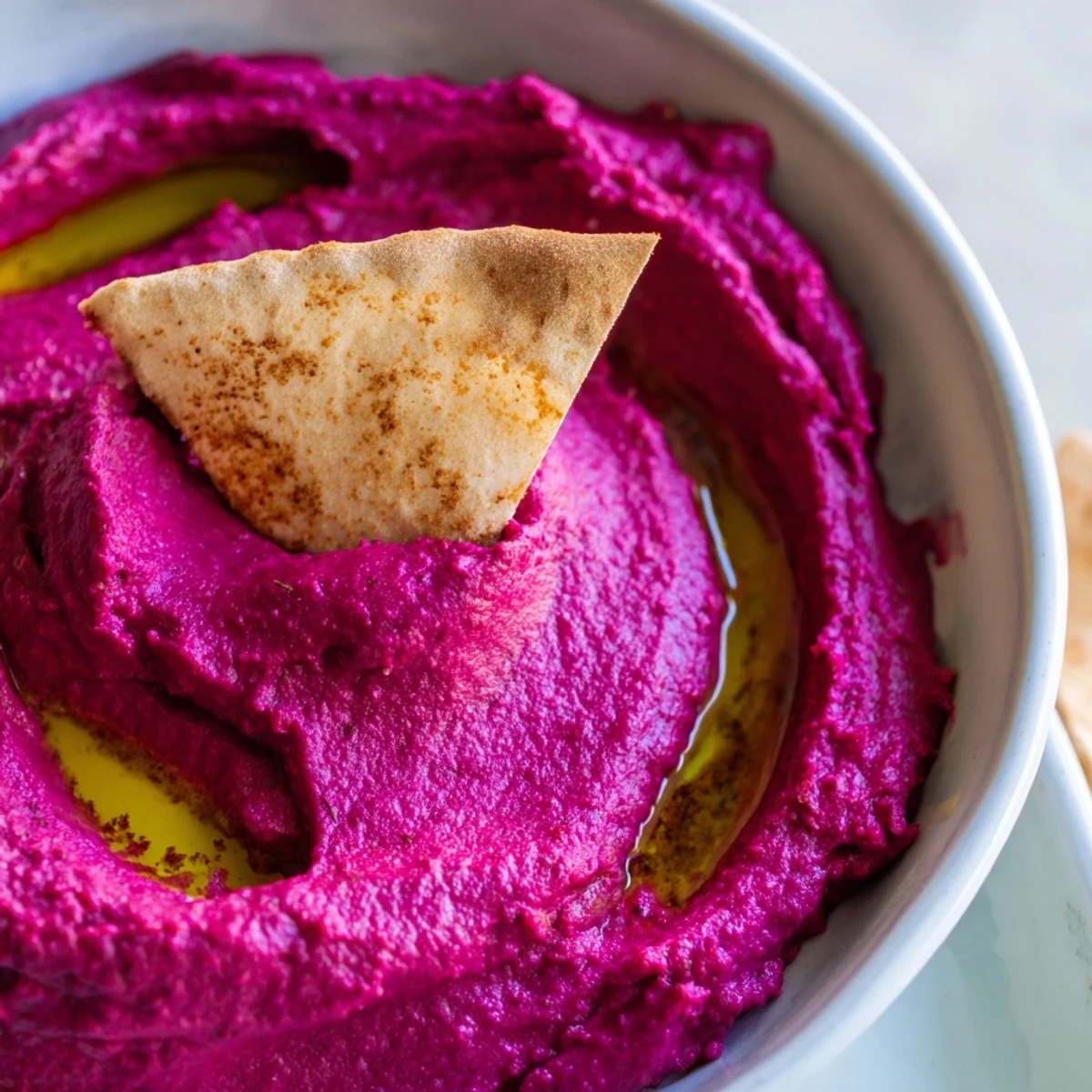
 This vibrant, creamy hummus is made by blending sweet roasted beets with chickpeas, tahini, and fresh lemon juice, creating a smooth and colorful dip. The pita chips are sliced, brushed with olive oil, and toasted until golden and crisp, providing a perfect textured contrast. This dish delivers Mediterranean flavors with a vegan and gluten-free option, ideal for sharing at gatherings or as a healthy snack. Simple preparation and wholesome ingredients make it a delightful choice for easy entertaining.
The first time I made beet hummus was completely by accident. I had roasted too many beets for a salad and didn't want to waste them, so I threw them into my food processor with some chickpeas and tahini out of pure curiosity. The moment that deep magenta color bloomed through the beige hummus was pure magic—suddenly I had created something that looked like it belonged in a Mediterranean restaurant, not my tiny apartment kitchen. My friends couldn't stop talking about it, and now it's become my go-to appetizer whenever I want to impress without the stress.
I made this for a dinner party last spring when a friend mentioned she'd gone vegan, and I was nervous about disappointing her with boring appetizers. When she dipped that first pita chip and her eyes lit up, I knew I'd found something special. She actually asked for the recipe before dessert was even served, which tells you everything you need to know.
Ingredients
- 1 medium beet: Choose one that's roughly the size of a small apple so it roasts evenly and doesn't take forever.
- 1 (15 oz) can chickpeas: Rinse them thoroughly under cold water to remove the starchy liquid that would make your hummus gluey.
- 3 tbsp tahini: This sesame paste is what gives hummus its silky texture—don't skip it or use peanut butter as a substitute.
- 2 tbsp fresh lemon juice: Bottled juice will work in a pinch, but fresh squeezed makes a noticeable difference in brightness.
- 1 small garlic clove: One clove is plenty here since raw garlic can be fierce; you can always add more if you love garlic.
- 2 tbsp olive oil: Use something you'd actually drink, not the cooking-grade stuff, so you can taste the quality.
- 1/2 tsp ground cumin: This spice whispers in the background and ties all the Mediterranean flavors together.
- 1/2 tsp sea salt: Fine sea salt dissolves better than kosher salt in a food processor.
- 2–3 tbsp cold water: Add it gradually because you can always thin it down, but you can't thicken it back up.
- 3 large pita breads: Day-old pita actually crisps up better than fresh because it has less moisture to steam away.
- 2 tbsp olive oil (for pita chips): A light brush is all you need; oversaturated chips turn greasy and heavy.
- 1/2 tsp sea salt and 1/2 tsp smoked paprika: The paprika adds a subtle smoky depth that makes people ask what your secret ingredient is.
Instructions
- Fire up your oven and start the beet:
- Preheat to 400°F while you scrub the beet under cold running water to get all the dirt off. Wrap it loosely in foil, drizzle with a little olive oil, and set it on a baking sheet—this prevents the oven from smelling like roasted beet for a week.
- Roast until it surrenders:
- After 40–45 minutes, a fork should slide through the flesh like butter. If it's still firm, give it another 5 minutes; underdone beets are waxy and difficult to puree.
- Transform your pita into chips:
- While the beet roasts, cut pita breads into triangles and lay them out on another baking sheet. Brush lightly with olive oil and sprinkle with salt and paprika, then toast for 8–10 minutes, flipping halfway through so they brown evenly on both sides.
- Cool and peel the beet:
- Let it sit for a few minutes until you can handle it without burning yourself, then rub the papery skin off under cool running water—it slides off surprisingly easily. Chop the roasted beet into chunks so it breaks down faster in the processor.
- Blend everything into silk:
- Combine the beet, drained chickpeas, tahini, lemon juice, minced garlic, olive oil, cumin, and salt in your food processor. Blend until completely smooth, then add cold water one tablespoon at a time while running the processor until you reach a creamy, dippable consistency.
- Taste and adjust as you go:
- Add more salt if needed, another squeeze of lemon if it tastes flat, or a pinch more cumin if you want earthier notes. This is the moment to make it exactly as you like it.
- Serve with intention:
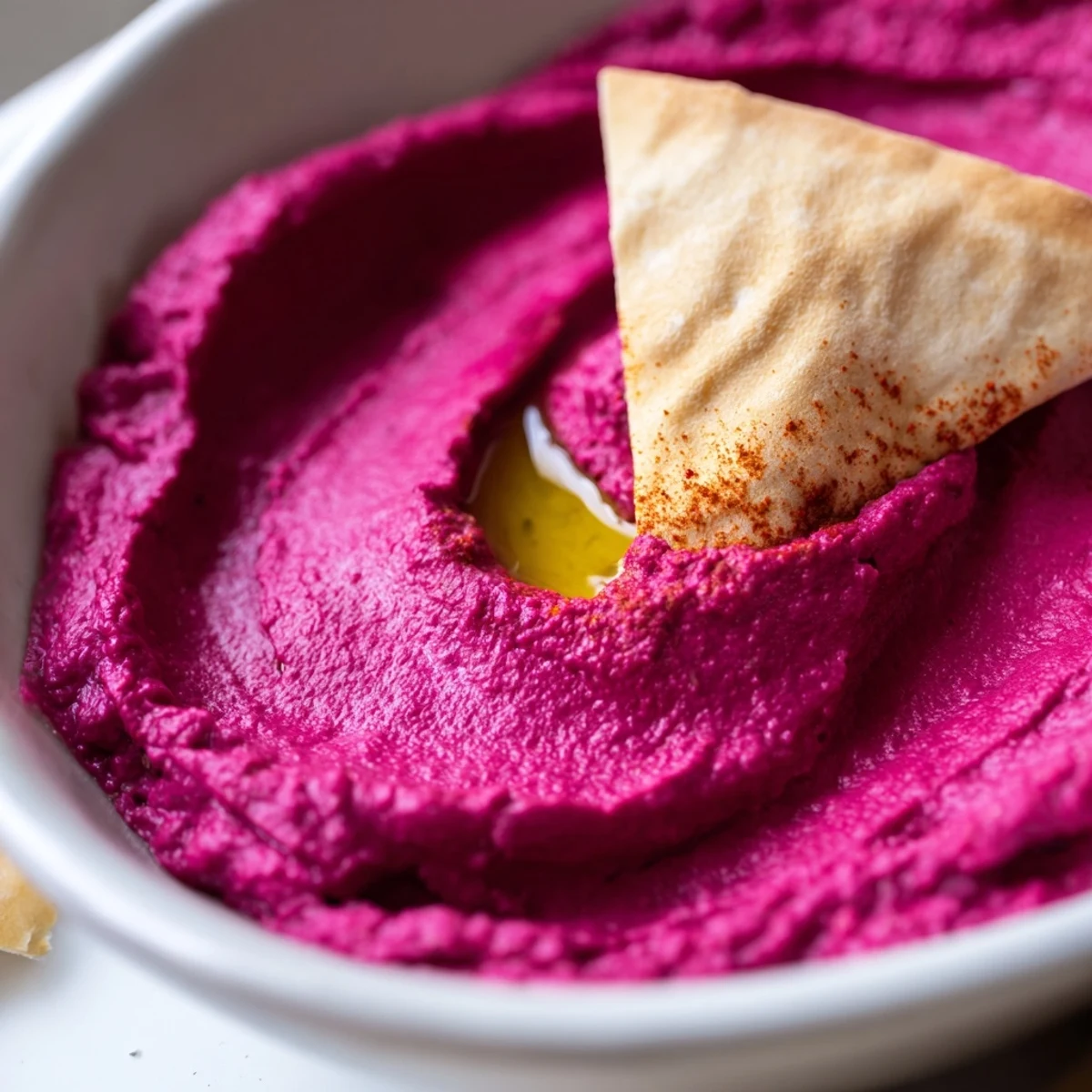
- Transfer the hummus to a shallow bowl, make a small well in the center, and drizzle with good olive oil—this isn't just for looks, it prevents the hummus from drying out and adds richness to every bite.
 Save to Pinterest
 There's something deeply satisfying about making something this stunning from such simple ingredients. The first time someone tells you it's homemade because they assumed you bought it from a fancy deli—that's when you know you've nailed it.
Why Beets Make Better Hummus Than You'd Expect
Beets are naturally sweet and earthy, which means they don't need sugar or honey to balance flavors the way some hummus recipes do. They also add a gorgeous color that makes plain chickpea hummus look tired by comparison. The roasting caramelizes the beet's sugars, deepening all those flavors and making the final hummus feel more sophisticated than the five-minute version.
The Pita Chip Secret That Changes Everything
Day-old pita is actually your friend here because it's slightly drier and crisps up faster without turning rubbery. The key is a light hand with the oil—people always brush on too much thinking more is better, then end up with greasy chips that slide around the plate. A quick flip halfway through toasting ensures both sides turn golden instead of one side burning while the other stays soft.
Storing, Serving, and Stretching It Further
Hummus keeps beautifully in the refrigerator for up to four days, and the flavors actually deepen as it sits. If you're making this ahead, hold off on the final olive oil drizzle until you're ready to serve—it prevents the surface from oxidizing and browning slightly. These pita chips are best eaten the same day you make them, but if you have leftovers, store them in an airtight container and they'll stay crispy for a few days.
- For a gluten-free version, swap the regular pita for gluten-free pita or serve with fresh vegetable sticks.
- A pinch of cayenne pepper stirred into the hummus adds a warm, subtle heat that people can't quite identify.
- Top with toasted sesame seeds or pomegranate arils right before serving for extra texture and visual impact.
 Save to Pinterest
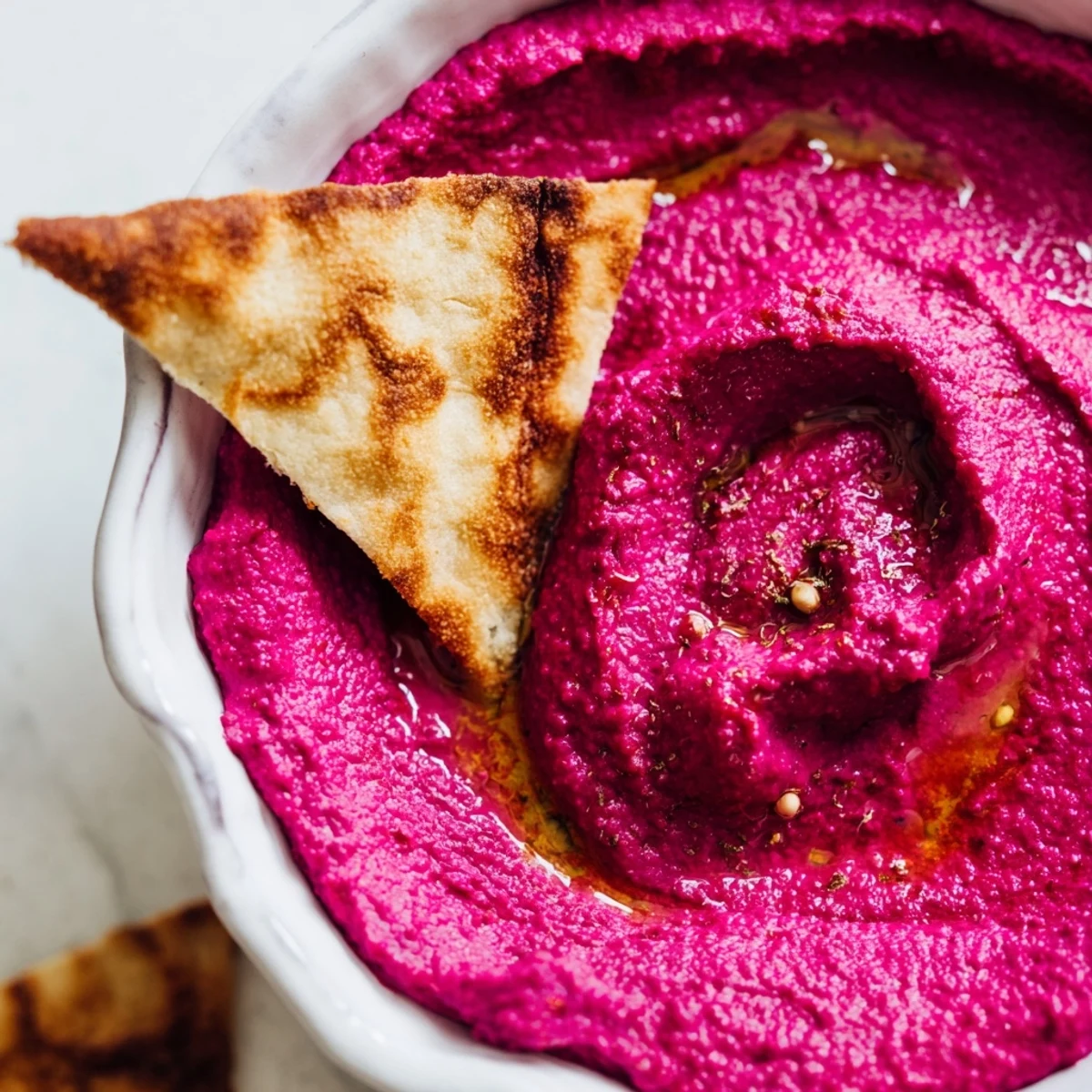
 This recipe has become my quiet hero of entertaining because it looks impressive without demanding hours in the kitchen. It's the kind of dish that sits perfectly at the table while you finish other things, quietly earning compliments.
Your Recipe Questions Answered
- → How do I roast beets for the hummus?
-
Wrap the beets in foil with a drizzle of olive oil and roast at 400°F (200°C) for 40–45 minutes until fork-tender. Let cool before peeling and chopping.
- → Can gluten-free pita be used for the chips?
-
Yes, gluten-free pita breads can be substituted and toasted the same way to accommodate dietary needs.
- → How to achieve creamy hummus texture?
-
Blend roasted beets, chickpeas, tahini, lemon juice, and olive oil in a food processor, adding cold water gradually until smooth and creamy.
- → What spices enhance the flavor of this hummus?
-
Ground cumin and sea salt provide a warm, balanced taste; optional smoked paprika on pita chips adds a subtle smoky note.
- → How should leftovers be stored?
-
Store hummus in an airtight container in the refrigerator for up to 4 days to maintain freshness.