
 Save to Pinterest
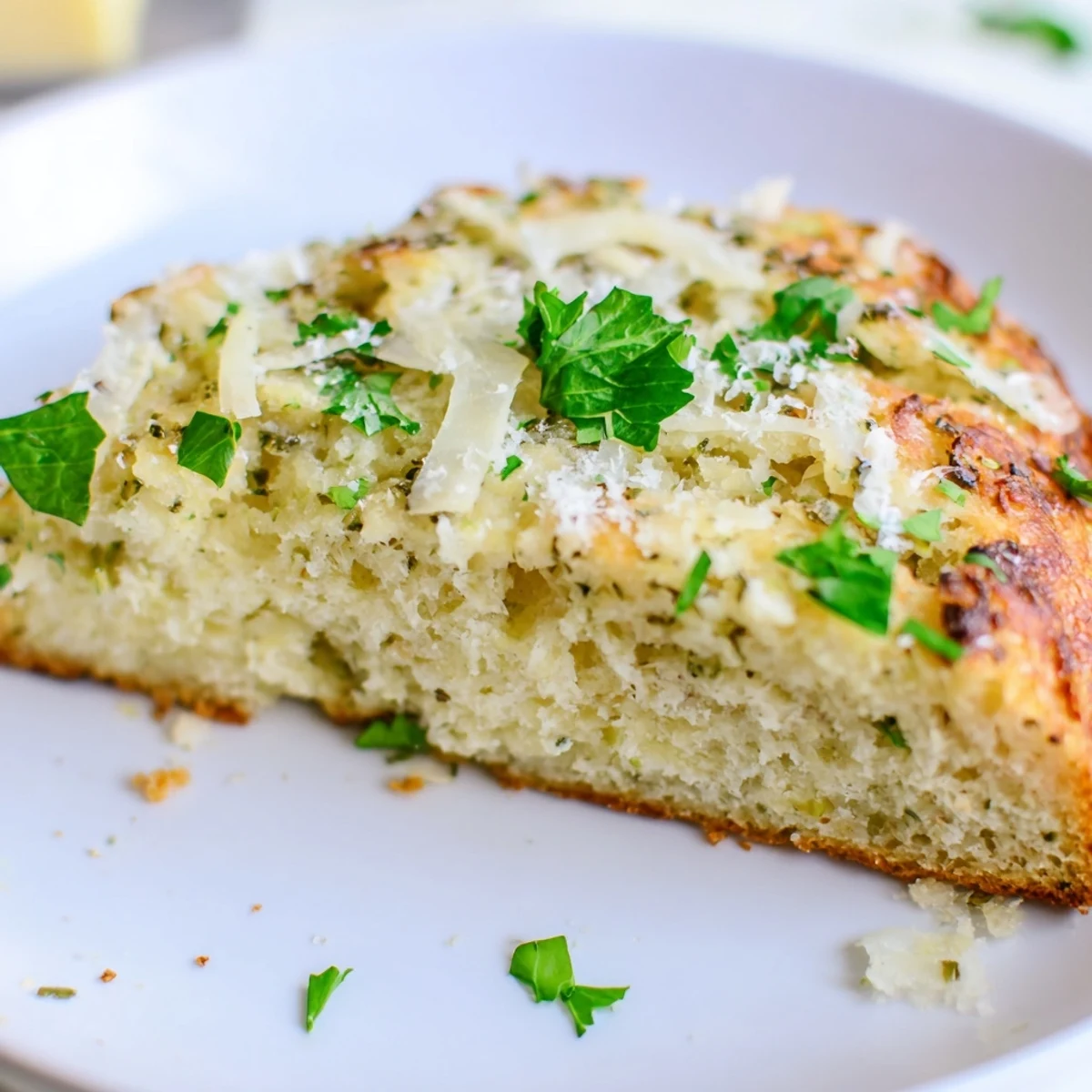
 Create a warm, savory loaf that brings together nutty almond flour, rich Parmesan, and a fragrant blend of garlic, oregano, thyme, and rosemary. This bread emerges from the oven with a golden crust and tender interior, each slice delivering savory comfort without the carbs. Perfect alongside soups, toasted with butter, or as a base for your favorite sandwiches.
The smell of rosemary and garlic drifting through my apartment on a rainy Tuesday stopped my roommate in her tracks. She assumed I was attempting some elaborate Italian bakery project, but I was actually deep in my keto experimentation phase, trying to crack the code on bread that didn't taste like sadness. Three failed loaves and countless almond flour clouds later, this version finally emerged from the oven golden and fragrant, and I knew the search was over.
I brought this to a friend's barbecue last summer, and it sat on the counter next to a basket of garlic knots from a local Italian bakery. Someone took a slice thinking it was a special artisan loaf, and later that evening I found three different people asking for the recipe, completely shocked when I mentioned it had zero actual flour.
Ingredients
- 2 cups almond flour: The backbone of keto baking, giving structure without the carbs, and I've found super fine blends work best for avoiding any gritty texture
- 1/4 cup coconut flour: Just enough to absorb moisture and create that bread-like crumb, but don't try substituting more or the texture gets oddly dense
- 1/4 cup grated Parmesan plus more for topping: Saltiness and umami that makes this feel indulgent rather than like a compromise
- 2 tsp baking powder: Essential lift, and make sure it's fresh because older baking powder leads to sad, flat bread
- 1/2 tsp sea salt: Enhances all the flavors, but if using salted butter later you might want to reduce slightly
- 1/2 tsp garlic powder: That savory kick that makes people think there must be garlic bread happening somewhere nearby
- 1/2 tsp each dried oregano, thyme, and rosemary: The herb trio creates that classic Italian bread aroma, though fresh herbs work beautifully if you have them
- 4 large eggs: The structure builders, and room temperature eggs incorporate much more smoothly into the batter
- 1/2 cup unsweetened almond milk: Adds needed moisture without interfering with the keto macros
- 1/4 cup olive oil: For richness and that tender crumb, and extra virgin gives a lovely fruitiness
- 1 tbsp fresh parsley for garnish: Optional but makes it look like something from a proper bakery window
Instructions
- Get your oven ready:
- Preheat to 350°F and grease a 9x5-inch loaf pan, then line it with parchment paper so you can lift the whole thing out easily later without that dreaded stuck moment
- Whisk together the dry team:
- In a large bowl, combine almond flour, coconut flour, 1/4 cup Parmesan, baking powder, salt, garlic powder, oregano, thyme, and rosemary until everything is evenly distributed
- Mix up the wet ingredients:
- In a separate bowl, whisk the eggs until they're frothy, then add almond milk and olive oil, mixing until completely smooth
- Bring everything together:
- Pour the wet ingredients into the dry ones and stir gently until just combined, being careful not to overwork it since that's how quick breads get tough
- Prep for baking:
- Transfer the batter to your prepared pan and smooth the top with a spatula, then sprinkle that remaining 1/4 cup Parmesan evenly across the surface for that golden cheesy crust
- Bake until golden:
- Slide into the oven for 35 to 40 minutes, checking for doneness when a toothpick comes out clean and the top has that gorgeous browned cheese crust
- Let it rest properly:
- Cool in the pan for 10 minutes before transferring to a wire rack, because cutting into hot bread is how you end up with a gummy texture
 Save to Pinterest
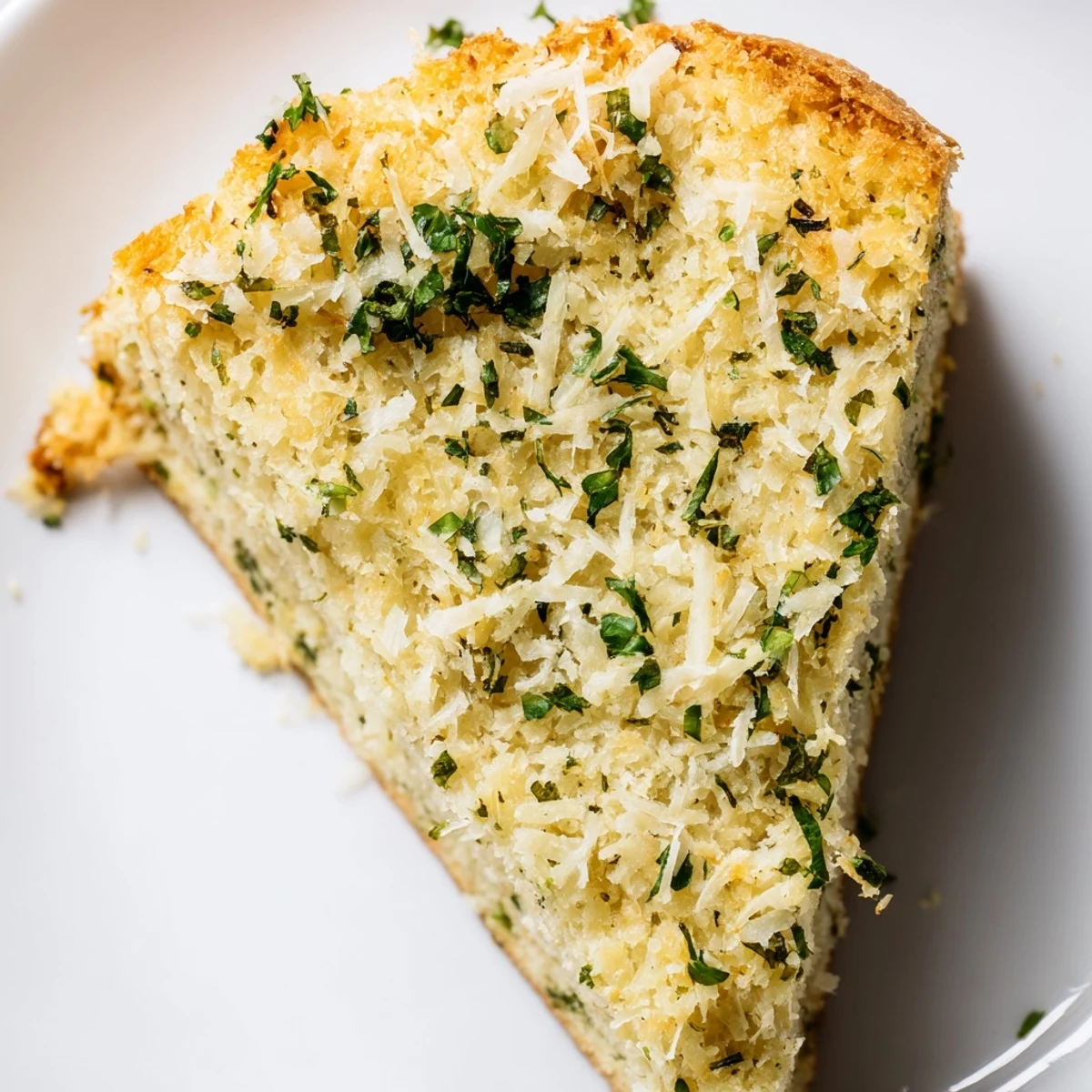
 My father, a devoted bread traditionalist, took one skeptical bite and actually went back for seconds. He said it reminded him of those herbed focaccia loaves from the Italian bakery in his old neighborhood, which might be the highest compliment this recipe has ever received.
Making It Your Own
Sometimes I swap in 2 tablespoons of ground flaxseed for some of the almond flour when I want an even softer texture. The nuttiness works beautifully with the herbs, and it makes each slice feel more substantial.
Fresh vs Dried Herbs
Fresh herbs absolutely work here if that's what you have or prefer. Use about a tablespoon of each chopped herb instead of the dried version, and add them along with the dry ingredients so they distribute evenly throughout the loaf.
Serving Ideas
This bread transforms when toasted, developing this incredible crunch that makes it perfect alongside scrambled eggs or as a base for avocado toast. It also holds up remarkably well for sandwiches, especially with something like chicken salad or turkey and cheese.
- Try it toasted with salted butter and a pinch of flaky salt
- Use thick slices for breakfast sandwiches with eggs and bacon
- Cubed and toasted, it makes excellent croutons for Caesar salad
 Save to Pinterest
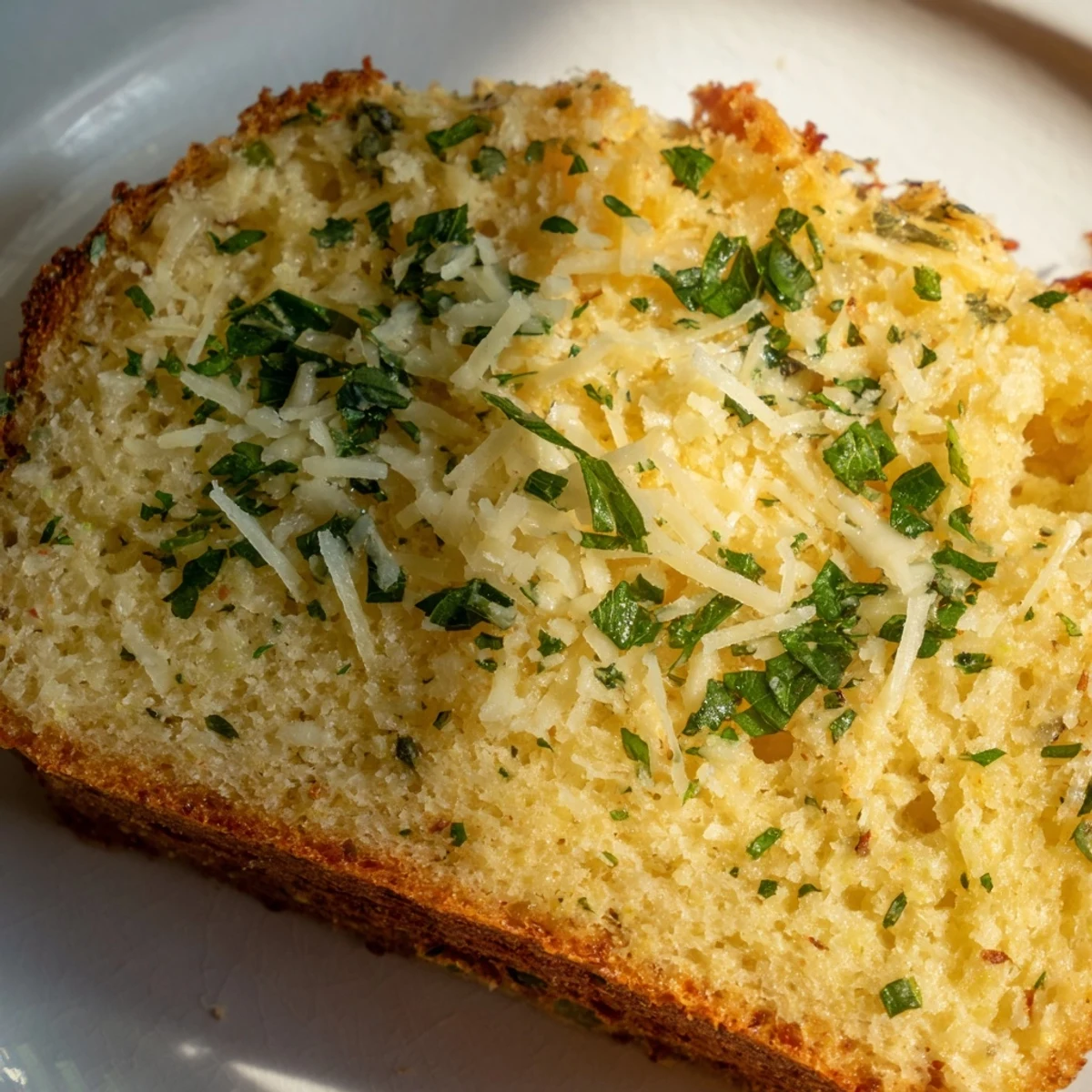
 There's something deeply satisfying about pulling a real loaf of bread from the oven when you thought those days were behind you. This recipe has saved more weeknight dinners than I can count.
Your Recipe Questions Answered
- → What makes this bread keto-friendly?
-
Almond and coconut flours replace wheat flour, dramatically reducing carbohydrates while maintaining texture. Each slice contains only 4g of net carbs, making it ideal for ketogenic eating.
- → Can I use fresh herbs instead of dried?
-
Absolutely. Substitute each 1/2 teaspoon of dried herbs with 1 tablespoon of fresh chopped herbs. Fresh herbs deliver a brighter, more vibrant flavor profile.
- → How should I store leftovers?
-
Keep in an airtight container at room temperature for 2 days, or refrigerate for up to 1 week. The bread also freezes well—wrap slices individually and thaw as needed.
- → Can I make substitutions for allergies?
-
Replace almond flour with sunflower seed flour for nut-free options. For dairy-free, use nutritional yeast instead of Parmesan, though flavor and texture will vary slightly.
- → Why does my batter seem thick?
-
Coconut flour absorbs significant liquid, creating a thick, scoopable batter rather than pourable dough. This is normal and ensures proper baking and texture.
- → How do I know when it's done baking?
-
Insert a toothpick into the center—it should come out clean or with just a few moist crumbs. The top should be golden brown and the edges pulling slightly from the pan.