
 Save to Pinterest
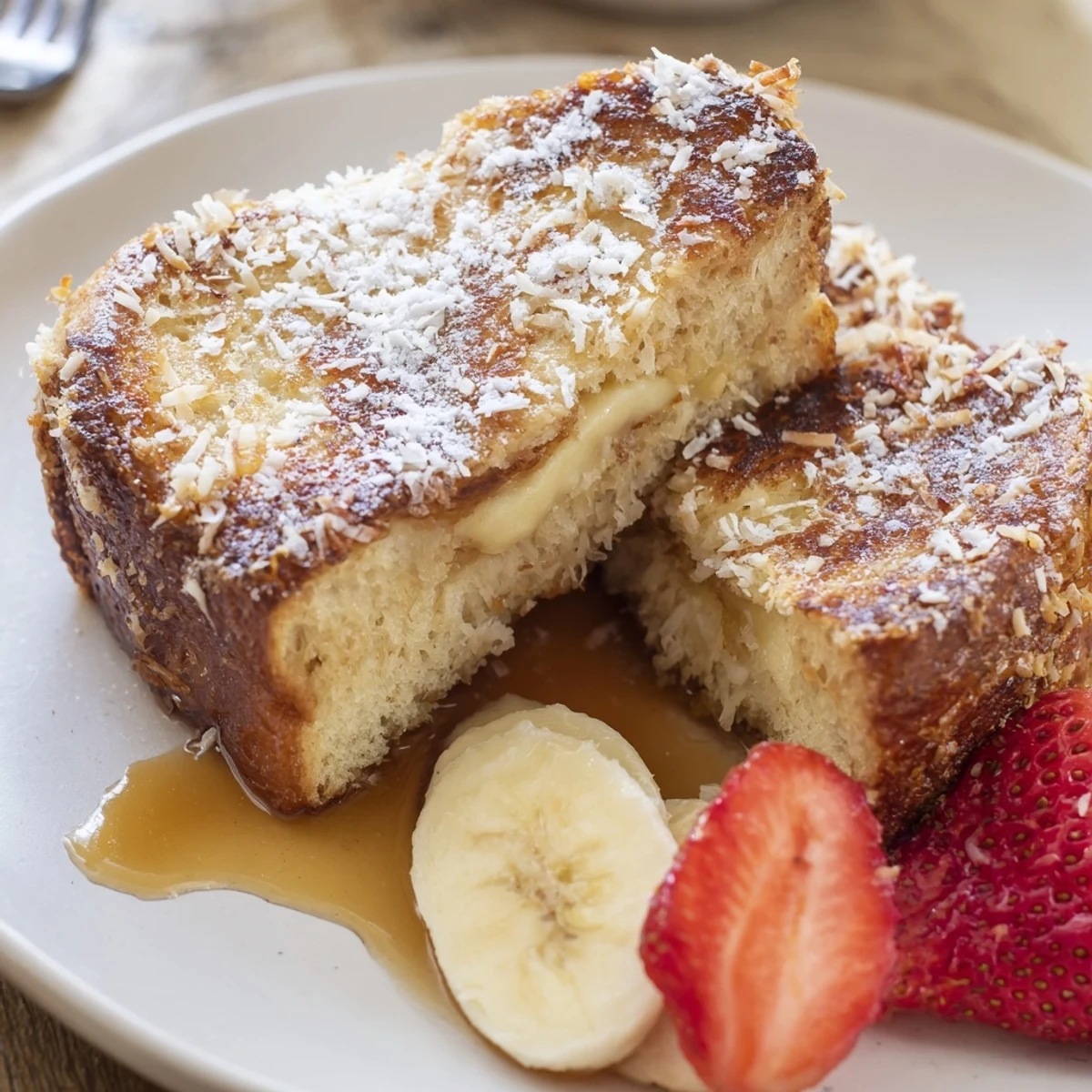
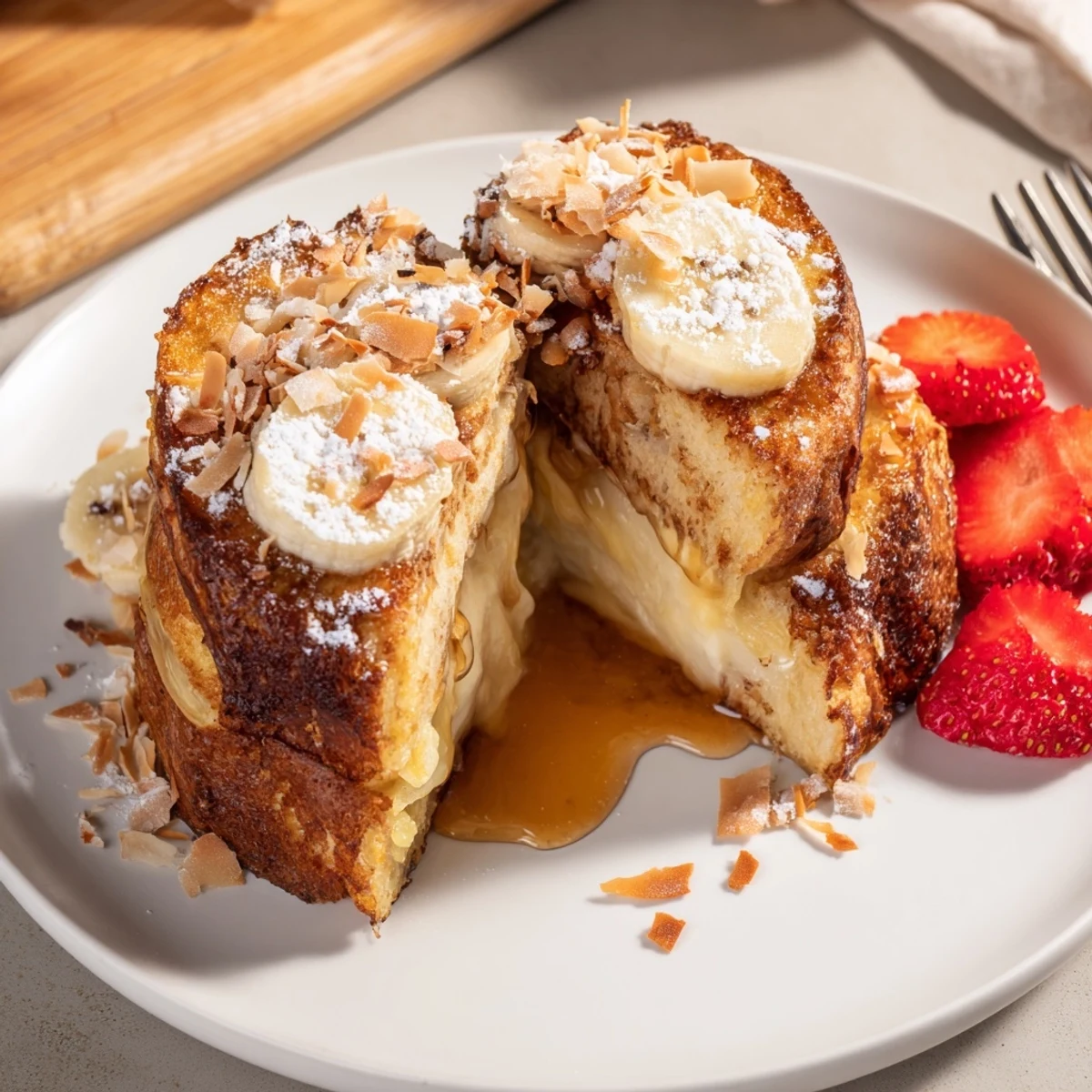
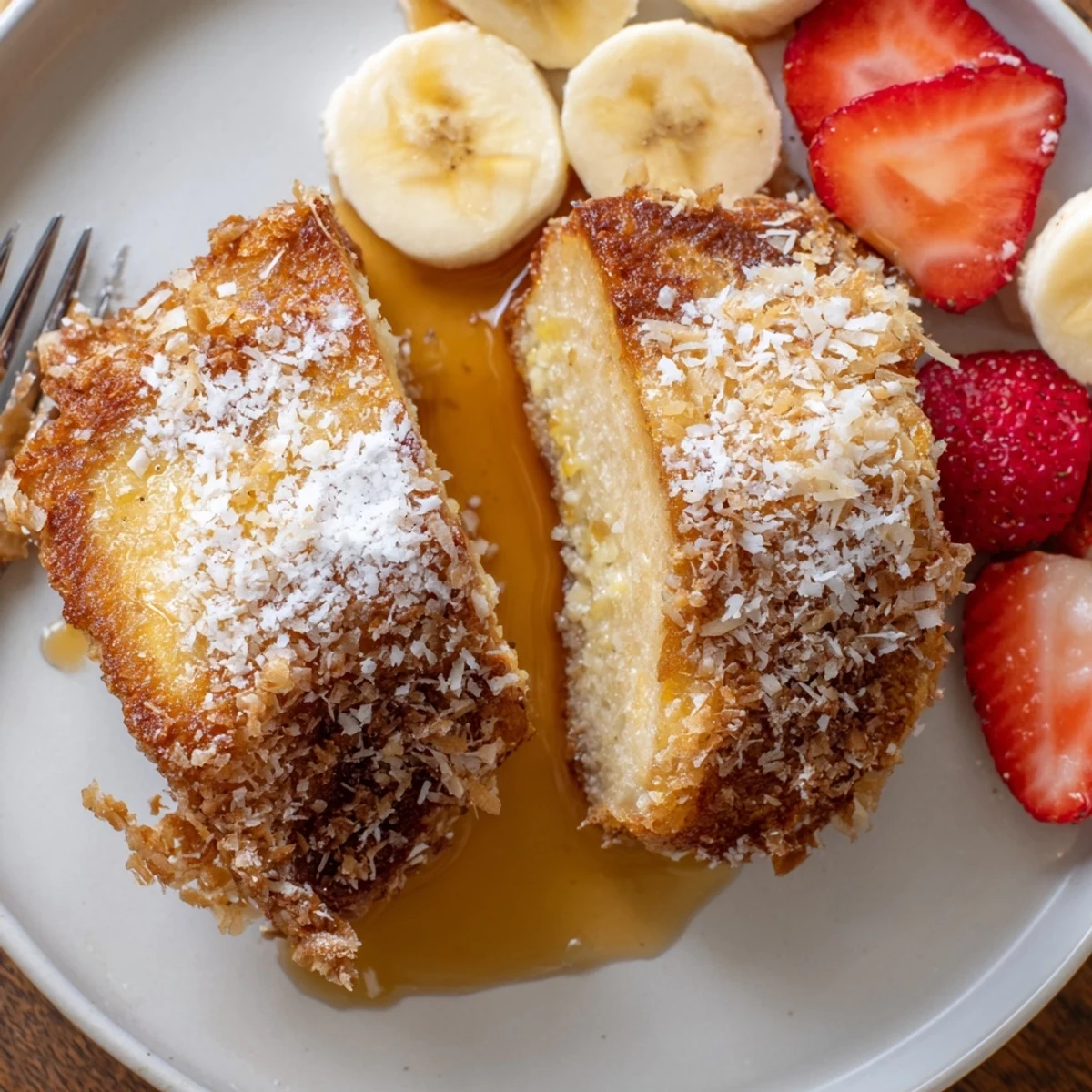
 This coconut-crusted French toast delivers a crisp, golden exterior with a rich, custardy interior. Thick brioche or challah is soaked in an egg and milk custard flavored with vanilla and cinnamon, pressed into shredded coconut (with optional panko for extra crunch), then pan-fried in butter and coconut oil until deeply golden. Serve warm with maple syrup, fresh berries or bananas; use coconut milk and only coconut oil for a dairy-free option.
The smell of toasted coconut hitting a hot skillet on a lazy Sunday morning is enough to make anyone stumble out of bed, and this French toast is the reason I started keeping a bag of shredded coconut in my pantry at all times. It started as a happy accident when I knocked coconut into my egg mixture while reaching for cinnamon. That clumsy moment produced the most golden, shatteringly crisp French toast I have ever eaten.
My roommate walked into the kitchen halfway through my second batch and stood there in silence watching me press coconut into bread slices like it was the most important task in the world. She grabbed a plate before I even finished plating. We ate standing at the counter, syrup dripping off our chins, and neither of us said a word until every slice was gone.
Ingredients
- Eggs: Four large eggs form the backbone of the custard, and room temperature eggs blend more smoothly with the milk.
- Whole milk or coconut milk: One cup of either works beautifully, but coconut milk leans into the tropical flavor and keeps it dairy free.
- Granulated sugar: Just one tablespoon adds subtle sweetness without making the custard cloying.
- Pure vanilla extract: One teaspoon rounds out the flavor and makes the whole kitchen smell like a bakery.
- Ground cinnamon: Half a teaspoon pairs surprisingly well with the coconut crust.
- Salt: A pinch elevates every other ingredient and balances the sweetness.
- Brioche or challah bread: Eight thick slices about two centimeters hold up to soaking without falling apart, and their egg richness makes the custard even better.
- Unsweetened shredded coconut: One cup creates the signature crispy exterior, and unsweetened prevents burning.
- Panko breadcrumbs: Half a cup is optional but adds an extra layer of crunch that makes the coating irresistible.
- Butter and coconut oil: Two tablespoons of each together give you the browning power of butter and the tropical aroma of coconut oil.
- Optional toppings: Maple syrup, fresh berries, sliced bananas, and powdered sugar all belong here in any combination you like.
Instructions
- Whisk the custard:
- In a shallow dish, whisk together the eggs, milk, sugar, vanilla, cinnamon, and salt until completely smooth with no streaks of egg white visible.
- Set up the crust station:
- In another shallow dish, combine the shredded coconut and panko breadcrumbs, mixing with your fingers so the textures are evenly distributed.
- Soak the bread:
- Dip each slice into the custard, letting it absorb the mixture on both sides for about ten seconds per side, long enough to soak through but not so long that it turns mushy.
- Press on the coating:
- Lay each soaked slice into the coconut mixture and press firmly, flipping once, so the crust adheres in an even, generous layer across every edge.
- Heat the pan:
- Melt the butter and coconut oil together in a large non stick skillet over medium heat, swirling until the fat shimmers and the aroma fills the air.
- Fry to golden perfection:
- Cook the coated slices in batches for two to three minutes per side, watching closely, until the coconut turns deeply golden and the edges crisp up dramatically.
- Serve immediately:
- Transfer to warm plates and top with whatever makes you happy, because this French toast waits for no one and the crispness fades fast.
 Save to Pinterest
 I made this for my mother on her birthday and she called it the best breakfast she ever had, which from a woman who rarely compliments anything meant more than any gift I could have wrapped.
What Kind of Bread Actually Works Best
Brioche is the gold standard because its buttery crumb absorbs custard like a sponge while staying intact, and challah is a close second with its slightly sweet, airy texture. Thick white sandwich bread will do in a pinch, but avoid anything seeded, whole grain, or overly dense because it fights against the delicate coconut crust. Slice the bread yourself rather than buying presliced, since you want control over that two centimeter thickness that makes all the difference.
Getting the Oil Temperature Right
Medium heat is your sweet spot here, and if you are unsure whether the pan is ready, flick a tiny pinch of coconut into the oil to see if it sizzles on contact. Too hot and the coconut scorches before the egg cooks through, too low and the crust turns greasy instead of crisp. I ruined an entire batch learning this the hard way on high heat, scraping blackened coconut into the trash while my coffee went cold.
Serving Ideas That Go Beyond the Basics
A squeeze of lime juice over the finished French toast sounds strange but brightens the whole plate in a way that makes people ask what your secret is. A dollop of whipped cream or a spoonful of coconut yogurt turns it into something closer to dessert, which is never a bad idea on a weekend morning.
- Try a drizzle of warmed coconut caramel if you want to go all in on the tropical theme.
- Leftover slices reheat beautifully in a toaster oven or air fryer for about three minutes.
- Always serve warm because the crispness is the whole point and it softens as it sits.
 Save to Pinterest
 Once you try this coconut crusted version, regular French toast will feel like it is missing something, and your weekends will never be quite the same.
Your Recipe Questions Answered
- → What bread works best?
-
Thick slices of brioche or challah give the creamiest interior and best contrast with the crisp coconut exterior. Any sturdy white bread about 2 cm thick will work if those aren’t available.
- → How do I keep the center custardy without burning the coconut?
-
Cook over medium heat so the exterior browns steadily while the custard sets. If the coconut browns too fast, lower the heat and finish in a covered skillet briefly to warm through without overbrowning.
- → Can I make this dairy-free?
-
Yes. Substitute full-fat coconut milk for whole milk and cook using only coconut oil instead of butter. The coconut flavor will be more pronounced and the texture remains rich.
- → Should I add panko to the coconut?
-
Panko mixed with shredded coconut adds extra crunch and helps the coating adhere. Use up to half panko to coconut for a balanced texture; pure shredded coconut gives a more pronounced coconut crust.
- → How do I reheat leftovers?
-
Reheat gently in a non-stick skillet over medium-low heat or in a warm oven (150–160°C / 300–325°F) to restore crispness. Avoid the microwave, which softens the coconut coating.
- → Any tips for serving and garnishes?
-
Serve immediately with warm maple syrup, fresh berries or sliced bananas and a light dusting of powdered sugar. A squeeze of lime brightens the coconut notes for a tropical finish.