
 Save to Pinterest
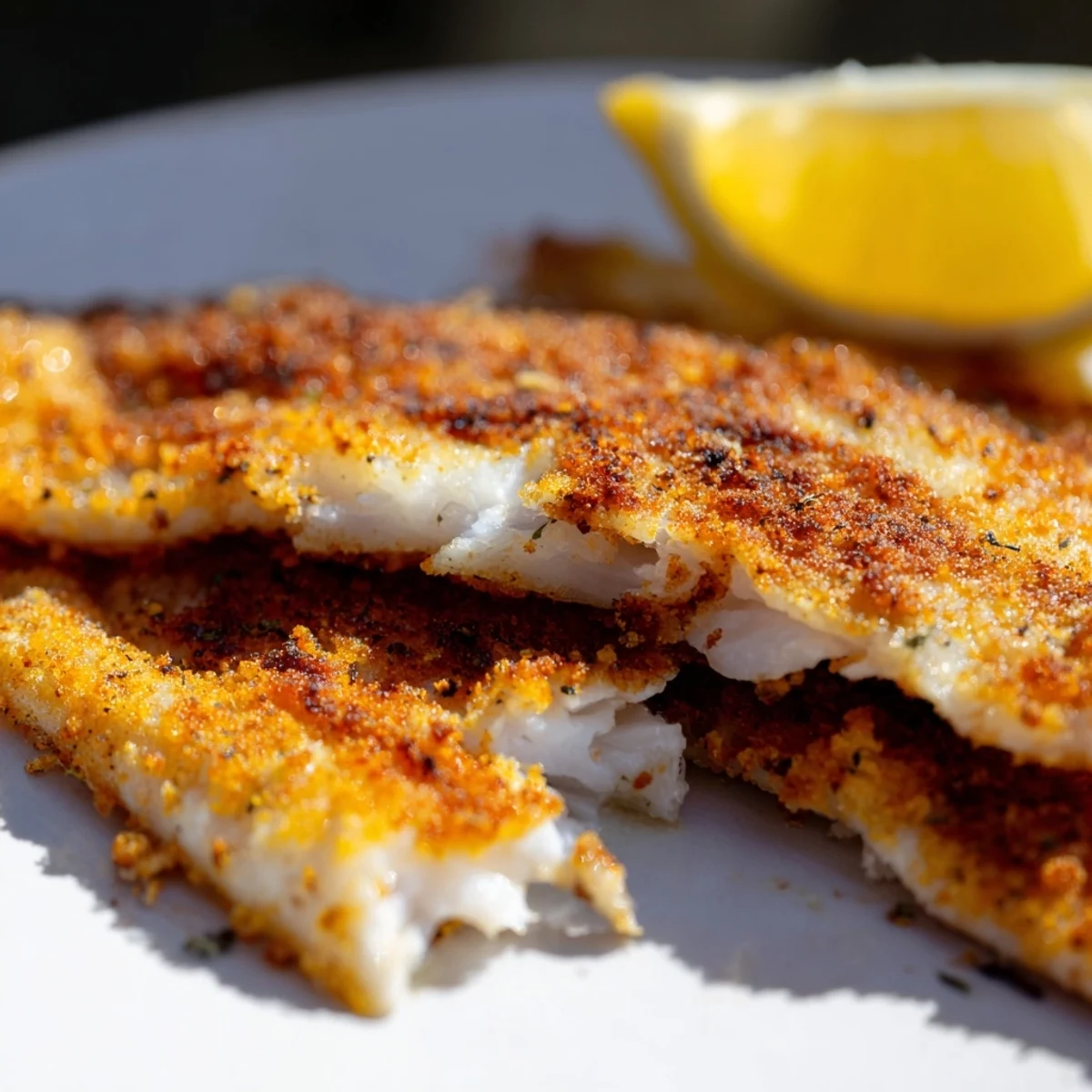
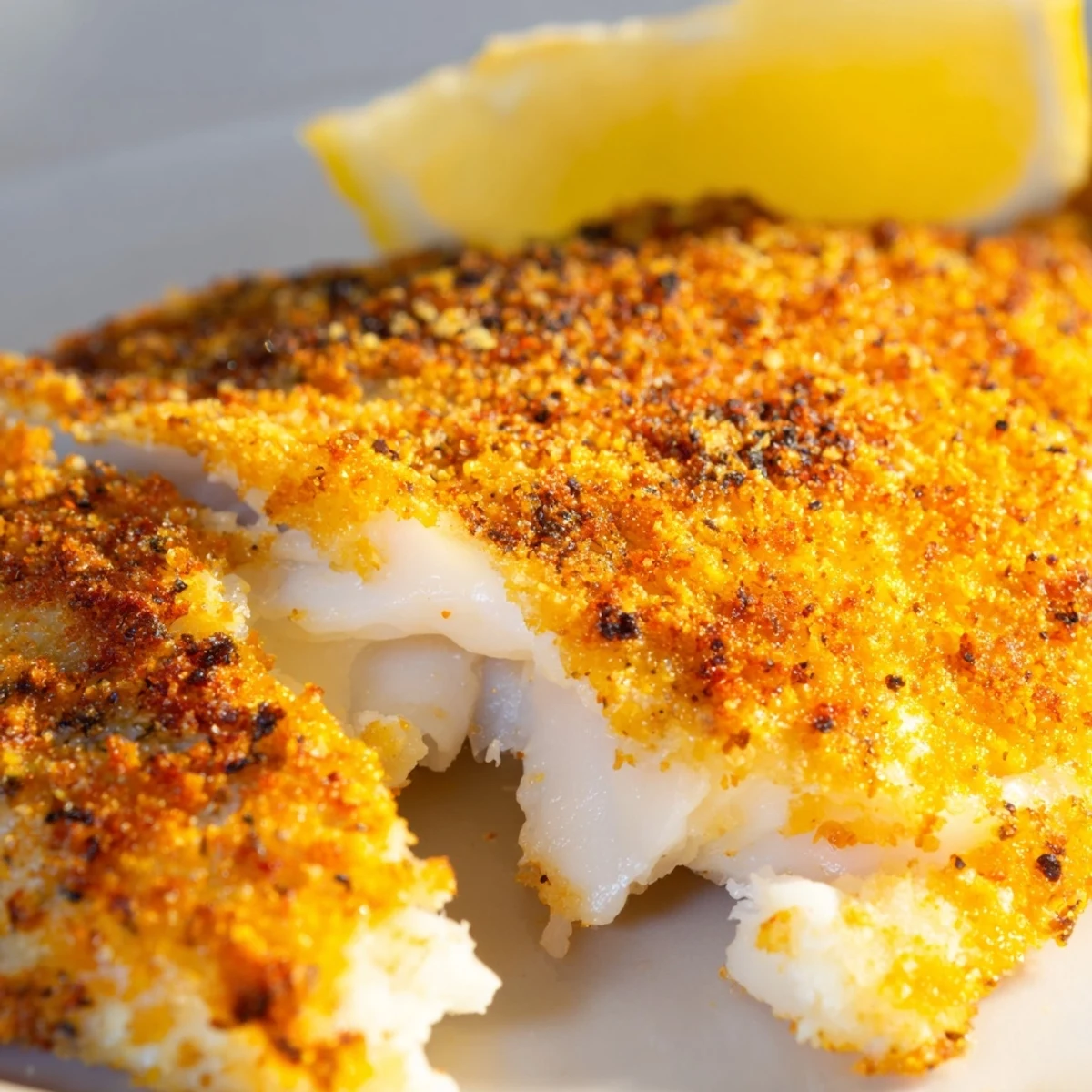
 This pan-fried tilapia delivers perfectly golden, crispy fillets in just 20 minutes from start to finish. The secret lies in a simple blend of paprika, garlic powder, and onion powder that seasons each fillet beautifully.
Pat the fish dry before seasoning to ensure maximum crispiness. An optional cornmeal dredge adds an extra satisfying crunch. Cook in hot olive oil or butter for 3-4 minutes per side until the fish flakes easily with a fork.
At just 210 calories per serving with 32g of protein, this dish is both gluten-free and low carb, making it an ideal healthy weeknight meal.
The sound of tilapia hitting a hot skillet is one of those small kitchen satisfactions that never gets old, a sharp sizzle that promises something golden and good. My friend Maria taught me this method on a rainy Tuesday when neither of us felt like cooking anything complicated. Twenty minutes later we were standing at the counter eating straight from the pan because plates felt unnecessary. That fish changed my weeknight dinner game forever.
I once made this for my neighbor Tom after he helped me carry groceries up three flights of stairs. He stood in my kitchen with a lemon wedge in one hand and a fork in the other, shaking his head like I had performed a magic trick instead of simply heating a pan.
Ingredients
- 4 tilapia fillets, about 150g each, patted dry: Dry fillets are everything here because moisture is the enemy of a good crust, so press them firmly between paper towels and give it a minute.
- 1 tsp salt: Sounds like a lot but tilapia needs it to wake up, and most of it sits on the surface rather than soaking in.
- 1/2 tsp freshly ground black pepper: Freshly ground makes a real difference since preground tastes flat against the mild fish.
- 1/2 tsp paprika: This is what gives you that beautiful golden color and a subtle warmth without any real heat.
- 1/4 tsp garlic powder: Just enough to add depth without overpowering the delicate flavor of the fish.
- 1/4 tsp onion powder: Works quietly in the background alongside the garlic to build a more complete savory profile.
- 1/4 cup cornmeal or gluten-free flour, optional: This is your crispiness insurance policy and a light dredge creates a crust that holds up beautifully.
- 2 tbsp olive oil or unsalted butter: Butter gives richer flavor but olive oil gets a cleaner sear, so choose based on your mood.
- 1 lemon, cut into wedges: A squeeze of bright acid at the end pulls everything together and makes the flavors sing.
Instructions
- Mix your seasoning blend:
- In a small bowl, combine the salt, pepper, paprika, garlic powder, and onion powder, stirring with your finger to break up any clumps. The smell should already be warm and inviting.
- Season the fillets:
- Sprinkle both sides of each tilapia fillet evenly with the seasoning mix, pressing it gently into the flesh with your fingertips so it adheres. Take your time here because uneven seasoning leads to uneven flavor.
- Optional cornmeal dredge:
- If you want extra crunch, lightly coat each fillet in cornmeal or gluten-free flour, then shake off the excess by tapping the fillet against the side of the bowl. Too much coating turns gummy instead of crispy.
- Heat the pan:
- Warm your olive oil or butter in a large nonstick skillet over medium-high heat until the oil shimmers or the butter stops bubbling and smells nutty. This is the moment where patience pays off completely.
- Cook the first side:
- Lay the fillets in the pan carefully, working in batches if needed so they do not touch each other, and let them cook undisturbed for 3 to 4 minutes until the edges turn golden and the fish releases from the pan on its own. If it sticks, give it another thirty seconds.
- Flip and finish:
- Flip gently with a fish spatula and cook another 2 to 3 minutes until the flesh is completely opaque and flakes easily when you press it with a fork. The second side always cooks faster so stay close.
- Serve with lemon:
- Transfer immediately to plates and hand everyone a lemon wedge because this fish waits for no one. The squeeze of juice at the table is part of the experience.
 Save to Pinterest
 There is something quietly powerful about serving a perfect piece of fish to people who expect nothing special on a random Wednesday. It reminds you that good food does not require hours or fancy ingredients, just attention and a hot pan.
Getting That Golden Crust Right
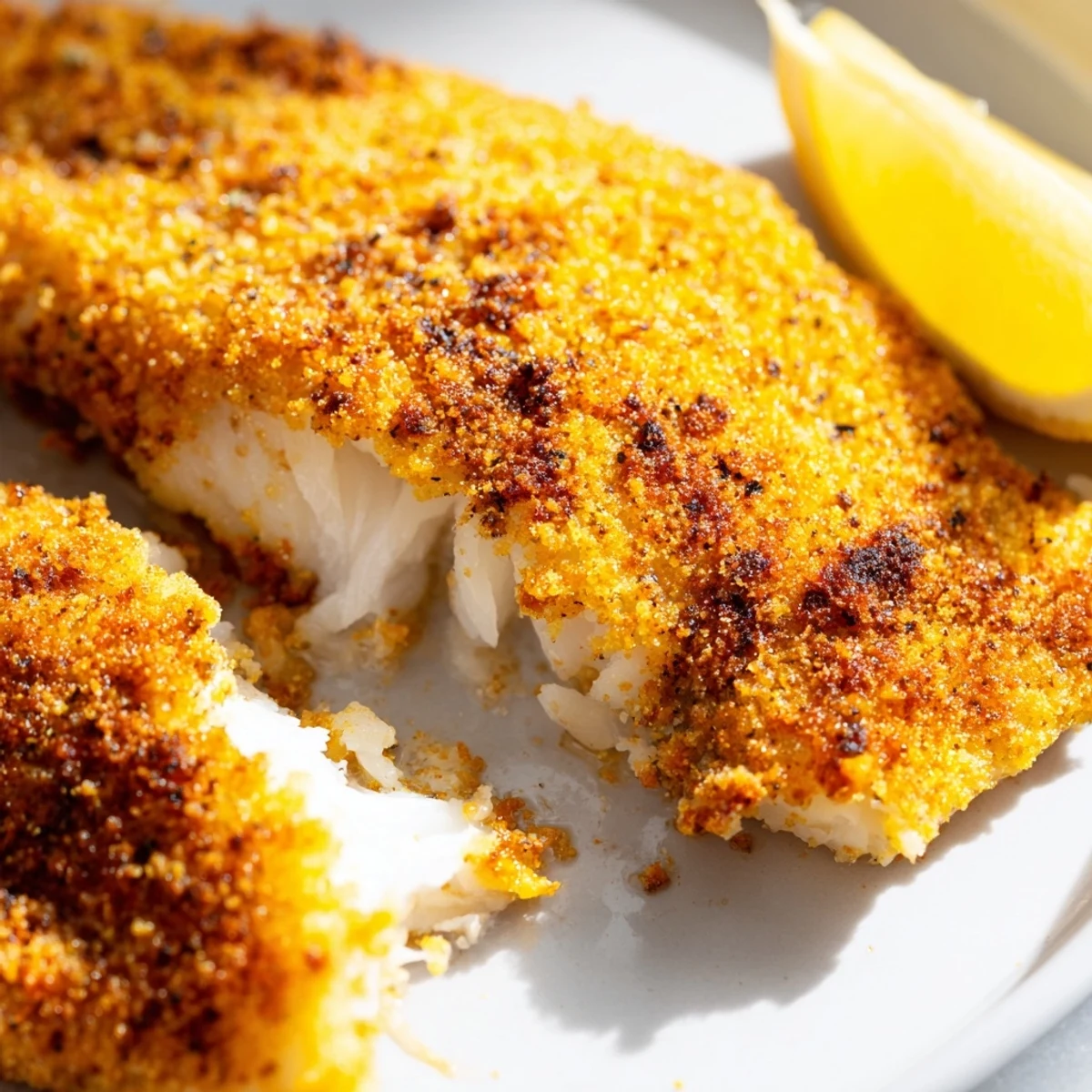
The crust is the whole point of pan frying, and getting it right comes down to three things: dry fish, hot fat, and patience. I learned the hard way that rushing the flip always ends in tears and broken fillets floating sadly in oil.
What To Serve Alongside
Steamed green beans with a little butter, a simple arugula salad, or a pile of fluffy rice all work beautifully here. The fish is lean and light so you want sides that complement without weighing the plate down.
Small Things That Make a Big Difference
After making this dozens of times I have picked up a handful of tiny adjustments that sound insignificant but genuinely change the result.
- Let your fillets sit at room temperature for ten minutes before cooking so the chill comes off and they sear more evenly.
- A pinch of cayenne in the seasoning blend adds warmth without real heat, and most people will not even identify it as spicy.
- Always taste a corner piece first so you can adjust the lemon or salt before bringing plates to the table.
 Save to Pinterest
 Keep this recipe in your back pocket for the nights when cooking feels like a chore and you will be surprised how often it rescues you. Simple food done well is always enough.
Your Recipe Questions Answered
- → How do I know when tilapia is fully cooked?
-
Tilapia is done when it turns opaque throughout and flakes easily when pressed gently with a fork. The internal temperature should reach 145°F (63°C). Avoid overcooking, as the fish can become dry and rubbery.
- → Can I use frozen tilapia fillets?
-
Yes, but thaw them completely first. Place frozen fillets in the refrigerator overnight or sealed in a zip-top bag under cold running water for about 30 minutes. Pat thoroughly dry before seasoning to ensure proper browning.
- → What can I substitute for cornmeal in the coating?
-
Gluten-free flour works as a direct substitute for cornmeal. You can also use almond flour for a low-carb option, or panko breadcrumbs if gluten isn't a concern. Simply dredge lightly and shake off any excess before cooking.
- → Why does my fish stick to the pan?
-
Fish typically sticks when the pan isn't hot enough or the fish is moved too early. Make sure your oil is shimmering hot before adding fillets, and wait until the fish releases naturally from the pan before flipping—usually after 3-4 minutes.
- → What sides pair well with pan-fried tilapia?
-
Steamed vegetables like broccoli or asparagus make a light, healthy pairing. A fresh green salad with lemon vinaigrette complements the fish beautifully. For something heartier, serve alongside jasmine rice, roasted potatoes, or quinoa.
- → Can I cook tilapia in butter instead of olive oil?
-
Absolutely. Butter adds a rich, nutty flavor that pairs wonderfully with tilapia. Use medium heat to prevent burning, or combine butter with a splash of olive oil to raise the smoke point while keeping that buttery taste.