
 Save to Pinterest
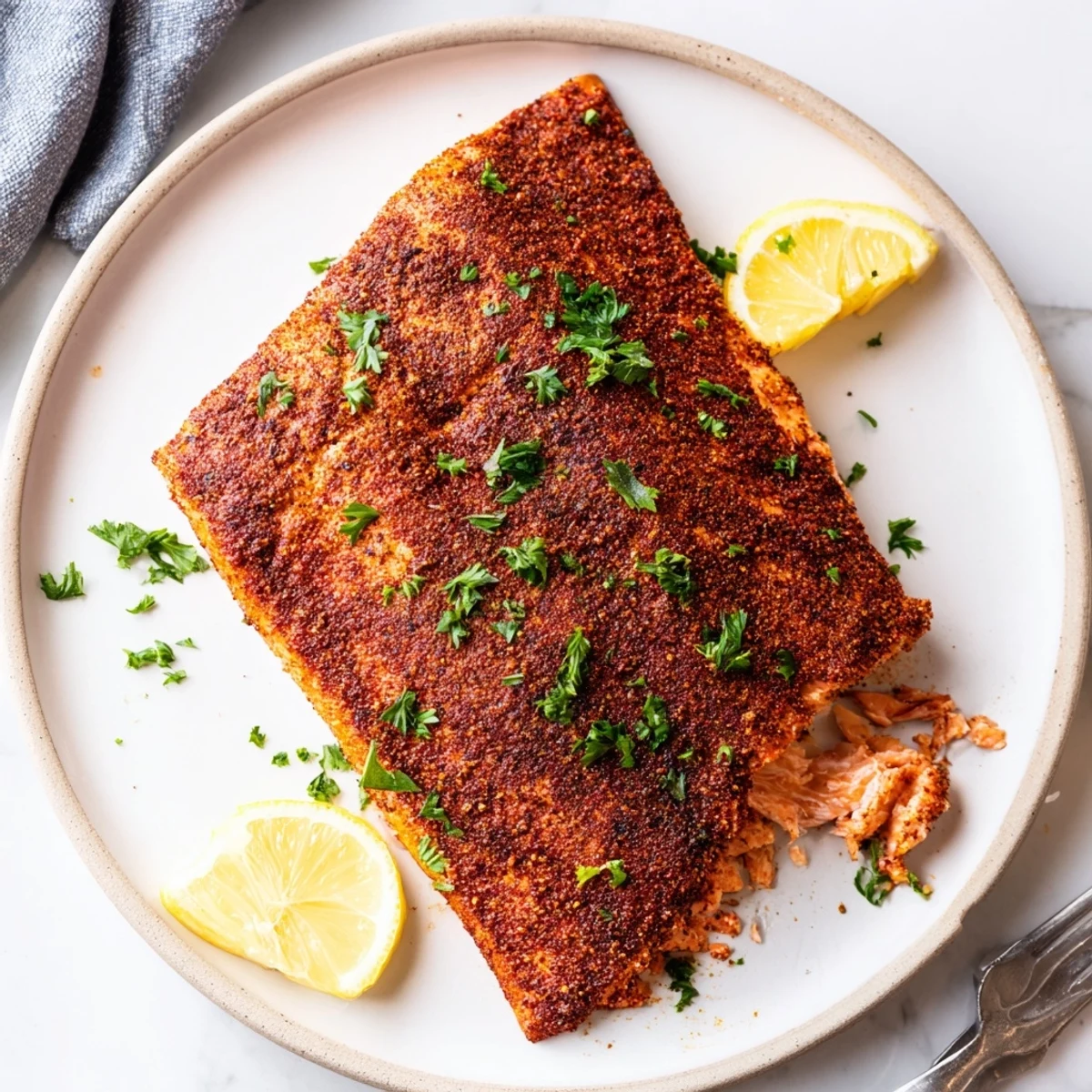
 This oven baked Cajun salmon delivers bold, smoky flavor with minimal effort. Four salmon fillets are coated in a homemade blend of Cajun seasoning, garlic powder, and smoked paprika, then baked at 400°F for 12 to 15 minutes until perfectly flaky.
With only 10 minutes of prep and a total time of 25 minutes, it is an ideal weeknight dinner. The dish is naturally gluten-free and low carb, providing 33g of protein per serving at just 300 calories.
Serve alongside rice, quinoa, or roasted vegetables for a complete meal. A chilled Sauvignon Blanc pairs beautifully with the spicy, savory flavors.
My apartment smelled like a Louisiana kitchen after I accidentally doubled the Cajun seasoning one rainy Tuesday, and honestly, that mistake changed everything about how I cook salmon. The spice cabinet door was sticking, I was in a rush, and the extra tablespoon of that rust red blend turned a boring weeknight into something worth remembering. Now I do it on purpose every single time.
I made this for my neighbor Dave last winter when his power went out and he was using his oven to stay warm. He sat at my kitchen counter eating it straight off the baking sheet, juice running down his wrist, and said it was the best fish he had ever tasted. We have been trading recipes ever since.
Ingredients
- 4 (6 oz) salmon fillets, skin on or skinless: Skin on helps retain moisture during baking, but either works beautifully here.
- 2 tbsp olive oil: This carries the spices and creates that gorgeous caramelized crust on top.
- 2 tbsp Cajun seasoning: The backbone of the whole dish, so use a brand you genuinely enjoy.
- 1/2 tsp garlic powder: Adds a quiet savory depth underneath the bolder spices.
- 1/2 tsp smoked paprika: Reinforces the smokiness and gives the fillets their stunning color.
- 1/4 tsp black pepper: A gentle heat layer that complements without competing.
- 1/4 tsp sea salt, optional: Taste your Cajun blend first, as some are already quite salty.
- 1 tbsp chopped fresh parsley: A bright finish that cuts through the richness.
- 1 small lemon, cut into wedges: Essential for squeezing over the top right before eating.
Instructions
- Preheat and prepare:
- Set your oven to 400 degrees F and line a baking sheet with parchment paper or a light brush of oil so nothing sticks.
- Dry the salmon:
- Pat each fillet thoroughly with paper towels and lay them skin side down on the sheet, spacing them an inch apart so the heat circulates properly.
- Mix the seasoning paste:
- Stir together the olive oil, Cajun seasoning, garlic powder, smoked paprika, black pepper, and salt in a small bowl until it forms a thick, fragrant paste.
- Coat the fillets:
- Brush or spoon the mixture generously over the tops and sides of each fillet, pressing gently so the spices adhere to every surface.
- Bake until perfect:
- Slide the tray into the oven and bake 12 to 15 minutes until the thickest part of the fish flakes easily with a fork and reaches 145 degrees F internally.
- Rest and serve:
- Pull the salmon out, let it sit for 2 to 3 minutes so the juices settle, then scatter parsley and lemon wedges over the top and bring it to the table.
 Save to Pinterest
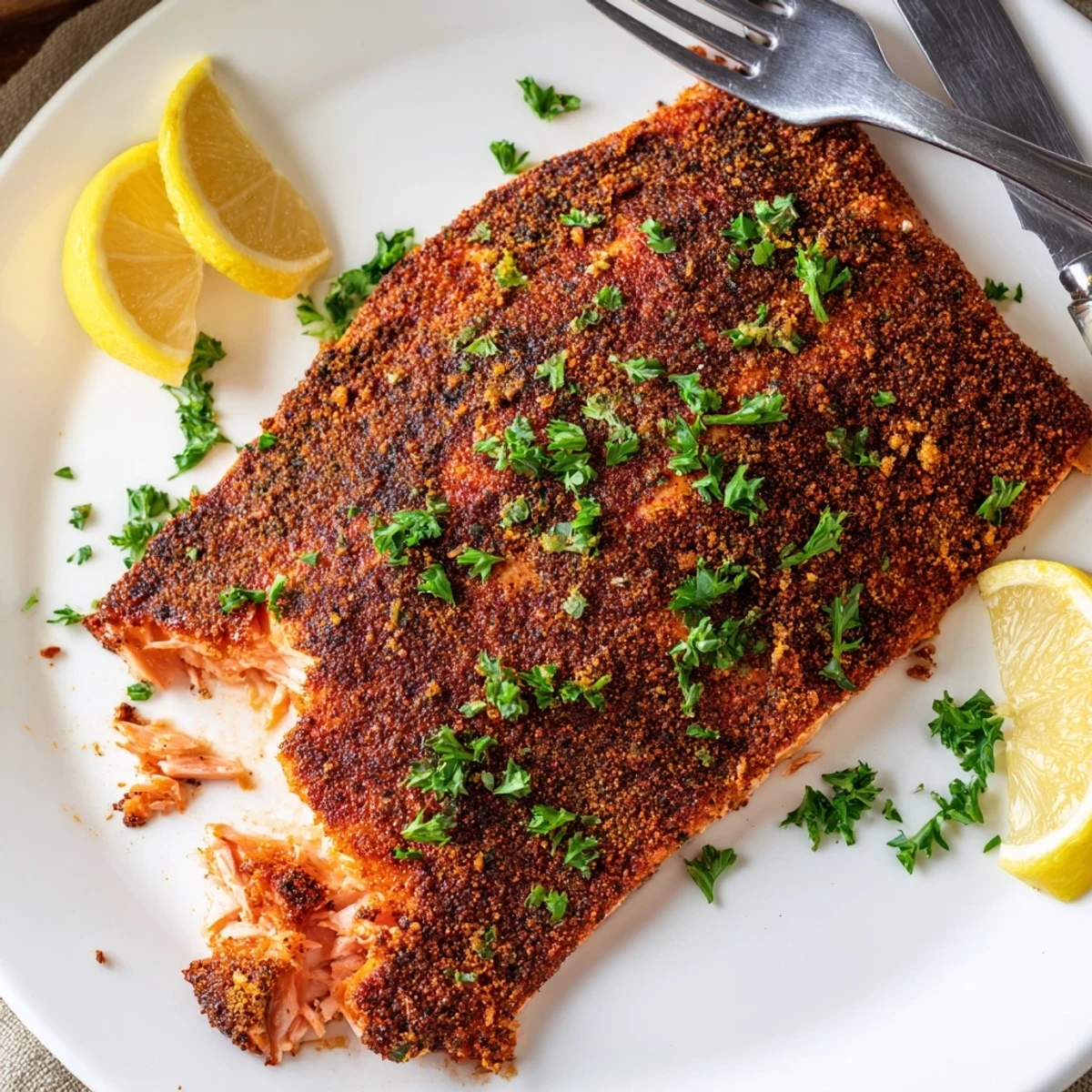
 There is something about pulling a tray of perfectly bronzed salmon from the oven that makes you feel like you actually have your life together, even if the rest of the kitchen is a disaster.
What to Serve Alongside
Rice soaks up the spiced juices beautifully, and a pile of roasted broccoli or asparagus turns this into a complete meal with almost no extra effort. I have also thrown it over a bed of quinoa with a squeeze of lime when I am trying to feel virtuous. A glass of chilled Sauvignon Blanc or a light Chardignon alongside makes it feel like a proper dinner party.
Marinating for Deeper Flavor
If you have an extra thirty minutes, rub the spice paste on the salmon and let it sit in the fridge before baking. The salt and oil penetrate deeper and the flavor payoff is noticeable, especially on thicker cuts. Just do not go beyond an hour or the acid in some Cajun blends starts breaking down the texture.
Getting the Spice Level Right
Not all Cajun seasonings carry the same heat, so taste yours before you commit to the full amount. I learned this the hard way when a friend brought back a blend from New Orleans that nearly took my head off.
- Start with one tablespoon if you are unsure and add more from there.
- A pinch of brown sugar mixed into the rub balances aggressive heat without muting it.
- Always have extra lemon wedges on hand because acidity tames spice faster than water ever will.
 Save to Pinterest
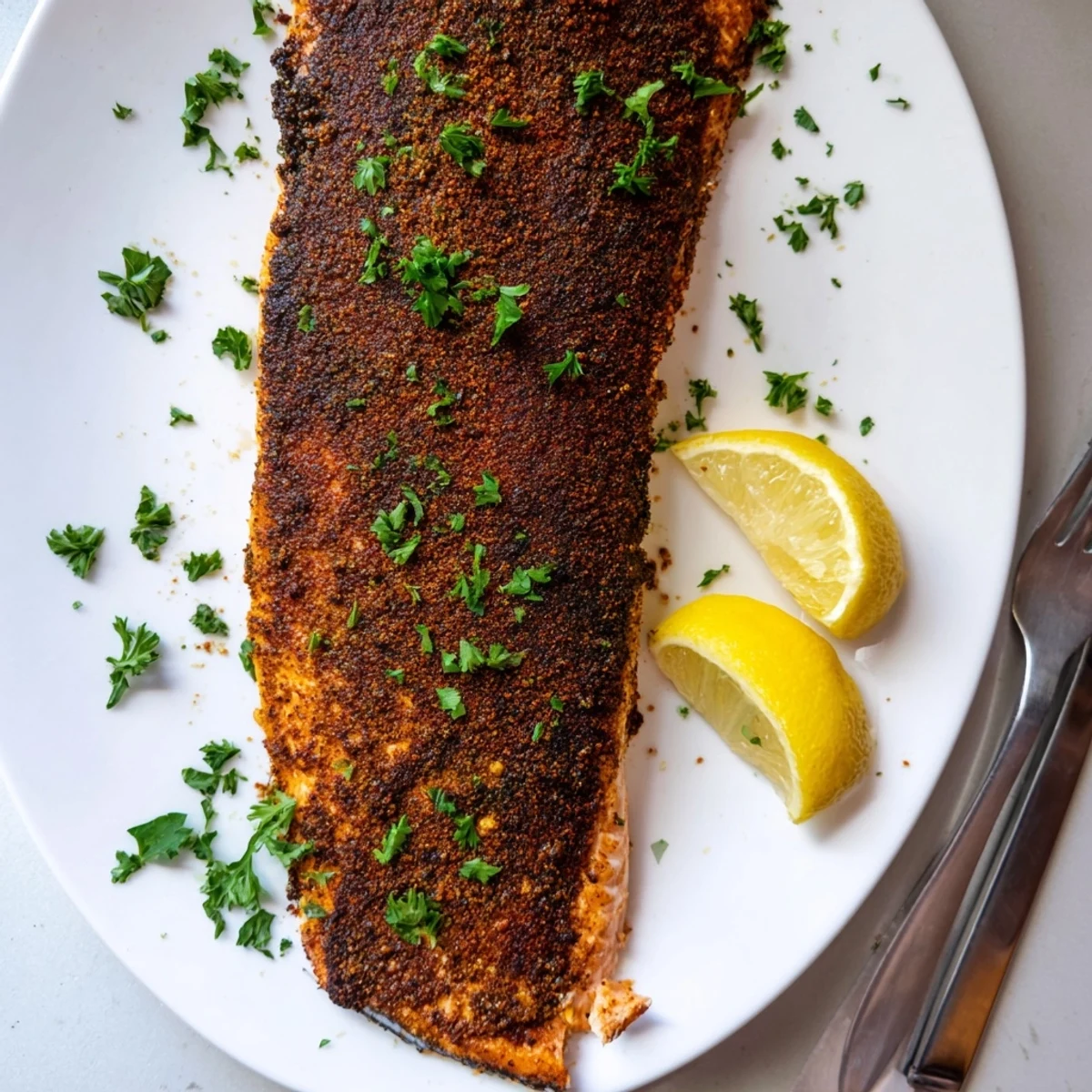
 This is the kind of recipe that stays in your rotation for years because it asks almost nothing of you and delivers something bold and satisfying every single time.
Your Recipe Questions Answered
- → What temperature should I bake Cajun salmon at?
-
Bake Cajun salmon at 400°F (200°C) for 12 to 15 minutes. The salmon is done when it flakes easily with a fork and reaches an internal temperature of 145°F (63°C).
- → Should I use skin-on or skinless salmon fillets?
-
Both work well for this dish. Skin-on fillets help retain moisture during baking and crisp up nicely. If using skinless, the seasoning adheres directly to the flesh for more even flavor distribution.
- → How spicy is Cajun salmon?
-
The heat level depends on your Cajun seasoning blend. Most store-bought blends offer moderate warmth. You can adjust the spice level by using more or less seasoning, or choose a mild Cajun blend for less heat.
- → Can I marinate the salmon before baking?
-
Yes, for deeper flavor you can coat the salmon in the seasoning mixture and let it marinate in the refrigerator for up to 30 minutes before baking. This allows the spices to penetrate the fish more thoroughly.
- → What sides go well with baked Cajun salmon?
-
Rice, quinoa, or roasted vegetables are excellent choices. A fresh green salad, garlic mashed potatoes, or grilled asparagus also complement the bold Cajun flavors beautifully.
- → How do I store and reheat leftover Cajun salmon?
-
Store leftovers in an airtight container in the refrigerator for up to 3 days. Reheat gently in a 275°F oven for about 10 minutes to avoid overcooking, or enjoy cold flaked over a salad.