
 Save to Pinterest
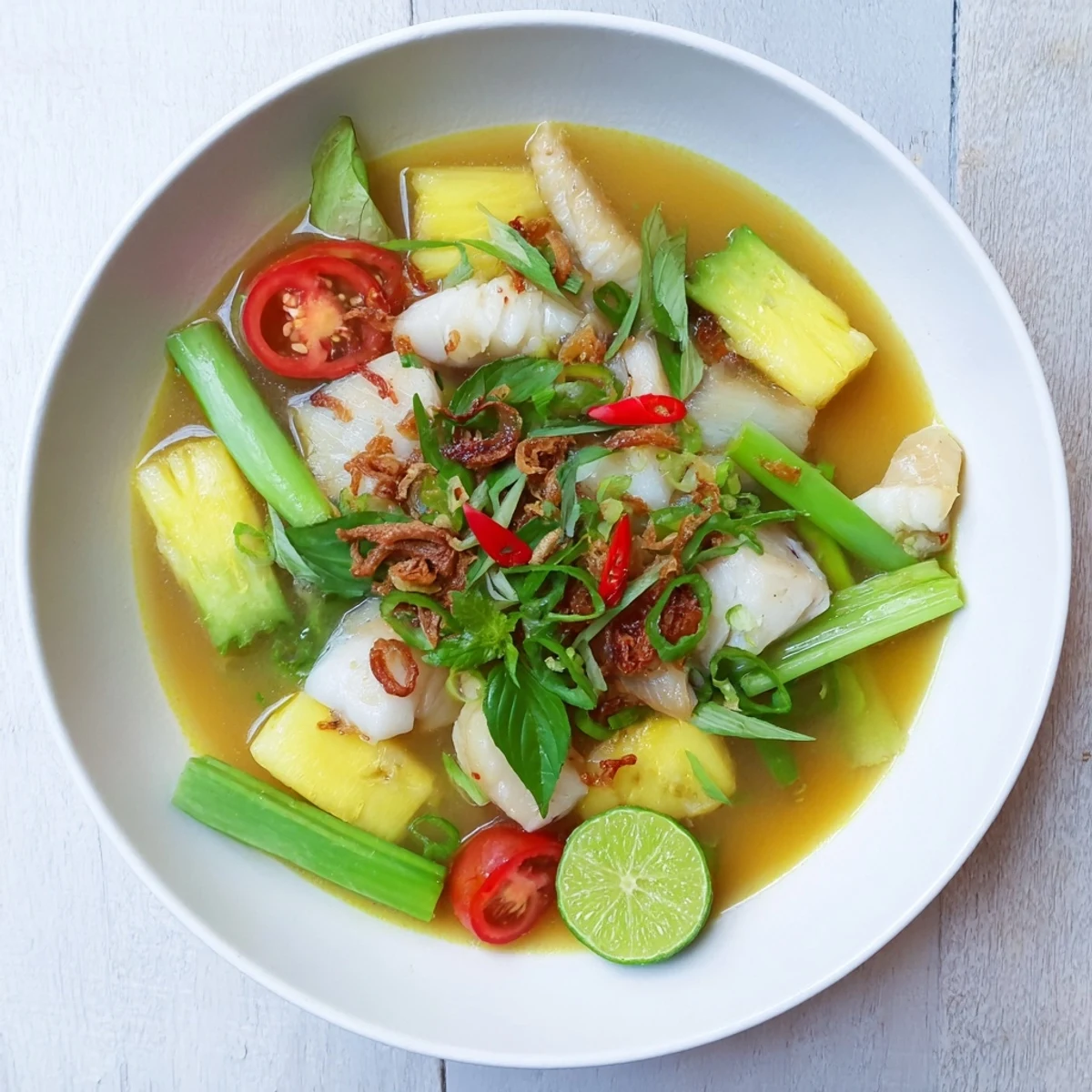
 This vibrant Vietnamese sour soup balances tangy tamarind with sweet pineapple and savory fish in just 40 minutes. The broth simmers with tomatoes, celery, and optional okra before delicate white fish pieces poach gently in the aromatic liquid. Fresh bean sprouts add crunch while Thai basil, coriander, and scallions provide fragrant finishing touches. Each bowlful offers harmonious sweet-sour-salty notes characteristic of authentic Canh Chua, modernized with accessible ingredients.
The first time I had canh chua was at a tiny Vietnamese restaurant tucked away in a corner of the city, where the owner's grandmother floated between tables refilling tea bowls. She brought me this steaming bowl of amber broth, its surface swimming with vibrant tomatoes and pineapple chunks, the aroma hitting me before I even picked up my spoon. One spoonful and I understood why she'd smiled so knowingly when I ordered it, that perfect dance of sour and savory making my eyes widen. I spent the next year experimenting in my own kitchen, trying to recreate that magic until my friends started requesting dinner invitations whenever the weather turned warm.
Last summer, my neighbor stopped by while I was making this, drawn by the unmistakable scent of tamarind and garlic wafting through my open kitchen window. She ended up staying for dinner, watching me add each ingredient and explaining how her mother made a similar sour soup with different fish back in Vietnam. We ate together on my balcony as the sun set, both of us agreeing that comfort food transcends borders and that sometimes the simplest soups hold the most memories.
Ingredients
- 400 g white fish fillets: Catfish holds up beautifully but any mild white fish works perfectly, just cut them into generous bite-sized pieces so they dont break apart
- 1 medium tomato: Wedged tomatoes add both color and a subtle sweetness that balances the tamarind's acidity
- 150 g pineapple: Fresh pineapple is non-negotiable here, the canned stuff makes the broth taste flat and one-dimensional
- 80 g bean sprouts: Add these at the very end so they stay crunchy and fresh, creating the most satisfying texture contrast
- 1.2 liters water or fish stock: Homemade fish stock adds incredible depth but water works fine if you season generously
- 2 tablespoons tamarind paste: This is the soul of the dish, look for the kind without seeds for the smoothest consistency
- Fresh Thai basil and coriander: Don't skip the herbs, they transform the soup from good to extraordinary with their aromatic finish
Instructions
- Build your aromatic foundation:
- Heat that splash of oil in your large pot over medium heat, then add the minced garlic and sliced shallots. Let them sizzle until fragrant and just turning golden, about 2 minutes, being careful not to burn them or they'll turn bitter.
- Create the tangy broth base:
- Pour in your water or fish stock, then stir in the tamarind paste, sugar, salt, and fish sauce until everything dissolves. Bring it to a gentle boil, watching the liquid turn that beautiful amber color that makes canh chua so distinctive.
- Add the vegetables:
- Drop in your tomato wedges, pineapple chunks, sliced okra if you're using it, and celery. Let everything simmer together for about 5 minutes until the vegetables are just tender but still hold their shape nicely.
- Cook the fish gently:
- Lower the heat slightly and carefully add your fish pieces to the simmering broth. Let them cook for just 3 to 4 minutes until they turn opaque and flake easily, being careful not to overcook or the fish will become tough and dry.
- Balance the flavors:
- Taste your broth and adjust with more fish sauce, salt, or sugar until you hit that perfect sweet-sour-salty harmony that makes Vietnamese cuisine so incredible. Trust your palate here, everyone's balance is slightly different.
- Finish with fresh elements:
- Stir in the bean sprouts and sliced chili if you want some heat, letting them simmer for just 1 minute longer before removing from heat completely.
- Garnish generously:
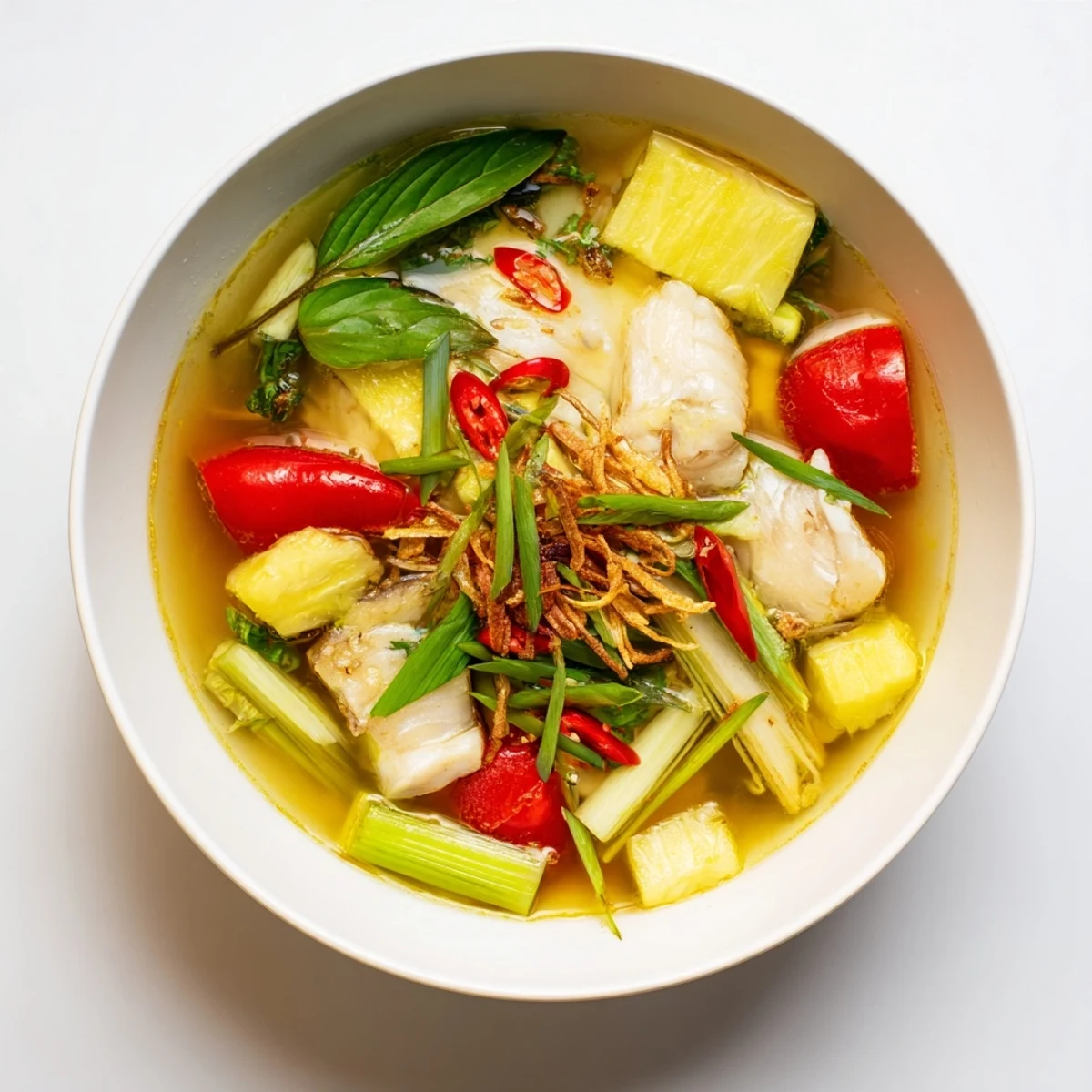
- Ladle the hot soup into bowls and pile on the Thai basil, fresh coriander, scallions, and those crispy fried shallots if you have them. Serve immediately with lime wedges on the side so everyone can add their own extra squeeze of brightness.
 Save to Pinterest
 This soup became my go-to whenever friends needed comforting, whether they were celebrating good news or nursing heartbreak. Something about that steaming broth, fragrant with herbs and bright with tamarind, makes people lean in and share things they might not otherwise say.
The Art of Balancing Flavors
Vietnamese cooking is all about finding that perfect equilibrium between competing tastes, and canh chua is the ultimate example. The tamarind provides the sour note, pineapple brings natural sweetness, and fish sauce adds that essential savory depth. What I've learned after making this dozens of times is that you need to taste constantly and trust your instincts rather than following measurements blindly. Some days you'll want more tang, others you'll crave extra sweetness, and that's completely fine.
Choosing the Right Fish
Catfish is traditional for good reason, its firm flesh holds up beautifully in hot broth without falling apart, and its mild flavor lets the other ingredients shine. But I've also had great results with tilapia, bass, and even snapper when catfish wasn't available at my market. The key is cutting your fish into generous pieces, not too small or they'll overcook, and adding them gently to avoid breaking them up. Sea bass makes for an especially elegant version if you're cooking for company.
Serving Suggestions
While canh chua is absolutely perfect on its own, I love serving it with steamed jasmine rice to soak up that incredible broth. Some nights I skip the rice and pour it over rice vermicelli for a more substantial noodle soup experience. The addition of fried shallots on top might seem optional, but trust me, they add this incredible savory crunch that takes the whole dish to another level.
- Have extra lime wedges at the table, some people love it really tart
- Fresh herbs should be added just before serving so they stay vibrant and aromatic
- This soup reheats beautifully for lunch the next day, maybe even better than the first night
 Save to Pinterest
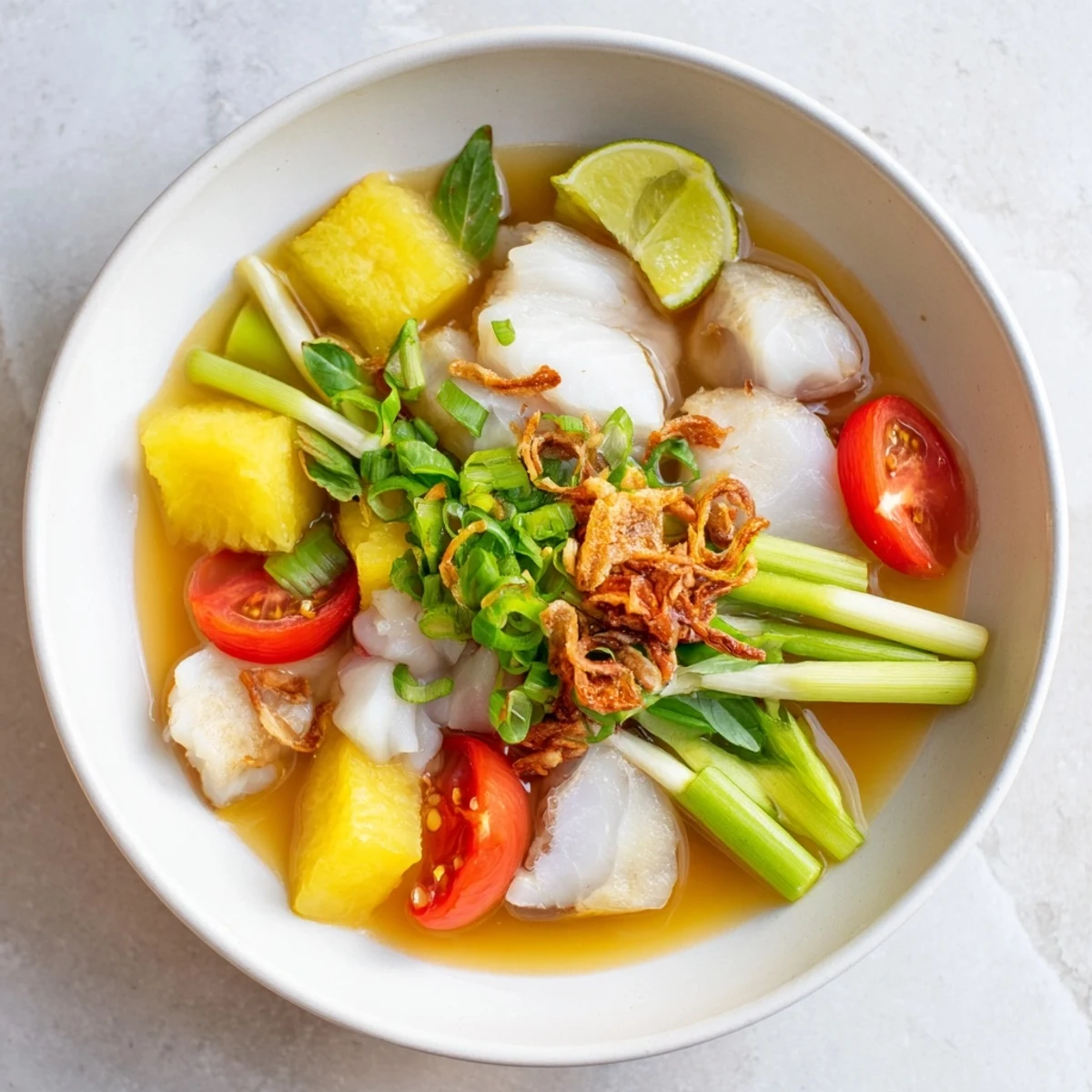
 There's something deeply satisfying about ladling this vibrant soup into bowls, watching the steam rise carrying the scent of tamarind and fresh herbs, knowing you're about to share something truly special with the people you love.
Your Recipe Questions Answered
- → What makes Canh Chua sour?
-
Tamarind paste provides the distinctive tangy flavor that defines this soup. The natural acidity from tamarind creates the characteristic sour profile that balances with sweetness from pineapple and sugar.
- → What type of fish works best?
-
White fish fillets like catfish, tilapia, sea bass, or snapper are ideal. These firm yet tender varieties hold their shape during cooking and absorb the flavorful broth beautifully without falling apart.
- → Can I make this vegetarian?
-
Absolutely. Substitute firm tofu cubes for fish and switch to vegetable or mushroom stock instead of fish stock. Use soy sauce or a vegetarian fish sauce alternative to maintain the savory depth.
- → How do I adjust the flavor balance?
-
Taste your broth before adding fish. More tamarind increases sourness, extra sugar enhances sweetness, and additional fish sauce or salt boosts savory notes. The goal is a harmonious balance where no single flavor dominates.
- → What should I serve with this soup?
-
Steamed jasmine rice is the traditional accompaniment, soaking up the flavorful broth. Rice vermicelli noodles also work wonderfully. The soup pairs well with other Vietnamese dishes like grilled meats or fresh spring rolls.
- → Can I prepare this in advance?
-
The broth base can be made ahead and refrigerated for 2-3 days. Add fish and fresh herbs just before serving, as the fish cooks quickly and herbs wilt. Reheat broth gently, then proceed with the final steps.