
 Save to Pinterest
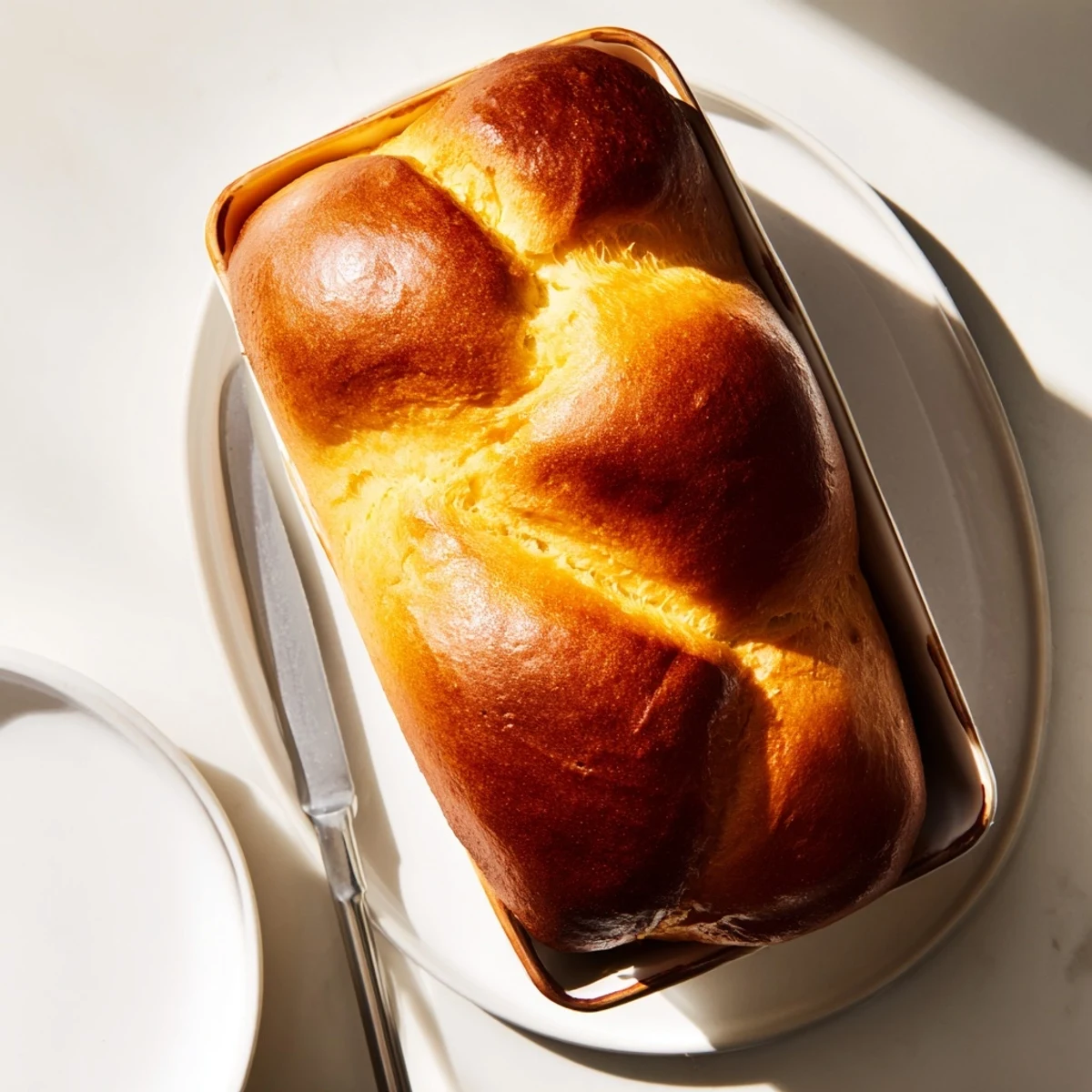
 This classic French brioche delivers an incredibly soft, pillowy texture thanks to generous amounts of butter, eggs, and warm milk. The dough requires patience with two rising periods, but the golden, glossy loaf that emerges from the oven is worth every minute. Perfect toasted with jam, used for French toast, or simply enjoyed with salted butter.
The smell of butter and yeast curling through my kitchen on a grey Sunday morning is enough to make me forget every reason I had for staying in bed. Milk brioche demands patience, but the payoff is a golden loaf so tender it barely holds together when you tear it. My first attempt collapsed because I rushed the rise, and I learned that this bread cannot be hurried. It rewards you only if you give it time.
I baked a loaf of this for my neighbors after they helped me carry furniture up three flights of stairs, and they returned the empty plate the next morning asking if I had any more hidden away. That moment sealed it as my go to gift loaf. Now every time I make it I think of that plate coming back spotless.
Ingredients
- Bread flour (500 g): The higher protein content gives brioche its structure without making it dense, and I once tried all purpose and the loaf spread like a pancake.
- Granulated sugar (60 g): Just enough sweetness to soften the crumb and feed the yeast without turning this into a dessert bread.
- Fine sea salt (10 g): Salt strengthens gluten and balances the sugar, so do not be tempted to reduce it.
- Instant dry yeast (10 g): Instant yeast saves you a proofing step and works reliably every time as long as your milk is warm and not hot.
- Large eggs (3): Eggs enrich the dough with fat and color, and they should be at room temperature so they do not cool down the milk.
- Whole milk, warm (150 ml): Whole milk adds richness that water never could, and warming it to about body temperature keeps the yeast happy.
- Unsalted butter, softened and cubed (120 g): Butter is the soul of brioche, and adding it gradually is the trick to avoiding a greppy mess on your hands.
- Egg wash (1 egg plus 1 tbsp milk): A simple wash gives the loaf its signature burnished glow that makes everyone reach for a slice before it cools.
Instructions
- Combine the dry ingredients:
- Pile the flour, sugar, salt, and yeast into your mixer bowl and give it a quick toss so everything is evenly distributed before the wet ingredients join the party.
- Bring in the wet ingredients:
- Pour in the eggs and warm milk, then mix on low speed until a shaggy dough starts to form and pulls away from the sides of the bowl.
- Add the butter slowly:
- Drop in the softened butter cubes a few at a time, letting each batch disappear into the dough before adding more. Knead with the hook for 10 to 15 minutes until the dough becomes smooth, stretchy, and just slightly tacky when you poke it.
- First rise:
- Cover the bowl tightly with plastic wrap or a damp towel and tuck it somewhere warm and draft free. Leave it alone for 1.5 to 2 hours until it has puffed up and doubled in size, which is your signal that the yeast did its job.
- Shape the dough:
- Punch the dough down gently, move it to a lightly floured counter, and shape it into a loaf or braid. Set it in a greased loaf pan or on a parchment lined sheet.
- Second rise:
- Cover the shaped dough and let it puff up again for 45 to 60 minutes until it looks swollen and soft above the rim of the pan.
- Preheat and brush:
- Heat your oven to 180 degrees Celsius (350 degrees Fahrenheit). Whisk the egg and milk together and brush the loaf generously so every curve gets a thin golden coat.
- Bake until golden:
- Slide the loaf into the oven and bake for 25 to 30 minutes until the top is deeply golden and the loaf sounds hollow when you tap its underside.
- Cool before slicing:
- Let the bread sit in the pan for 10 minutes, then turn it out onto a wire rack and resist the urge to cut into it until it has cooled completely.
 Save to Pinterest
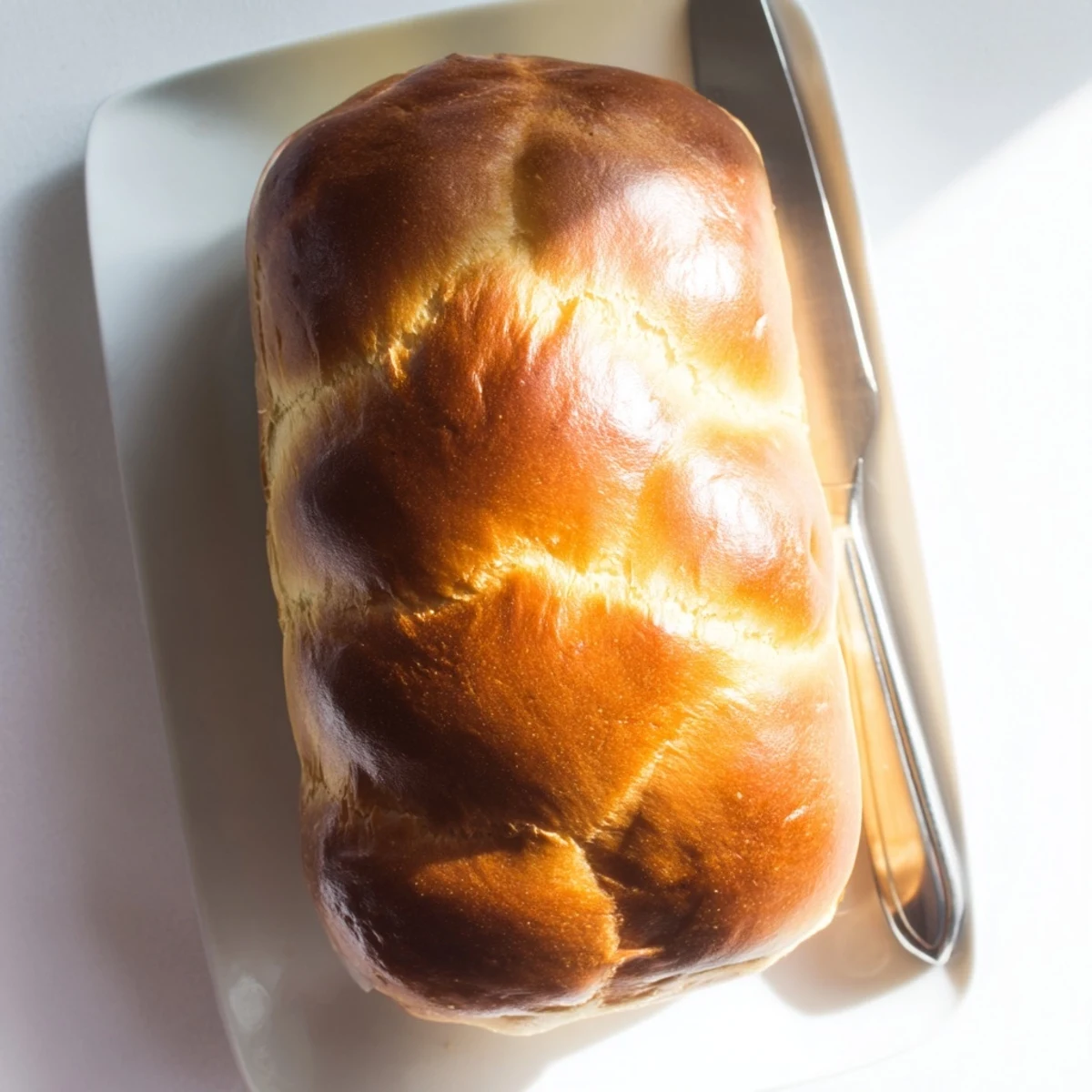
 The moment I pulled a perfectly domed loaf from the oven and heard that hollow tap on the bottom, I felt like I had been let in on a secret that professional bakers guard carefully.
Choosing the Right Flour
Bread flour makes a noticeable difference here because its higher protein creates the stretchy network that holds all that butter in place. All purpose will work in a pinch, but the crumb will be tighter and less dramatic. If you want a heartier loaf, swap half the bread flour for whole wheat, but know that the texture will shift toward rustic rather than pillowy.
Shaping and Presentation Ideas
A simple loaf shape is foolproof, but dividing the dough into three strands and braiding it turns an everyday bake into something that looks like it came from a patisserie. You can also roll small portions into rounds for individual rolls, which bake faster and disappear even faster at a brunch table.
Serving and Storing
This bread is best eaten the day it is baked, but it stays soft for up to two days wrapped tightly at room temperature. If you have leftovers past that, toast them or soak slices in custard for French toast.
- Warm a slice gently in the oven instead of the microwave to bring back the soft texture without making it rubbery.
- Freeze sliced portions with parchment between them so you can grab exactly what you need.
- Always let the loaf cool completely before bagging it or trapped steam will make the crust soggy.
 Save to Pinterest
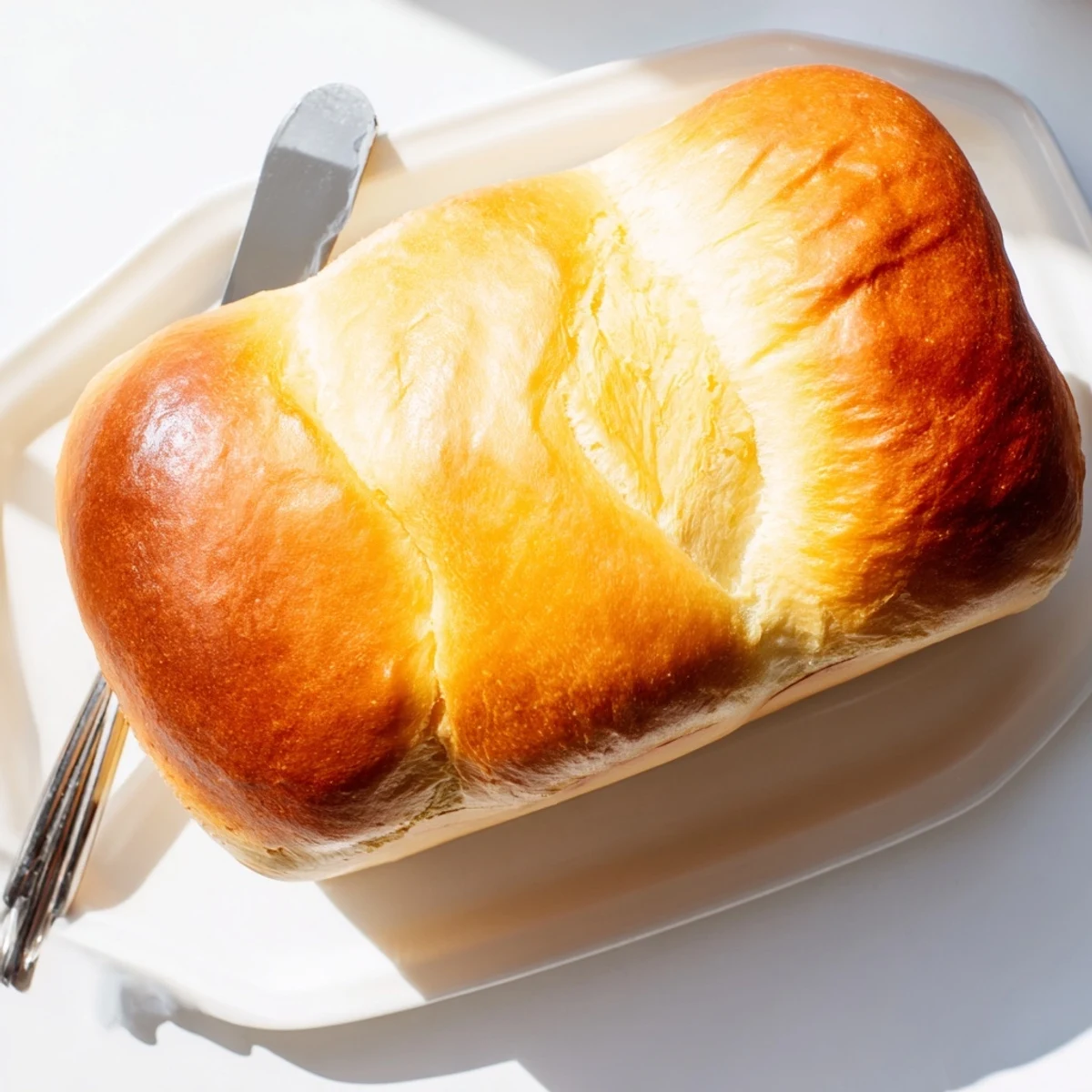
 Once you master this loaf, you will find yourself making it on quiet weekends just to fill your home with that impossible smell of warm butter and fresh bread.
Your Recipe Questions Answered
- → Why is my brioche dough so sticky?
-
Brioche dough is naturally sticky due to high butter and egg content. Resist adding too much flour—the butter needs to fully incorporate during kneading. The dough will become smooth and elastic after 10–15 minutes of kneading, though slightly tacky is normal.
- → Can I make milk brioche without a stand mixer?
-
Yes, though kneading by hand takes longer (15–20 minutes). Use a stretch-and-fold technique: grab one edge of dough, stretch it up, and fold it over itself. Repeat, rotating the bowl, until butter is fully incorporated and dough passes the windowpane test.
- → How do I know when my brioche is fully baked?
-
The crust should be deep golden brown, and the bread should sound hollow when tapped on the bottom. An instant thermometer inserted into the center should read 190°F (88°C). If it browns too quickly, tent with foil after 20 minutes.
- → Can I freeze milk brioche dough?
-
Freeze after the first rise. Punch down dough, wrap tightly in plastic, then freeze for up to 3 weeks. Thaw overnight in the refrigerator, let come to room temperature, then proceed with shaping and the second rise. Baked bread also freezes well for 2 months.
- → What makes brioche different from regular bread?
-
Brioche is an enriched bread made with substantial amounts of butter and eggs, creating tender, cake-like texture and rich flavor. Unlike lean breads, the fat content yields a soft crust and delicate crumb. The high protein from eggs also contributes to superior structure and golden color.
- → Why did my brioche not rise properly?
-
Common causes include killing the yeast with milk that's too hot (above 110°F), using cold ingredients, or drafting in a cold environment. Ensure your warm milk is bath-temperature (100–105°F), and let dough rise in a warm, draft-free spot, ideally 75–80°F.