
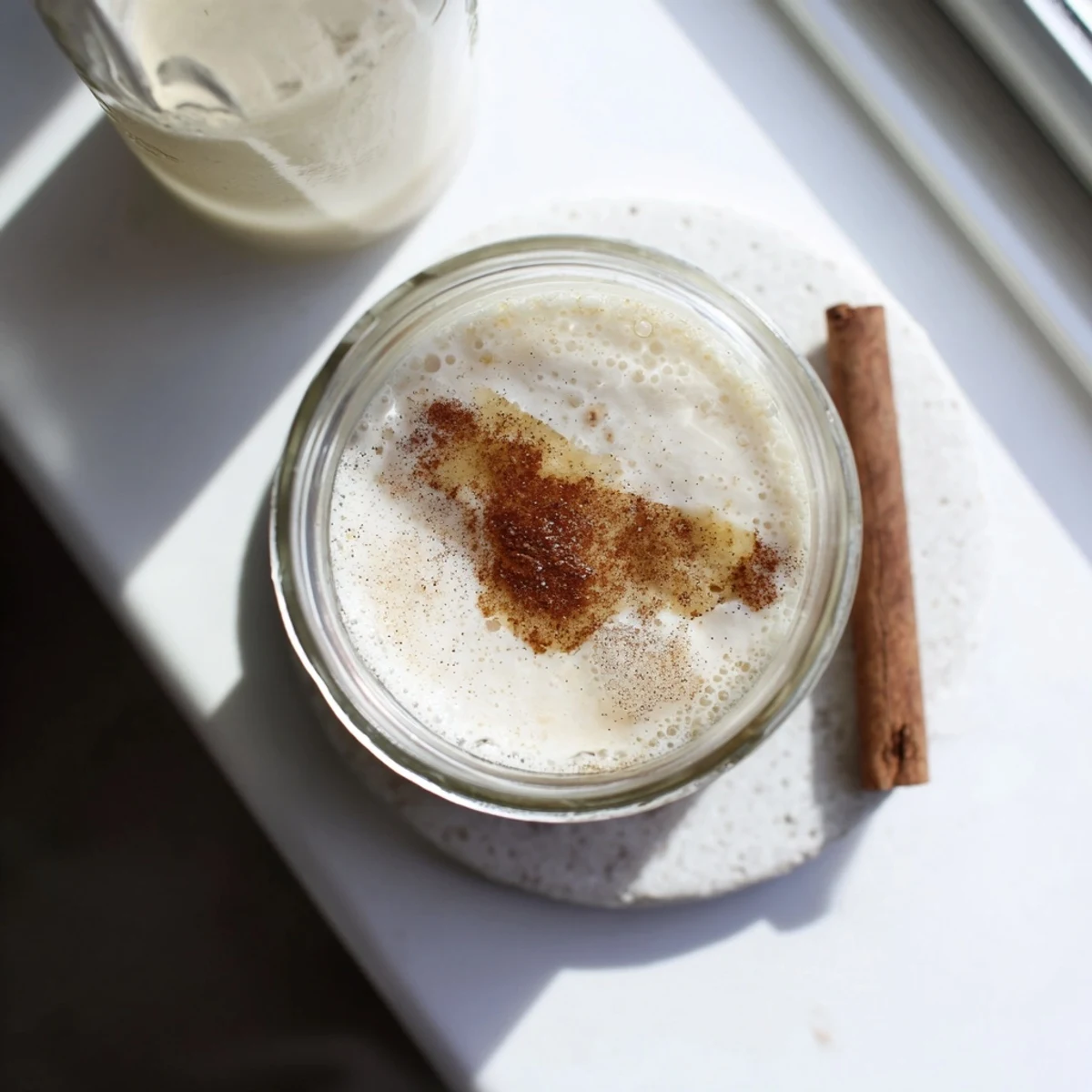
 Save to Pinterest
 Craft your own creamy almond milk with just raw almonds and water. This simple technique yields approximately 1 liter of fresh, dairy-free beverage that's perfect for your morning coffee, smoothies, or enjoyed on its own. The process involves soaking almonds overnight, blending with filtered water, and straining through a nut milk bag for the silkiest results.
Customize your creation with natural sweeteners like maple syrup or honey, a splash of vanilla extract, or even experiment with chocolate and cinnamon variations. The leftover almond pulp shouldn't go to waste—incorporate it into smoothies, baked goods, or energy bites for added fiber and nutrients.
The whir of my blender at seven in the morning used to drive my roommate absolutely crazy, but once she tasted what came out of it, she started setting out the strainer for me the night before. Making almond milk at home is one of those small rituals that turns a mundane morning into something quietly satisfying. The whole process takes barely ten minutes of active work, and the result is lighter, fresher, and more delicately flavored than anything sitting on a grocery store shelf.
A friend once watched me pour fresh almond milk into her coffee and called it pretentious right up until she took a sip and immediately asked for the recipe. That reaction never gets old. There is something about the subtle sweetness and the way it blends so smoothly into both hot and cold drinks that makes people rethink every assumption about dairy free alternatives.
Ingredients
- 1 cup raw almonds: Use truly raw unsalted almonds, not the roasted kind, because roasting changes the flavor entirely and makes the milk taste heavy.
- 4 cups filtered water: The quality of your water matters here since it is the base of everything, so if your tap water tastes chlorinated, definitely use filtered.
- 1 to 2 tablespoons maple syrup or sweetener of choice: Entirely optional but a touch of maple syrup rounds out the flavor in a way that tastes natural and warm.
- 1 teaspoon vanilla extract: This lifts the whole batch into something that feels special, almost dessert like, without adding any complexity to the process.
- Pinch of sea salt: Just a tiny pinch sharpens all the other flavors and keeps the milk from tasting flat.
Instructions
- Soak the almonds:
- Drop the almonds into a bowl, cover them generously with water, and let them sit on your counter for at least eight hours or tucked into the fridge overnight until they look plump and slightly bloated.
- Drain and rinse:
- Pour off the soaking water and rinse the almonds under cool running water until it runs completely clear, which removes the tannins and any bitterness left behind.
- Blend until creamy:
- Toss the soaked almonds into your blender with four cups of fresh filtered water and run it on high for one to two minutes until the mixture looks white, frothy, and completely smooth.
- Add the flavorings:
- If you are using maple syrup, vanilla, or salt, add them now and blend for just a few seconds to incorporate everything evenly without over aerating the milk.
- Strain the milk:
- Drape your nut milk bag or a cheesecloth lined strainer over a large bowl, pour the blended mixture through it, and watch the creamy milk separate from the fine almond pulp.
- Squeeze every last drop:
- Gather the bag or cloth together and squeeze firmly with both hands, twisting as you go, because the last bit you press out is often the richest and most flavorful.
- Store properly:
- Pour the finished milk into a clean glass bottle or jar, seal it, and keep it in the refrigerator for up to five days, giving it a hearty shake before each use since separation is completely natural.
 Save to Pinterest
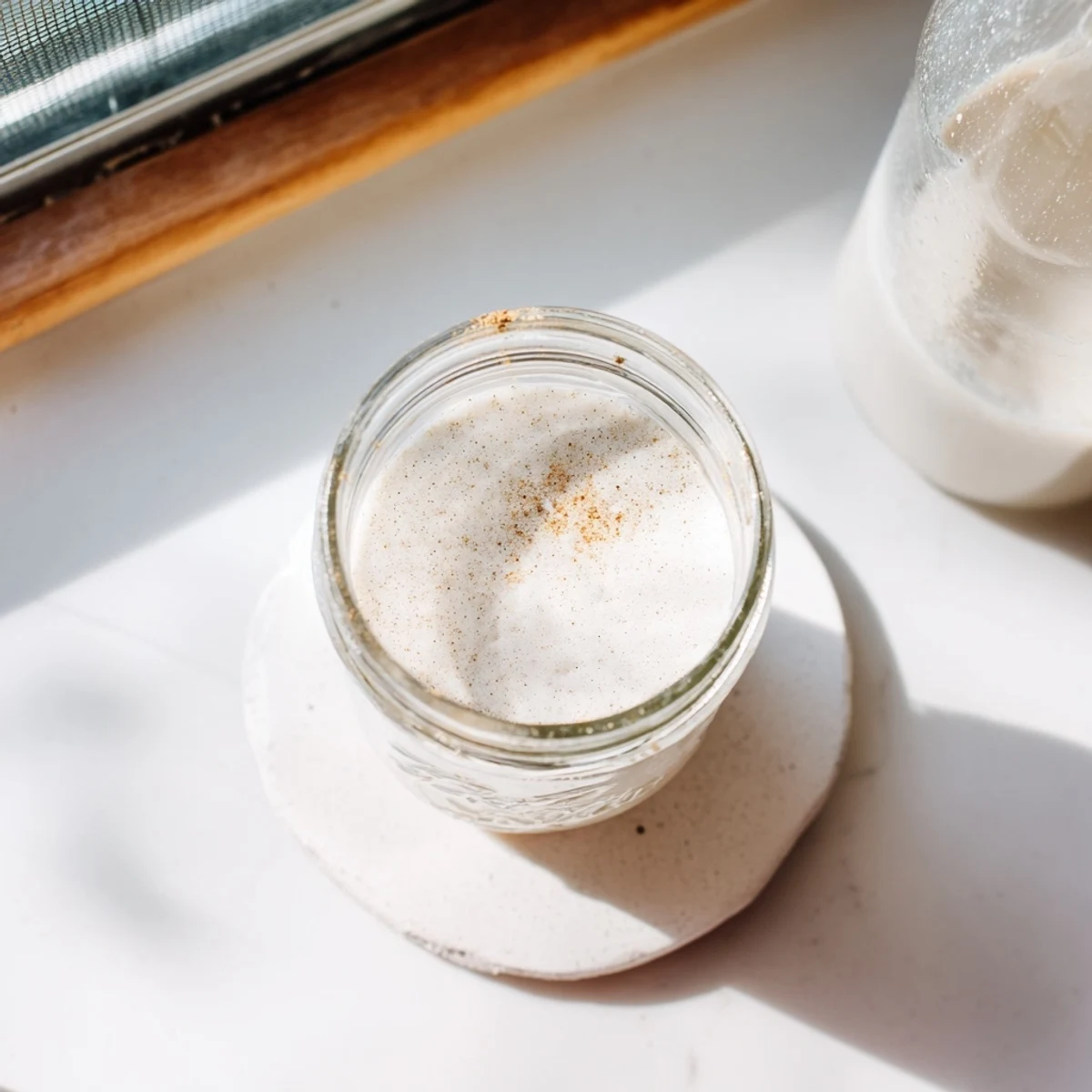
 On a slow Sunday morning with rain tapping the kitchen window, straining a fresh batch of almond milk felt less like a chore and more like a quiet gift I was giving myself for the week ahead.
What to Do With the Leftover Pulp
The first time I made almond milk I tossed the pulp straight into the compost and felt a twinge of guilt about wasting perfectly good food. Since then I have learned to spread it on a baking sheet, dry it in a low oven, and pulse it into almond flour for cookies and crusts. It also works beautifully stirred into oatmeal, blended into energy bites, or folded into pancake batter for a subtle nutty richness that would otherwise go to waste.
Flavor Variations Worth Trying
Adding a tablespoon of cocoa powder before blending turns this into a surprisingly luxurious chocolate milk that tastes far more indulgent than forty calories per cup has any right to be. A whole cinnamon stick dropped into the storage bottle infuses the milk gently over a day or two, and a few dates pitted and blended in with the almonds create a caramel toned sweetness that pairs perfectly with iced coffee.
Storage and Freshness
Homemade almond milk behaves differently than commercial versions because it lacks the emulsifiers and preservatives that keep store bought versions uniform and long lasting. Expect it to separate in the fridge, which is actually a sign of purity, and give it a vigorous shake before pouring. Use it within four to five days for the best flavor, and if it starts to smell sour or taste off before then, your nose is telling you it is time to make a fresh batch.
- Always use a clean container because lingering residue from previous batches can cause spoilage faster.
- Label the jar with the date you made it so you are not left guessing three days later.
- Freeze any extra in ice cube trays for smoothies if you realize you will not finish the batch in time.
 Save to Pinterest
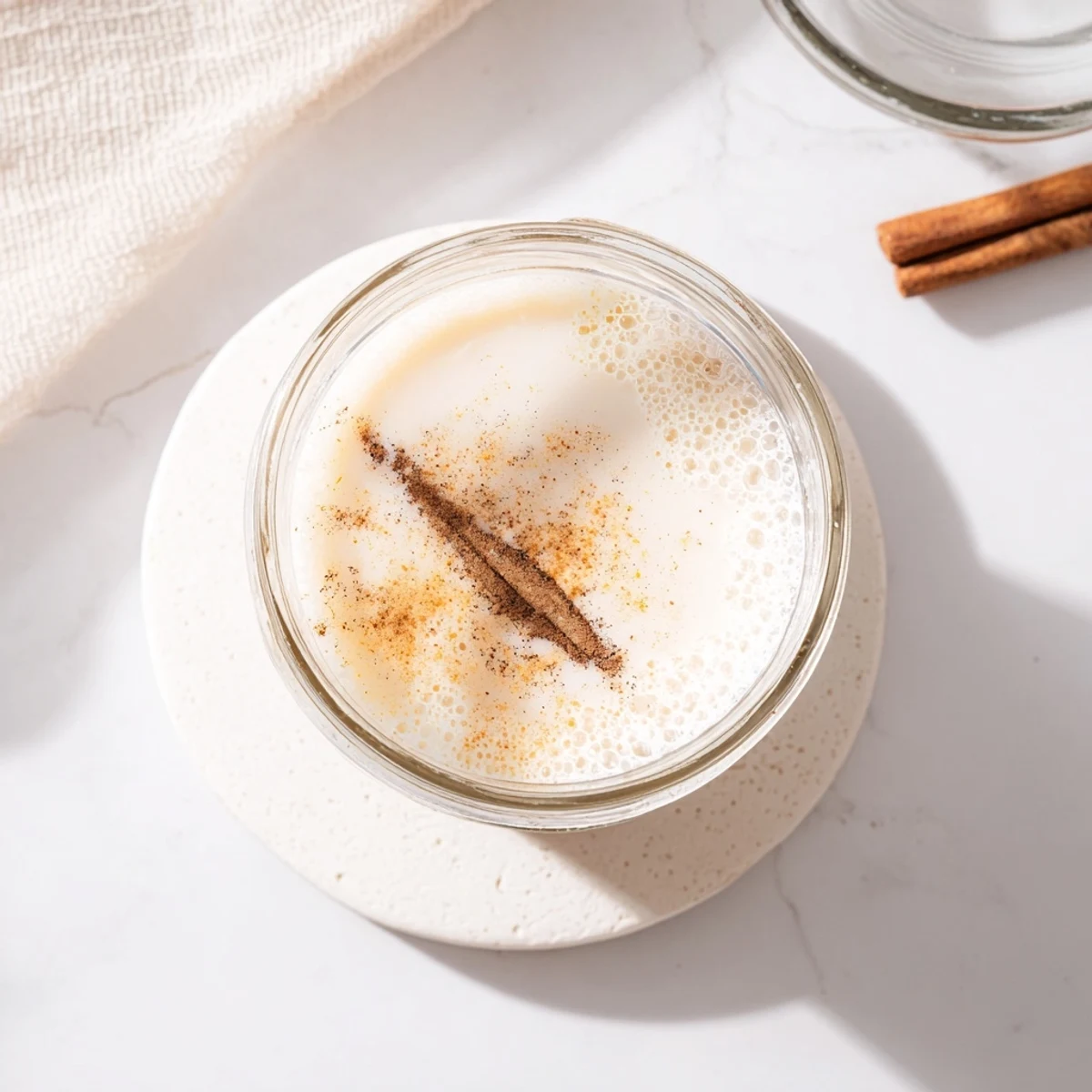
 A jar of fresh almond milk in the fridge is a small act of care that makes every coffee, smoothie, and bowl of cereal just a little bit better. Once you find your rhythm with it, the process becomes as effortless as brewing a pot of tea.
Your Recipe Questions Answered
- → How long does homemade almond milk last?
-
Fresh almond milk keeps well in the refrigerator for 4-5 days when stored in a clean, sealed container. Always give it a good shake before pouring, as natural separation occurs. The absence of preservatives means it won't last as long as store-bought versions, but the fresh flavor makes it worthwhile.
- → Can I skip the soaking step?
-
Soaking almonds for at least 8 hours softens them, making blending easier and resulting in smoother milk. Skipping this step yields a grainier texture and less efficient extraction. Plan ahead by placing almonds in water before bed for next-day preparation.
- → What can I do with the leftover almond pulp?
-
The remaining pulp is incredibly versatile. Dry it in a low-temperature oven and grind into almond flour for baking. Add wet pulp directly to smoothies for extra fiber and creaminess. Mix with dates and nuts to create energy bites, or incorporate into oatmeal and baked goods for moisture and nutrition.
- → How can I make my almond milk creamier?
-
Reduce the water ratio—using 3 cups instead of 4 creates richer, thicker milk. Alternatively, add a teaspoon of coconut oil or blend in a few cashews alongside the almonds. The creamiest results come from thorough squeezing through your nut milk bag to extract every drop.
- → Is homemade almond milk more economical?
-
Yes, making almond milk at home typically costs less than premium store-bought versions, especially when buying almonds in bulk. You also control the ingredients completely—no additives, preservatives, or questionable fillers. Plus, the bonus of utilizing the pulp adds extra value to each batch.