
 Save to Pinterest
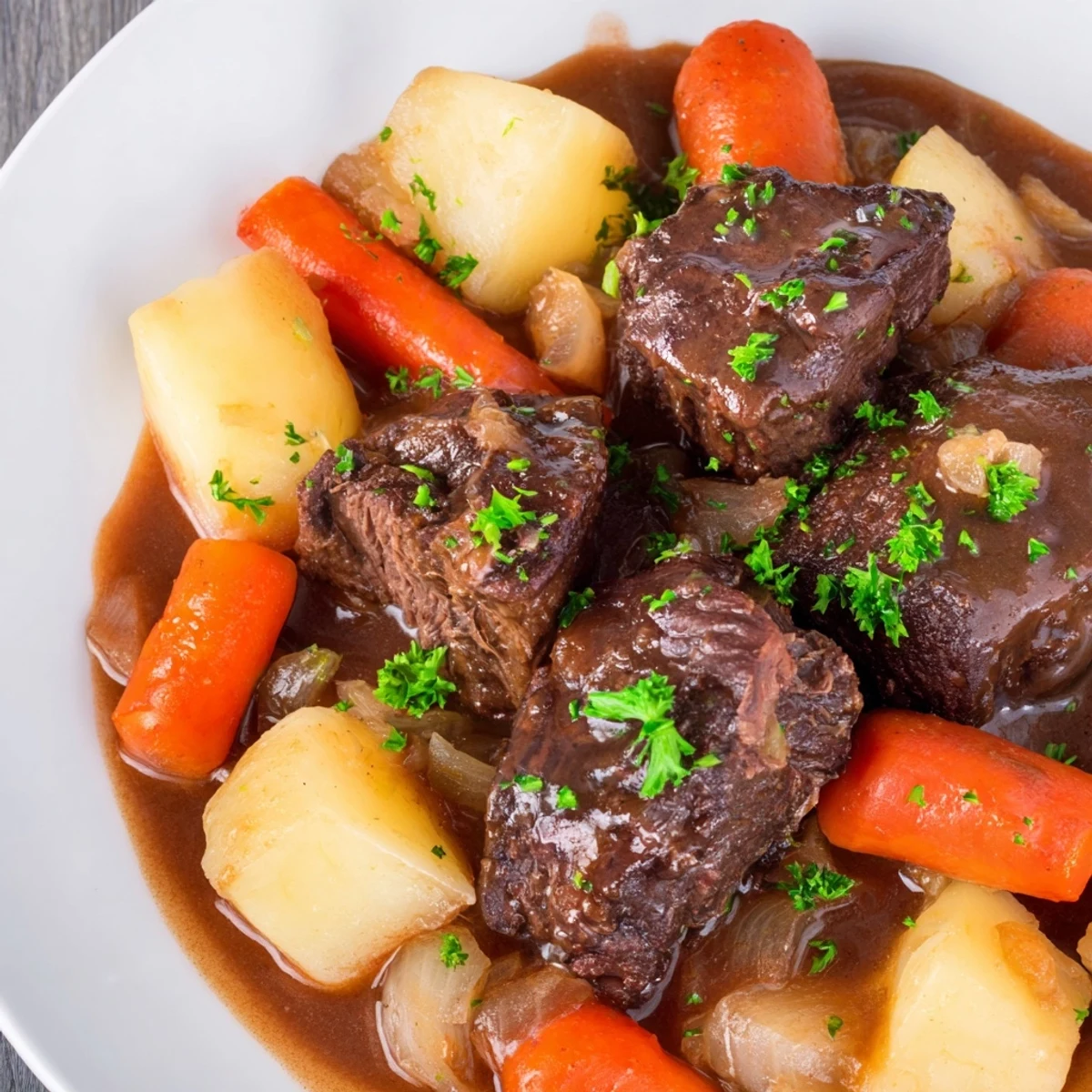
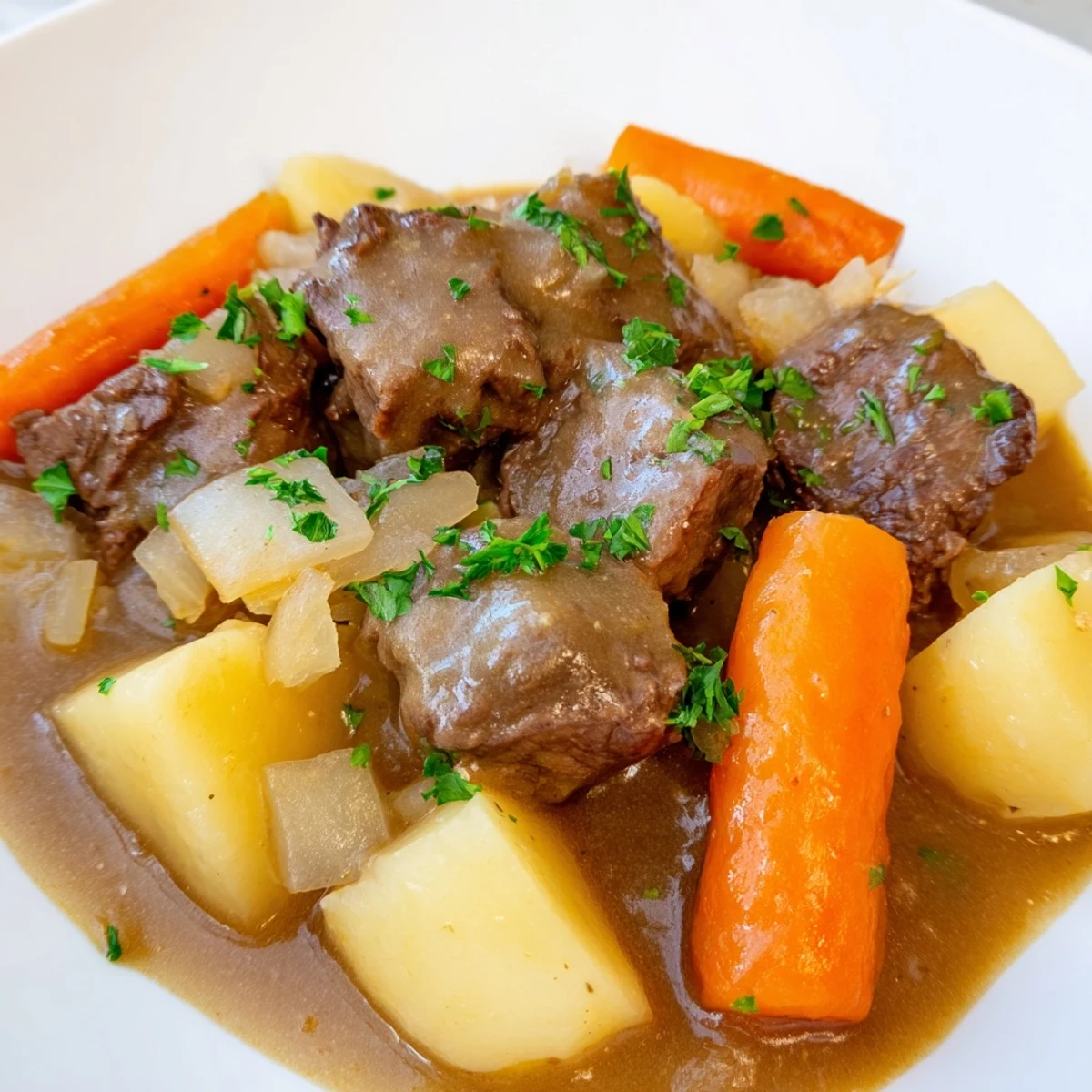
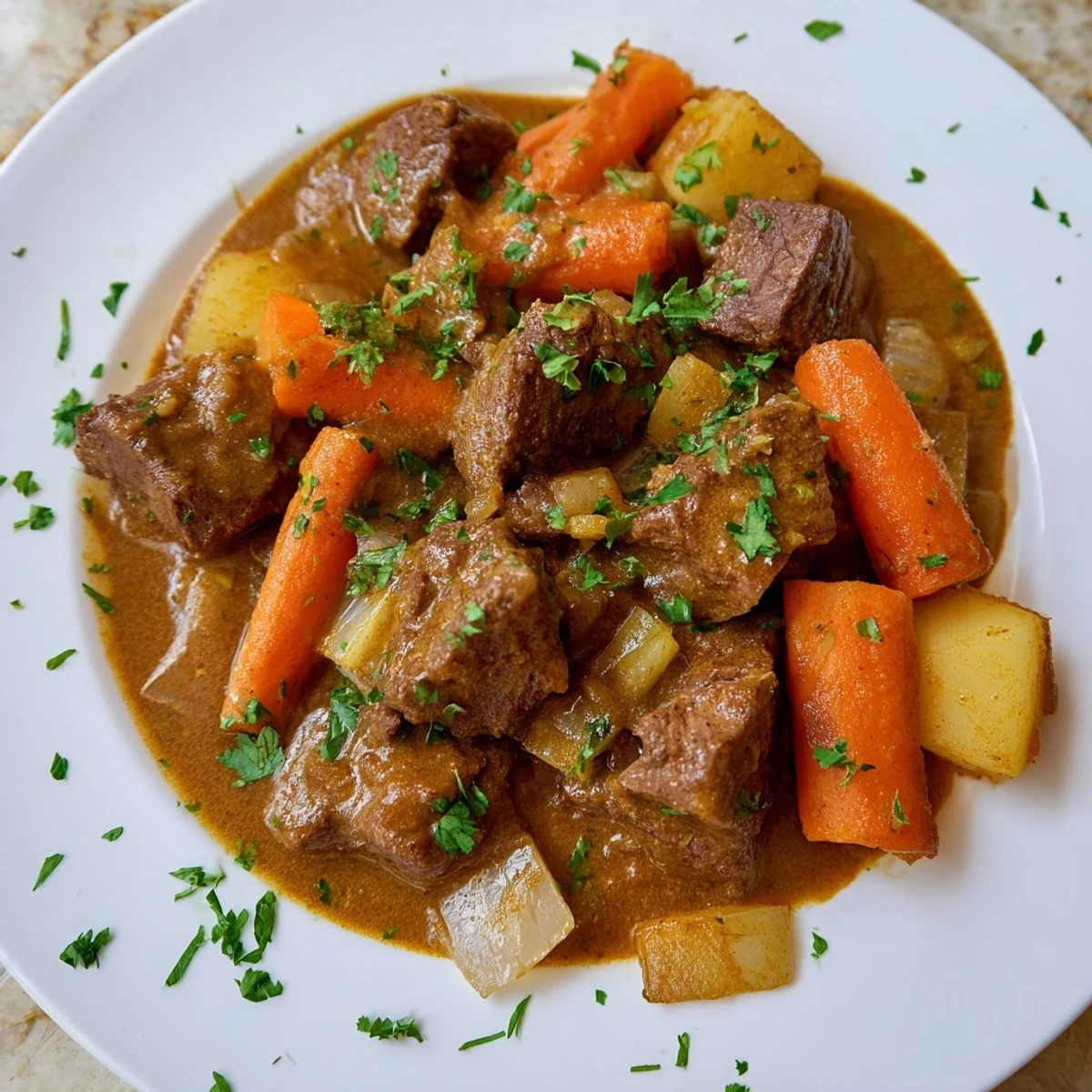
 This dish showcases tender beef cubes slowly cooked with carrots, potatoes, onions, and celery, all enveloped in a flavorful brown gravy made from beef stock, Guinness stout, and aromatic herbs. A hearty Irish classic designed to provide warmth and comfort, it’s ideal for cold evenings. The stew thickens gently with a flour roux, while fresh parsley adds a bright finish. Variations include gluten-free flour and beer substitutions or swapping beef for lamb to suit personal tastes.
It was the kind of damp gray Sunday that practically demands something bubbling away on the stove. I had picked up a beautiful piece of beef chuck from the butcher that morning, and before I knew it, the house was filling with that unmistakable aroma of onions hitting hot oil. My husband wandered into the kitchen, following his nose like a cartoon character, and asked if company was coming. Nope, I told him, just us and a really good evening ahead.
Last winter, my sister was recovering from surgery and needed meals that could be frozen and reheated easily. I made a triple batch of this stew, portioning it into containers with labels like Tuesday Comfort and Friday Night. She told me later that the first night she ate it, sitting alone at her table with steam fogging up her glasses, she actually cried a little. Not from sadness, but from how deeply a bowl of the right food can wrap itself around you when you need it most.
Ingredients
- Beef chuck: The marbling in this cut melts into the stew, creating silkiness that lean cuts can never achieve
- Guinness stout: Adds depth and earthiness that makes the gravy taste like its been cooking all day, even if it hasnt
- Yukon Gold potatoes: They hold their shape beautifully while becoming creamy inside, unlike russets that can turn to mush
- Tomato paste: Concentrated umami that deepens the color and gives the gravy body
- Flour: Forms a roux with the tomato paste, thickening the liquid into that luxurious coating consistency
- Dried thyme and rosemary: These woody herbs stand up to long cooking without losing their character
- Bay leaves: The quiet backbone of the stew, adding subtle floral notes that you notice only when theyre missing
Instructions
- Sear the beef properly:
- Pat those cubes completely dry, season them generously, and resist the urge to crowd the pot. Work in batches if necessary. Let each piece develop a deep brown crust on at least two sides. Those browned bits are flavor gold, and theyre worth every extra minute.
- Build your flavor foundation:
- After the beef comes out, add your remaining oil along with onions and celery. Cook them until theyre soft and translucent, about 5 minutes. Add the garlic for just a minute, then stir in the flour and tomato paste. Let this mixture cook for 2 minutes, stirring constantly, until it turns a rusty red color and smells toasted.
- Degenerate and assemble:
- Pour in the Guinness if using it, and use your wooden spoon to scrape up every single browned bit from the bottom of the pot. Return the beef along with the stock, carrots, potatoes, Worcestershire sauce, bay leaves, and herbs. Give everything a good stir.
- The slow simmer:
- Bring it to a gentle bubble, then lower the heat until its just barely simmering. Cover it and walk away for 2 hours, checking occasionally to make sure its not too vigorous. The beef should yield easily to a fork when its done.
- The final seasoning:
- Fish out those bay leaves, taste the gravy, and adjust with more salt and pepper if needed. Sometimes it needs a splash more Worcestershire or a pinch of salt to wake everything up. Trust your palate.
 Save to Pinterest
 My father in law is a man of few words, but the first time he had this stew, he went back for thirds. Later, sitting by the fire with an empty bowl, he simply said, That tasted like something my mother would have made. Coming from him, that was a standing ovation.
Making It Your Own
Lamb shoulder works beautifully here and transforms this into a more traditional Irish stew. The cooking time remains the same, though lamb can sometimes be even more forgiving than beef. I have also made this with venison when a hunter friend shared some of his catch, and the earthy game flavor paired perfectly with the stout.
Serving Suggestions
A crusty slice of soda bread is practically mandatory for sopping up that gravy. Some nights, I skip the potatoes in the stew entirely and serve it over a mound of creamy mashed potatoes instead. Its a bit more work, but something about that combination feels like absolute luxury.
Make Ahead Magic
This stew only improves with a night in the refrigerator. The flavors meld and deepen, and the fat rises to the top for easy skimming before reheating. I often make it on Sunday afternoon, knowing that Monday dinner will be something to look forward to after a long day.
- Cool the stew completely before refrigerating, and never leave it at room temperature for more than 2 hours
- Reheat gently over low heat, adding a splash of water or stock if it has thickened too much
- Freeze in portions for up to 3 months, leaving space in containers for liquid expansion
 Save to Pinterest
 There is something profoundly satisfying about a dish that asks so little of you but gives so much in return. This stew has become my go to for birthdays, bad days, and especially for those gray Sundays when the house needs warming from the inside out.
Your Recipe Questions Answered
- → What cut of beef is best for this dish?
-
Beef chuck cut into 1.5-inch cubes is ideal as it becomes tender and flavorful after slow cooking.
- → Can I make this dish gluten-free?
-
Yes, use gluten-free flour as a thickener and substitute or omit Guinness stout to avoid gluten.
- → How long should the stew simmer?
-
Simmer gently for about 2 hours until the beef is fork-tender and the gravy thickens.
- → What vegetables complement the beef well here?
-
Carrots, Yukon Gold potatoes, onions, celery, and garlic create a balanced hearty flavor.
- → Can I substitute lamb for beef?
-
Yes, lamb can be used to create a traditional Irish twist with a richer flavor profile.
- → What herbs and spices are used in the gravy?
-
Bay leaves, dried thyme, rosemary, and fresh parsley provide aromatic depth and freshness.