
 Save to Pinterest
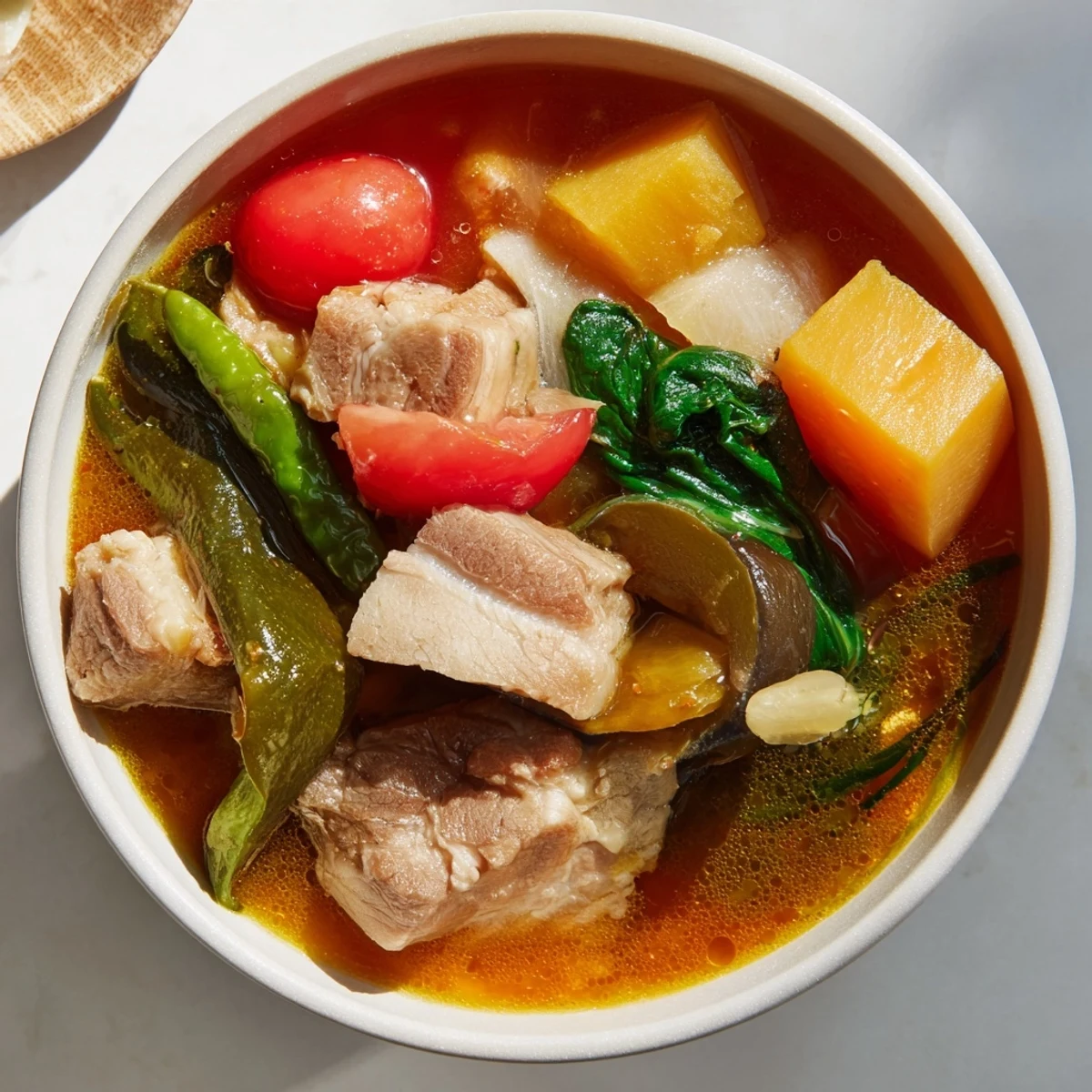
 Experience the comforting flavors of the Philippines with this traditional Sinigang, a sour soup that balances tangy tamarind with savory pork and an array of colorful vegetables. The dish features tender pork belly or ribs simmered with tomatoes, onions, daikon radish, eggplant, string beans, and leafy greens in a distinctive sour broth that warms the soul.
Perfect for rainy days or family gatherings, this dairy-free main dish serves six and takes just over an hour from start to finish. The signature sourness comes from tamarind, creating a unique flavor profile that's both refreshing and satisfying. Serve hot with steamed white rice for a complete meal.
The first time I had Sinigang was at my lola's house during a particularly relentless typhoon season. I remember watching her dump vegetables into this bubbling pot, thinking it was just ordinary soup until that first spoonful hit my tongue and made my entire face pucker up in the best way possible.
Last Sunday, my husband came down with a nasty cold and kept asking for something hot and sour. I made a huge pot of Sinigang, and the way his eyes lit up after that first sip reminded me why sour soup is basically Filipino penicillin. He went back for thirds.
Ingredients
- 1 kg pork belly or pork ribs, cut into chunks: I have tried every cut possible and pork belly gives the best ratio of tender meat to rich broth, though ribs work beautifully if you prefer something with more bone and less fat
- 2 medium tomatoes, quartered: These break down completely and add a subtle sweetness that balances all that sour, so do not skip them even if you are not a tomato person
- 1 large onion, peeled and quartered: Filipino cooking always starts with onions and they melt into the broth, giving it depth without being overpowering
- 1 daikon radish, peeled and sliced: This soaks up all that sour goodness and becomes tender but still holds its shape, almost like a potato but lighter
- 10 string beans, trimmed and cut into 2-inch pieces: They add a nice crunch and bright pop of green against the reddish broth
- 1 eggplant, sliced: Use the long Asian eggplants if you can find them since they hold together better and do not get mushy as quickly
- 2 cups spinach leaves or kangkong: Spinach is easier to find and works perfectly, but kangkong has this lovely water chestnut texture if you can get it at an Asian market
- 2 long green chili peppers: These are optional but I always throw them in whole for just a whisper of heat that lingers in the background
- 1 packet tamarind soup base mix: Fresh tamarind is wonderful but the packet mix is what every Filipino home cook actually uses, and it delivers consistent sourness every single time
- 2 tbsp fish sauce: This is the salt of the Filipino kitchen and adds that umami punch that plain salt cannot replicate
- 1 tsp salt, or to taste: You might not need much since the fish sauce does heavy lifting, but trust your own palate
- ½ tsp freshly ground black pepper: Freshly ground makes a noticeable difference here
- 6 cups water: Start with less if you prefer a more concentrated soup, you can always add more later
Instructions
- Get the broth started:
- Bring your water to a rolling boil in a large pot, then add the pork chunks and keep skimming off that gray foam that floats to the top
- Build the foundation:
- Toss in your quartered tomatoes and onions, then let everything simmer gently for about 20 minutes until the pork is starting to get tender and the kitchen smells amazing
- Add the hard vegetables:
- Drop in the daikon radish slices and cook for another 10 minutes since they take longer to soften than everything else
- Add the remaining vegetables:
- Throw in the eggplant, string beans, and those whole green chilies if you are using them, then let it simmer for about 5 minutes
- Create that signature sourness:
- Stir in the tamarind soup base until it is completely dissolved, or if you are going the extra mile with fresh tamarind, mash the pulp in some water and strain it right into the pot
- Season it properly:
- Add your fish sauce, salt, and pepper, then taste and adjust because this is when you make it yours
- Finish with the greens:
- Drop in your spinach or kangkong leaves and cook for just 2 to 3 minutes until they wilt but still have some life in them
- Serve it up:
- Ladle the soup into bowls making sure everyone gets a good mix of meat, vegetables, and that precious broth, served alongside steaming white rice
 Save to Pinterest
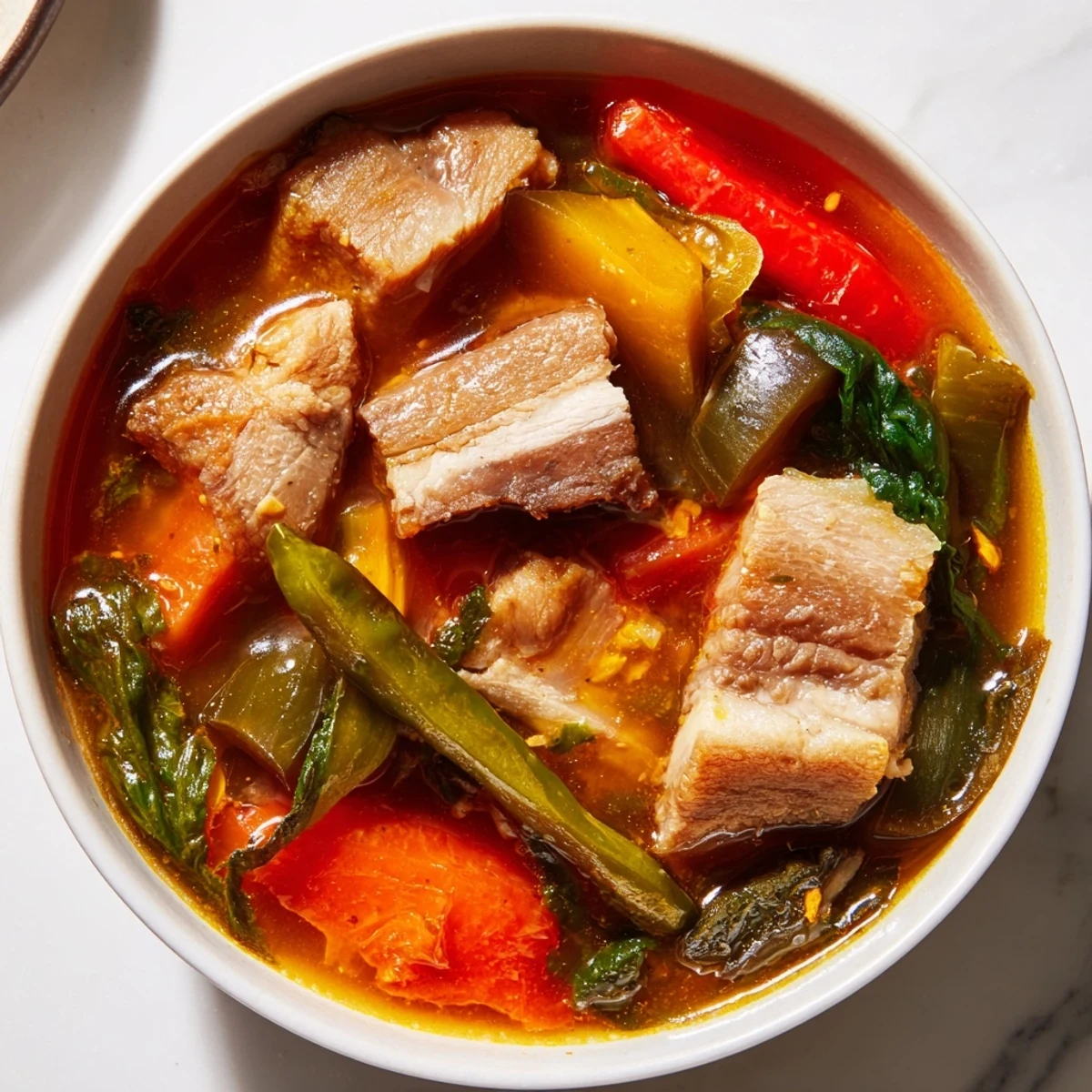
 My daughter used to call this the surprise soup because she could never predict exactly how sour it would be. Now she asks for it whenever she is feeling nostalgic, saying no other soup makes her feel taken care of quite like Sinigang.
Making It Your Own
I have started adding a splash of rice vinegar at the end sometimes when the tamarind is not sour enough for my taste. You can also throw in some okra or taro chunks if you want more body.
Protein Swaps
Shrimp Sinigang is incredible and cooks in under 15 minutes since you add the shrimp at the very end. Fish fillets work too but they will break apart, so use something sturdy like bangus or salmon.
Serving Suggestions
Some people like to squeeze a little calamansi or lime into their individual bowls right before eating. The soup actually tastes better the next day when all the flavors have had time to mingle in the refrigerator.
- Have extra fish sauce on the table so people can adjust their own bowls
- Pair with crispy fried fish on the side if you want a more substantial meal
- Leftovers freeze beautifully for those days when you need soup therapy
 Save to Pinterest
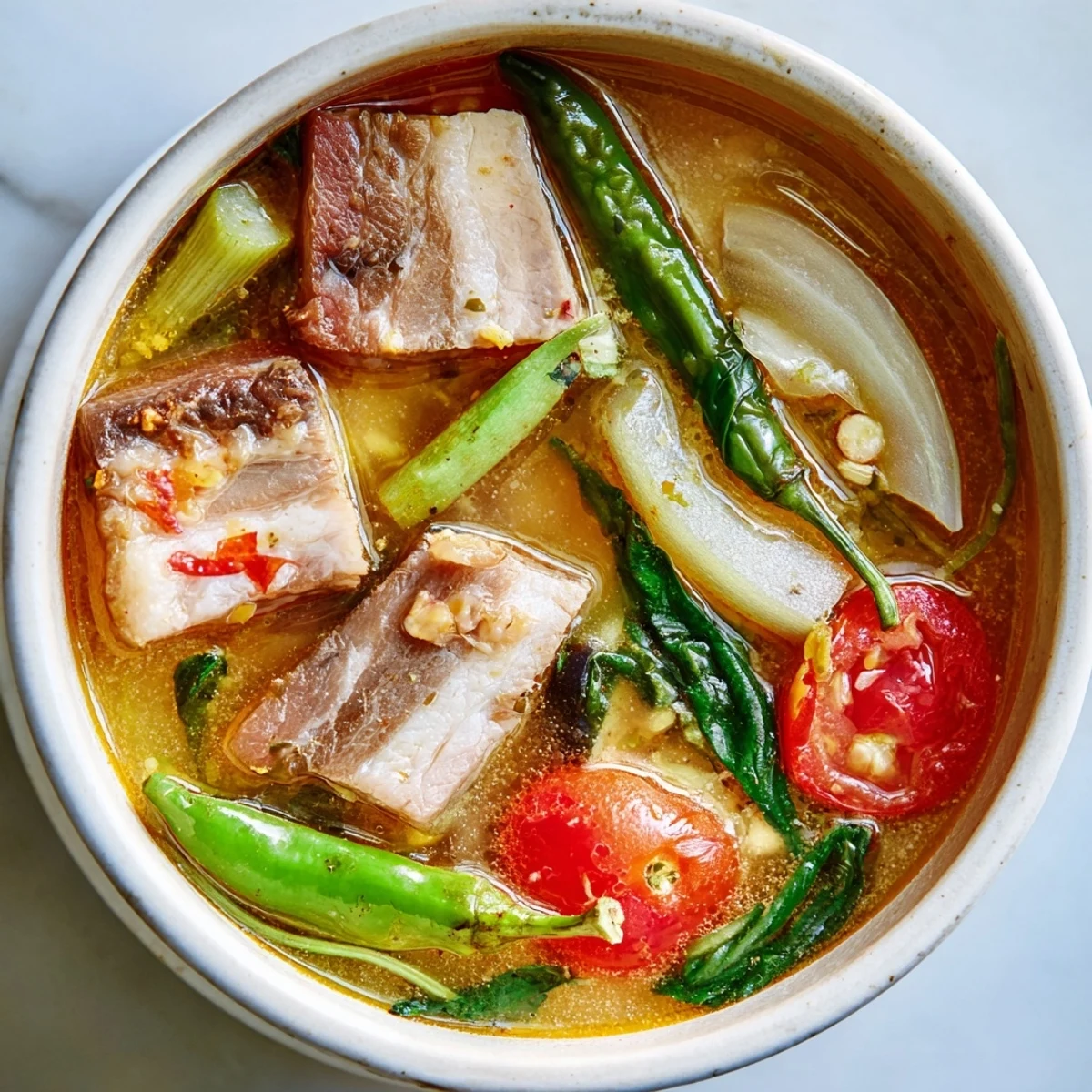
 There is something about a steaming bowl of Sinigang that fixes everything, whether it is a broken heart, a rainy afternoon, or just a soul that needs a little waking up.
Your Recipe Questions Answered
- → What makes Sinigang taste sour?
-
The signature sourness comes from tamarind, which can be used fresh by boiling and straining the pulp, or conveniently added as a soup base mix. This tangy element defines the dish and creates its distinctive flavor profile.
- → Can I use other proteins besides pork?
-
Absolutely. While pork belly or ribs are traditional, you can substitute with beef, shrimp, or fish. Seafood versions are lighter and should be added during the last 10 minutes of cooking to prevent overcooking.
- → What vegetables work best in Sinigang?
-
Classic additions include daikon radish, eggplant, string beans, tomatoes, onions, and leafy greens like spinach or water spinach (kangkong). You can also add okra or taro based on preference and availability.
- → How do I adjust the sourness level?
-
Control the tanginess by adjusting the amount of tamarind soup base or fresh pulp. Start with less and gradually add more until you reach your desired balance of sour and savory flavors.
- → Is Sinigang suitable for meal prep?
-
Yes, Sinigang reheats beautifully and often tastes better the next day as flavors meld. Store in airtight containers in the refrigerator for up to 3-4 days, though the vegetables may soften slightly upon reheating.
- → What should I serve with Sinigang?
-
Steamed white rice is the traditional accompaniment, helping balance the sour broth. A chilled glass of Sauvignon Blanc also pairs wonderfully with the tangy flavors.