
 Save to Pinterest
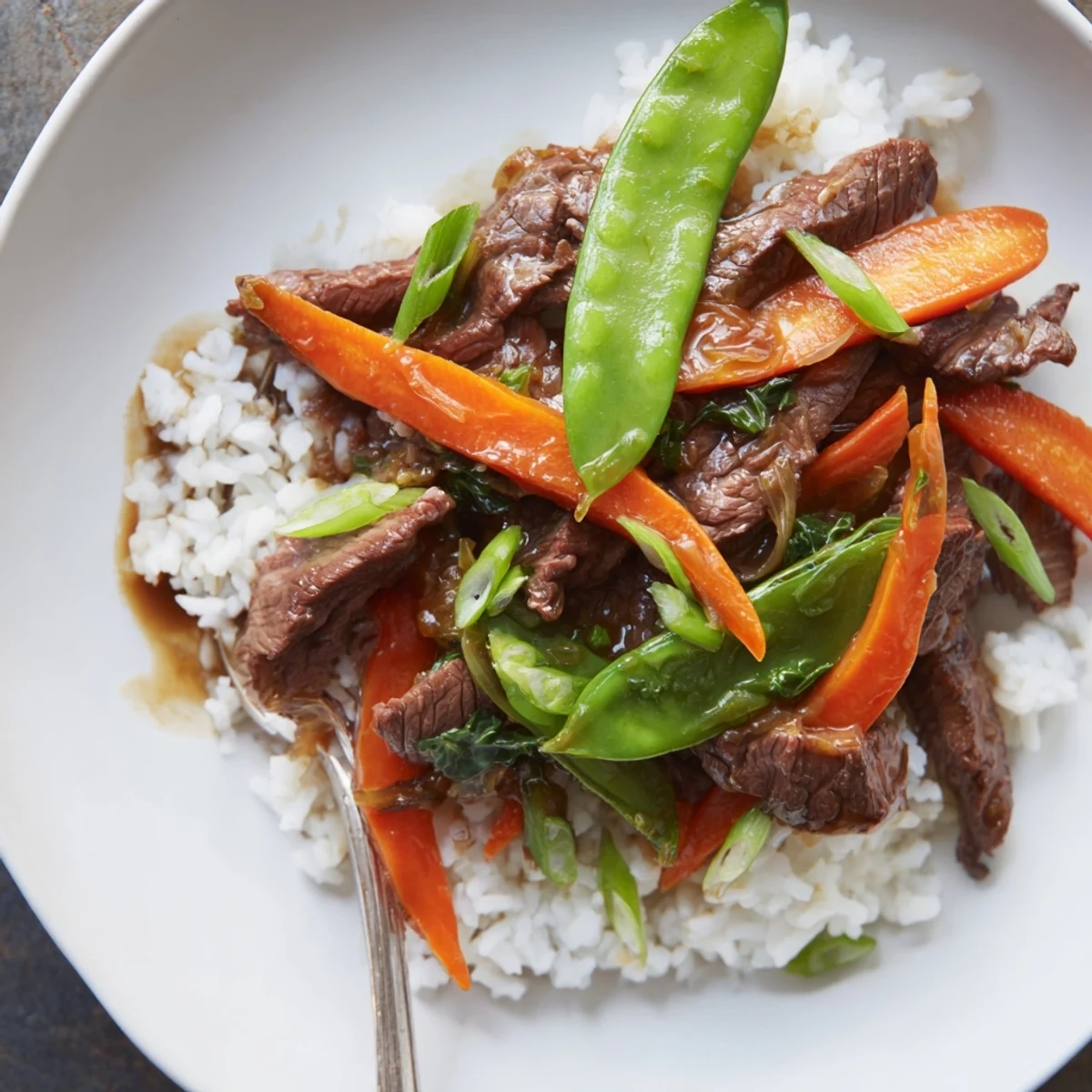
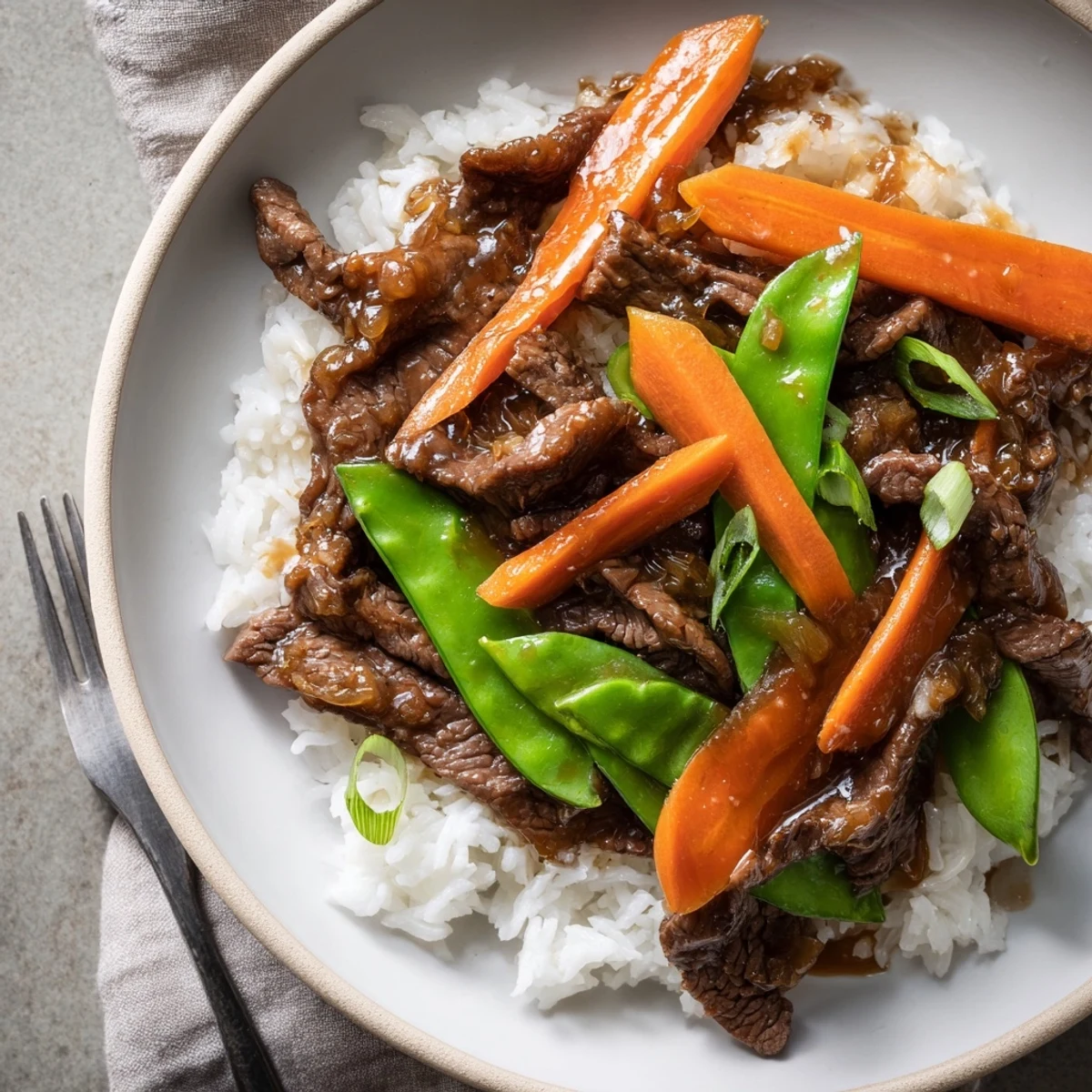
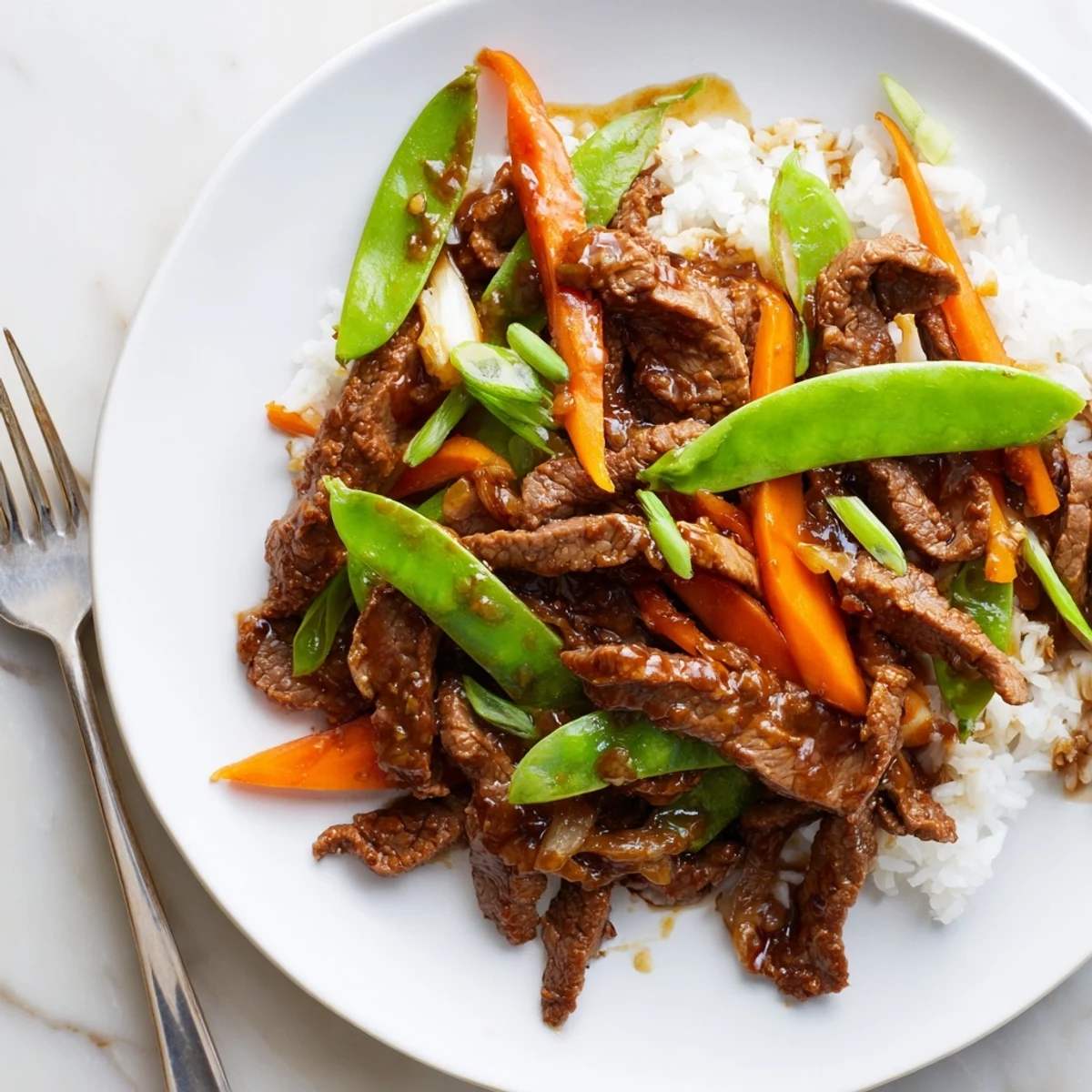
 This dish features tender strips of beef quickly cooked with crisp snow peas and sweet carrots. The vibrant sauce combines soy, oyster, and hoisin sauces with garlic and ginger, enhancing each ingredient's flavor. Stir-frying ensures the meat stays juicy and vegetables remain crisp-tender, delivering a satisfying meal ready in under 30 minutes. Garnish with sliced spring onions for freshness and serve alongside steamed rice or noodles for a complete experience.
There's something about the sizzle of beef hitting hot oil that makes a weeknight feel special. My first proper stir fry happened almost by accident—I had leftover flank steak, a handful of vegetables, and twenty minutes before guests arrived. What came out of the wok was so vibrant and alive that I've been chasing that same magic ever since. This version, with its balance of crisp snow peas, sweet carrots, and a sauce that clings to everything, somehow became the dish I make when I want to feel like I actually know what I'm doing in the kitchen.
I made this for my sister when she was between jobs and needed comfort food that wasn't actually comfort food. She sat at my counter watching the wok work, and by the time the sauce thickened and caught all that glossy goodness, she smiled for the first time that week. It's become her request now whenever we cook together, and I realized that the best part isn't the beef—it's how fast everything moves and how good it smells while you're standing right there.
Ingredients
- Flank steak or sirloin, thinly sliced against the grain (450 g / 1 lb): Slicing against the grain breaks up the muscle fibers, which means tender beef instead of chewy. The marinade that follows will make it even more forgiving.
- Soy sauce, sesame oil, and cornstarch for the marinade: This trio doesn't just flavor the beef—the cornstarch creates a velvety texture when it hits the heat.
- Snow peas (200 g / 7 oz): They stay crisp even when cooked briefly, which is exactly what you want here. Fresh matters more than quantity.
- Carrots, thinly sliced on the bias (2 medium): Bias cuts look elegant and cook faster because of the increased surface area. This is a small move that changes everything.
- Soy sauce, oyster sauce, hoisin sauce, rice vinegar, and brown sugar for the sauce: Together these create a complex sweetness with real depth—no single flavor dominates, and that's the whole point.
- Garlic and fresh ginger (2 cloves and 1 tsp): Mince the garlic fine and grate the ginger fresh. Dried ginger tastes like you gave up halfway through.
- Vegetable oil (2 tbsp): Use something neutral with a high smoke point. This is when oil flavor doesn't matter—heat management does.
Instructions
- Prep the beef with intention:
- Combine your sliced beef with a tablespoon of soy sauce, a teaspoon of cornstarch, and a teaspoon of sesame oil in a bowl. The marinade needs ten minutes to work—this isn't a step to rush past, even though it feels quick.
- Build your sauce while beef rests:
- Whisk together the soy sauce, oyster sauce, hoisin sauce, rice vinegar, brown sugar, minced garlic, grated ginger, cornstarch, and water in a separate bowl until the sugar dissolves. This sauce is your insurance policy—everything goes smoother when it's ready and waiting.
- Sear the beef hard and fast:
- Heat one tablespoon of oil in your wok or large skillet over high heat until it shimmers. Add the beef in a single layer (don't crowd the pan, or it steams instead of browns) and let it sit for about two minutes before stirring. You want color and texture here, not tenderness—it'll finish cooking later.
- Cook the vegetables in two stages:
- Add the remaining oil to the hot wok, then the carrots first because they need the extra time. After two minutes, add the snow peas and cook for another two minutes until everything looks bright and almost tender but not quite. This is called crisp-tender, and it's the whole reason we do this.
- Bring it all together:
- Return the beef to the wok, pour in your prepared sauce, and stir everything to coat. The cornstarch in the sauce will thicken it in about a minute or two—you'll see it change from thin and glossy to clingy and gorgeous. This is when you know you're done.
- Finish and serve immediately:
- Take it off the heat, scatter spring onions over the top if you have them, and get it to the table while everything is still warm and the vegetables still have that slight snap to them. Serve over steamed rice or noodles.
 Save to Pinterest
 One night I made this without the cornstarch in the sauce because I'd run out, thinking hot liquid would just work fine. It didn't—the sauce stayed thin and sad, and nothing stuck together. The next time, I went back to the formula, and the moment that sauce thickened and caught the light, I understood why certain techniques exist. Some things are worth doing the way they're meant to be done.
How to Keep Everything Crisp
The enemy of great stir fry is overcooked vegetables, and the only defense is speed and attention. Have every ingredient prepped and waiting before you turn the heat on—there's no time to chop garlic once the wok is hot. The moment you add something, you're already thinking about when to add the next thing. This isn't laziness; it's actually the easiest cooking move there is because you're just standing there and reacting in real time.
Scaling Up or Down
This recipe makes four solid servings, but the math is simple if you need more or less. The sauce ratio is always the same—three tablespoons soy, one tablespoon each of oyster, hoisin, and rice vinegar, plus the brown sugar, garlic, and ginger. Scale the beef and vegetables however your appetite needs, and the sauce will follow. I've made half batches for myself on a quiet Thursday, and I've doubled it for actual dinner parties.
Variations and Flexibility
Stir fry is a framework, not a prison. Swap the beef for chicken (thinner slices, slightly less cooking time) or tofu (pressed well, added at the very end so it doesn't shatter). Replace snow peas with snap peas, bok choy, or broccoli. Some nights I add a tablespoon of chili garlic sauce to the sauce mixture for heat, and some nights I add cashews at the end for crunch. The only rule is that you taste as you go and trust your own kitchen.
- For heat: Add red pepper flakes, fresh sliced chili, or chili garlic sauce to the sauce mixture.
- For different proteins: Chicken takes two to three minutes in the pan instead of two to three minutes, and tofu should be pressed and added at the very end.
- Serve over rice, noodles, or even just in a bowl with a spoon if you're eating at your counter and no one's watching.
 Save to Pinterest
 This is the stir fry you make when you want something that feels fancy but costs almost nothing and takes less time than deciding what to watch. It's the one that tastes like you actually know what you're doing, even if five minutes before you started cooking you had no idea what was for dinner.
Your Recipe Questions Answered
- → What cut of beef works best for stir frying?
-
Flank steak or sirloin thinly sliced against the grain is ideal for tender and quick cooking in stir fry dishes.
- → How can I make the vegetables crisp but cooked?
-
Stir frying vegetables quickly over high heat helps retain their crisp texture while cooking them through.
- → Can I substitute snow peas with another vegetable?
-
Yes, snap peas or green beans work well as crunchy alternatives to snow peas in this dish.
- → How is the sauce thickened to coat the ingredients?
-
Cornstarch mixed with water is added during cooking to thicken the sauce and evenly coat the beef and vegetables.
- → What can I serve alongside this stir fry?
-
Steamed jasmine rice or noodles complement the flavors and textures of the stir fry perfectly.