
 Save to Pinterest
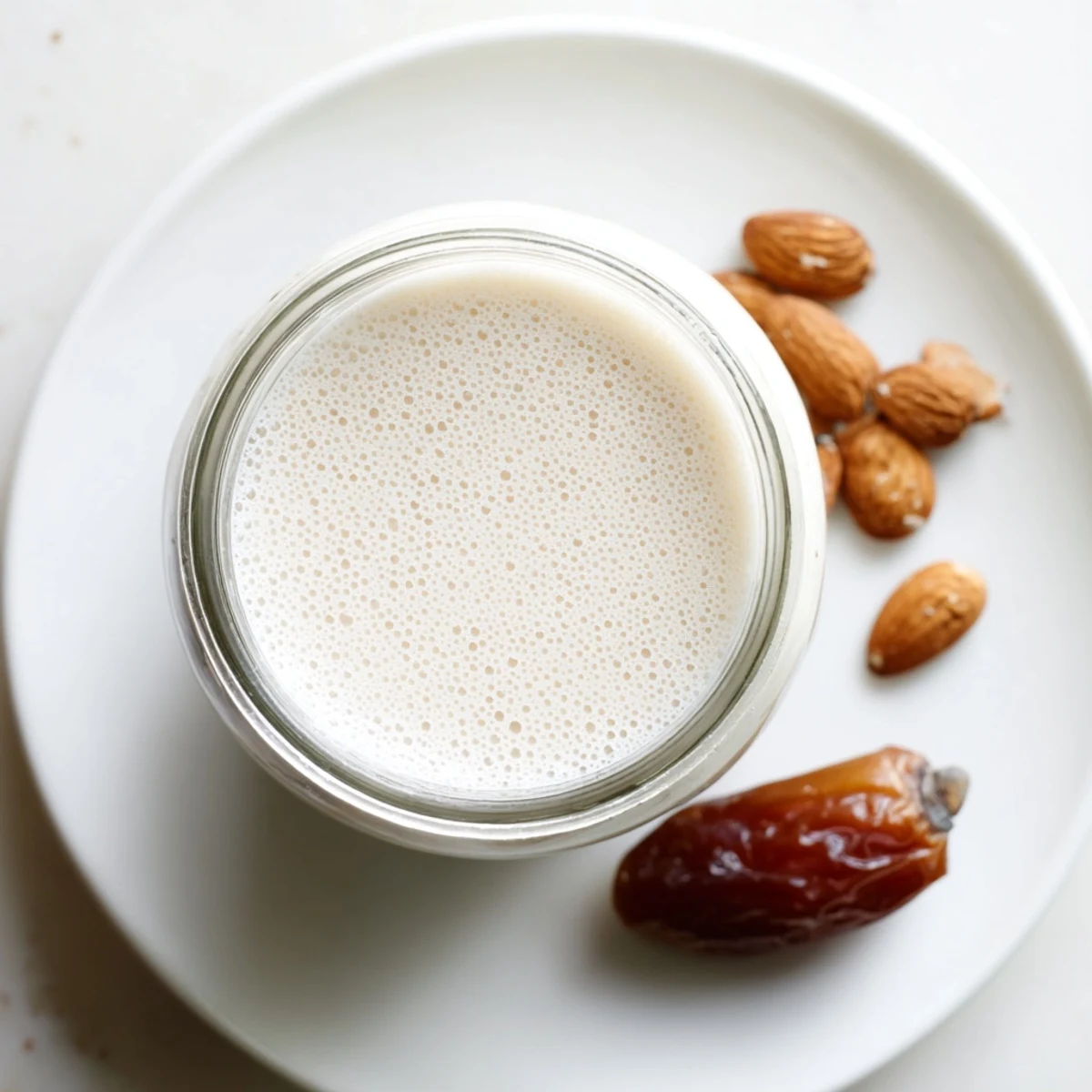
 Soak raw almonds overnight, drain and rinse, then blend with filtered water until silky smooth. Strain through a nut milk bag or cheesecloth, squeezing to extract as much liquid as possible. Chill the milk in a sealed jar; it keeps 3–4 days. Adjust texture by varying water for thinner or creamier results. Reserve almond pulp for baking or smoothies and sweeten or flavor with dates, vanilla, or cocoa as desired.
The hum of my blender at six in the morning has become a sound I actually look forward to, mostly because it means fresh almond milk is minutes away from transforming my boring cup of coffee into something genuinely worth drinking. I started making it myself after realizing the store bought versions either tasted flat or contained thickeners I could not pronounce. The whole process is absurdly simple once you get into the rhythm of soaking and blending, and the result is a milky, sweet liquid that tastes nothing like the carton stuff. Ten active minutes is all it takes, and the soaking happens while you sleep.
My friend Laura watched me strain a batch one Sunday morning and stood there with her mouth open when she tasted the warm, just blended milk straight from the bowl before I had even chilled it. She immediately pulled out her phone to order a nut milk bag, and now we text each other pictures of our latest batches like proud parents.
Ingredients
- Raw almonds (1 cup or 150 g): Use truly raw almonds, not roasted or salted, because the soaking process depends on them being unprocessed to achieve that smooth, creamy texture.
- Filtered water (4 cups or 1 liter, plus more for soaking): Good water makes good milk, so use filtered if your tap water has a strong taste that will compete with the delicate almond flavor.
- Dates, pitted (1 to 2, optional): A natural sweetener that blends seamlessly and adds a gentle caramel note without making the milk taste like dessert.
- Vanilla extract (1 tsp, optional): Just a teaspoon rounds out the flavor beautifully and makes the milk feel special enough to serve to guests.
- Sea salt (a pinch): A tiny pinch wakes up all the other flavors and keeps the milk from tasting flat, even if you think salt does not belong in a beverage.
Instructions
- Soak the almonds:
- Place the almonds in a bowl and cover them with plenty of water, then leave them to soak for at least eight hours or overnight so they plump up and soften enough to blend into silk.
- Drain and rinse:
- Drain off the soaking water and rinse the almonds thoroughly under running water until they feel clean and look slightly swollen.
- Blend everything together:
- Toss the soaked almonds into your blender with four cups of fresh filtered water, plus the dates, vanilla extract, and a pinch of sea salt if you are using them, then blend on high for one to two minutes until the mixture looks completely smooth and creamy.
- Strain the milk:
- Pour the blended mixture through a nut milk bag, cheesecloth, or a fine mesh sieve into a large bowl or jug, twisting and squeezing firmly to extract every last drop of liquid from the pulp.
- Bottle and chill:
- Transfer your fresh almond milk into a clean bottle or jar, pop it in the refrigerator, and give it a good shake before each use because separation is completely natural and expected.
 Save to Pinterest
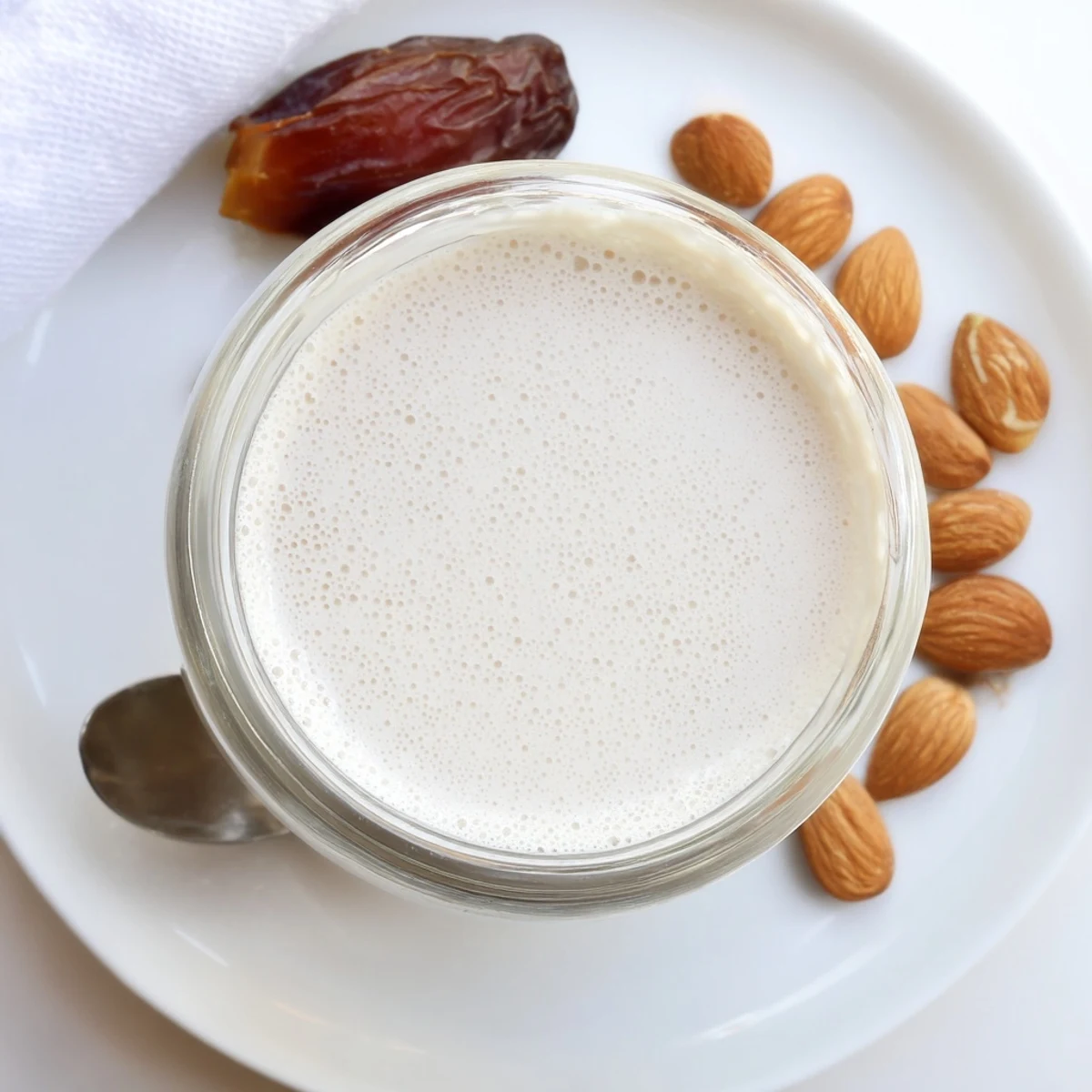
 Somewhere between learning to squeeze a nut milk bag without splashing myself and realizing the leftover pulp could become cookies, this humble little recipe turned into a weekend ritual I genuinely cherish.
What to Do With Leftover Pulp
The leftover almond pulp is too good to throw away, and I learned this the hard way after tossing out several batches before realizing it makes excellent additions to baked goods, smoothies, and even homemade granola. Spread it on a baking sheet, dry it in a low oven, and you have almond flour that works beautifully in cookies and energy bites.
Adjusting Consistency to Your Taste
If you prefer a thinner milk for drinking straight or pouring over cereal, add an extra half cup of water during blending and taste as you go until it feels right. For a creamier, more luxurious result that holds up beautifully in coffee, reduce the water by half a cup and enjoy the richer mouthfeel that follows.
Storing and Serving Fresh Almond Milk
Fresh almond milk lasts three to four days in the refrigerator, so I make just enough to get through half a week and start a new batch on Wednesday mornings without thinking twice.
- Always use a clean, airtight container because the milk absorbs fridge odors faster than you would expect.
- Freeze portions in ice cube trays for smoothies if you somehow end up with more than you can finish.
- Give the bottle a vigorous shake every single time before pouring because the cream rises to the top just like traditional dairy.
 Save to Pinterest
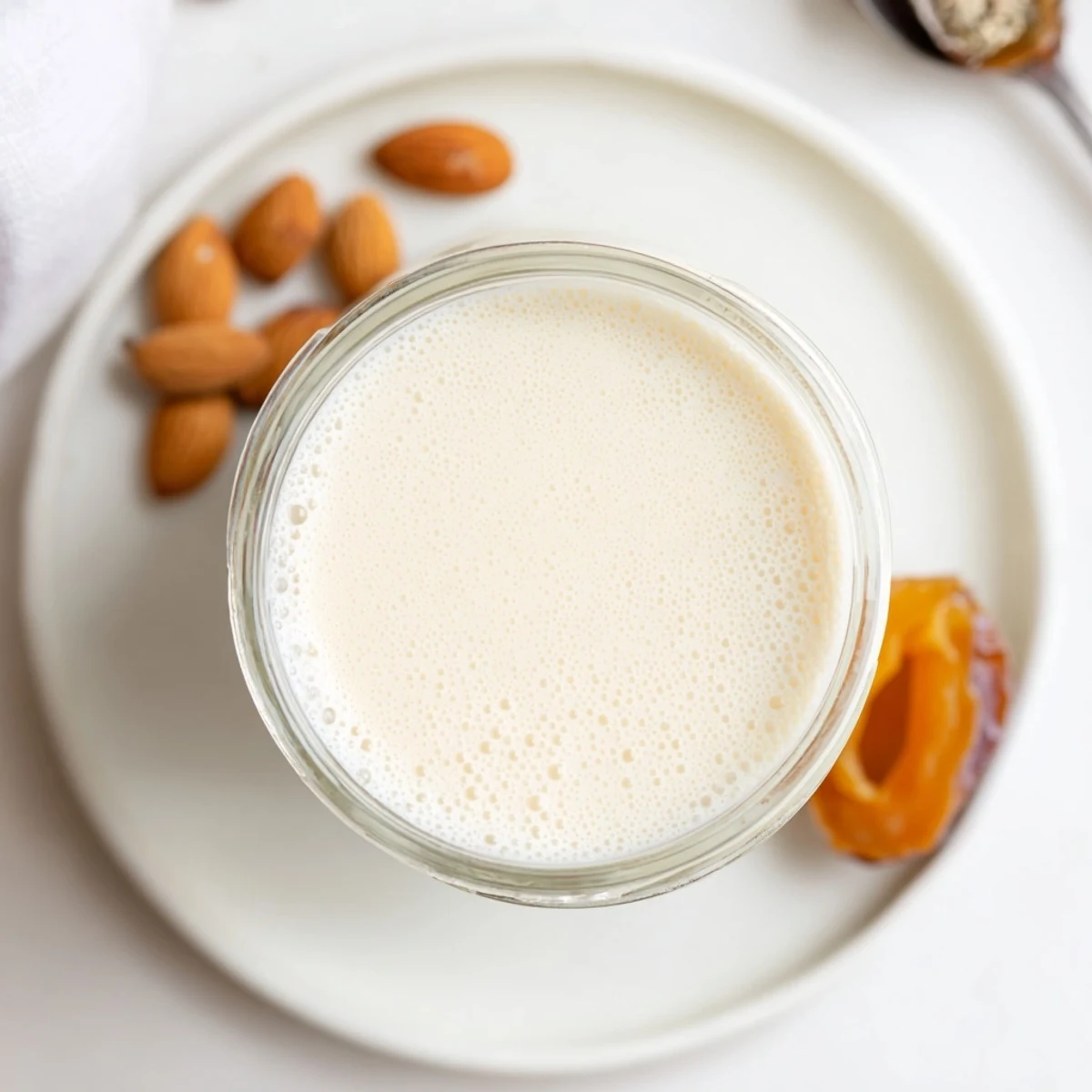
 Once you taste almond milk made from scratch in your own kitchen, the store bought carton will never satisfy you again, and honestly that is a wonderful problem to have.
Your Recipe Questions Answered
- → How long should almonds soak?
-
Soak raw almonds at least 8 hours or overnight to soften them fully; up to 12 hours yields a slightly creamier texture. Shorter soaks give a firmer grind but less extraction.
- → How can I make the milk creamier?
-
Use less water per cup of almonds for a richer texture, blend longer until silky, or add a few soaked cashews or a tablespoon of almond pulp back into the milk for extra body.
- → What are good natural flavoring options?
-
Sweeten with pitted dates, maple syrup or a touch of honey; add vanilla extract, a pinch of sea salt, or cocoa powder for a chocolate variation. Add flavors after blending and taste to adjust.
- → How should I store the milk and how long does it last?
-
Transfer to a sealed bottle or jar and refrigerate. Fresh almond milk keeps well for 3–4 days; shake before each use as natural separation will occur.
- → What can I do with the leftover almond pulp?
-
Save the pulp for baking, smoothies, energy balls, or crackers. Dry it in a low oven to make almond flour or toast lightly to add texture to granola and baked goods.
- → Can I use roasted or blanched almonds?
-
Raw almonds give the cleanest, mild flavor. Roasted nuts will impart a toasted taste and reduce raw nutritional elements, while blanched almonds produce a smoother, less bitter milk without skins.