
 Save to Pinterest
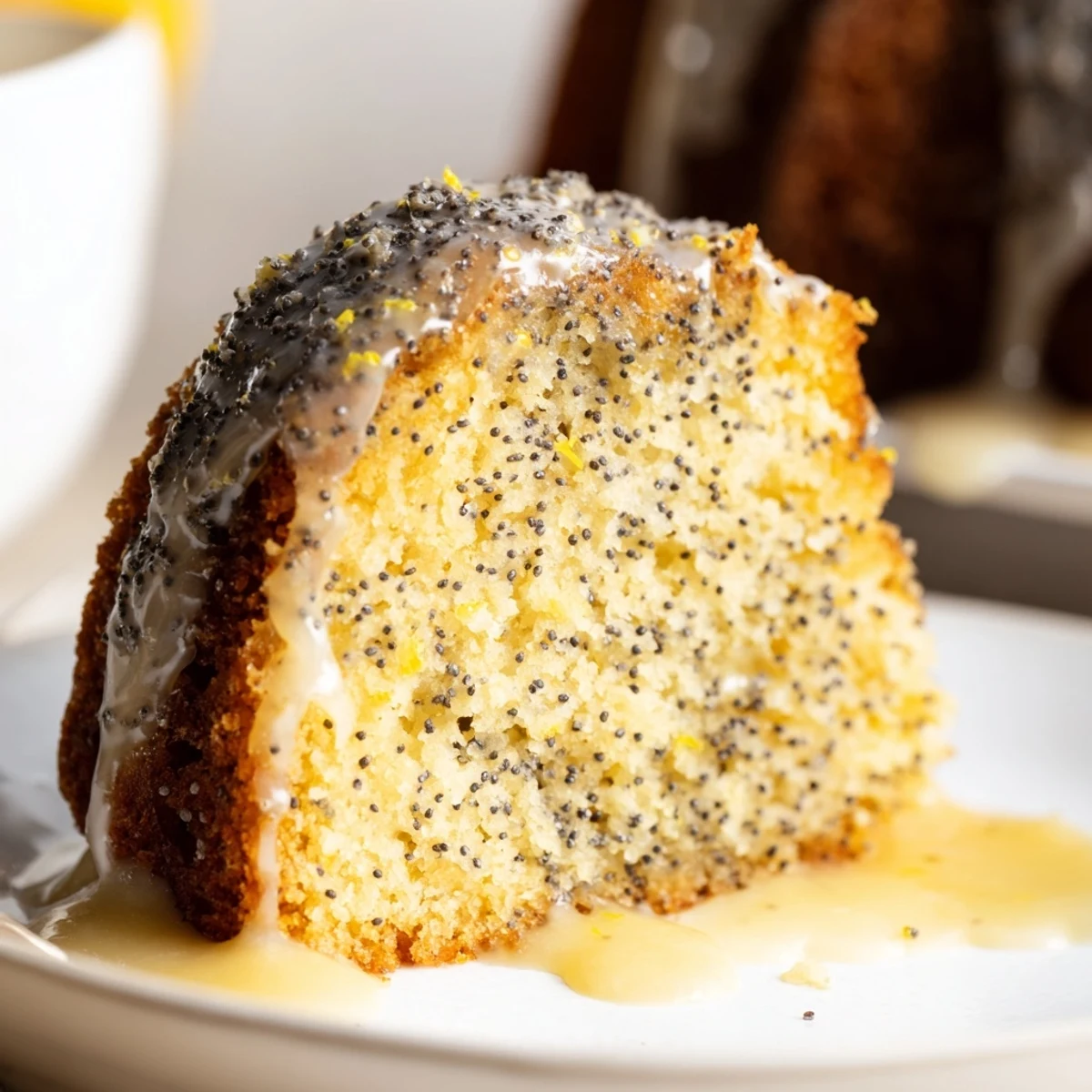
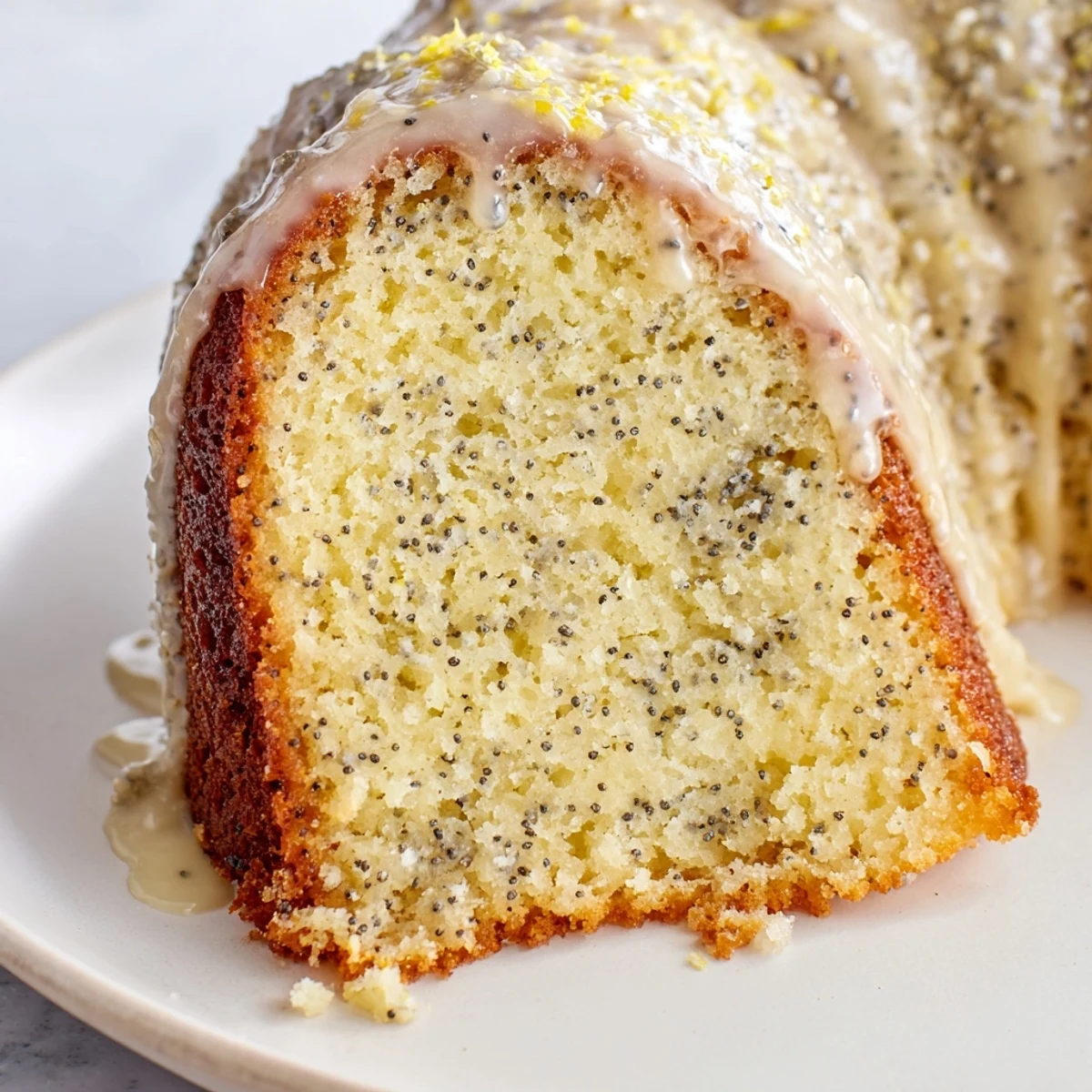
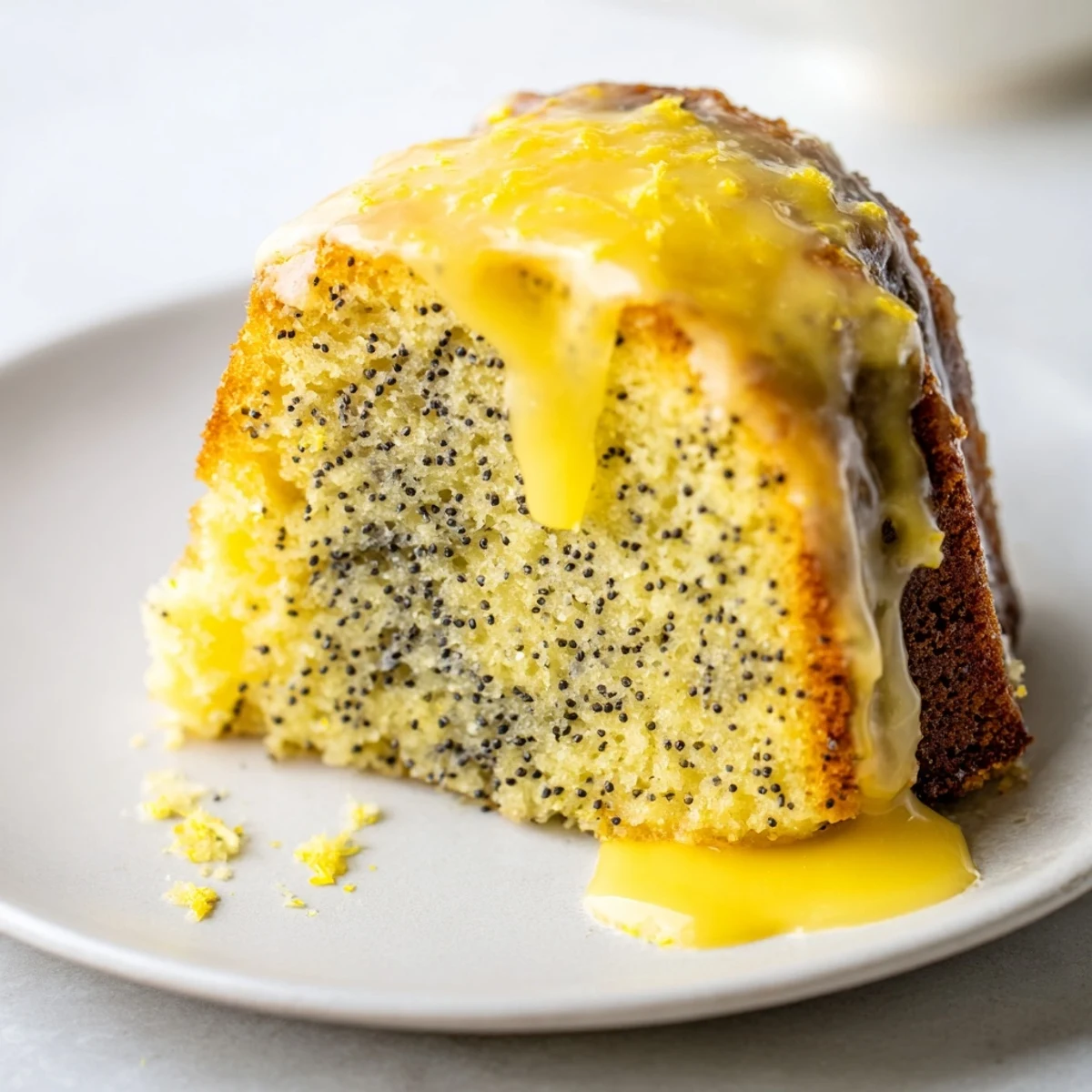
 This bundt cake showcases a vibrant lemon flavor combined with crunchy poppy seeds for texture. The batter is created by blending all-purpose flour, baking leaveners, poppy seeds, softened butter, sugar, eggs, fresh lemon juice and zest, vanilla extract, sour cream, and milk, resulting in a tender crumb. After baking, the cake is cooled and crowned with a tangy lemon glaze made from powdered sugar, lemon juice, and zest, enhancing its brightness. Perfect for those seeking a balanced dessert with fresh citrus notes and subtle crunch.
The morning sun hit my kitchen windows just right as I zested those first lemons, their oil misting into the air like tiny citrus fireworks. I'd been craving something bright and cheerful, something that would make the whole house smell like a bakery in spring. This bundt cake became exactly that, a golden crown of comfort that I've since made for baby showers, tea parties, and those random Tuesdays when life needs a little more sunshine.
My sister in law took one bite during our Easter brunch and immediately asked for the recipe, her fork hovering halfway between her plate and her mouth. I watched her daughter, who claims to dislike anything with visible seeds, pick around the poppy seeds at first but then end up going back for seconds. Now every time I bring this to a gathering, someone asks if it's the lemon cake from that Easter Sunday, which makes me smile every single time.
Ingredients
- All-purpose flour: This creates the structure for your cake, and measuring it properly by spooning it into your measuring cup rather than scooping directly ensures you don't end up with a dense, heavy result
- Baking powder and baking soda: These work together to give the cake its rise, and I always make sure mine are fresh because there is nothing sadder than a flat bundt
- Salt: Just a touch enhances all the flavors and balances the sweetness, so do not skip it even though it seems like a small amount
- Poppy seeds: These tiny seeds add a delightful crunch and visual interest throughout the cake, and toasting them beforehand can deepen their nutty flavor even more
- Unsalted butter: Softening it to room temperature is crucial for proper aeration with the sugar, creating that tender texture we are after
- Granulated sugar: This sweetens and also helps create a tender crumb by interfering with gluten formation
- Eggs: Room temperature eggs incorporate better into the batter, and adding them one at a time prevents the mixture from curdling or separating
- Fresh lemon juice: The acid not only provides bright flavor but also activates the baking soda for extra lift
- Lemon zest: This contains the essential oils where all the lemon fragrance lives, and grating it directly into your sugar mixture helps release those oils
- Vanilla extract: A little warmth and depth that rounds out the sharp citrus notes
- Sour cream: The secret weapon for moisture and tenderness, adding a subtle tang that complements the lemon beautifully
- Whole milk: Brings everything together and helps create the right batter consistency
- Powdered sugar: For the glaze, sifting it first prevents those stubborn lumps that never seem to dissolve no matter how much you whisk
- Additional lemon juice and zest: These transform the powdered sugar into a tangy, pourable glaze that drips down the cake's ridges
Instructions
- Preheat your oven and prep the pan:
- Get your oven to 350°F and grease every nook and cranny of your bundt pan, then dust it with flour, tapping out any excess, because there is nothing more heartbreaking than a beautiful cake stuck in the pan
- Whisk the dry ingredients together:
- In a medium bowl, combine your flour, baking powder, baking soda, salt, and those tiny poppy seeds, giving everything a good whisk to distribute them evenly
- Cream the butter and sugar:
- Beat your softened butter and sugar together for a full three minutes until the mixture looks pale and fluffy, which creates those tiny air pockets that make the cake tender
- Add the eggs and flavorings:
- Drop in your eggs one at a time, letting each one fully incorporate before adding the next, then mix in your lemon juice, zest, and vanilla until combined
- Combine wet and dry ingredients:
- With your mixer on low, add the flour mixture in three parts, alternating with the sour cream and milk, starting and ending with the flour, and stop mixing as soon as you see the last streaks of flour disappear
- Fill the pan:
- Scoop your batter into the prepared bundt pan and smooth the top with a spatula, giving the pan a gentle tap on the counter to release any air bubbles
- Bake until golden:
- Slide the pan into the oven and let it bake for 45 to 50 minutes, but start checking at the 45 minute mark because ovens can be tricky and a dry cake is a sad cake
- Cool before unmolding:
- Let the cake rest in the pan for exactly 15 minutes, no more and no less, then carefully flip it onto a wire rack and let it cool completely before you even think about glazing
- Make the glaze:
- Whisk together your sifted powdered sugar, fresh lemon juice, and lemon zest until smooth and pourable, adding more juice a teaspoon at a time until it reaches the perfect drizzling consistency
- Glaze and serve:
- Drizzle that tangy glaze all over the cooled cake, letting it run down the sides into those beautiful crevices, then wait for it to set before slicing into the most wonderful bright bite
 Save to Pinterest
 Last summer, my neighbor stopped by while I had a fresh glazed cake cooling on the counter. She ended up staying for two hours, we drank iced tea and ate slice after slice on the back porch, and now every time I see her, she asks if I have 'that cake' that makes everything feel a little more bearable.
Making It Ahead
This cake actually tastes better on day two, as the flavors have time to mingle and the moisture distributes evenly throughout the crumb. Wrap it tightly in plastic once it is completely cooled and it will stay fresh on the counter for three days, though I have never had one last that long in my house.
Serving Suggestions
A slice of this cake with a cup of Earl Grey tea is my idea of heaven, but it is equally wonderful alongside fresh berries or a scoop of vanilla bean ice cream for dessert. The bright citrus also makes it an unexpected but perfect end to a rich, heavy meal.
Variations To Try
Sometimes I swap in orange or lime juice and zest for a different citrus twist, or add a cup of fresh blueberries to the batter for a lemon-blueberry version that is absolutely stunning. You could also fold in some shredded coconut or replace half the flour with almond flour for a nuttier, more complex flavor profile.
- Try brushing the warm cake with a simple lemon syrup before glazing for extra moisture
- A handful of fresh raspberries folded into the batter makes it incredibly special
- Toast the poppy seeds in a dry pan for 2 minutes beforehand for deeper flavor
 Save to Pinterest
 There is something so satisfying about pulling a perfect bundt cake from the oven, and this one has never let me down. I hope it finds its way into your rotation and brings that same bright, citrusy joy to your kitchen.
Your Recipe Questions Answered
- → How do poppy seeds affect the texture?
-
Poppy seeds provide a subtle crunch that contrasts nicely with the cake's tender crumb, enhancing overall texture.
- → Can sour cream be substituted?
-
Yes, Greek yogurt can be used as a substitute to maintain moisture and add slight tanginess.
- → What is the best way to zest lemons?
-
Use a fine grater or microplane to remove just the yellow outer layer, avoiding the bitter white pith underneath.
- → How to ensure the cake cooks evenly?
-
Grease and flour the bundt pan thoroughly and avoid overmixing the batter to help even baking and a tender crumb.
- → What consistency should the glaze have?
-
The glaze should be smooth and pourable but thick enough to coat the cake without running off quickly.