
 Save to Pinterest
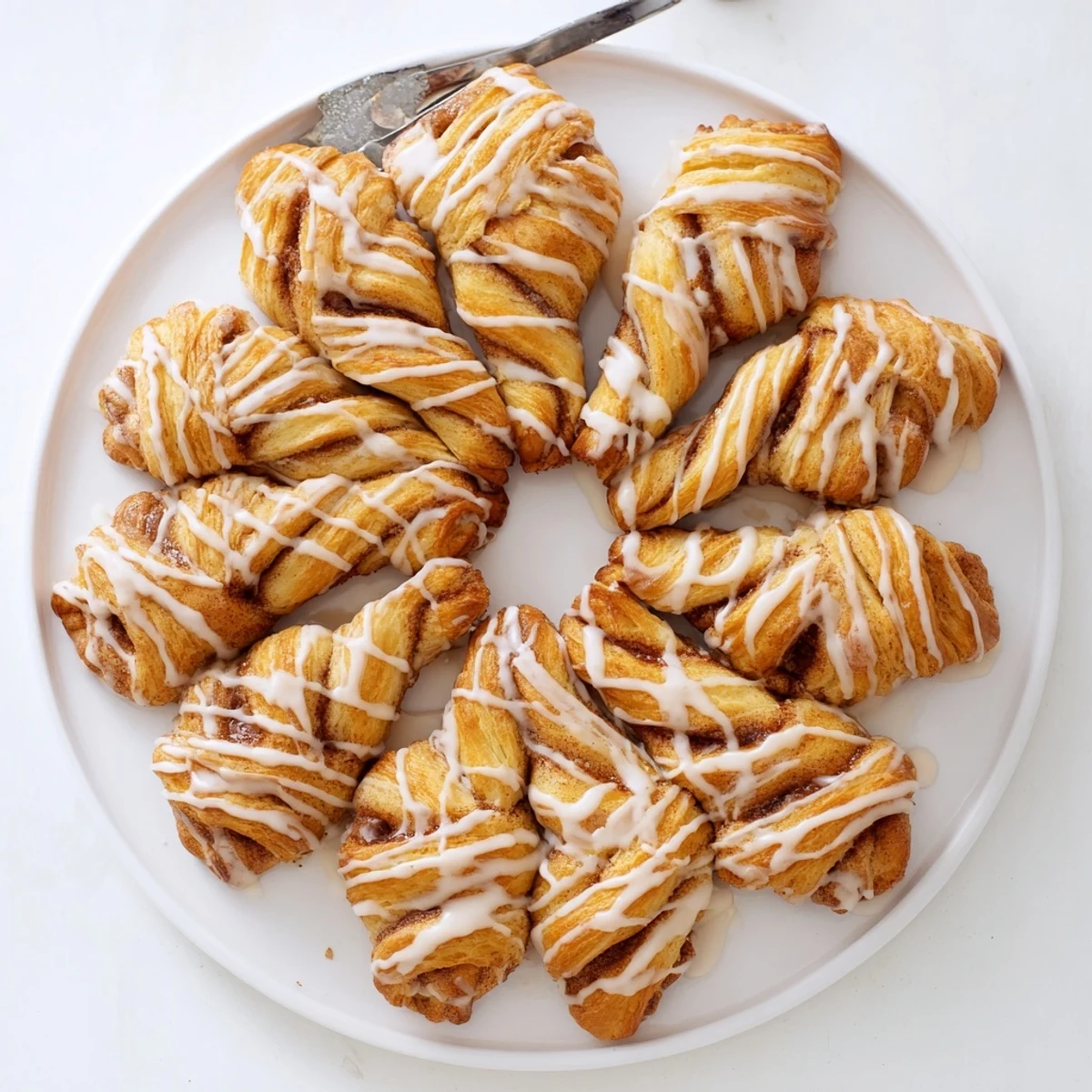
 These tender pastry twists feature a soft, yeast-based dough wrapped around a buttery cinnamon-sugar filling. The golden exterior gets a sweet finish from a simple vanilla glaze that adds just the right amount of sweetness.
Ready in under an hour, these make an ideal addition to weekend breakfast spreads or afternoon coffee breaks. The dough comes together quickly and requires minimal kneading, while the twisting technique creates beautiful layers that bake into perfectly flaky pastries.
Customize by adding chopped nuts to the filling or switching the glaze flavor with almond or maple extract.
The kitchen was still dark when I started these twists, just the pale blue dawn creeping through the window above the sink. I had promised fresh pastries for a breakfast meeting, but honestly I was just craving that moment when cinnamon hits warm air and the whole house wakes up. The first batch came out slightly uneven, some twists tighter than others, but that golden spiral pattern looked like something from a bakery case. Someone asked for the recipe before they even finished their first bite.
Last autumn my sister came over to help me test batch these, and we ended up with flour dusted across everything. The kitchen turned into this chaotic happy mess of dough strips and cinnamon clouds. She insisted on twisting every single one differently, some tight and corkscrewed, others loose and casual. We ate them standing right there at the counter, still warm enough to burn our fingers just a little, talking about nothing and everything until the sun was fully up.
Ingredients
- 2 1/4 cups (280 g) all-purpose flour: Bread flour gives extra chew but regular flour works beautifully for that tender pastry texture
- 2 tbsp (25 g) granulated sugar: Just enough to feed the yeast and add subtle sweetness to the dough itself
- 1/2 tsp salt: Don't skip this, it balances all that sugar and makes the flavors pop
- 2 1/4 tsp (1 packet) active dry yeast: Make sure your milk is warm like bathwater, not hot, or you will kill the yeast before it even starts working
- 3/4 cup (180 ml) warm milk (110°F/43°C): Whole milk creates the richest dough but any milk will work in a pinch
- 1 large egg: Room temperature eggs incorporate better into the dough structure
- 3 tbsp (45 g) unsalted butter, melted: Let it cool slightly so it does not scramble the egg when you mix everything together
- 1/3 cup (65 g) packed light brown sugar: Dark brown sugar works too if you want a deeper molasses flavor in your filling
- 2 tsp ground cinnamon: Fresh cinnamon makes such a difference, check if yours has been languishing in the cupboard for years
- 3 tbsp (45 g) unsalted butter, softened: Really softened, not just sort of room temperature, or you will tear the dough trying to spread it
- 1/2 cup (60 g) powdered sugar: Sift it first or your glaze will have stubborn little lumps
- 1 tbsp (15 ml) milk: Add more if you want a thinner glaze that drizzles beautifully
- 1/2 tsp pure vanilla extract: The real stuff matters here since the glaze is such a simple flavor combination
Instructions
- Wake up the yeast:
- Pour the warm milk into your largest bowl and sprinkle the yeast on top, then step away for exactly five minutes and watch for that foamy layer that proves it is alive and working.
- Build the dough:
- Whisk in the sugar, melted butter, egg, and salt until everything is combined, then gradually add the flour while mixing with a wooden spoon until the dough pulls away from the sides of the bowl.
- Knead until smooth:
- Turn the dough onto a lightly floured surface and knead for five to seven minutes, pushing forward with the heel of your hand and folding back over itself, until the dough feels silky and bounces back when you press it.
- Let it rise:
- Place the dough in a greased bowl, turning once to coat all sides, then cover with a warm damp towel and tuck it somewhere cozy for an hour until it has doubled in size.
- Mix the filling:
- While the dough rises, stir together the brown sugar and cinnamon in a small bowl until evenly combined.
- Roll and fill:
- Roll the dough into a 12 by 16 inch rectangle, spread the softened butter all the way to the edges, then sprinkle the cinnamon sugar mixture as evenly as you possibly can.
- Cut into strips:
- Fold the dough in half lengthwise like a book, then use a sharp knife or pizza cutter to cut twelve even strips, working quickly so the butter does not melt into the dough.
- Twist and arrange:
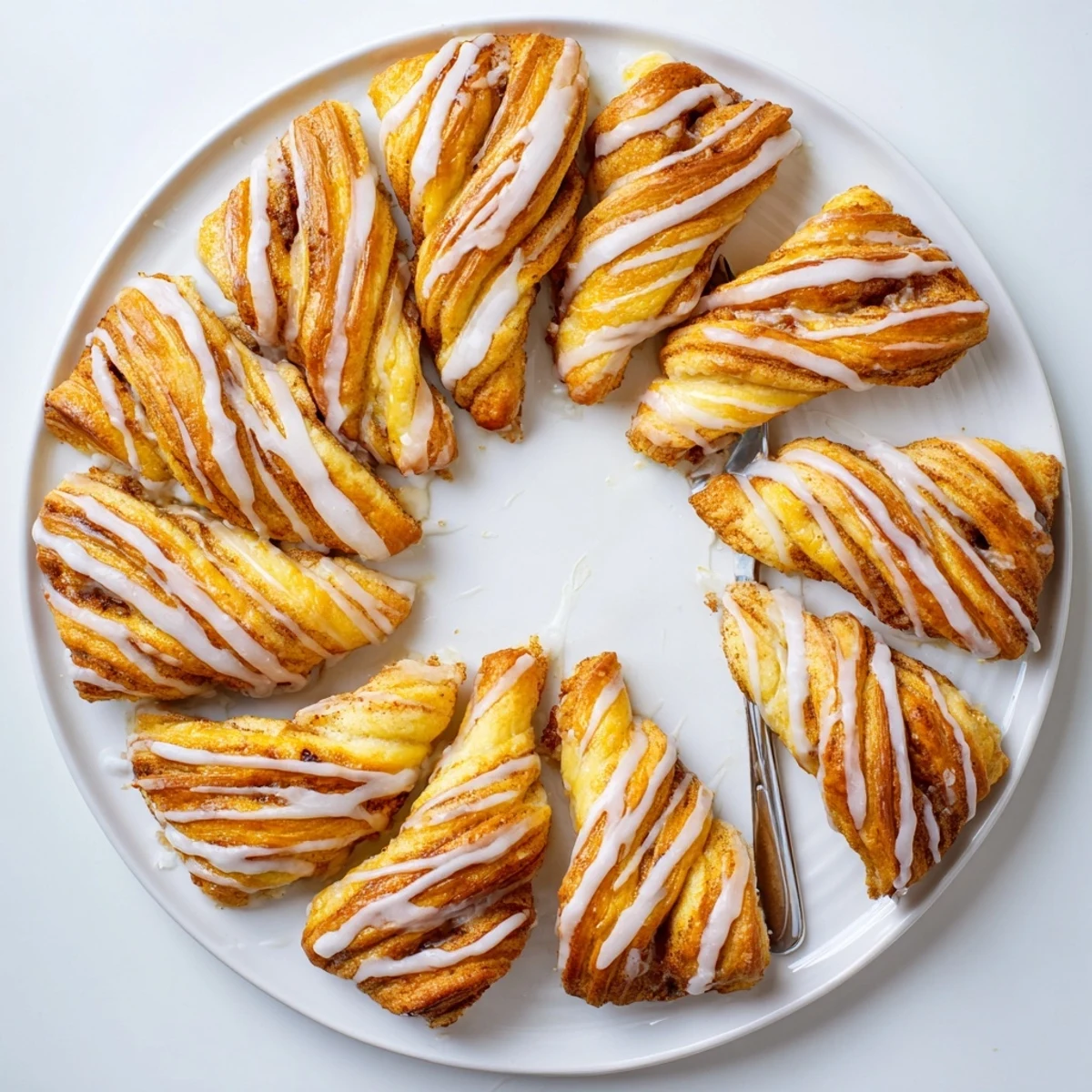
- Hold each strip at both ends and twist several times until the cinnamon spiral shows, then place on a parchment lined baking sheet leaving room for them to puff up.
- Second rise:
- Cover the twists loosely and let them rest for fifteen minutes while you preheat the oven to 375°F, which is just enough time for them to puff slightly.
- Bake until golden:
- Bake for eighteen to twenty minutes, rotating the pan halfway through, until the tops are golden brown and you can smell cinnamon wafting through your kitchen.
- Make the glaze:
- Whisk together the powdered sugar, milk, and vanilla until smooth, then drizzle over the twists while they are still slightly warm.
 Save to Pinterest
 These became my go-to contribution to every gathering after the time I brought them to a potluck and someone actually asked where I bought them. Now whenever I smell cinnamon and sugar melting together, I am back in that tiny first apartment kitchen, learning that some of the best things in life start with very basic ingredients and a little patience.
Making These Ahead
I have learned through trial and error that you can refrigerate the shaped twists overnight, covered tightly with plastic wrap, then let them sit at room temperature for thirty minutes before baking. The texture actually improves because the slow chilling gives the flour time to fully hydrate. Just do not add the glaze until after they have baked.
Getting The Perfect Twist
The secret is not overthinking it, some of my most beautiful twists came from just grabbing each strip and giving it a confident quick twist. If the dough starts to feel too elastic and springy while you are working with it, walk away for five minutes and let the gluten relax. You want enough tension to hold the twist shape but not so much that the dough fights back.
Serving Suggestions
These are essentially perfect on their own, but I have found that a cup of strong coffee balances the sweetness beautifully. My grandmother would have served them with a sharp cheddar on the side, that sweet and savory combination that Southern bakers have known about forever.
- Warm them for ten seconds in the microwave if they are more than a day old
- Sprinkle a little flaky sea salt over the glaze for that salted caramel vibe
- Package individually in parchment paper for an easy grab and go breakfast
 Save to Pinterest
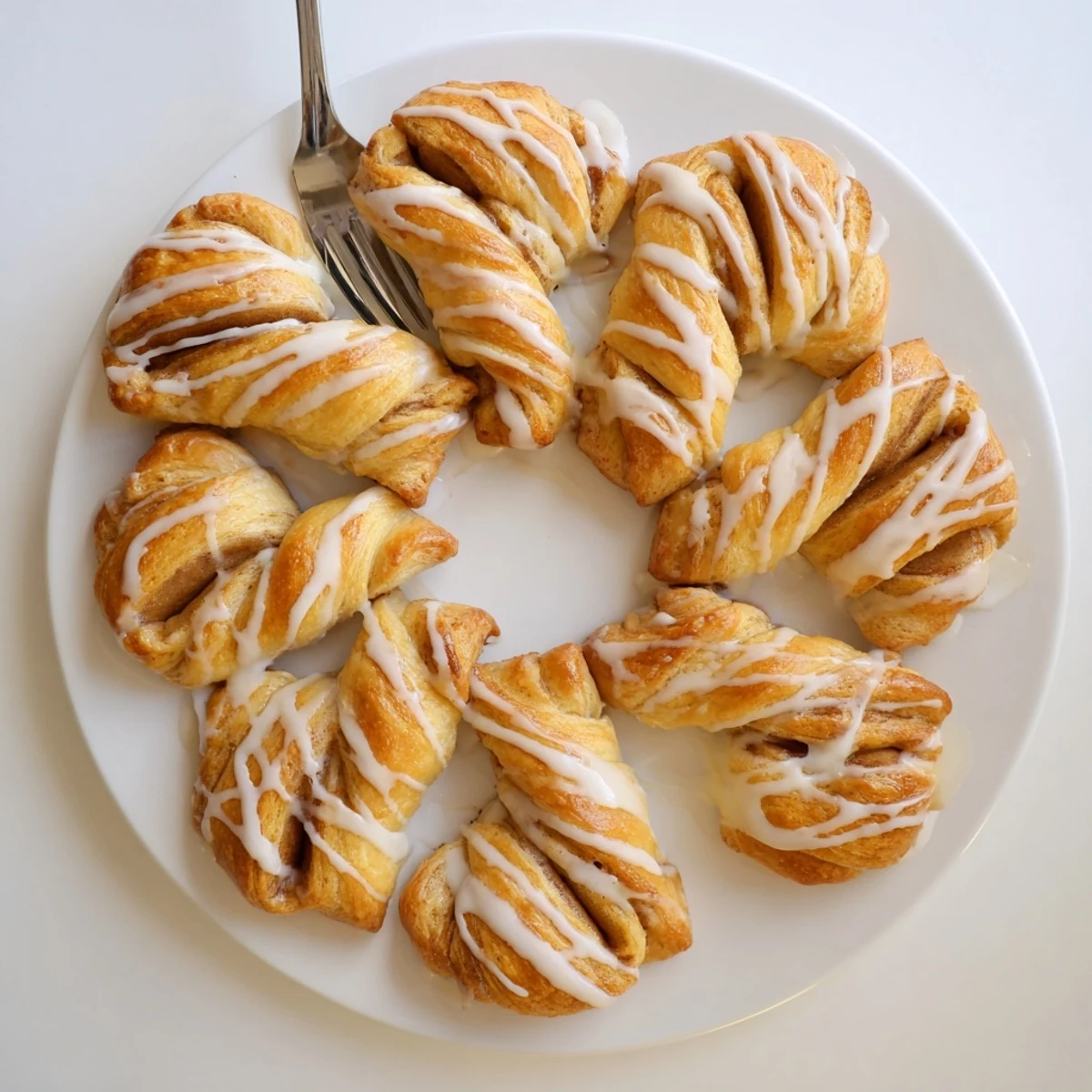
 There is something so satisfying about pulling warm twists from the oven and watching that glaze settle into all the little crevices. I hope these find their way into your kitchen and become part of your own morning rituals.
Your Recipe Questions Answered
- → Can I make the dough ahead of time?
-
Yes, prepare the dough through the first rise, then refrigerate overnight. Let it come to room temperature for 30 minutes before rolling and filling.
- → How do I store leftover twists?
-
Keep in an airtight container at room temperature for up to 2 days. For longer storage, freeze individually wrapped and reheat in a 350°F oven for 5-7 minutes.
- → Can I use instant yeast instead of active dry?
-
Absolutely. Use the same amount and mix it directly with the flour, skipping the 5-minute activation step in warm milk.
- → Why didn't my dough double in size?
-
This usually means the yeast wasn't active or the environment was too cool. Ensure your milk is warm (110°F) not hot, and find a warm, draft-free spot for rising.
- → Can I make these without a glaze?
-
Yes, the twists are delicious on their own. Alternatively, brush with melted butter immediately after baking and sprinkle with additional cinnamon-sugar.