
 Save to Pinterest
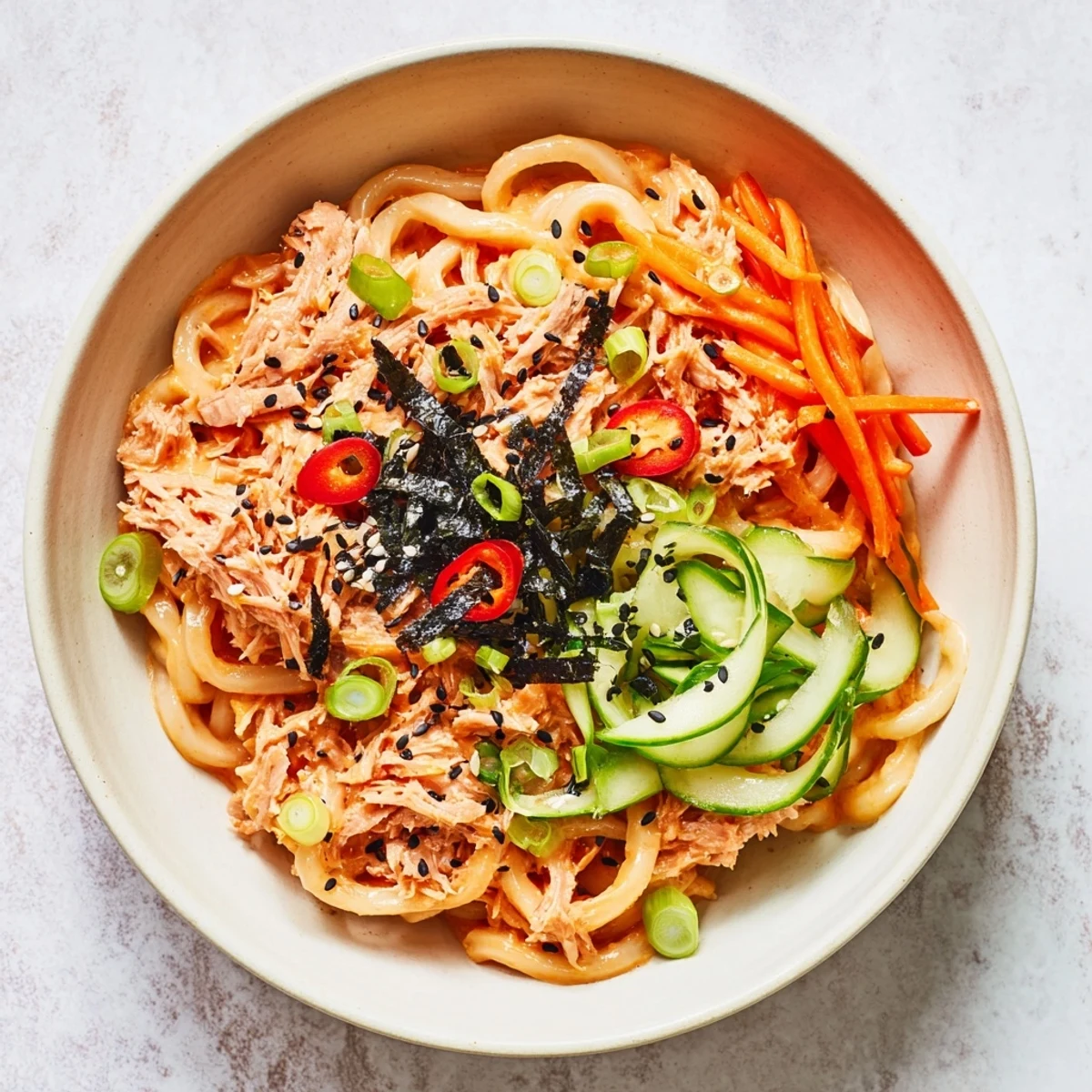
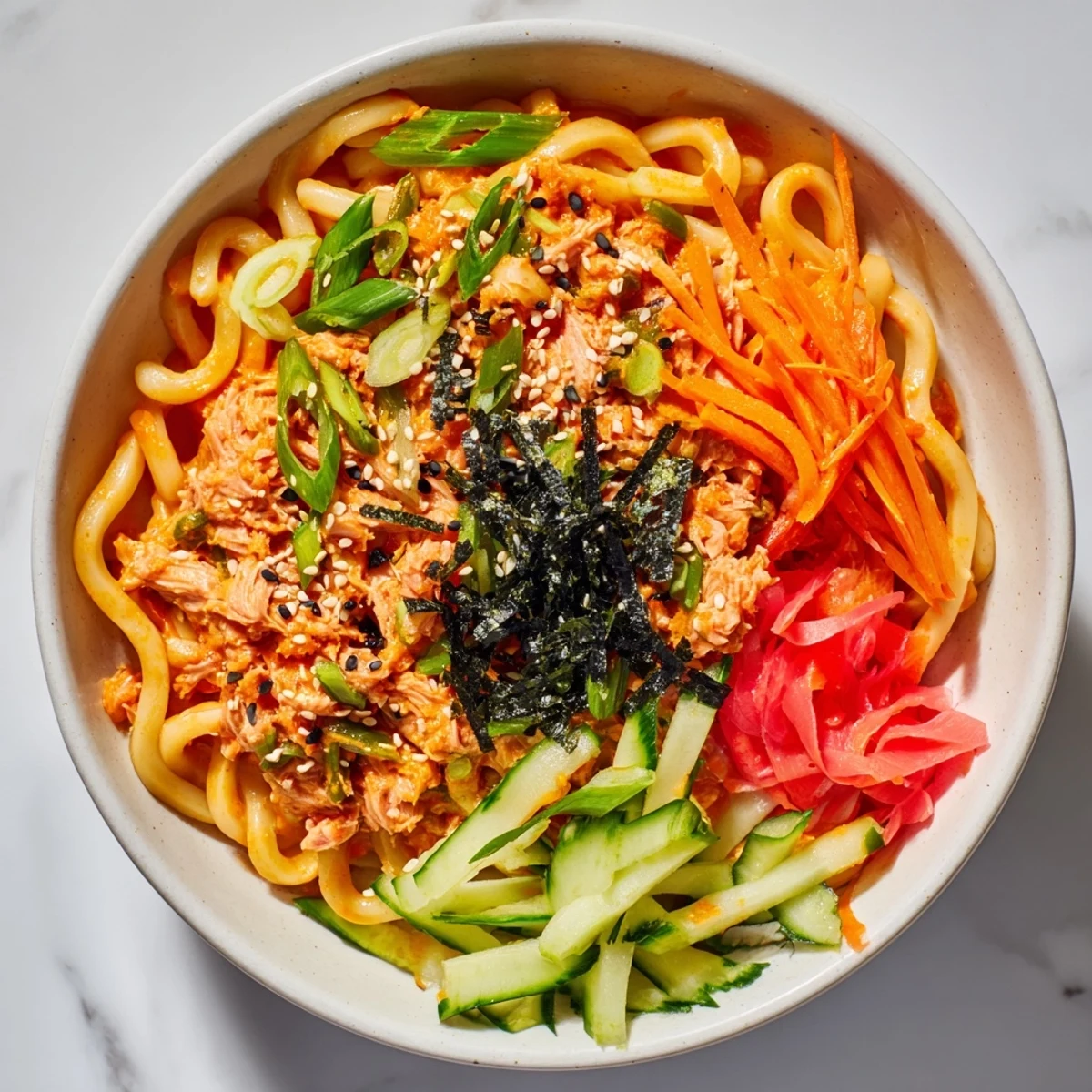
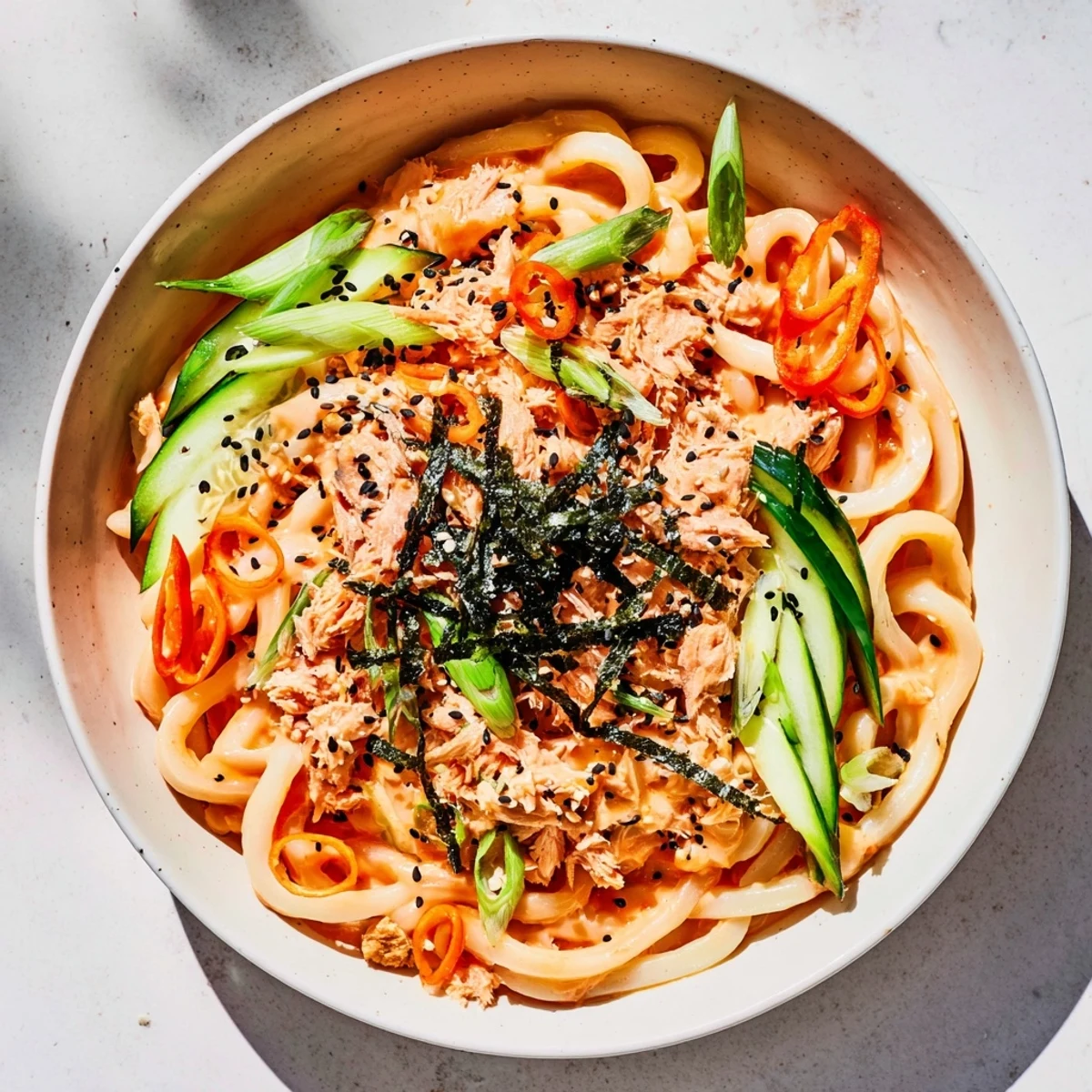
 This Japanese-inspired udon bowl brings together thick chewy noodles with a creamy spicy tuna mixture. The sauce combines mayonnaise, Sriracha, soy sauce, and sesame oil for that perfect balance of heat and umami. Fresh vegetables like julienned carrot and crisp cucumber add texture, while toasted sesame seeds and nori bring authentic flavors to the table.
Ready in just 25 minutes, this dish works beautifully served chilled or at room temperature, making it ideal for quick lunches or light dinners. The pescatarian-friendly bowl packs satisfying protein with the tuna, while customizable spice levels let you control the heat.
The exhaust fan above my stove was on its last legs the evening I threw together my first batch of spicy tuna udon, and the steam from the noodles fogged up the entire kitchen window like something out of a movie. I was living in a tiny apartment with exactly one good pot and a mismatched bowl I had stolen from my college dining hall. What came out of that chaotic little kitchen surprised me so much I made it three more times that same week, tweaking the heat each time until my roommate finally begged me to write it down.
I served this to a friend who claimed she did not like canned tuna, and she scraped her bowl clean before looking up and asking if there was more. That moment taught me the sauce does all the heavy lifting, transforming something humble into something genuinely exciting.
Ingredients
- Udon noodles (200 g): Fresh or frozen both work beautifully, but frozen udon has a chewier bite that holds up better against the bold sauce.
- Canned tuna in water, drained (120 g): Do not skip the draining step, because excess water will thin out your sauce and dilute everything you built.
- Julienned carrot (1/2 cup): Cut these as thin as you can manage because they add crunch without fighting the softness of the noodles.
- Thinly sliced cucumber (1/2 cup): English cucumber works best here since the seeds are smaller and the skin is tender.
- Spring onions, sliced (2): Keep the green and white parts separate so you can use the whites in the mix and greens as a fresh finish.
- Pickled ginger, finely chopped (1 tablespoon): Optional but highly recommended for a subtle tang that cuts through the richness.
- Japanese Kewpie mayonnaise (2 tablespoons): Kewpie is richer and slightly sweeter than regular mayo, and it makes the sauce silkier than you would expect.
- Sriracha (1 tablespoon): Start with one tablespoon and taste before adding more, because the heat builds as the sauce sits.
- Soy sauce (1 tablespoon): Use a standard Japanese soy sauce if you have it, since darker varieties can overwhelm the balance.
- Sesame oil (1 teaspoon): A little goes a long way and adds that toasty depth that ties everything back to its Japanese roots.
- Rice vinegar (1 teaspoon): This brightens the sauce just enough to keep it from feeling heavy.
- Sugar (1/2 teaspoon): Just a pinch rounds out the acidity and heat without making anything sweet.
- Toasted sesame seeds (1 tablespoon): Toast them yourself in a dry pan for thirty seconds and you will never go back to the untoasted kind.
- Nori, torn into small pieces (1 sheet): Tear it right before serving so it stays slightly crisp instead of going soft.
- Fresh chili slices (optional): Thin slices of red bird eye chili turn up the volume and make the bowl look stunning.
Instructions
- Boil the noodles:
- Cook the udon according to the package, then drain and rinse under cold water until the noodles feel cool and slippery to the touch. This stops the cooking instantly and gives them that satisfying chew.
- Build the spicy tuna sauce:
- In a mixing bowl, combine the drained tuna, mayonnaise, sriracha, soy sauce, sesame oil, rice vinegar, and sugar. Stir with a fork, breaking up the tuna as you go, until the sauce looks creamy and evenly combined.
- Fold in the vegetables:
- Add the carrot, cucumber, spring onion whites, and pickled ginger to the bowl and fold gently so you do not crush the cucumber. You want the vegetables distributed evenly but still holding their shape.
- Toss everything together:
- Add the cooled udon noodles to the bowl and toss with tongs or your hands until every strand is coated and glossy. Take your time here because an extra thirty seconds of tossing makes a real difference.
- Plate and garnish:
- Divide between two bowls, then shower each with sesame seeds, torn nori, fresh chili slices, and the reserved spring onion greens. The contrast of colors will make you want to take a photo before you eat.
- Serve right away:
- Enjoy chilled or at room temperature, ideally within an hour of making it while the textures are still at their best.
 Save to Pinterest
 There was a rainy tuesday when I made this and sat on the floor of my kitchen eating it straight from the mixing bowl because I did not want to wait long enough to find a clean plate. Some dishes just demand that kind of impatience.
Making It Your Own
Swap the cucumber for shredded cabbage if you want more crunch, or fold in some edamame for extra substance. A soft boiled egg with a jammy yolk placed on top turns this from a quick meal into something that feels almost luxurious.
What to Serve Alongside
A glass of cold dry sake or a crisp white wine matches the heat beautifully and keeps the meal feeling light. A small cup of miso soup on the side rounds everything out without competing for attention.
Storing and Reheating
This dish is best eaten fresh, but it will keep in the refrigerator for up to one day if you store the noodles and sauce separately. The vegetables release water overnight, so expect a slightly looser texture the next day.
- Toss in a splash of soy sauce and a squeeze of lime to wake up leftover flavors.
- Avoid microwaving because the mayonnaise based sauce can separate and become grainy.
- If making ahead for lunch, wait to add the nori and sesame seeds until just before eating.
 Save to Pinterest
 Keep this recipe in your back pocket for nights when you want something bold and satisfying without turning on more than one burner. It will never let you down.
Your Recipe Questions Answered
- → Can I use fresh tuna instead of canned?
-
Yes, cooked fresh tuna works perfectly. Simply flake cooked tuna and use it in place of canned. Grilled or seared tuna adds even more flavor to the dish.
- → How do I store leftovers?
-
Store components separately in airtight containers. Keep noodles and tuna mixture refrigerated for up to 2 days. Toss together just before serving for best texture.
- → Can I make this less spicy?
-
Absolutely. Reduce the Sriracha amount or omit it entirely. The mayonnaise and soy sauce still provide plenty of flavor without the heat.
- → What other vegetables can I add?
-
Shredded cabbage, bell peppers, edamame, or sliced radishes work wonderfully. For cooked options, try sautéed mushrooms or blanched broccoli.
- → Is this served hot or cold?
-
This versatile dish works both ways. Serve chilled for refreshing summer meals or at room temperature. The noodles can be warmed slightly if preferred.
- → Can I substitute the udon noodles?
-
Soba noodles, ramen, or even spaghetti make good alternatives. Just adjust cooking times according to package instructions and rinse before tossing.