
 Save to Pinterest
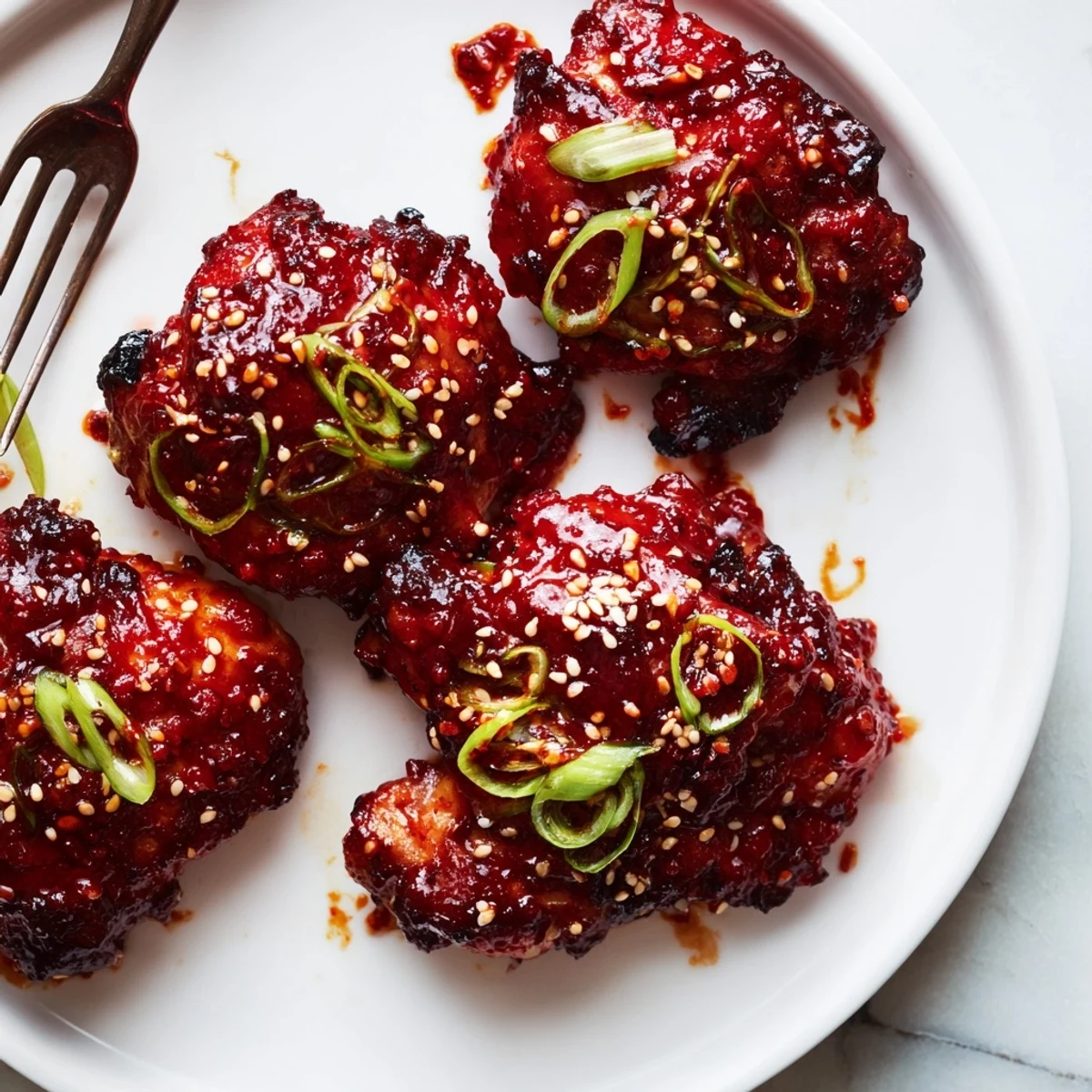
 This Korean-inspired gochujang chicken features bite-sized chicken thighs marinated in a bold blend of gochujang chili paste, soy sauce, honey, rice vinegar, garlic, ginger, and sesame oil. The marinade creates a perfect balance of heat, sweetness, and umami that caramelizes beautifully in the pan.
Ready in just 40 minutes with 15 minutes of prep, it's an ideal weeknight dinner that pairs wonderfully with steamed rice or crisp lettuce wraps. Garnish with toasted sesame seeds and sliced green onions for a restaurant-quality finish.
My apartment smelled like a Seoul street market the night I accidentally doubled the gochujang in this chicken, and honestly, that mistake changed everything about how I cook Korean food at home.
I made this for my neighbor who claimed she could not handle spicy food, and she polished off two helpings before admitting she was sweating through her shirt.
Ingredients
- 700 g boneless skinless chicken thighs: Thighs stay juicier than breast meat and hold up beautifully to the bold marinade.
- 3 tbsp gochujang: This fermented Korean chili paste is the soul of the dish, so buy a tub you trust.
- 2 tbsp soy sauce: Provides the salty backbone that balances the honey and heat.
- 1 tbsp rice vinegar: A gentle acid that brightens the whole marinade without fighting the gochujang.
- 2 tbsp honey: Helps the chicken caramelize in the pan and rounds out the chili paste intensity.
- 2 cloves garlic, minced: Fresh garlic makes a noticeable difference here, so skip the jarred stuff.
- 1 tbsp ginger, grated: Adds a warm bite that pulls the sweet and savory elements together.
- 1 tbsp sesame oil: Toasted sesame oil gives a nutty aroma that makes the kitchen smell incredible.
- 1/2 tsp freshly ground black pepper: Just enough to add depth without competing with the chili heat.
- 1 tbsp toasted sesame seeds: A finishing sprinkle that adds a gentle crunch and visual appeal.
- 2 green onions, thinly sliced: The fresh onion bite cuts through the richness right at the end.
Instructions
- Build the marinade:
- Whisk the gochujang, soy sauce, rice vinegar, honey, garlic, ginger, sesame oil, and pepper in a large bowl until you have a smooth, glossy paste that smells deeply savory with a hint of sweetness.
- Coat the chicken:
- Toss the chicken pieces into the bowl and stir until every piece is coated in that vivid red mixture, then let it sit for at least twenty minutes so the flavors sink in.
- Cook until caramelized:
- Heat a large skillet over medium high and pour in the chicken with all the marinade, cooking six to eight minutes per side until the edges darken and the sauce thickens into a sticky glaze.
- Finish and serve:
- Pull the pan off the heat, scatter sesame seeds and green onions over the top, and serve immediately over steamed rice or tucked into crisp lettuce wraps.
 Save to Pinterest
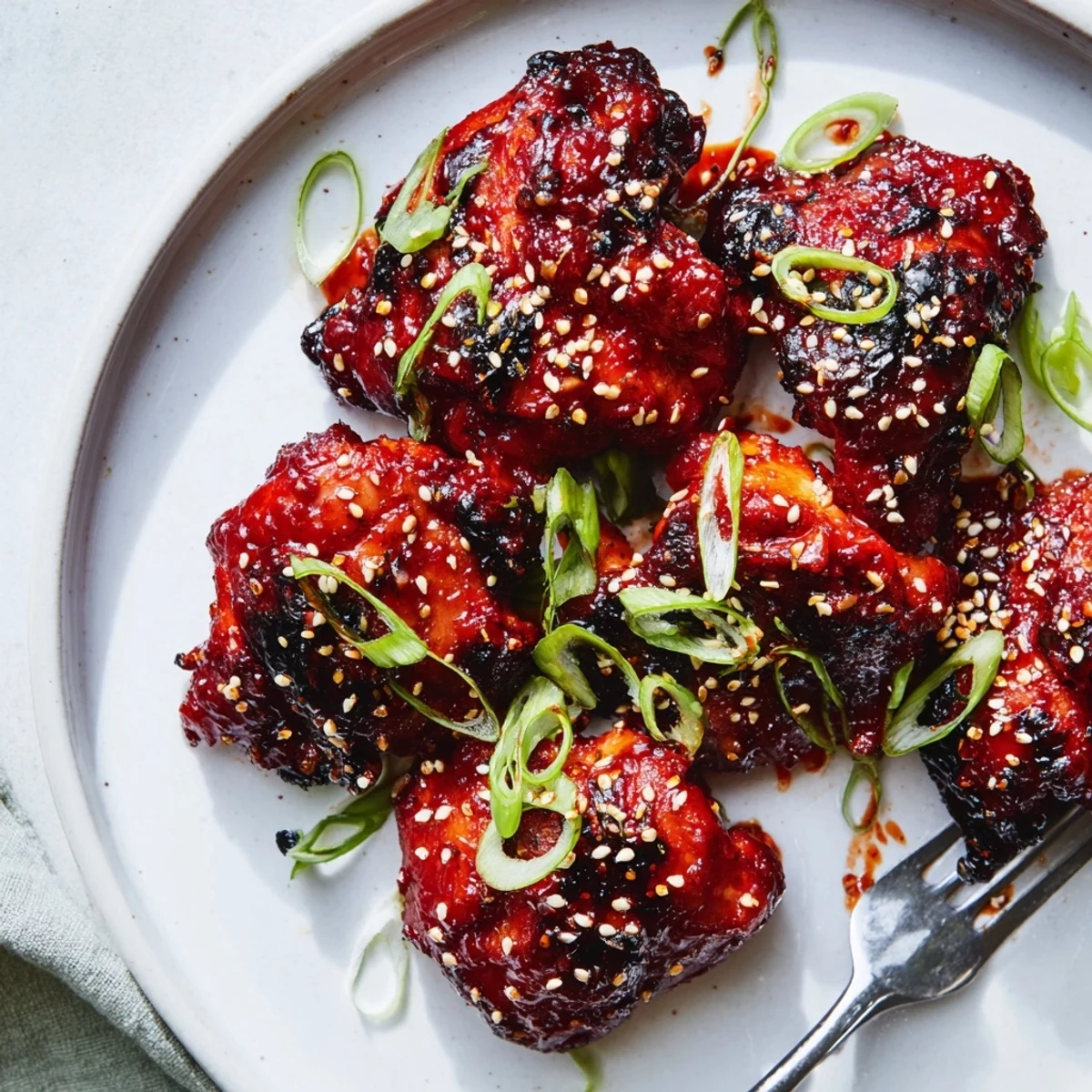
 The night my friend brought over a bottle of soju and we ate this chicken straight from the pan with wooden spoons, I realized some meals do not need plates to feel complete.
Pairing Suggestions
Steamed white rice is the obvious choice, but I have also served this over cold soba noodles in summer and the contrast of chilled noodles against spicy chicken is something I wish I had discovered years ago.
Making It Your Own
A teaspoon of gochugaru in the marinade will push the heat into seriously spicy territory, which I welcome on cold nights when I want to clear my sinuses and warm up simultaneously.
Storage and Reheating
Leftovers keep well in the refrigerator for up to three days and actually taste better the next day when the flavors have had time to settle into the meat.
- Reheat gently in a skillet with a splash of water so the glaze does not burn.
- Avoid the microwave if you want to keep that beautiful caramelized texture intact.
- Always taste for seasoning before serving again, as a pinch of salt can wake everything back up.
 Save to Pinterest
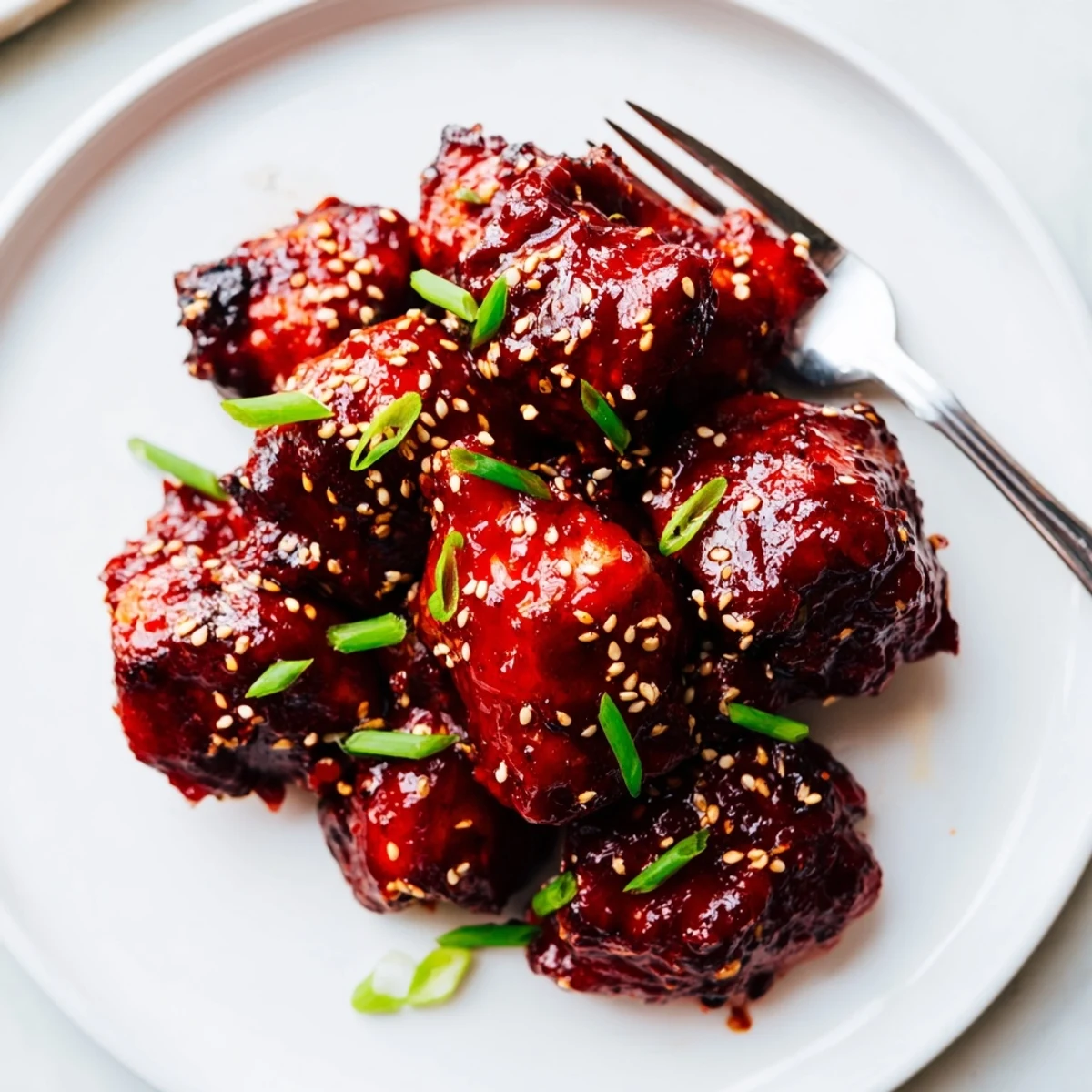
 This is the kind of recipe that earns a permanent spot in your rotation, the one you reach for when you want something bold and satisfying without spending half the evening in the kitchen.
Your Recipe Questions Answered
- → What is gochujang and where can I find it?
-
Gochujang is a fermented Korean chili paste made from red chili powder, glutinous rice, fermented soybeans, and salt. You can find it in the international aisle of most grocery stores or at Asian markets. Look for it in small red tubs or squeeze bottles.
- → Can I use chicken breasts instead of thighs?
-
Yes, boneless skinless chicken breasts work as a leaner alternative. Since breast meat is less forgiving, reduce the cooking time slightly and avoid overcooking to keep the meat tender and juicy.
- → How long should I marinate the chicken?
-
A minimum of 20 minutes is sufficient, but marinating for up to 2 hours in the refrigerator allows the flavors to penetrate deeper. For even more intense flavor, you can marinate overnight.
- → What should I serve with gochujang chicken?
-
Steamed white rice is the classic pairing, but it also works great with lettuce wraps for a lighter option. Add sides like kimchi, pickled vegetables, or sautéed greens for a complete Korean-style spread.
- → How can I adjust the spice level?
-
The gochujang alone provides a moderate, manageable heat. For extra spiciness, add 1 teaspoon of gochugaru (Korean red chili flakes) to the marinade. To tone it down, use slightly less gochujang and add a bit more honey.
- → Is this dish gluten-free?
-
Standard soy sauce contains wheat, so this dish is not gluten-free as written. To make it gluten-free, substitute the soy sauce with tamari or a certified gluten-free soy sauce, and verify that your gochujang brand is gluten-free.