
 Save to Pinterest
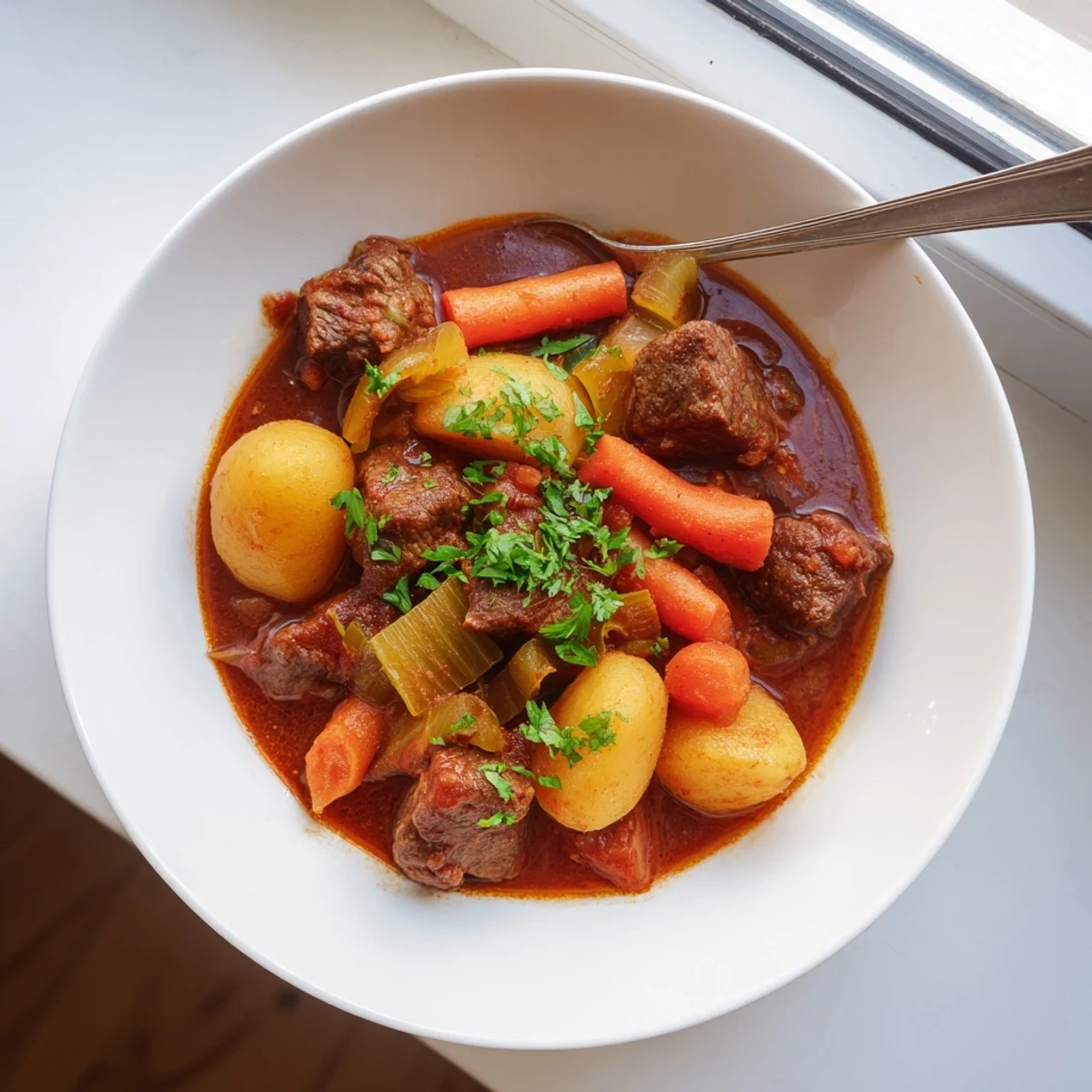
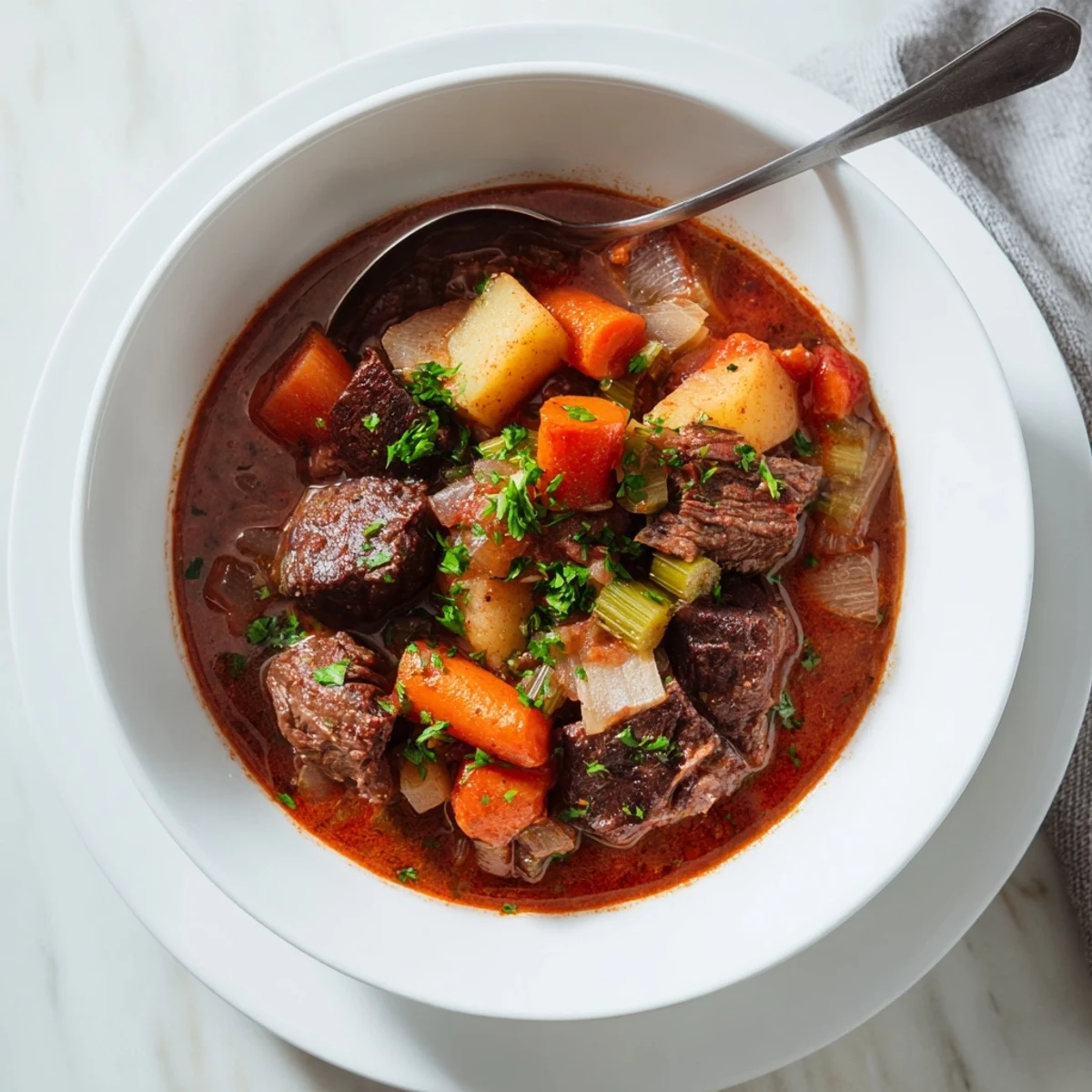
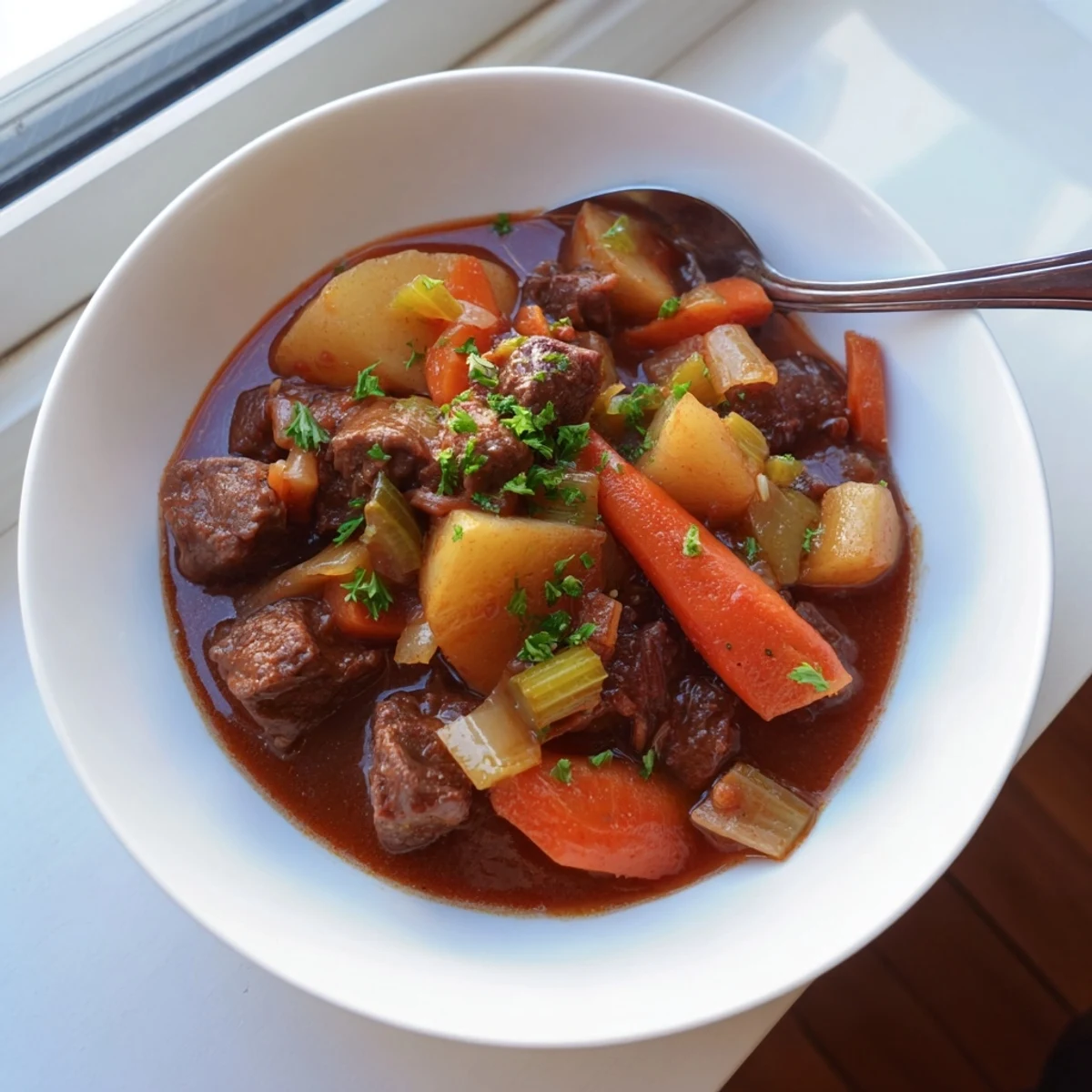
 This classic Italian dish transforms beef chuck into melt-in-your-mouth tenderness through slow braising with aromatic vegetables and red wine. The spezzatino technique builds layers of flavor starting with properly seared meat, followed by soffritto vegetables, and finished with herbs like bay leaves, rosemary, and thyme. After 2 hours of gentle simmering, the sauce naturally thickens while the beef becomes fork-tender. Best served with rustic bread or creamy polenta to soak up the flavorful juices.
The rain was hammering against the kitchen window so hard that afternoon that I abandoned all plans to leave the house and started pulling vegetables from the crisper drawer instead. There is something about a cold, grey Saturday that demands a pot of something bubbling and unapologetically rich on the stove. Spezzatino di manzo became my stormy weather ritual after a landlady in Florence spooned a bowl of it in front of me and said nothing, just nodded toward the bread. One taste and I understood her silence was reverence.
I made this for my neighbor Luca once when his heating broke in January. He sat at my tiny table eating three bowls without looking up, then finally muttered that it was almost as good as his nonnas, which from Luca was the highest compliment imaginable.
Ingredients
- Beef chuck (800 g, cubed): Chuck has just the right balance of fat and connective tissue that melts during braising and keeps every bite tender.
- Onions (2 medium, finely chopped): They form the sweet backbone of the soffritto, so do not rush them.
- Carrots (2, sliced): Their natural sweetness rounds out the acidity from the wine and tomato.
- Celery stalks (2, sliced): An unsung hero that adds an earthy depth you will miss if you skip it.
- Potatoes (2 medium, peeled and cubed): They break down slightly and help thicken the sauce without any extra starch.
- Garlic (2 cloves, minced): Added late so it sweetens rather than turning bitter.
- Dry red wine (250 ml): Use something you would drink, because a bad wine will only taste worse when concentrated.
- Beef stock (500 ml): Homemade is ideal but a good quality shop bought stock works perfectly fine.
- Tomato paste (2 tbsp): This small amount adds remarkable color and umami without making it taste like a tomato sauce.
- Olive oil (2 tbsp): A good fruity oil makes a noticeable difference when browning the meat.
- Bay leaves (2): Remove them before serving but never skip them, they quietly hold the flavor together.
- Fresh rosemary (1 sprig): Fresh is essential here, dried rosemary can lean toward a medicinal flavor.
- Dried thyme (1 tsp): A humble herb that bridges the gap between the wine and the meat beautifully.
- Salt and black pepper: Season in layers throughout the cooking, not just at the end.
Instructions
- Brown the beef with patience:
- Heat the olive oil in a large heavy bottomed pot over medium high heat and brown the beef cubes in batches, giving each piece space to develop a deep golden crust without steaming. You will hear a satisfying sizzle when the pan is hot enough, and that sound means flavor is happening.
- Build the soffritto:
- In the same pot with all those lovely browned bits still clinging to the bottom, drop the heat to medium and add the onions, carrots, and celery. Stir them gently for about five minutes, scraping up every caramelized morsel because that is where the deepest flavor lives.
- Wake up the garlic and tomato:
- Add the minced garlic and tomato paste, stirring constantly for two minutes until the paste darkens slightly and the garlic fills your kitchen with that unmistakable warm fragrance.
- Let the wine work its magic:
- Pour in the red wine and scrape the pot thoroughly, letting the liquid reduce by half over about five minutes. This is when the kitchen starts smelling like a trattoria in the Tuscan hills.
- Bring everything together:
- Return the seared beef to the pot and add the potatoes, beef stock, bay leaves, rosemary sprig, thyme, and a generous pinch each of salt and pepper. Give it one good stir, then let it come to a gentle simmer.
- Braise low and slow:
- Cover the pot and reduce the heat to low, letting everything bubble softly for two hours with an occasional stir. The beef is ready when it yields to the gentle press of a wooden spoon and the sauce coats it like velvet.
- Finish and taste:
- Fish out the bay leaves and the rosemary sprig, then taste the sauce and adjust the salt and pepper. Trust your palate here because every batch of stock and wine behaves differently.
 Save to Pinterest
 The evening Luca came back with a bottle of Chianti to thank me for that stew, we sat on my kitchen floor because I only had two chairs and talked until the wine was gone and the pot was empty. Some dishes are just food, but this one has a way of turning a simple meal into an evening worth remembering.
What to Serve Alongside
Polenta is my favorite companion because it soaks up the rich sauce like nothing else, but a thick slice of grilled rustic bread pressed with garlic works just as beautifully on a weeknight. I have also been known to ladle it over a mound of buttered pappardelle when company is coming and I want to stretch the pot a little further.
Making It Ahead
This stew is one of those rare dishes that genuinely improves overnight as the flavors settle and marry in the fridge. Let it cool completely, refrigerate it in the pot with the lid on, and gently reheat it the next day over low heat, adding a splash of stock if the sauce has thickened too much.
Tools That Make a Difference
A heavy bottomed Dutch oven is worth its weight in gold for this recipe because it distributes heat evenly and holds a steady simmer without hot spots. Beyond that, a sharp knife and a sturdy wooden spoon are really all you need.
- A cast iron pot retains heat so well that you can turn off the burner ten minutes early and the stew keeps gently cooking.
- Keep a ladle nearby for skimming any excess fat that rises to the surface during braising.
- Always let the stew rest off the heat for five minutes before serving so the sauce settles and thickens slightly.
 Save to Pinterest
 Let the rain fall, let the hours pass, and let this pot of spezzatino remind you that some of the best cooking happens when you have nowhere else to be. Your kitchen will smell incredible and whoever sits at your table will not want to leave.
Your Recipe Questions Answered
- → What cut of beef works best for spezzatino?
-
Beef chuck is ideal because it becomes tender during long braising. The marbling breaks down, creating succulent meat and rich sauce.
- → Can I prepare spezzatino in advance?
-
Yes, refrigerating overnight allows flavors to deepen. Reheat gently on the stovetetop and adjust seasoning before serving.
- → What wine should I use?
-
A dry Italian red wine like Chianti or Barbera works beautifully. Avoid cooking wines and choose something you would enjoy drinking.
- → How do I know when it's done?
-
The beef should be fork-tender and easily pull apart. The sauce will have thickened naturally and coated the meat.
- → What should I serve with spezzatino?
-
Rustic crusty bread, creamy polenta, or mashed potatoes pair perfectly. For gluten-free options, serve with roasted vegetables or polenta.