
 Save to Pinterest
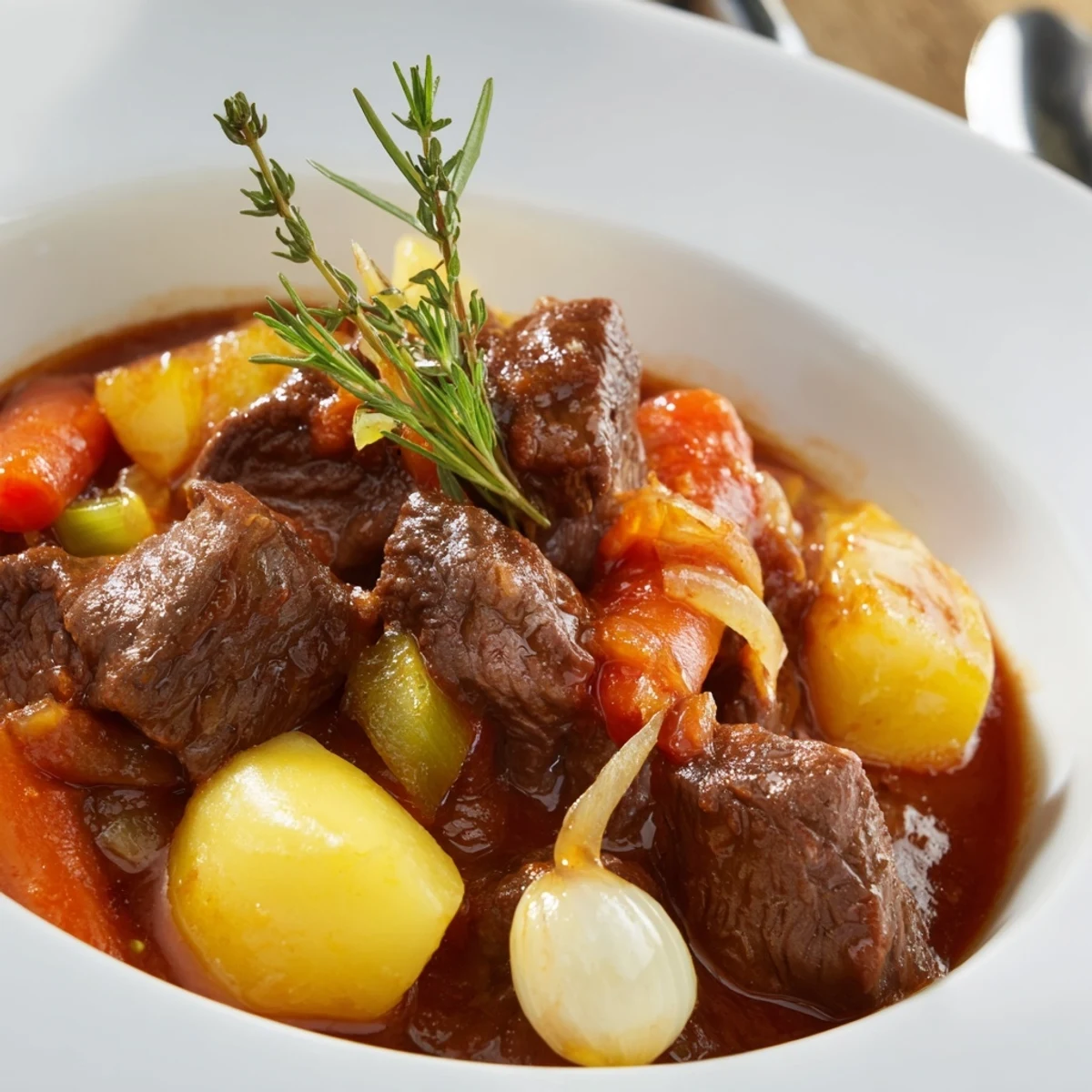
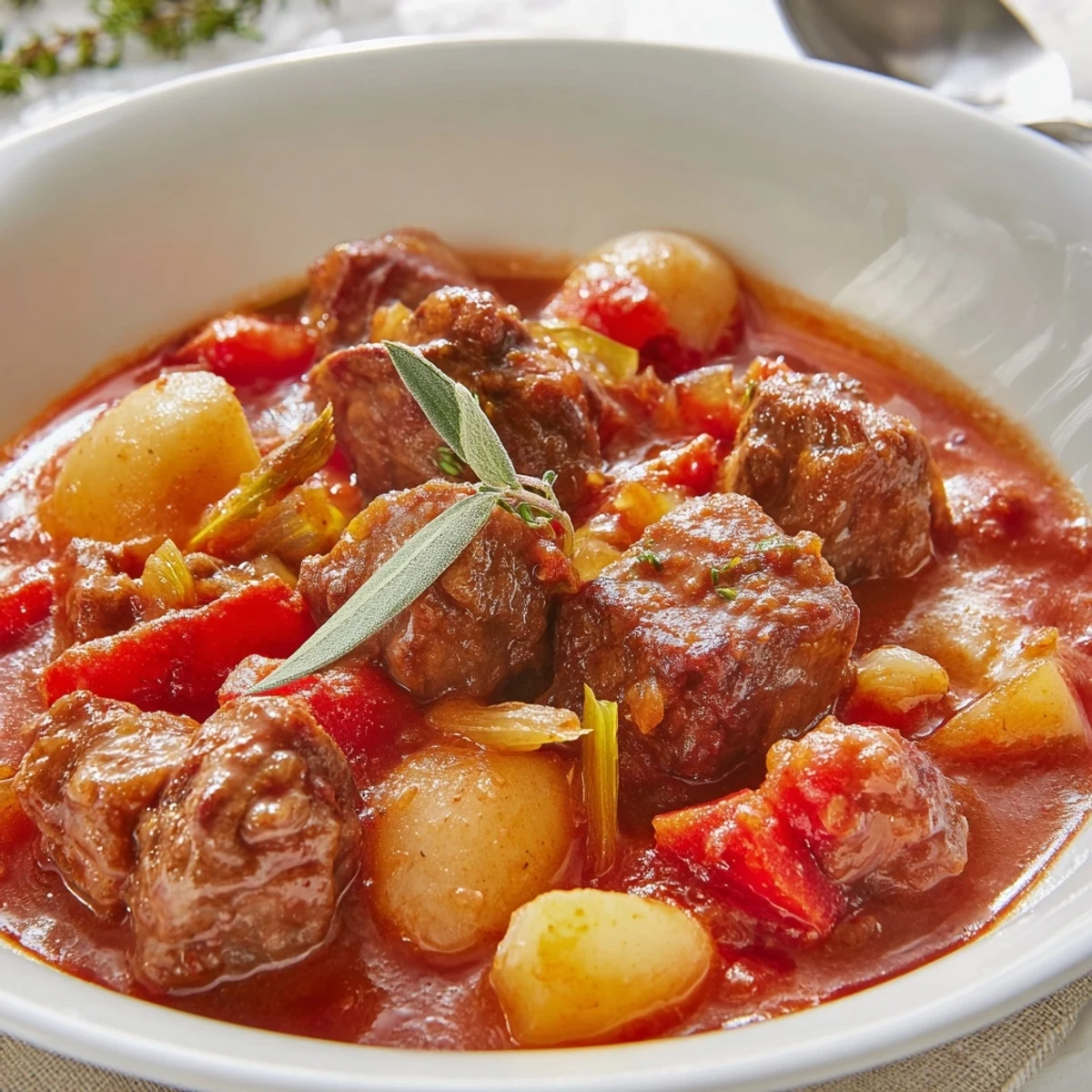
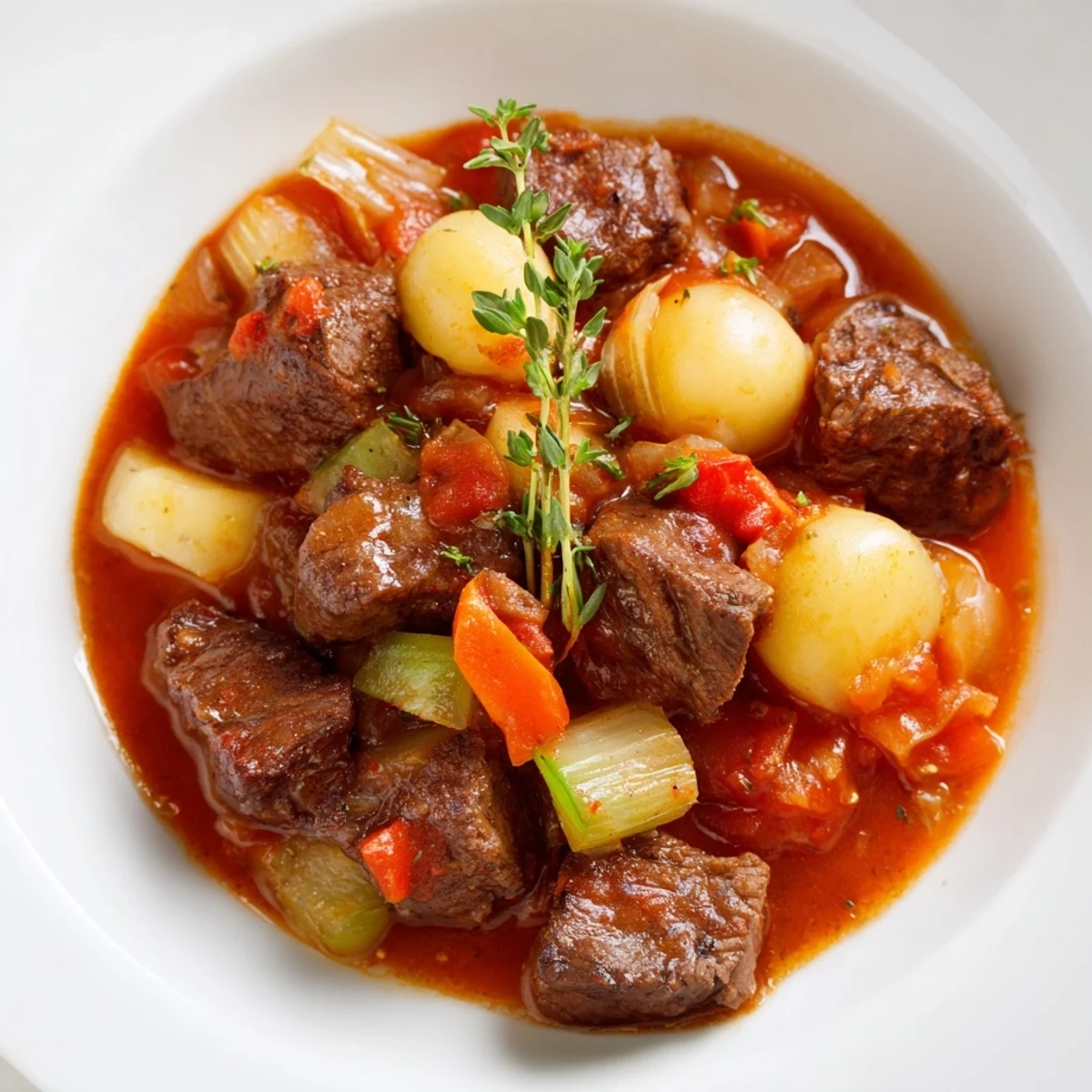
 Spezzatino di Manzo slow-braises beef chuck with onions, carrots, celery and garlic, then simmers in red wine, tomatoes and beef broth with bay, thyme and rosemary until the meat is fall-apart tender. Potatoes are added near the end to finish in the thickened sauce. Brown the meat, deglaze the pot, cook low and slow, adjust seasoning, and serve with polenta or crusty bread.
The rain hammered against the kitchen window that November evening in Bologna, and my host mother Lucia simply pointed at the pot on the stove and said this is what survival tastes like. The aroma drifting through her tiny apartment was almost aggressive in its warmth, a deep meaty perfume that made the damp cold outside feel like a conspiracy to keep you indoors. I leaned over the pot and understood immediately that spezzatino was not just stew, it was an argument for patience.
Lucia never measured anything and refused to write anything down, so I sat at her kitchen table with a notebook and guessed at quantities while she waved her wooden spoon at me disapprovingly. She browned the beef in three batches and told me rushing that step was the only unforgivable mistake. I have since tested her theory and she was, as usual, completely right.
Ingredients
- 800 g beef chuck, cut into 3 cm cubes: Chuck carries enough fat and connective tissue to melt into silk over a long braise, so do not be tempted by leaner cuts.
- 2 medium carrots, peeled and sliced: They dissolve partially into the sauce and give it a faint sweetness that balances the acidity of the tomatoes.
- 2 celery stalks, chopped: Celery is the quiet backbone of Italian soffritto, so do not skip it even if you think you hate it.
- 1 large yellow onion, finely chopped: A fine chop ensures the onion vanishes into the sauce rather than floating around in recognizable pieces.
- 2 medium potatoes, peeled and cubed: Added late so they hold their shape while still soaking up every drop of flavor.
- 2 cloves garlic, minced: Just two cloves keep the garlic present but never bossy.
- 400 g canned diced tomatoes: San Marzano if you can find them, because their lower acidity makes a noticeable difference.
- 500 ml beef broth: Homemade is ideal but a good quality store bought version works perfectly fine.
- 120 ml dry red wine: Something you would actually drink, because cooking wine is a lie that ruins good food.
- 2 tbsp tomato paste: This small amount concentrates the umami and deepens the color to a rich amber brown.
- 2 tbsp extra virgin olive oil: Use the good stuff here since it forms the flavor base for everything that follows.
- 2 bay leaves: Remove them before serving, but never skip them during cooking.
- 3 to 4 sprigs fresh thyme: Fresh thyme has a floral edge that dried thyme cannot fully replicate, though dried works in a pinch.
- 1 sprig fresh rosemary: A single sprig is enough because rosemary wants to dominate if you let it.
- Salt and freshly ground black pepper: Season in layers throughout the cooking process rather than all at once.
Instructions
- Prep and season the beef:
- Pat the cubes completely dry with paper towels and season them generously with salt and pepper. Wet meat steams instead of browning, so take the extra thirty seconds to dry each piece.
- Build the crust:
- Heat the olive oil in a heavy pot over medium high heat and brown the beef in batches, leaving space between each cube. Let them sit undisturbed until a deep brown crust forms before turning, and transfer each batch to a plate when done.
- Soften the vegetables:
- In the same pot with all those rendered juices, add the onion, carrots, and celery with a pinch of salt. Cook for about six minutes until everything softens and begins to smell sweet, then stir in the garlic for one final minute.
- Concentrate the base:
- Stir in the tomato paste and let it cook for two minutes until it darkens slightly. Pour in the wine and scrape up every browned bit from the bottom of the pot, letting the liquid reduce by half.
- Bring it all together:
- Return the beef and any collected juices to the pot, then add the diced tomatoes, broth, bay leaves, thyme, and rosemary. Stir well, bring to a gentle simmer, and cover the pot.
- The long wait:
- Cook over low heat for one and a half hours, stirring once or twice to make sure nothing sticks. This is when your kitchen starts smelling like a trattoria in the hills outside Florence.
- Finish with potatoes:
- Add the cubed potatoes, adjust the salt and pepper, and cook uncovered for another thirty minutes until the potatoes are tender and the sauce coats the back of a spoon.
- Rest and serve:
- Fish out the bay leaves and herb stems, then let the stew sit for five minutes off the heat. Serve in deep bowls over polenta or alongside crusty bread for sauce mopping.
 Save to Pinterest
 Years later I made spezzatino for a friend going through a brutal winter and she called the next morning to say she had eaten the leftover portion cold from the container standing in her kitchen at midnight. That specific image, someone eating cold stew in bare feet because it tasted too good to wait for the microwave, is the highest compliment I can imagine for any recipe.
What to Serve Alongside
Polenta is the traditional partner in northern Italy and it absorbs the sauce beautifully, but a loaf of rustic bread torn by hand works just as well on nights when stirring polenta feels like too much. Mashed potatoes are an unconventional choice that still makes perfect sense because they turn the whole bowl into something close to cottage pie. Avoid serving it over pasta since the stew is rich enough on its own and pasta would just compete for attention.
Worth Knowing About the Wine
Whatever red you pour into the pot should be something you would happily drink from a glass, and a Chianti or Barbera will give you that dry Tuscan edge the dish was built around. I once used an overly fruity Zinfandel and the stew turned cloying in a way that no amount of salt could fix. The wine reduces and concentrates, so its character multiplies by the time the sauce is finished.
Adapting This for What You Have
Peas and mushrooms both fold in beautifully during the last fifteen minutes if you want to stretch the stew or lighten it up a little. You can omit the potatoes entirely and serve it over something starchy instead, which effectively keeps the dish the same but changes the texture. The beef is nonnegotiable, but almost everything else bends to fit what is sitting in your refrigerator.
- Fresh herbs are worth the trip to the store but dried thyme and rosemary will get you eighty percent of the way there.
- A Parmesan rind tossed into the simmering liquid adds a savory depth that costs you nothing since you were going to throw it away anyway.
- Always taste for salt right before serving because long cooking can dull seasoning in unpredictable ways.
 Save to Pinterest
 This is the kind of recipe that asks almost nothing of you except time and trust, and it repays both generously every single time. Make it once and it will follow you home like a stray cat you never intended to adopt.
Your Recipe Questions Answered
- → Which cut of beef works best?
-
Beef chuck is ideal for long, moist cooking: it becomes tender and develops rich flavor as the connective tissue breaks down. Brisket or shin can be used as alternatives.
- → Can I skip the red wine?
-
Yes. Use extra beef broth and a splash of balsamic or vinegar to add acidity and depth if you prefer no wine; reduce slightly to concentrate flavor.
- → How do I thicken the sauce?
-
Reduce the braising liquid uncovered until it coats a spoon, or mash a few potatoes into the sauce. A cold beurre manié or slurry can be used sparingly for instant thickening.
- → When should I add the potatoes?
-
Add potatoes in the final 25–35 minutes so they become tender without overcooking and the sauce can finish concentrating around them.
- → How can I enhance the flavor overnight?
-
Cooling and refrigerating overnight allows flavors to meld. Reheat gently and skim any excess fat, then freshen with a splash of wine or broth and adjust salt and pepper before serving.
- → What are good serving pairings?
-
Serve with creamy polenta, mashed potatoes, or crusty bread to soak up the sauce. A rustic green salad or sautéed greens balance the richness.