
 Save to Pinterest
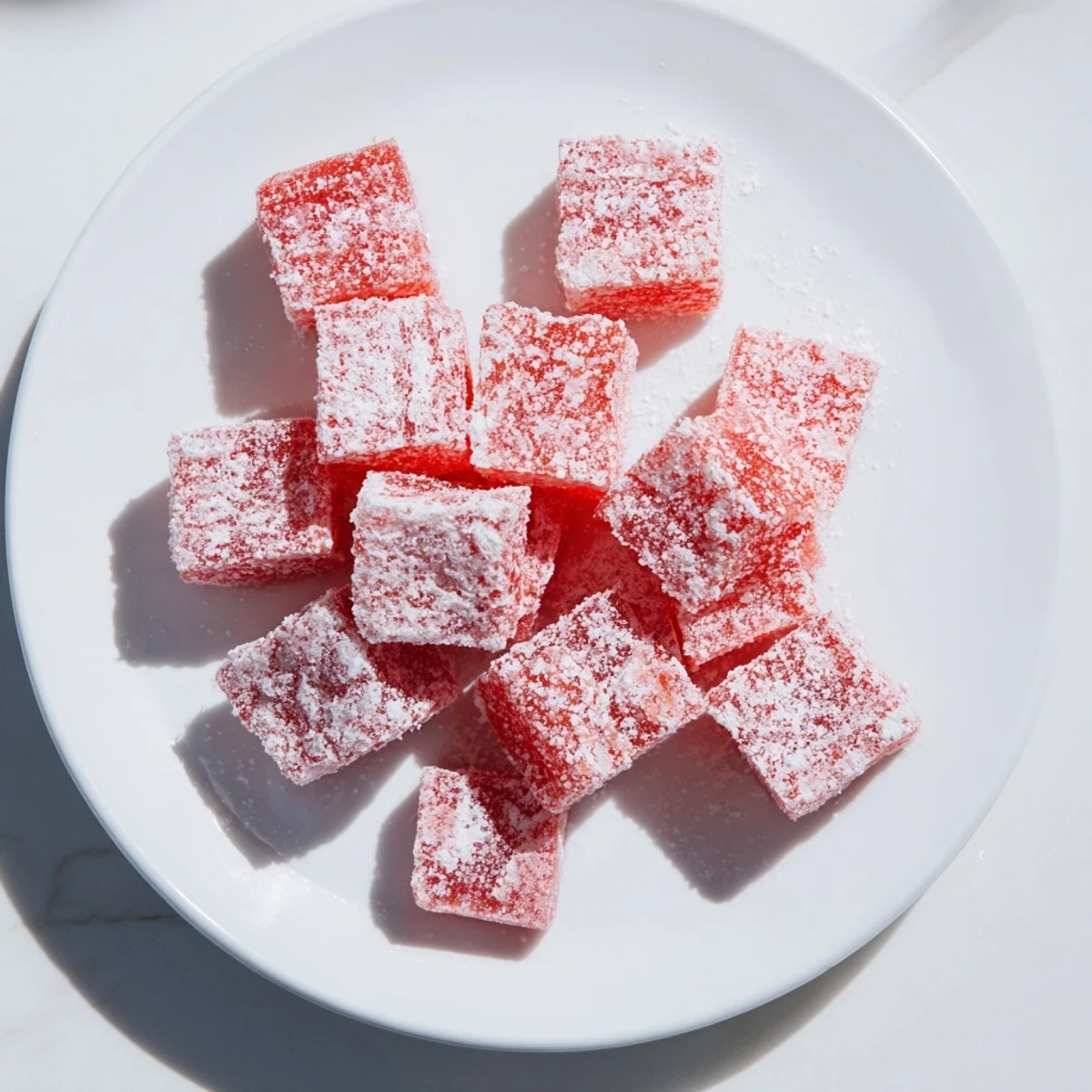
 Create these delightful chewy watermelon candies with a perfect balance of sweet and tangy flavors. The process involves combining fresh watermelon puree with gelatin and sugar, then coating each piece in a sour sugar mixture for that irresistible zing. These soft, fruity chews set beautifully in the refrigerator and can be customized with your favorite fruit bases. The result is a professional-quality confection that rivals store-bought varieties, ideal for party favors, holiday gifts, or satisfying your sweet tooth.
The summer I decided to make candy for the first time, my kitchen turned into a sticky science experiment. These watermelon chews were born from a craving for those sour gummies I loved as a kid, but with grown up flavors. After three attempts that either didnt set or turned into hard tack, I finally cracked the code. Now theyre the most requested treat at every gathering.
I remember bringing a batch to a Fourth of July barbecue and watching my friends faces light up with that first pucker. My neighbor asked if I could make them for her daughters birthday party, and suddenly I was the unofficial candy maker of the neighborhood. Theres something magical about transforming fresh fruit into something that feels so indulgent.
Ingredients
- 1 cup seedless watermelon puree and strained: Using fresh watermelon gives you that authentic flavor, but make sure to strain out all the pulp or your texture will be off
- 2 tablespoons lemon juice: This brightens the watermelon flavor and helps activate the gelatin properly
- 1/4 cup light corn syrup: The secret to keeping these chews soft instead of turning into hard candy
- 2 tablespoons unflavored gelatin powder: Don't try to substitute this, it creates the perfect chewy texture
- 2/3 cup granulated sugar: Dissolves into the fruit base to balance the sour coating
- 1/3 cup granulated sugar plus 1 tablespoon citric acid for coating: This is what gives you that satisfying pucker with every bite
Instructions
- Prep your pan:
- Line an 8x8 inch baking pan with parchment paper, then grease it lightly. This step saves you from the nightmare of stuck on candy later.
- Mix the fruit base:
- Combine your strained watermelon puree, corn syrup, and lemon juice in a small saucepan. Stir until everything is incorporated.
- Bloom the gelatin:
- Sprinkle the gelatin powder over the surface of your fruit mixture. Let it sit for 5 minutes until it looks like wrinkled skin on the surface.
- Dissolve everything:
- Add the sugar and warm over medium low heat, stirring constantly. Keep going until the gelatin and sugar completely disappear, but do not let it boil or youll ruin the texture.
- Set the candy:
- Pour into your prepared pan and smooth the top. Let it cool at room temperature for 30 minutes, then refrigerate for 2 hours until firm.
- Make the coating:
- Mix the sugar and citric acid in a bowl while the chews chill. The citric acid looks like sugar but packs serious sour power.
- Cut and coat:
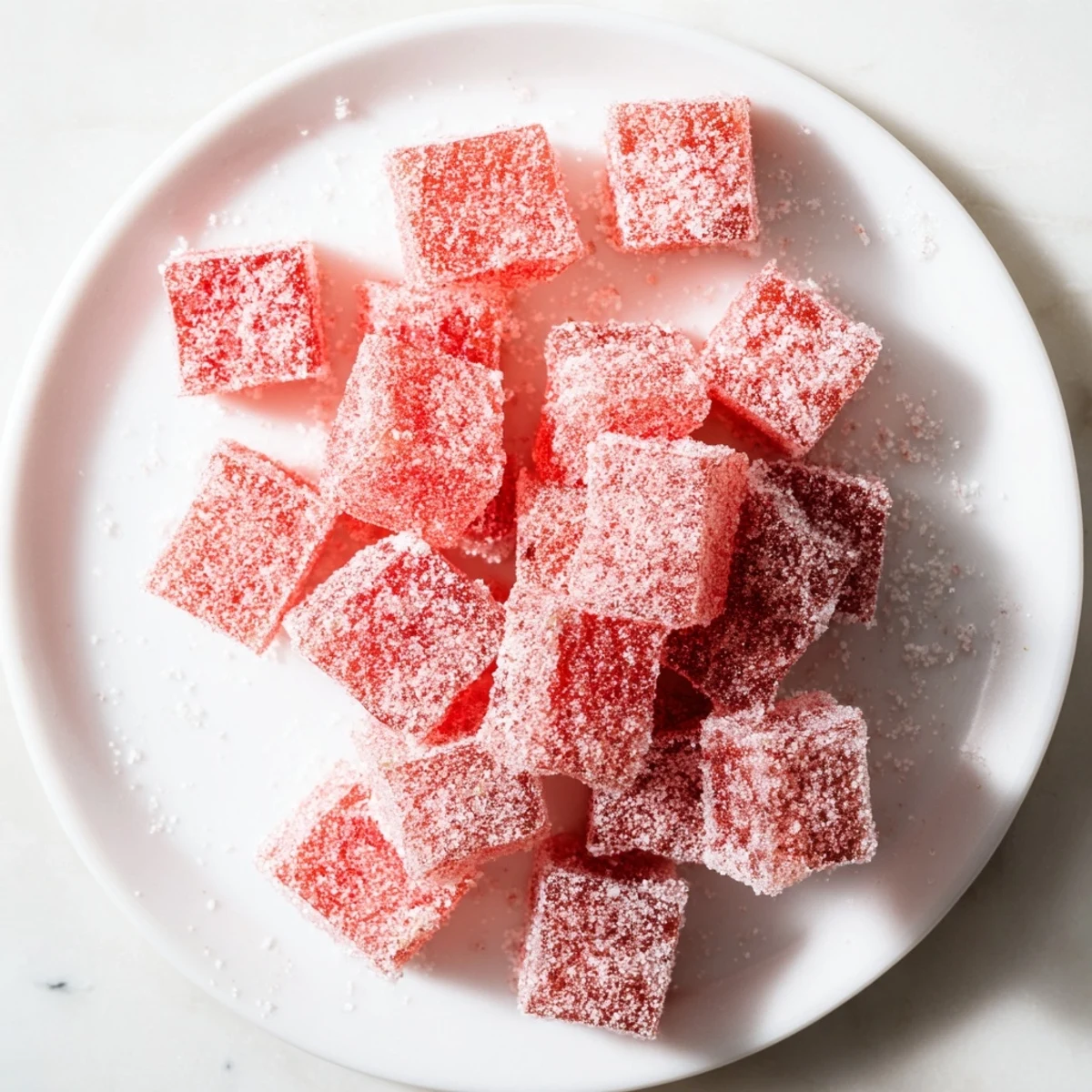
- Use a sharp knife to cut the set candy into small squares. Roll each piece in the sour sugar mixture until fully coated.
 Save to Pinterest
 These chews have become my go to homemade gift because they feel so special. Last Christmas I made little cellophane bags tied with ribbon, and my sister said they were better than anything from a fancy candy shop. Theres pride in handing someone something you made with your own hands.
Getting the Right Texture
Temperature control is everything when making candy. If your mixture gets too hot, youll end up with hard discs instead of chewy squares. I keep a close eye on the pan and lower the heat immediately if I see any bubbles forming.
Flavor Variations
While watermelon is my go to, this formula works with almost any fruit. Strawberry lemonade is fantastic, and peach mango tastes like sunshine. Just keep the same ratios and you can customize to your hearts content.
Storage and Serving
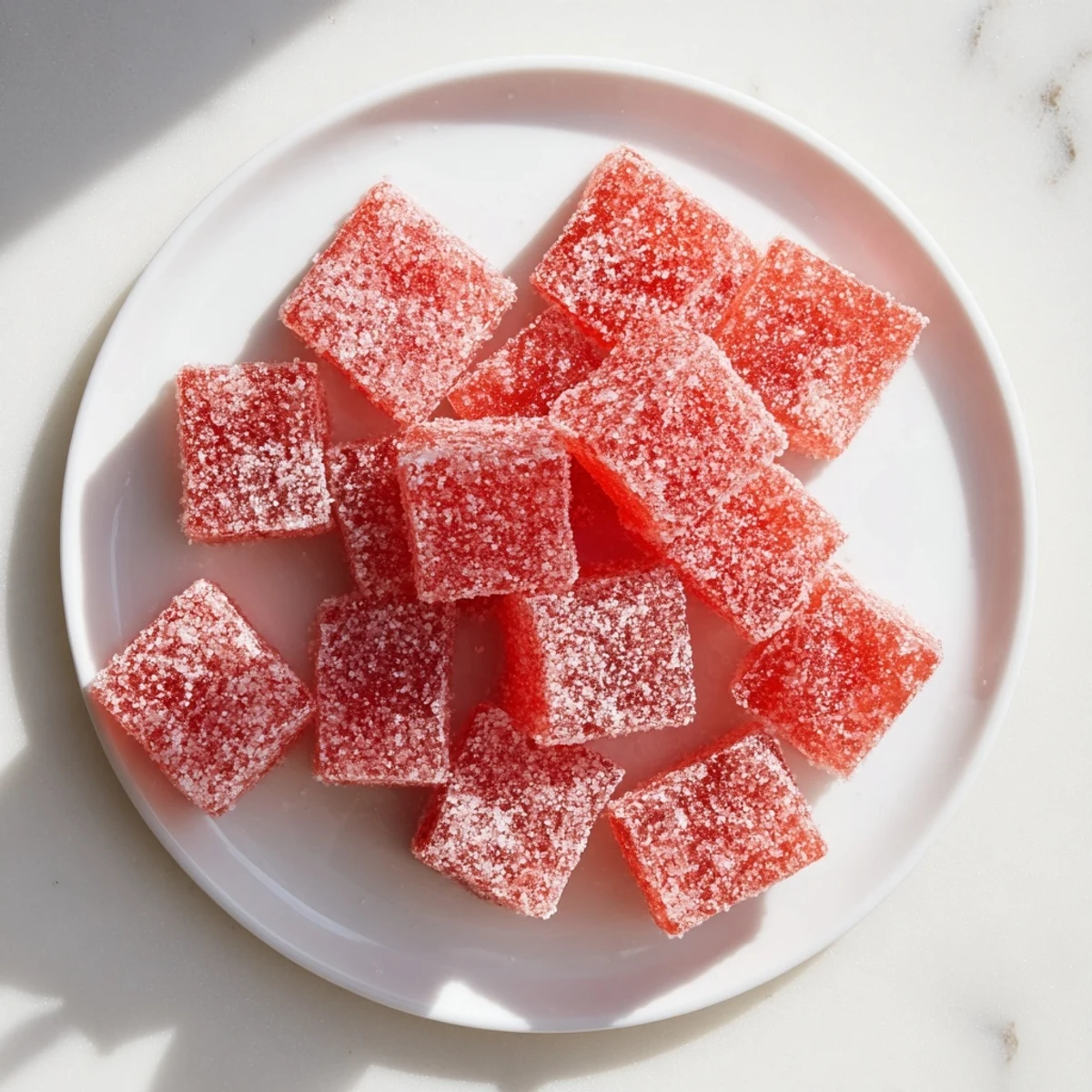
These chews need to stay separated or theyll stick together into one giant blob. I cut small squares of wax paper to layer between them in the container. Theyre best within a week, but honestly, they never last that long in my house.
- Use an airtight container to prevent them from drying out
- Keep them in the fridge if your kitchen runs warm
- Let them come to room temperature before serving for the best texture
 Save to Pinterest
 There is something deeply satisfying about making your own candy, especially when it tastes this good. Grab a few chews, share them with someone you love, and enjoy the sweet sour adventure.
Your Recipe Questions Answered
- → How long do sour watermelon chews stay fresh?
-
For optimal texture and flavor, consume these chews within one week. Store in an airtight container with wax paper between layers to prevent sticking. Keep at room temperature in a cool, dry place away from direct sunlight.
- → Can I make these without gelatin?
-
Gelatin is essential for the chewy texture in this recipe. For a vegetarian alternative, you could experiment with agar-agar, though the texture will be slightly different—firmer and less stretchy than traditional gelatin-based chews.
- → What fruits work well for this candy?
-
Beyond watermelon, try strawberry, raspberry, peach, mango, or pineapple puree. Each fruit brings its unique sweetness and acidity. Adjust sugar based on the fruit's natural sweetness level.
- → Why did my chews turn out too sticky?
-
Stickiness usually means the mixture didn't cook long enough or humidity is high. Ensure gelatin and sugar fully dissolve. If still sticky after setting, roll in additional sour coating or dust with extra powdered sugar.
- → Can I reduce the sugar in this recipe?
-
Sugar is crucial for texture and preservation in candy making. Reducing it significantly affects how the chews set and their shelf life. You can slightly decrease the coating sugar, but the base mixture needs specified amounts for proper gelling.
- → Where can I find citric acid?
-
Look for citric acid in the canning or baking aisle of well-stocked grocery stores, health food stores, or online retailers. It's also available at pharmacies sometimes. This ingredient provides that classic sour punch.