
 Save to Pinterest
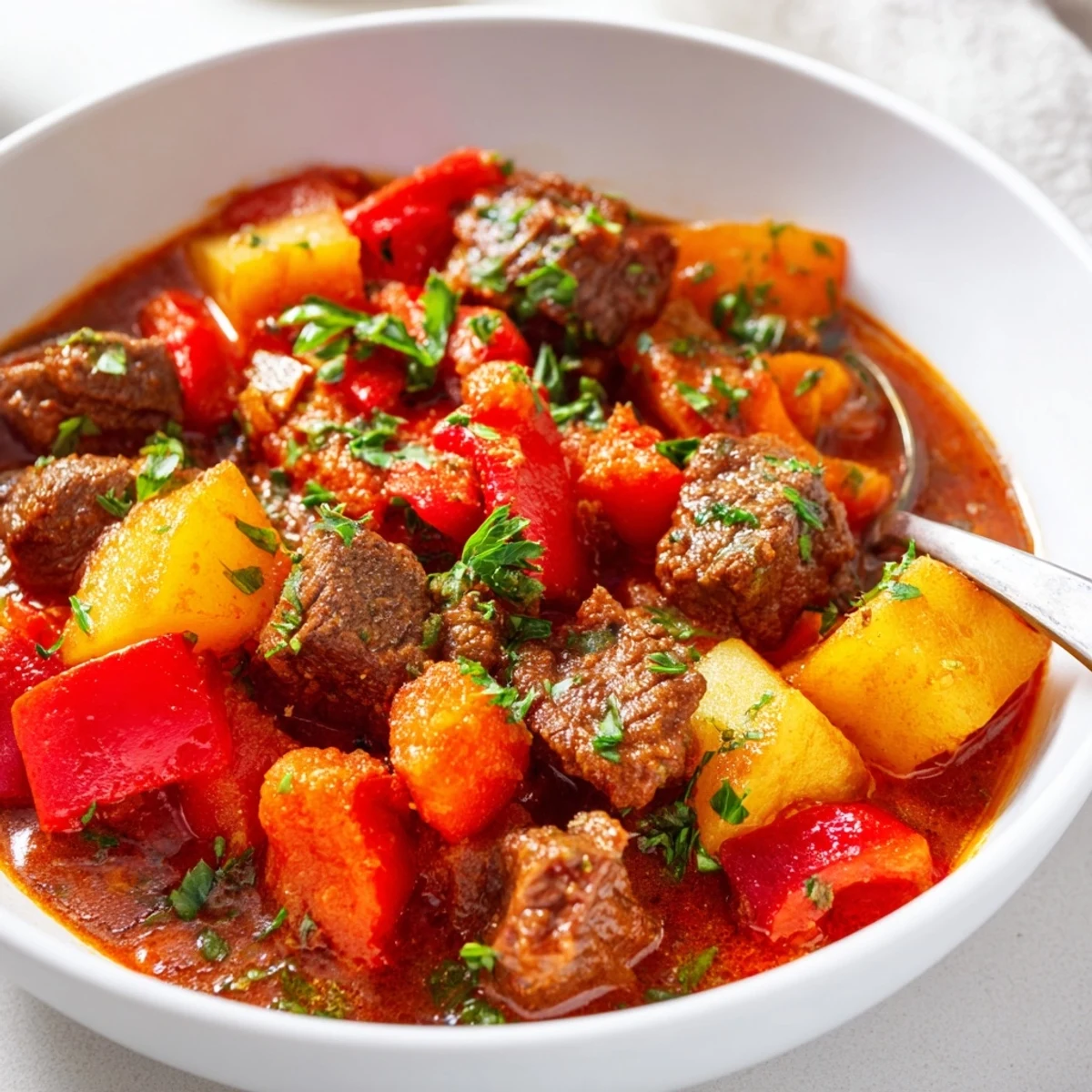
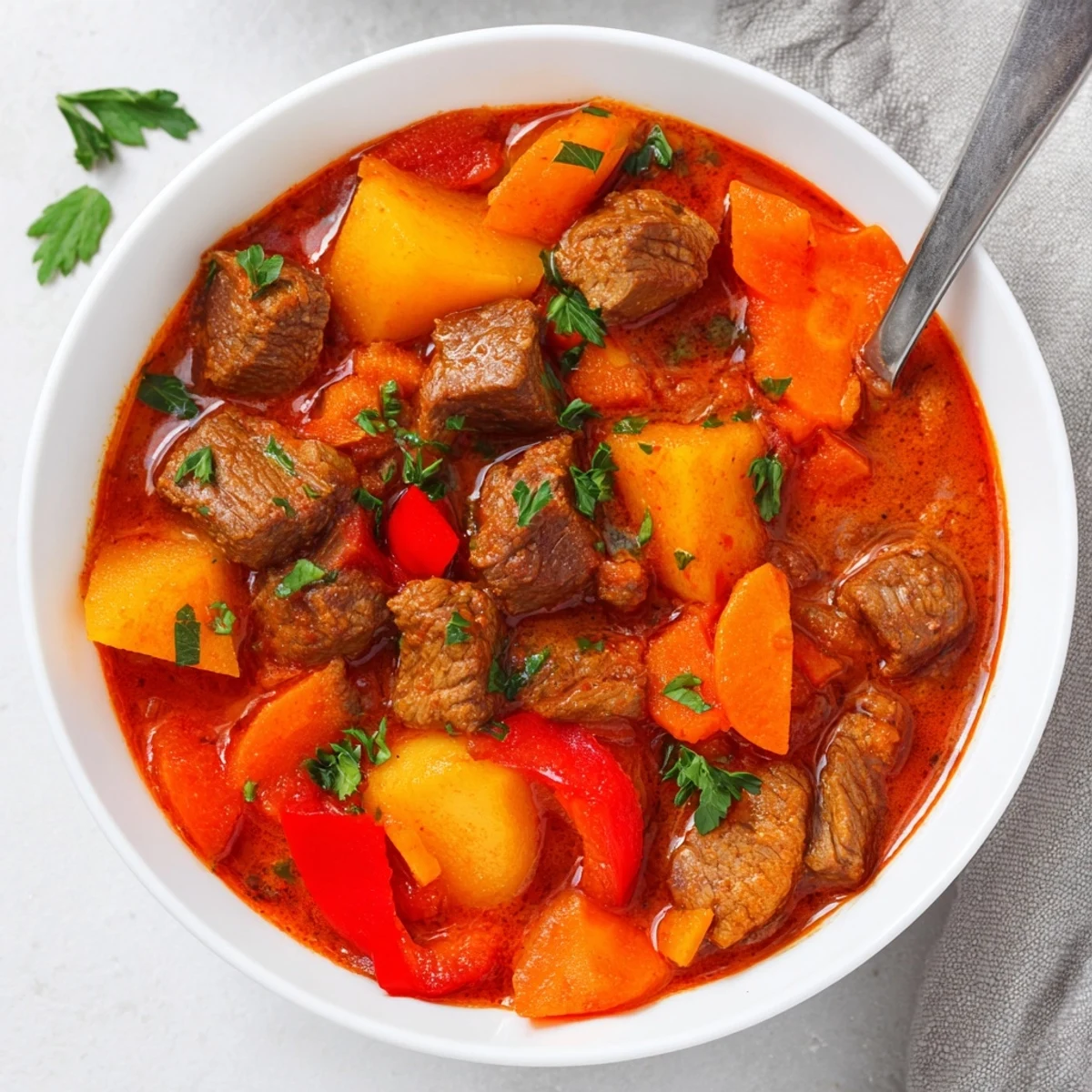
 This hearty Hungarian classic transforms beef chuck into melt-in-your-mouth tenderness through slow cooking. The signature paprika-infused sauce creates layers of warm, smoky flavor while onions, carrots, bell peppers, and potatoes absorb the rich broth. Six hours of gentle simmering allows the caraway seeds and marjoram to permeate every bite, resulting in a thick, satisfying stew that's perfect over crusty bread or egg noodles.
The first time Hungarian goulash filled my tiny apartment with its paprika perfume, my neighbor actually knocked on my door thinking I'd started a small, delicious fire. That deep, earthy aroma has been drawing people to kitchens for centuries, and now it's one of those meals I make when I need something that takes care of itself while I take care of everything else.
I served this at a winter dinner party once and watched my friend's eyes light up after the first bite. She had spent a semester in Budapest and said this transported her straight back to a tiny restaurant tucked away on a side street where she'd escape between classes. Food memory is powerful stuff.
Ingredients
- 2 lbs beef chuck: Chuck roast has the perfect marbling for long slow cooking, becoming meltingly tender while still holding its shape
- 2 large onions: Finely chopped onions practically dissolve into the sauce, building that essential sweet savory foundation
- 3 cloves garlic: Fresh minced garlic adds that aromatic backing note that makes everything taste more complete
- 2 large carrots: Carrots bring natural sweetness and color while absorbing all those gorgeous spices
- 2 red bell peppers: Red peppers add subtle sweetness and a beautiful contrast to the deep red sauce
- 3 medium potatoes: Potatoes thicken the stew naturally and make this a complete one pot meal
- 1 can diced tomatoes: The tomatoes provide acidity to balance the rich beef and sweet vegetables
- 3 tbsp Hungarian paprika: This is the soul of the dish, so buy the good stuff and store it away from light and heat
- 1 tsp smoked paprika: Optional but worth it for that subtle campfire depth that makes people ask what's different
- 1 tsp caraway seeds: These add a distinctive licorice like warmth that makes Hungarian goulash taste like Hungarian goulash
- 1 tsp dried marjoram: Marjoram has this woodsy slightly minty flavor that bridges the gap between sweet and savory
- 2 tsp salt and pepper: Season each layer as you go, building depth rather than adding it all at the end
- 2 bay leaves: These quietly work their magic in the background, adding subtle herbal notes
- 4 cups beef broth: Good quality broth matters since it reduces and concentrates over hours of cooking
- 2 tbsp tomato paste: This concentrated umami bomb deepens the color and enriches the sauce
- 2 tbsp flour: Optional thickener for when you want that perfect ladle coating consistency
- Fresh parsley: A bright finishing touch that cuts through the richness and makes everything look inviting
Instructions
- Sear the beef in batches:
- Get your skillet ripping hot and brown the beef cubes until they develop that gorgeous crust, working in batches so the pan doesn't cool down and steam the meat instead of searing it.
- Load the slow cooker:
- Pile in all those beautiful vegetables, the seared beef, and all your spices, letting everything mingle before you add the liquids.
- Add the cooking liquids:
- Pour in the beef broth and stir in the tomato paste, making sure to scrape up any flavorful bits from the skillet and add them too.
- Let it work its magic:
- Cover and set it to low for that hands-off transformation that turns tough chuck into something you can cut with a spoon.
- Thicken if desired:
- Whisk flour with cold water until smooth and stir it in during the last thirty minutes for a thicker, more spoon coating sauce.
- Finish with fresh herbs:
- Fish out those bay leaves, adjust the seasoning, and shower with fresh parsley before bringing it to the table.
 Save to Pinterest
 My grandmother would always say that goulash tastes best when shared, preferably with good bread and even better conversation. I've found she was right about both.
Making It Your Own
The beauty of this recipe is how forgiving it is. I've made it with pork shoulder when beef wasn't available, and though the flavor profile shifts slightly, the comfort remains exactly the same.
Serving Suggestions
Traditionalists will tell you to serve it with egg noodles or dumplings, but honestly, crusty bread for soaking up that incredible sauce is my personal weakness. Sometimes I'll make a quick green salad just to feel responsible about the vegetables.
Storage and Reheating
This goulash keeps beautifully in the refrigerator for up to four days and actually improves as the flavors have time to know each other better. Freeze portions for those nights when you need dinner ready before you even take off your coat.
- Let it cool completely before storing to prevent condensation from thinning the sauce
- Reheat gently over low heat, adding a splash of broth if it needs loosening
- The potatoes will soften more upon reheating, so don't worry if they seem slightly firm when you first store it
 Save to Pinterest
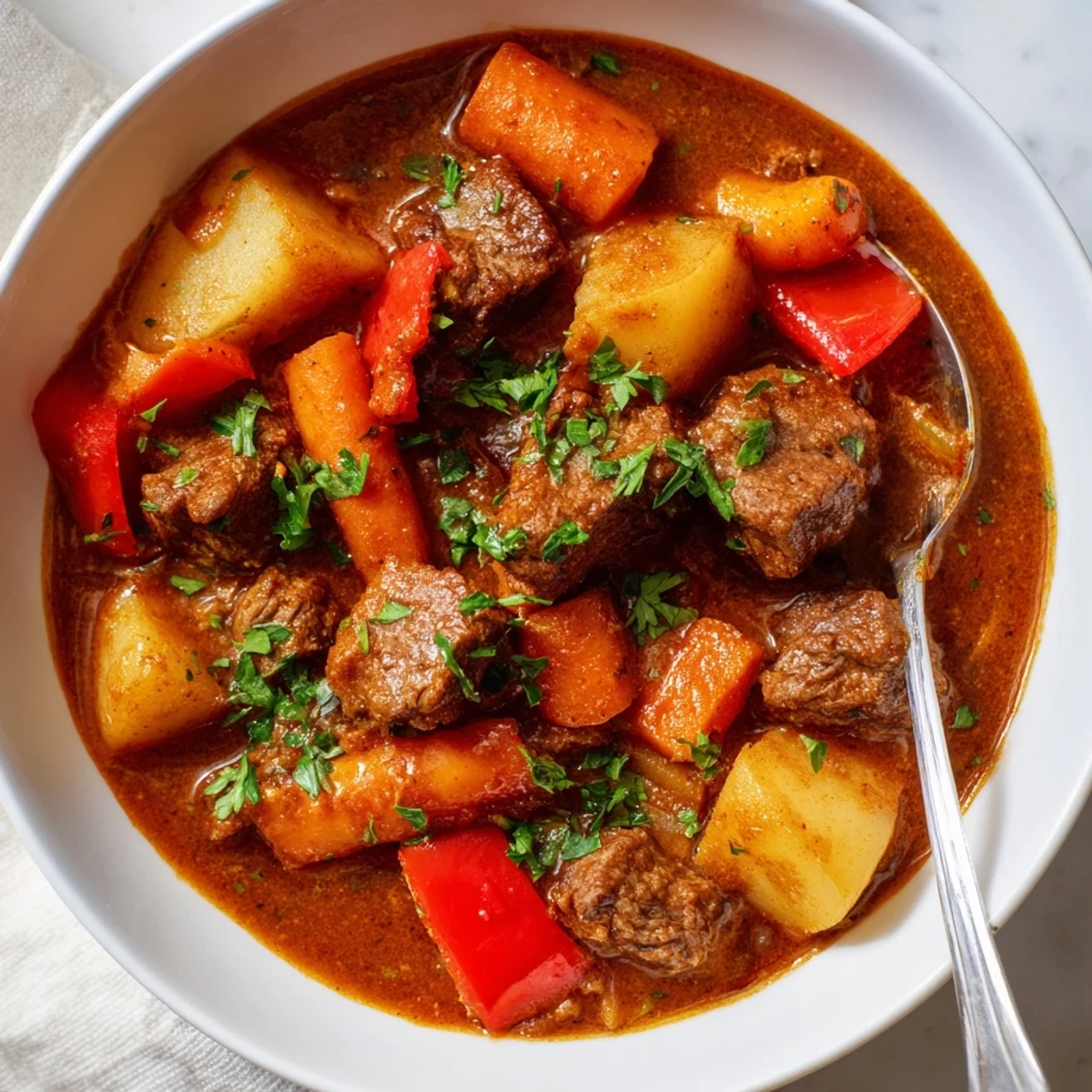
 There's something profoundly satisfying about a meal that rewards patience with such rich, complex comfort. This goulash is the kind of cooking that feels like love in a bowl.
Your Recipe Questions Answered
- → What cut of beef works best?
-
Beef chuck is ideal because it becomes tender during long cooking. The marbling breaks down beautifully, creating succulent chunks that melt in your mouth.
- → Can I make this spicier?
-
Absolutely. Add hot paprika or a pinch of cayenne with the sweet paprika. The heat balances the rich sauce and adds authentic Hungarian warmth.
- → What should I serve with goulash?
-
Crusty bread for dipping, egg noodles, or traditional dumplings all work wonderfully. The starch soaks up the flavorful paprika broth perfectly.
- → How do I store leftovers?
-
Refrigerate for up to 4 days or freeze for 3 months. The flavors actually deepen after a day, making it excellent for meal prep.
- → Can I use other meats?
-
Pork shoulder makes a delicious substitute with slightly different fat content. Adjust cooking time slightly but maintain the same seasoning ratios.