
 Save to Pinterest
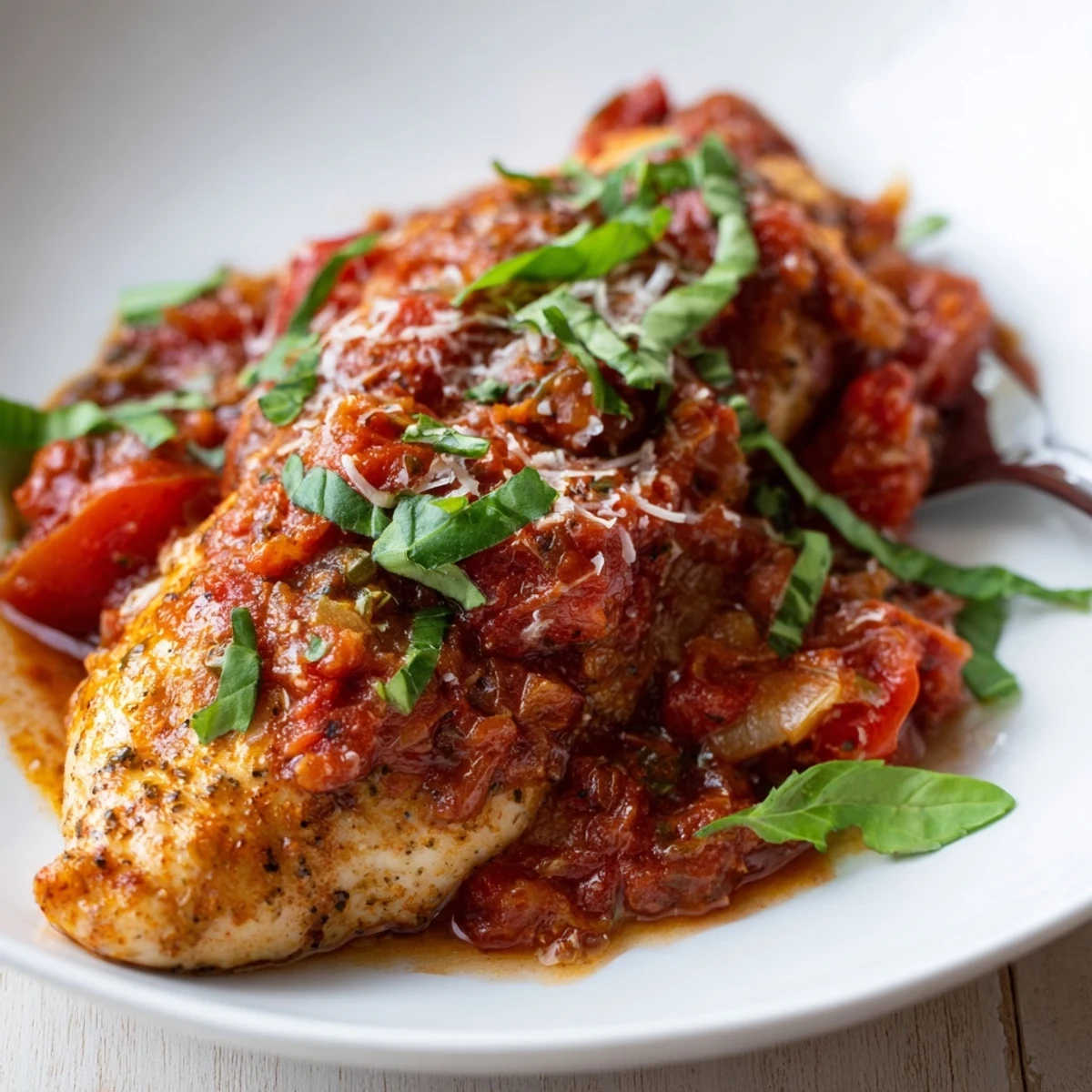
 Slow-cook boneless chicken breasts in diced tomatoes with onion, garlic and Italian herbs until fall-apart tender—4 hours on high or 6–8 on low. Stir in heavy cream during the last 10 minutes for a silkier sauce if desired. Finish with torn fresh basil and serve over rice, pasta or zucchini noodles. For deeper flavor, sear breasts briefly before adding to the cooker.
My slow cooker saved my sanity during a particularly brutal semester of night classes, and this tomato basil chicken was the recipe I threw together on autopilot at least twice a month. The smell of garlic and tomatoes wafting through the apartment by midafternoon made coming home feel like arriving at someone elses kitchen, the good kind where dinner is already taken care of. I still make it when I want something warm without thinking too hard.
My roommate Laura walked in one evening, took one sniff, and declared she was never leaving. She sat on the kitchen counter eating straight from the crock with a spoon while I was still plating mine, and honestly I joined her because doing dishes felt unnecessary at that point.
Ingredients
- 4 boneless, skinless chicken breasts: Try to buy ones of similar thickness so they finish cooking at the same time and nothing dries out while you wait for the thickest piece.
- 1 can diced tomatoes with juices: Do not drain them, the liquid is what builds the sauce and keeps everything moist during the long cook.
- 1 medium onion, finely chopped: Finely is the key word here because chunky onion bits in a slow cooker sauce never quite soften the way you want them to.
- 3 cloves garlic, minced: Fresh garlic only, the jarred stuff loses something after hours in a slow cooker.
- Heavy cream: Entirely optional but stirring it in at the end turns a rustic tomato sauce into something velvet smooth.
- Salt, pepper, oregano, dried basil, crushed red pepper flakes: The red pepper flakes are optional but I always add them because a gentle heat makes the tomato flavor pop.
- Olive oil: Just a splash for greasing the slow cooker and keeping the chicken from sticking to the bottom.
- Fresh basil leaves: Torn over the top at the very end, these make the dish taste alive rather than purely slow cooked.
Instructions
- Prepare the slow cooker:
- Rub the inside of your slow cooker with a thin coat of olive oil so the chicken releases easily when serving.
- Lay down the chicken:
- Arrange the four breasts in a single even layer across the bottom, nudging them apart so the sauce can surround every piece.
- Build the sauce:
- In a mixing bowl, stir together the diced tomatoes with their juices, chopped onion, minced garlic, salt, pepper, oregano, dried basil, and red pepper flakes until evenly combined, then pour the whole mixture over the chicken.
- Set it and forget it:
- Cover tightly and cook on low for six to eight hours or on high for four hours, resisting the urge to lift the lid because every peek adds cooking time.
- Finish with cream if desired:
- About ten minutes before you plan to eat, stir in the heavy cream and let it gently warm through, transforming the brothy tomato liquid into a luscious sauce.
- Serve with flair:
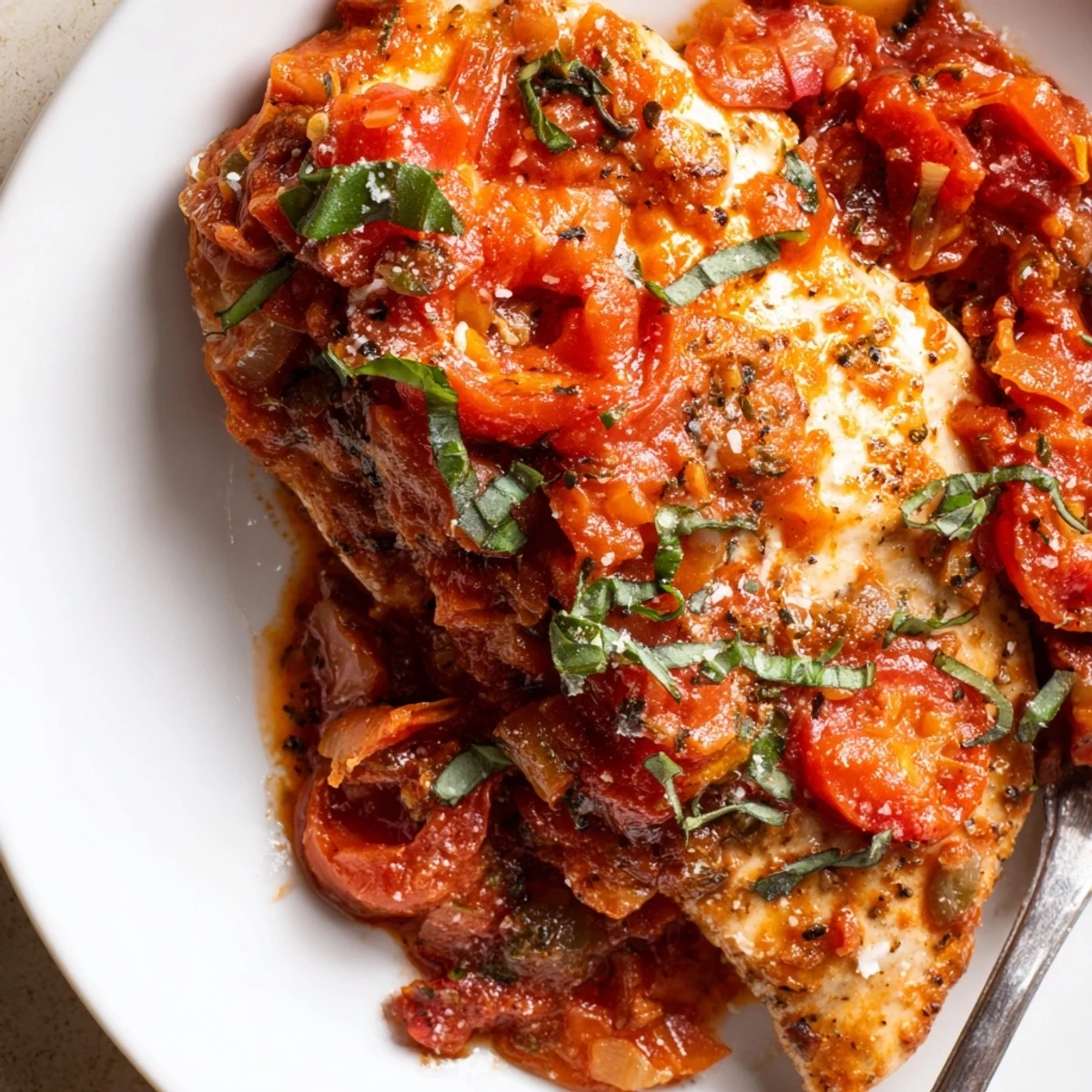
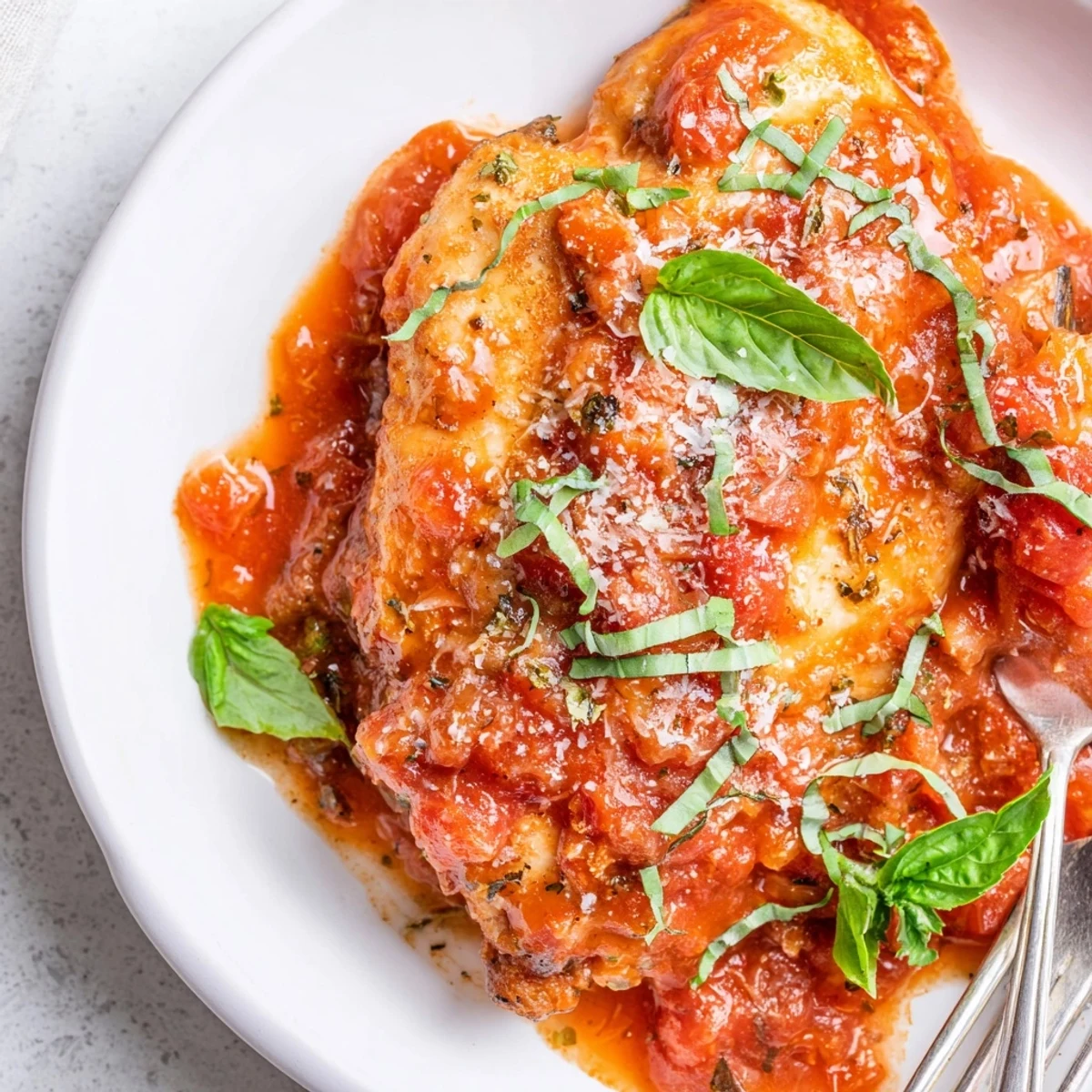
- Lift each breast onto a plate, spoon generous amounts of sauce over the top, and scatter torn fresh basil leaves across everything right before it reaches the table.
 Save to Pinterest
 This dish became my go to contribution for every potluck because I could plug in the slow cooker in someones kitchen and forget about it entirely until everyone asked what smelled so incredible.
What to Serve It With
Over buttered egg noodles it becomes pure comfort food, but spooned across zucchini noodles it stays light enough for a warm evening. Rice soaks up the extra sauce beautifully, and a hunk of crusty bread on the side means nothing goes to waste. I have also served it alongside a pile of roasted green beans when I wanted something that felt more complete without much extra effort.
Making It Your Own
Swap the chicken breasts for thighs if you prefer juicier, more forgiving meat that can handle longer cooking without drying out. Toss in a handful of spinach during the last twenty minutes if you want a vegetable folded right into the sauce. Sliced bell peppers add sweetness and color, and a generous shower of Parmesan over each plate never hurt anybody.
Tools and Storage
You really only need a slow cooker, a knife, a cutting board, a mixing bowl, and measuring spoons to pull this off. Leftovers keep in an airtight container in the fridge for three to four days and reheat gently on the stove or in the microwave. The sauce actually tastes better the next day because the flavors continue to meld overnight.
 Save to Pinterest
 Some recipes become staples because they are impressive, but this one earned its spot because it asks almost nothing of you and gives back so much warmth in return.
Your Recipe Questions Answered
- → Can I use chicken thighs instead of breasts?
-
Yes. Dark meat stays juicier and stands up well to long, moist cooking. Bone-in thighs may need a bit more time; adjust cook time and check doneness before serving.
- → How can I thicken the tomato-basil sauce?
-
Reduce with the lid off for 15–20 minutes, stir in a splash of cream, add a cornstarch slurry, or finish with grated Parmesan to enrich and slightly thicken the sauce.
- → What vegetables work well added to this dish?
-
Sliced bell peppers, mushrooms or chopped carrots can be added at the start. Delicate greens like spinach should be stirred in during the last 10–15 minutes so they don’t overcook.
- → How do I know the chicken is fully cooked?
-
Use an instant-read thermometer: the internal temperature should reach 165°F (74°C). The meat should be opaque and pull apart easily with a fork when done.
- → How should leftovers be stored and reheated?
-
Cool, then refrigerate in an airtight container for 3–4 days or freeze up to 3 months. Reheat gently on the stovetop, in the slow cooker on low, or in the microwave until steaming hot.
- → Can I skip or substitute the heavy cream?
-
Yes—omit for a lighter finish or use coconut milk or plain Greek yogurt (stirred in off heat) for creaminess. Taste and adjust seasoning after adding substitutes.