
 Save to Pinterest
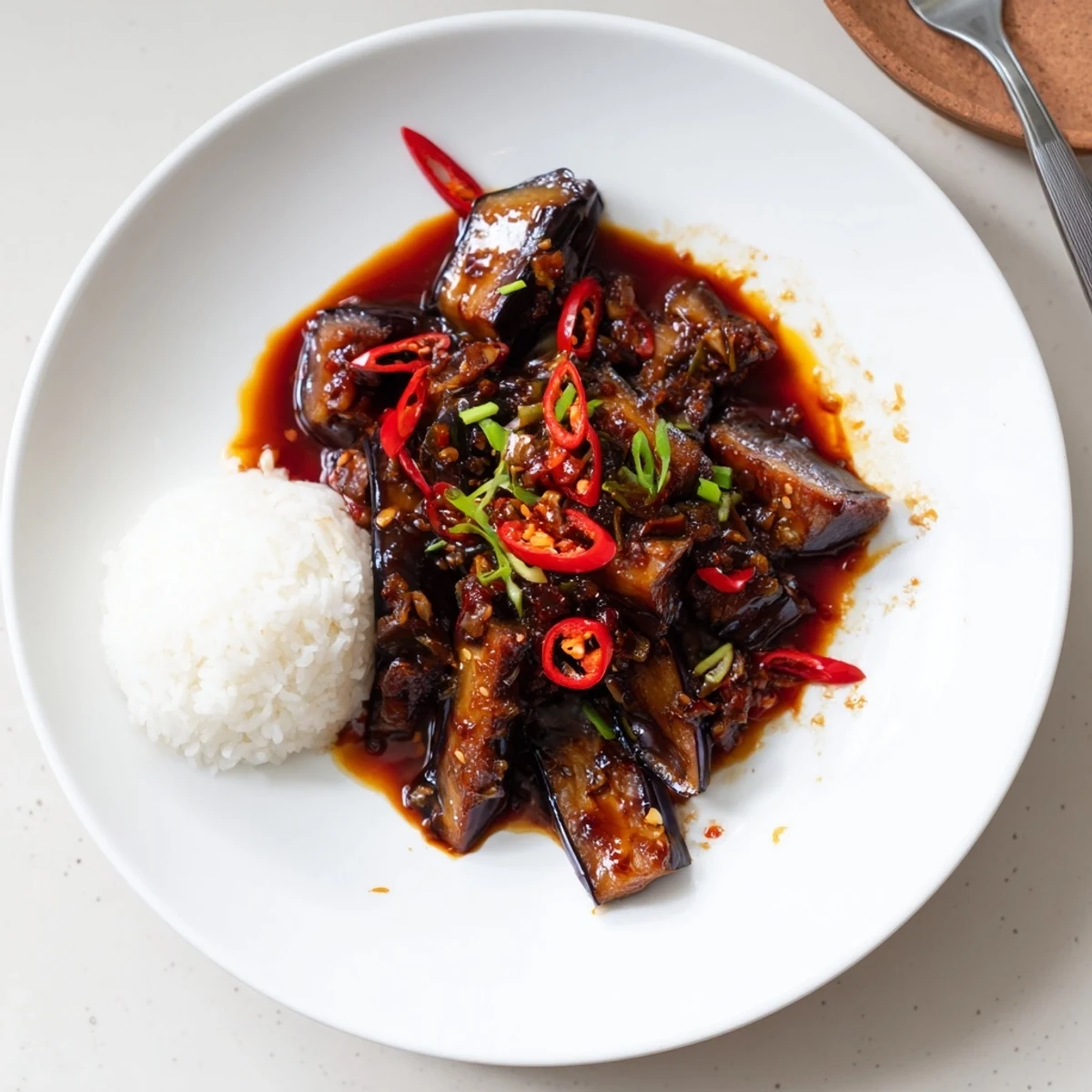
 This Sichuan-style braised aubergine starts by salting aubergine batons to draw out moisture, then frying until golden. Aromatics of ginger, garlic and optional chili are cooked with doubanjiang to build depth, then soy, vinegar and stock create a glossy sauce. Simmer 8–10 minutes, thicken with cornstarch, finish with sesame oil and spring onions. Ready in about 40 minutes; excellent with jasmine rice or noodles.
The heady perfume of ginger and chili wafts up the moment I toss aubergines into a sizzling wok—cooking this Sichuan classic always brightens a drizzly evening. I first tried this dish when a friend challenged me to recreate her favorite restaurant version, warning me, She’ll judge you by your aubergines. The pressure was real, but I soon found the magic’s all in the sauce: spicy, numbing, savory, and just sweet enough. A triumph or two later, now it’s the recipe I whip out to wow both skeptical parents and veggie-loving pals alike.
One time, we made a double batch for a lazy Sunday lunch, and the kitchen turned rowdy with laughter as we fished around for the last slippery piece left in the pan. Watching everyone huddle close, waving chopsticks and stealing sauces, I realized how perfect this dish is for sharing moments—messy hands, happy mouths and all.
Ingredients
- Aubergines (eggplants): Soaking them in salt first draws out bitterness and gives you that creamy inside after frying.
- Spring onions: Sprinkle these in at the end for a gentle bite and pop of color—worth it.
- Garlic: Freshly minced garlic amplifies the whole dish and brings out the ‘Sichuan’ punch.
- Ginger: I never skip ginger—it adds warmth that balances the spicy, salty flavors.
- Red chili: Optional, but sliced fresh chili lets you adjust the heat exactly how you like it.
- Doubanjiang: This fermented chili bean paste is the backbone—deep umami, a bit of heat, total game-changer.
- Soy sauce: A little goes a long way for salt and savory depth—use a favorite brand.
- Dark soy sauce: Just a splash; it brings a stunning dark color and richer taste.
- Rice vinegar: Cuts through the richness and keeps you coming back for more.
- Sugar: Only a hint, but it’s enough to tame the heat and round things out.
- Vegetable stock (or water): Helps meld all the flavors—stock gives more depth if you have it.
- Vegetable oil: Make sure it’s a neutral one for frying so the flavor stays clean.
- Sesame oil: Save this for a finishing drizzle—aromatic and nutty, it ties everything together.
- Salt: For drawing out the aubergines’ water and just enough to balance the dish.
- Cornstarch: Blended into a quick slurry, it thickens the sauce to lusciousness.
- Water: For mixing with cornstarch—don’t skip or the sauce will be runny.
Instructions
- Prep the aubergines:
- Scatter salt over the cut aubergine and leave them to sweat for ten minutes; this trick keeps the aubergines from soaking up too much oil. Give them a quick rinse, then pat dry—don’t be shy with the towel.
- Fry to perfection:
- Heat up your wok until it’s hot, add oil, and slide in the aubergine pieces—listen for that satisfying sizzle. Fry until golden and just tender, about 6–8 minutes, and set aside on paper towels to drain.
- Start the aromatics:
- Pour off any extra oil, but leave a slick in the pan. Add the minced ginger, garlic, and chopped chili; stir-fry for a minute until fragrant—there’s a burst of heat and savory aroma.
- Wake up the paste:
- Spoon in your doubanjiang and work it through the aromatics until the oil turns a fiery red and it smells irresistible.
- Combine and simmer:
- Tip the fried aubergine back in with the soy sauces, vinegar, sugar, and stock. Toss gently to coat, cover, and let it all bubble away together for 8–10 minutes so the flavors nestle into the aubergine.
- Thicken the sauce:
- Stir cornstarch with water, then pour the slurry into the pan and stir until the sauce becomes glossy and clings to everything.
- Finish and serve:
- Swirl in sesame oil, shower with spring onions, and bring straight to the table while steaming hot.
 Save to Pinterest
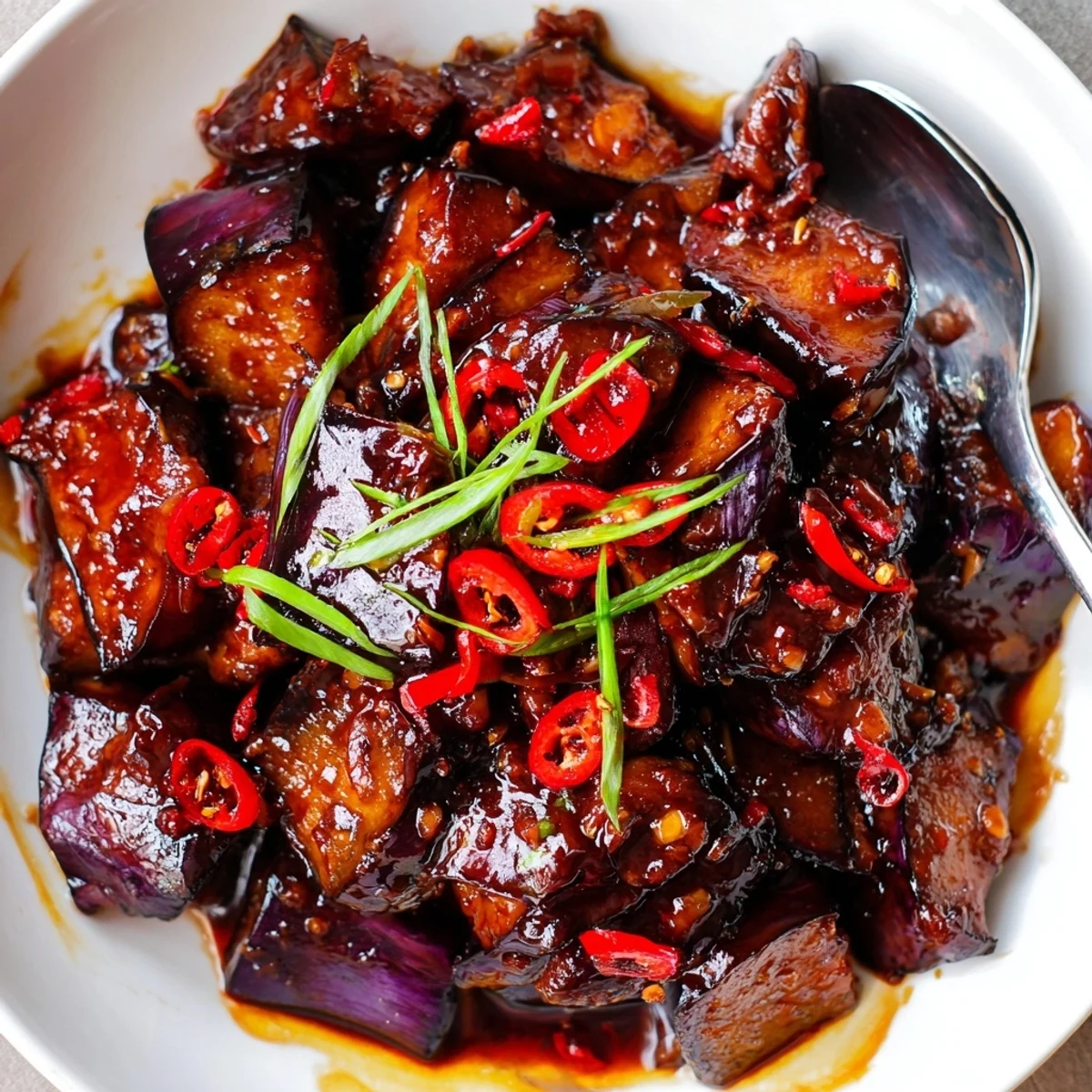
 After a rainy afternoon in the kitchen with friends, each mouthful—sticky, bold, and punchy—felt like a tiny feast. More than dinner, it turned our little apartment into a world away, filled with spicy air and grins all around.
Making Extra Saucy Aubergine
If you love your sauce extra, try doubling the stock and the seasonings; simmered a touch longer, the aubergine soaks up deeper flavor without getting mushy. I once did this by accident and it’s become the thing everyone asks for.
Taming the Spice
Doubanjiang differs by brand—some fiery, some mild—so always taste first and add chili accordingly. Once, I threw in a handful of Sichuan peppercorns, and everyone’s lips tingled for a full hour, so start slow if you’re spice-shy.
Serving and Leftovers
This dish is best piping hot, but leftovers transform into a delicious rice bowl for lunch the next day. Let the flavors mingle overnight and you might like it even better cold.
- Scatter roasted peanuts on top before serving for texture.
- Try pairing with quick stir-fried greens for a complete meal.
- Don’t forget to spoon up every drop of sauce with plain steamed rice.
 Save to Pinterest
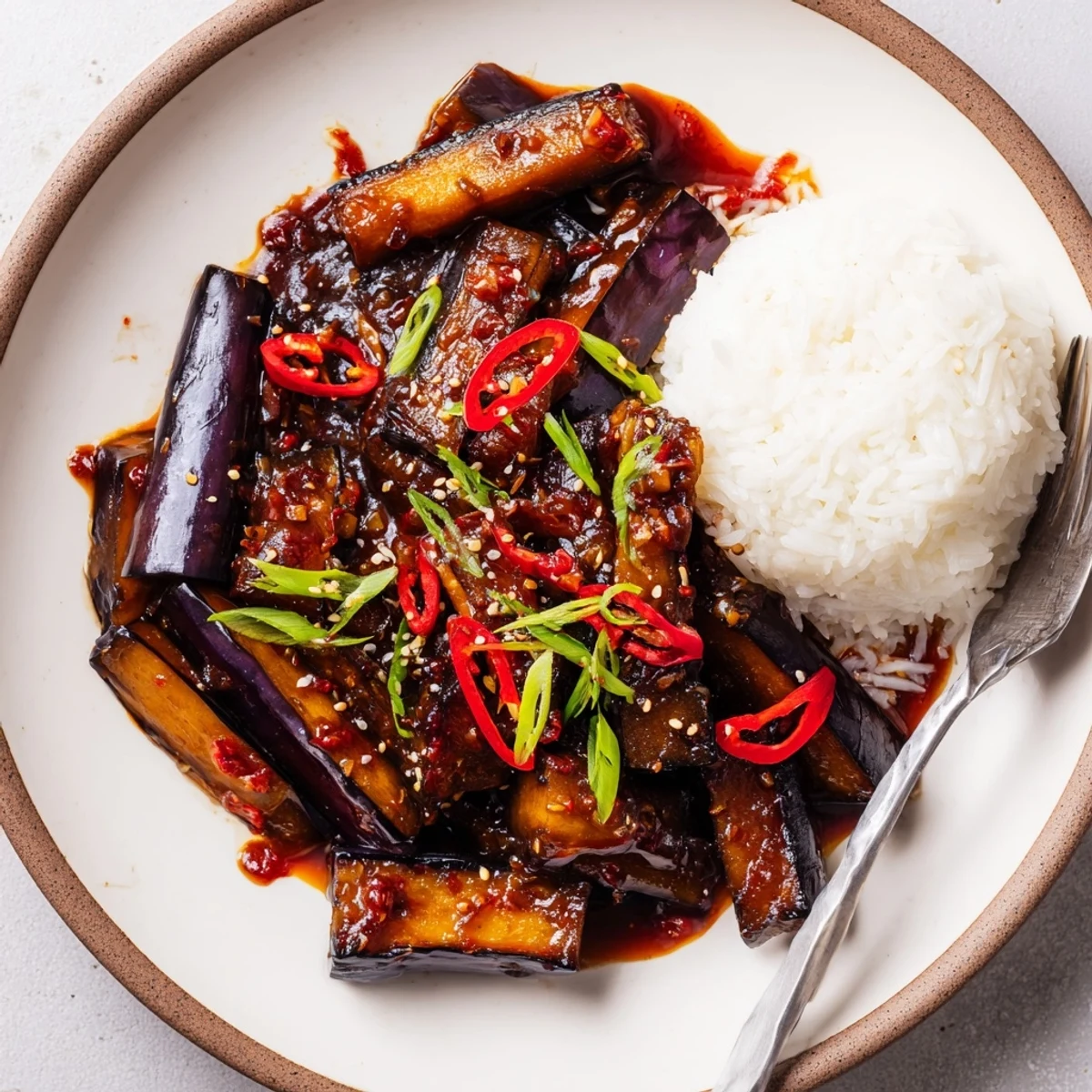
 Cooking is so much better when it becomes a shared, slightly chaotic event. I hope this Sichuan aubergine brings a similar spark of joy to your own table.
Your Recipe Questions Answered
- → How do I stop aubergine from absorbing too much oil?
-
Salt the aubergine and let it sit for 10 minutes, then rinse and pat dry; this draws out moisture. Fry in a hot pan in batches so pieces brown quickly rather than soak, and drain on paper towels.
- → Can I make this gluten-free?
-
Yes. Use a gluten-free tamari or soy alternative and check that doubanjiang and any fermented pastes are labeled gluten-free. Substitute any dark soy with a gluten-free dark soy alternative or reduced-sodium tamari plus a touch of molasses for color.
- → What can I swap for doubanjiang if unavailable?
-
Use a thick chili-garlic sauce mixed with a small spoon of miso or fermented bean paste to approximate the savory depth; note the flavor will shift but remain spicy and umami-rich.
- → How do I adjust the heat level?
-
Omit the fresh red chili and add less doubanjiang for milder spice. To raise heat, include Sichuan peppercorns with the aromatics and/or a pinch of chili flakes when finishing.
- → Can this be prepared ahead?
-
Yes. Cook through to the simmer stage, cool, then refrigerate. Reheat gently and thicken again with a little cornstarch slurry if the sauce has separated; fresh spring onions can be added just before serving.
- → What sides pair well with this dish?
-
Steamed jasmine rice or soft noodles absorb the sauce nicely. Serve with quick pickled cucumbers or a leafy green for contrast and brightness.