
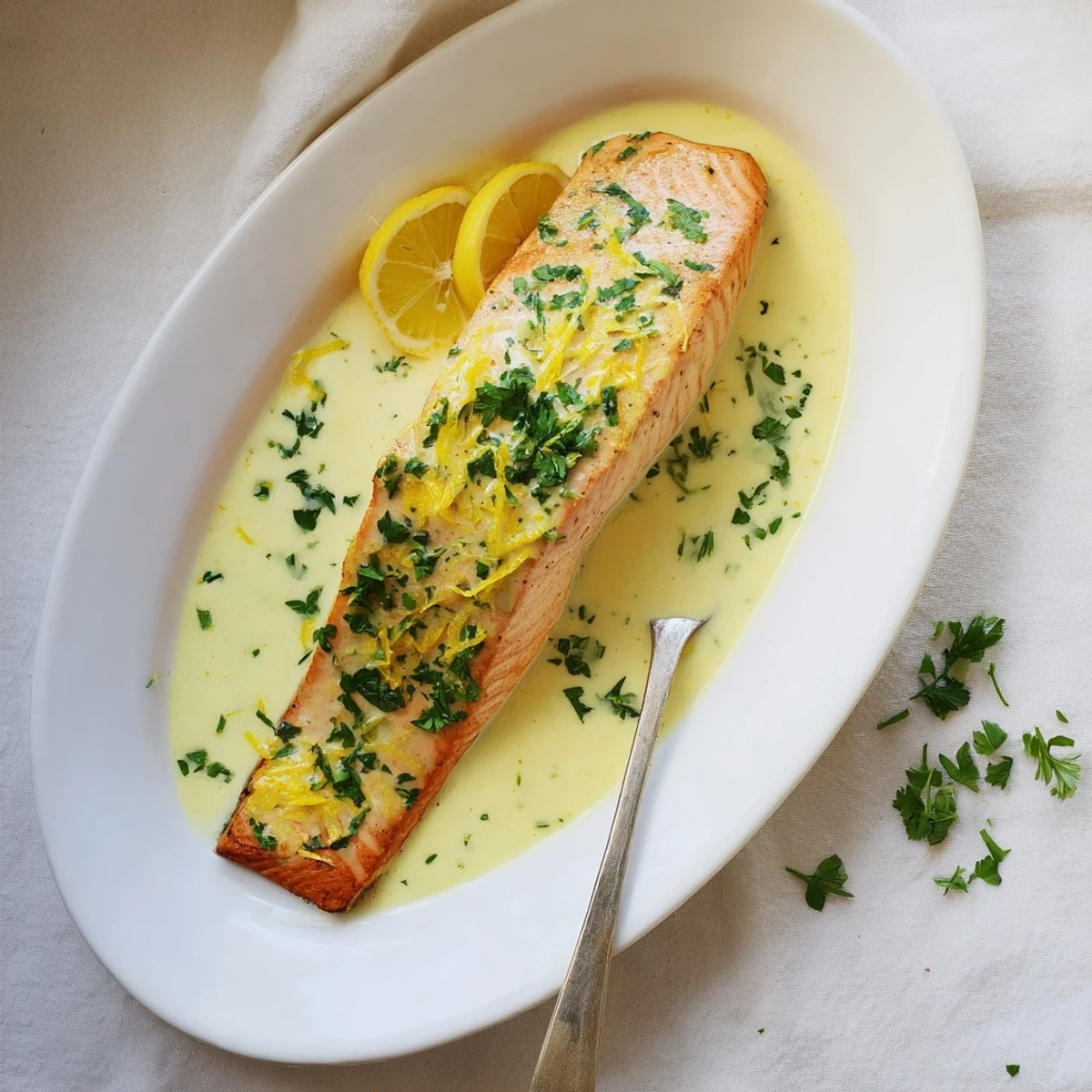
 Save to Pinterest
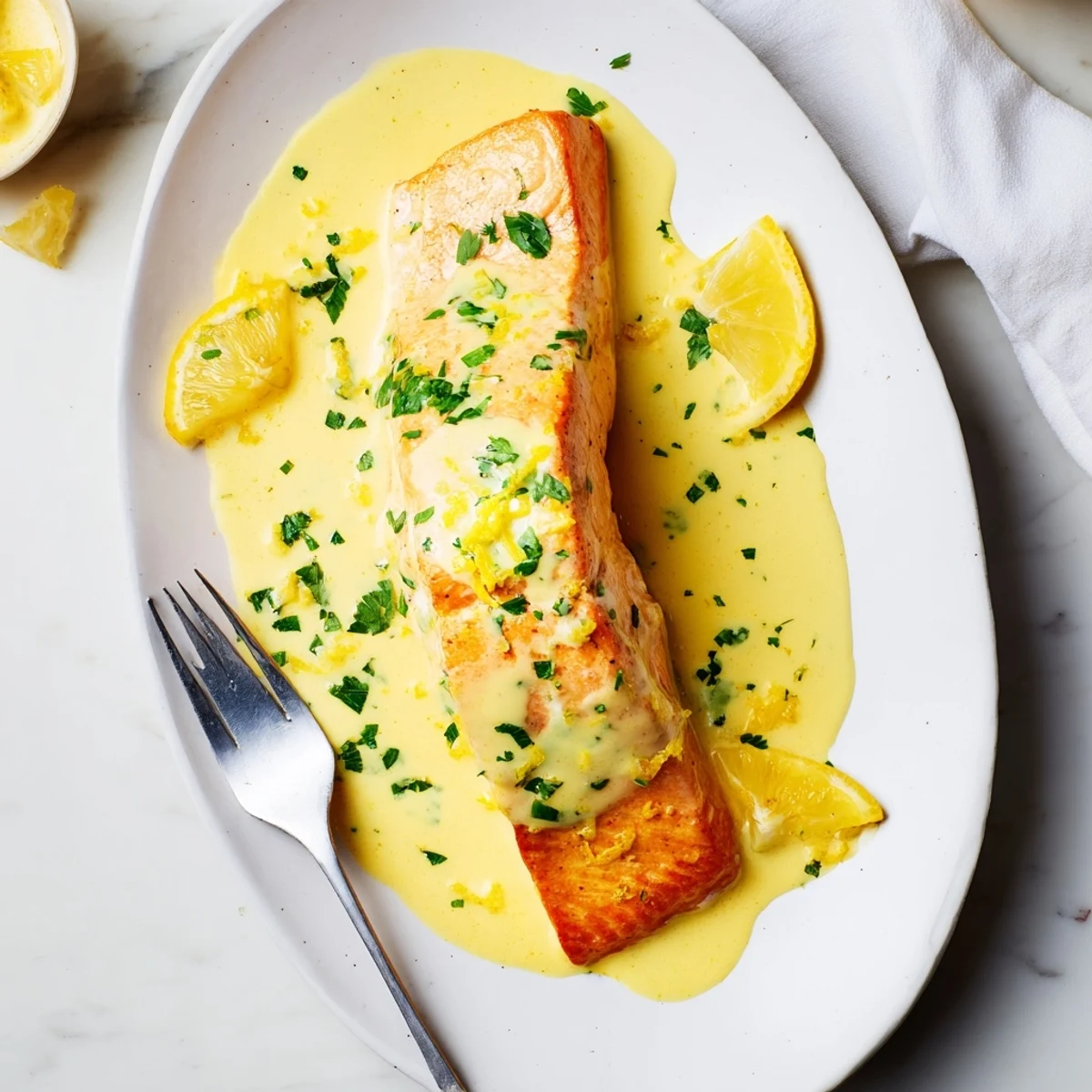
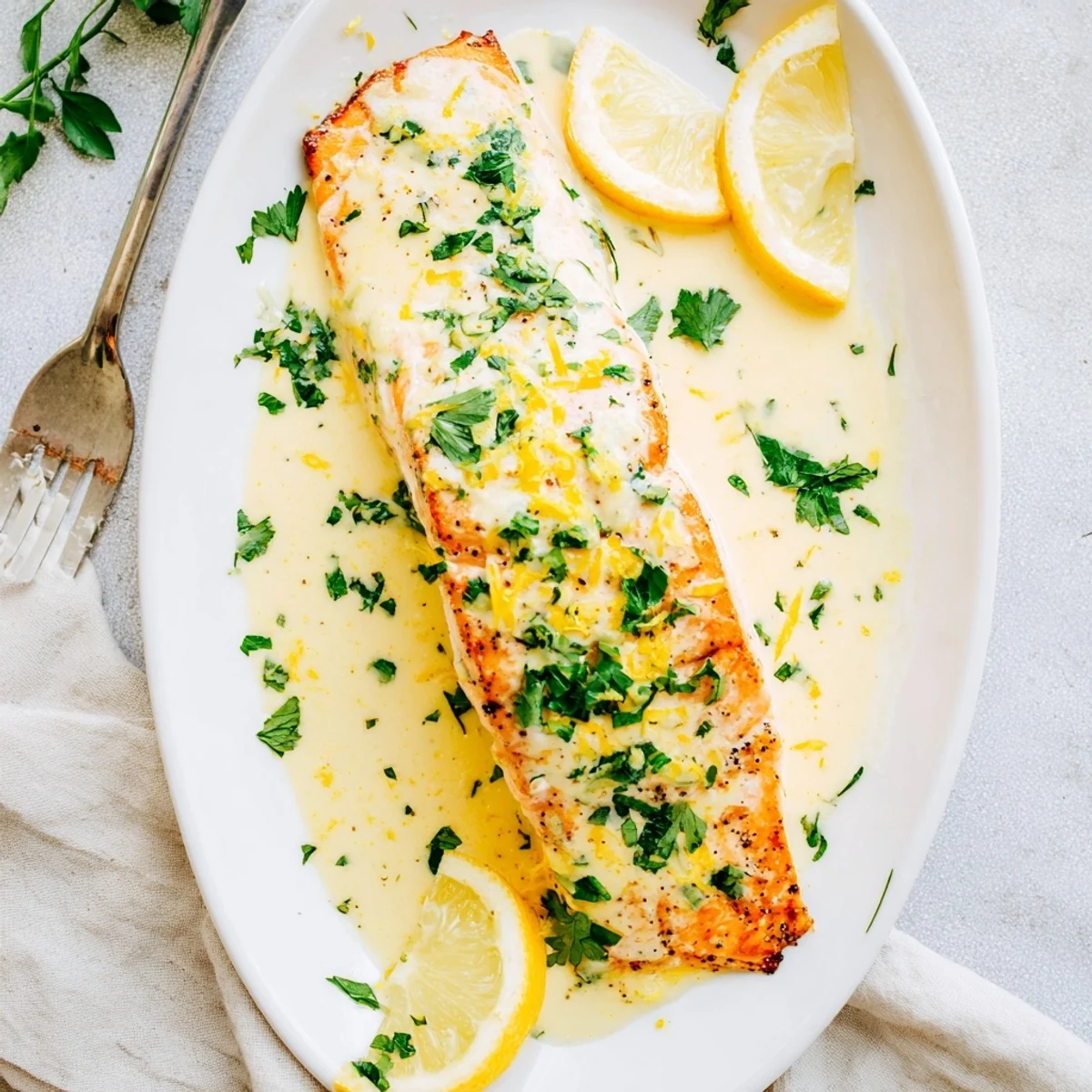
 This dish transforms simple salmon fillets into restaurant-quality fare with a luscious lemon-infused cream sauce. The fish develops a beautiful golden crust while remaining tender and flaky inside. The sauce strikes the perfect balance between rich creaminess and bright citrus notes, enhanced by aromatic garlic and Dijon mustard. Fresh parsley adds color and freshness to complete this sophisticated yet approachable main course. Ready from start to finish in just 30 minutes, it's equally impressive for casual weeknight dinners or special gatherings.
The sizzle of salmon hitting a hot pan is one of those sounds that instantly makes a kitchen feel alive, and on a rainy Tuesday evening when the fridge held nothing but a few fillets and a lonely lemon, that sound changed everything about how I cook on weeknights.
My partner walked in just as I was swirling cream into the garlicky butter residue and stopped mid sentence to say the kitchen smelled like France, which was the best unintentional compliment I have ever received over a weeknight dinner.
Ingredients
- 4 skinless salmon fillets, about 170 g each: Try to buy fillets of similar thickness so they cook evenly and you are not guessing which piece is done first.
- 2 tablespoons butter: Unsalted butter gives you full control over the seasoning and creates a richer, silkier sauce base.
- 2 cloves garlic, minced: Fresh garlic is nonnegotiable here because the jarred version lacks the sharp sweetness that balances the cream.
- 1 cup heavy cream: This is the backbone of the sauce, and reducing it even slightly gives you that luxurious, coating texture.
- Zest of 1 lemon: The zest carries all the bright aromatic oils without the acidity, so do not skip it or substitute dried zest.
- 2 tablespoons fresh lemon juice: Added after the cream simmers, the juice brings just enough tang to cut through the richness.
- 1 teaspoon Dijon mustard: A small amount acts as a quiet emulsifier and adds a subtle depth most people cannot quite identify but always love.
- 2 tablespoons fresh parsley, chopped: Stirred in at the end, parsley adds color and a fresh herbal note that lightens the whole dish.
- Salt and freshly ground black pepper: Season the salmon generously before searing and taste the sauce before serving to adjust.
- 1 tablespoon olive oil: Used for searing the salmon, olive oil handles high heat well and adds a mild fruity undertone.
Instructions
- Dry and season the salmon:
- Pat each fillet thoroughly with paper towels until the surface is completely dry, then season both sides generously with salt and pepper because a dry fillet is the only way to get a real crust.
- Sear the fillets:
- Heat olive oil in a large nonstick skillet over medium high heat until it shimmers, then lay the salmon in gently and let it cook undisturbed for four to five minutes per side until a golden crust forms and the fish flakes easily with a fork.
- Build the sauce base:
- Remove the salmon and keep it warm on a plate, then reduce the heat to medium, melt the butter in the same skillet, and sauté the minced garlic for about one minute until your whole kitchen smells incredible.
- Simmer the cream:
- Pour in the heavy cream and let it come to a gentle simmer, stirring occasionally so it does not scorch, then add the lemon zest, lemon juice, and Dijon mustard and let everything bubble together for three to four minutes until the sauce thickens enough to coat the back of a spoon.
- Finish the sauce:
- Stir in the chopped parsley, taste the sauce, and add more salt or pepper if needed because the cream mellows everything and you want the seasoning to be bold.
- Bring it all together:
- Return the salmon fillets to the skillet and spoon the warm sauce over the top, letting them simmer gently for two to three minutes so the fish absorbs some of that lemony cream flavor before serving immediately with extra parsley or lemon slices.
 Save to Pinterest
 Serving this on mismatched plates with steamed broccoli and a glass of cold white wine turned an ordinary weeknight into the kind of dinner that makes you pause and appreciate being home.
Serving Suggestions Worth Trying
Mashed potatoes soak up the lemon cream sauce beautifully, but if you want something lighter, a bed of sautéed spinach or a simple arugula salad with olive oil works just as well. Rice is another quiet companion that lets the sauce shine without competing for attention.
What I Learned From Making Mistakes
Crowding the pan with more than two fillets at a time drops the temperature too fast and steams the salmon instead of searing it, so cook in batches if your skillet is not large enough to hold all four with space between them. The extra few minutes are worth the golden crust.
Wine Pairing and Leftover Thoughts
A crisp Sauvignon Blanc or a lightly oaked Chardonnay mirrors the citrus notes in the sauce and makes the whole meal feel a bit more considered, even on a Wednesday. Leftover salmon keeps well in the refrigerator for up to two days and reheats gently in a covered skillet over low heat so the sauce does not separate.
- Add a splash of white wine to the sauce right after the garlic for an extra layer of flavor that cooks off almost entirely.
- A pinch of red pepper flakes in the cream gives a gentle warmth that balances the lemon without making it spicy.
- Taste the sauce one last time right before spooning it over the fish because the final adjustment always matters most.
 Save to Pinterest
 This is the kind of recipe you memorize after making it twice, and it will serve you well on nights when you want something impressive without reaching for a cookbook.
Your Recipe Questions Answered
- → How do I know when the salmon is perfectly cooked?
-
The salmon is done when it reaches an internal temperature of 145°F (63°C) or flakes easily with a fork. For medium-rare to medium, aim for 125-130°F internally before removing from the heat, as the fish will continue cooking slightly while resting.
- → Can I use salmon with skin?
-
Absolutely. Skin-on salmon works beautifully and helps keep the fish moist. Sear skin-side down first for 4-5 minutes to achieve crispy skin, then flip carefully to finish cooking the other side.
- → What can I substitute for heavy cream?
-
Half-and-half creates a lighter sauce, though it won't thicken quite as much. Coconut cream works for dairy-free options but will add subtle coconut flavor. For a keto-friendly alternative, use full-fat coconut milk or add a cream cheese splash.
- → How can I prevent the sauce from curdling?
-
Keep the heat at medium or lower once adding the cream. Avoid boiling vigorously. Room temperature cream incorporates more smoothly than cold cream, and stirring continuously helps maintain emulsion.
- → What sides pair well with this salmon?
-
Steamed asparagus, roasted Brussels sprouts, or sautéed spinach complement the rich sauce. For starch options, try garlic mashed potatoes, wild rice, or crusty bread to soak up extra sauce. A crisp green salad with vinaigrette provides refreshing contrast.
- → Can I make this ahead?
-
The sauce can be made up to 2 days ahead and gently reheated. However, salmon is best served immediately after cooking. If meal prepping, store the sauce and cooked salmon separately, then reheat gently and combine just before serving.