
 Save to Pinterest
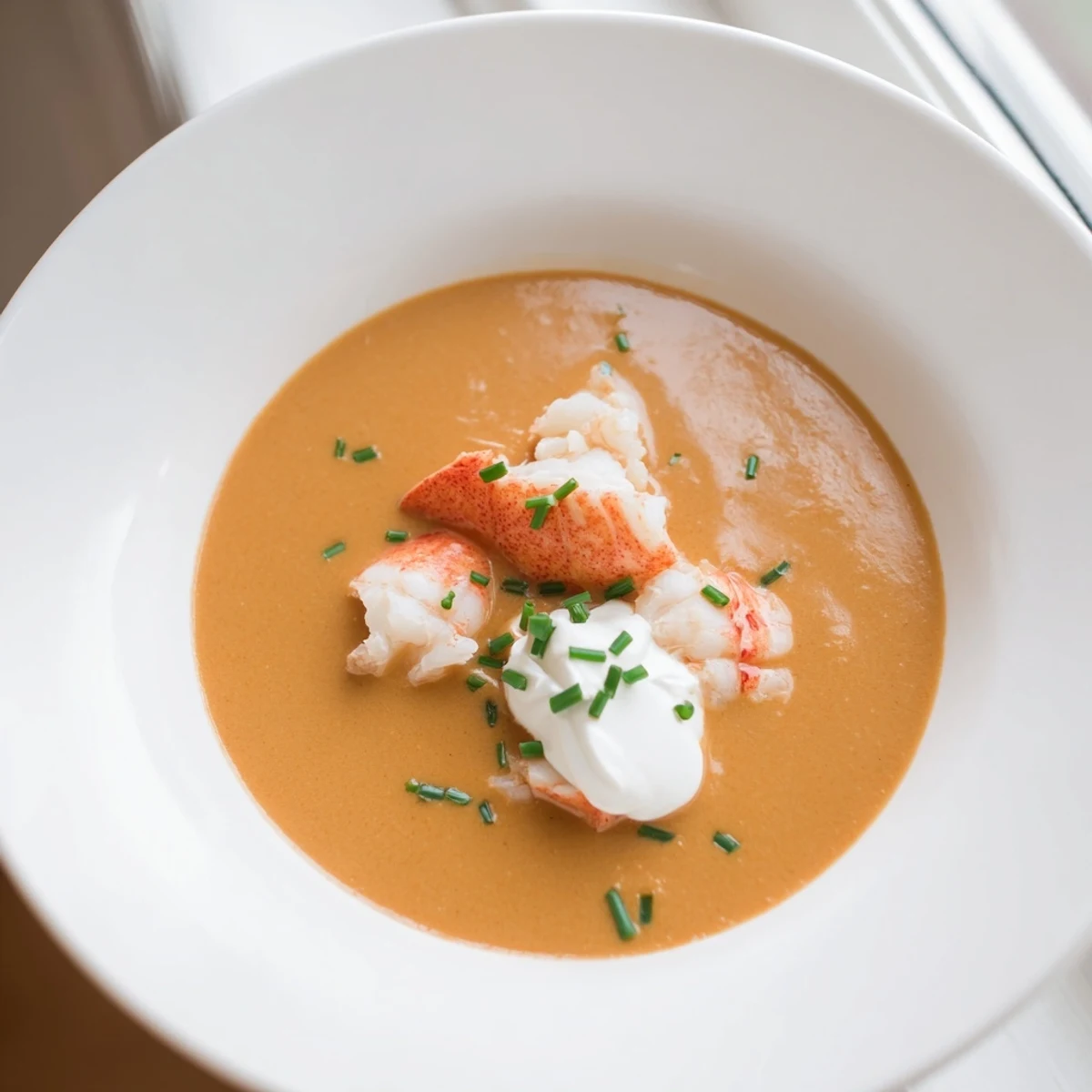
 This elegant seafood bisque highlights tender lobster meat simmered with aromatic vegetables and enriched with cream. The subtle acidity of sherry vinegar balances the richness, while herbs like thyme and bay leaf add depth. The broth is smooth and silky, achieved through straining and puréeing. Garnished with fresh chives and optional crème fraîche, it’s perfect for an intimate dining experience. Preparation involves simmering lobster shells to build flavor, then combining all elements for a comforting, refined dish.
The February snow was falling hard against our windows when I decided I needed to make something that felt like a proper occasion. I had never cooked live lobster before, and my hands were genuinely shaky as I lowered them into the pot, but that first aromatic wave of shells hitting hot butter told me I was onto something extraordinary. Now this bisque has become our anniversary tradition, regardless of the season.
Last Valentine's Day, I set everything up on a tray by the fireplace and we ate it in complete comfortable silence, just dipping crusty bread and watching the flames. Sometimes food creates its own quiet moments that feel bigger than any expensive restaurant meal could ever be.
Ingredients
- 2 live lobsters (about 1.5 lbs each): Fresh is non-negotiable here—I learned the hard way that previously frozen lobster meat turns tough and rubbery in hot soup
- 2 tablespoons unsalted butter: Use European-style if you can find it, the higher butterfat content makes such a difference in the finish
- 1 tablespoon olive oil: Prevents the butter from burning while you build your flavor base
- 1 medium leek: Only the white and light green parts—they have the most delicate onion flavor and no bitter toughness
- 1 small carrot and 1 small celery stalk: The classic mirepoix foundation that gives the bisque its subtle sweetness
- 2 shallots: Milder and more elegant than regular onions, perfect for something this refined
- 2 garlic cloves: Minced fresh—jarred garlic has an odd acidic taste that becomes unpleasantly obvious in cream soups
- 1 tablespoon tomato paste: Concentrated umami that deepens the color and gives the bisque that gorgeous red-orange glow
- 1/2 cup dry white wine: Something decent you would actually drink—the alcohol cooks off but the flavor remains
- 4 cups fish or lobster stock: Homemade stock will elevate this dramatically, but high-quality store-bought works perfectly well
- 1/2 cup heavy cream: Do not attempt half-and-half or milk—this soup needs the real thing to achieve its signature velvety texture
- 2 tablespoons sherry vinegar: The secret ingredient that makes people ask what exactly they are tasting
- 1 bay leaf and 2 sprigs fresh thyme: Dried herbs work in a pinch, but fresh herbs make the kitchen smell like a proper French bistro
- Salt and white pepper: White pepper keeps the bisque pristine without those distracting black specks
- Fresh chives and crème fraîche: The finishing touches that make each bowl look like it came from a professional kitchen
Instructions
- Cook the lobsters:
- Bring a large pot of salted water to a rolling boil and cook the lobsters for about 6 to 7 minutes until they are bright red. Pull them out, let them cool just enough to handle, then remove all the meat from tails and claws and set it aside. Keep every single shell—those are going to become the soul of your soup.
- Build your flavor base:
- In a large saucepan, melt the butter with the olive oil over medium heat. Add the leek, carrot, celery, shallots, and garlic, then sauté gently for 5 to 6 minutes until everything is soft and fragrant. You are not looking for any color here, just sweetness and tenderness.
- Toast the shells:
- Stir in the lobster shells and tomato paste, letting everything cook together for about 3 minutes while stirring constantly. The tomato paste will darken slightly and the shells will turn a deeper red—that is the flavor developing right before your eyes.
- Deglaze with wine:
- Pour in the white wine and use your wooden spoon to scrape up all those delicious browned bits from the bottom of the pan. Let it bubble away until reduced by half, which should take about 2 or 3 minutes. Your kitchen should smell absolutely incredible by now.
- Simmer the stock:
- Add the fish stock, bay leaf, and thyme sprigs, then bring everything to a gentle simmer. Let it cook uncovered for about 25 minutes, giving it an occasional stir. The liquid will reduce slightly and concentrate in flavor.
- Purée until silky:
- Fish out and discard the shells, bay leaf, and thyme. Use an immersion blender right in the pot to purée the base until it is completely smooth, then pour it through a fine-mesh sieve for extra refinement. This step is what restaurant kitchens do that home cooks usually skip.
- Add the cream:
- Return the strained bisque to the pot and stir in the heavy cream. Let it simmer gently for 5 minutes to thicken slightly, then stir in the sherry vinegar and add the reserved lobster meat in bite-sized pieces. Warm everything through for 2 to 3 minutes—you want the lobster heated but not overcooked.
- Season carefully:
- Taste and adjust with salt and white pepper as needed. Remember that the flavors will continue to develop as it sits, so do not over-salt at this stage.
- Serve with style:
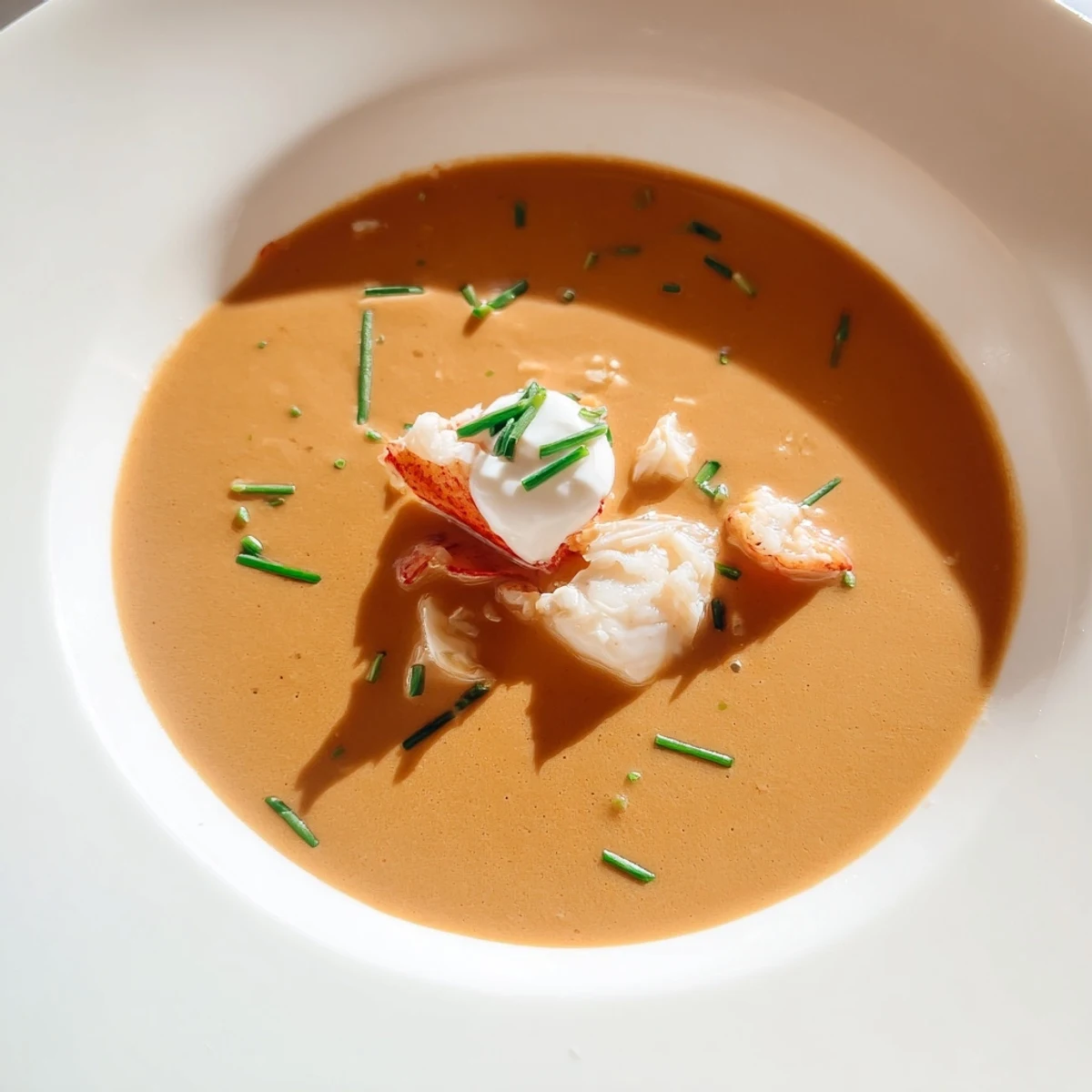
- Ladle the bisque into warmed bowls and scatter fresh chives over the top. Add a dollop of crème fraîche if you are feeling especially indulgent—there is no such thing as too much garnish on a special occasion soup.
 Save to Pinterest
 A friend once told me that she makes this soup whenever she needs to feel like she has her life completely together, even if her kitchen is a disaster and she is eating it straight from the pot in her pajamas. Some recipes are just good for the soul that way.
Making It Ahead
You can prepare this bisque through the puréeing step up to two days in advance and refrigerate it tightly covered. When you are ready to serve, simply reheat it gently and proceed with adding the cream and fresh lobster. This actually improves the flavor because all those aromatic vegetables have more time to marry together.
Stock Options
If you cannot find lobster stock, fish stock works beautifully and shrimp stock is an excellent backup. I have even used a high-quality seafood stock from the seafood counter in a pinch. The most important thing is avoiding chicken or vegetable stock, which would completely overpower the delicate shellfish sweetness.
Serving Suggestions
A warm baguette for dipping is absolutely non-negotiable in my house. I also like to serve a simple green salad with a bright vinaigrette on the side to cut through the richness.
- Crisp Champagne or an oaky Chardonnay are perfect wine pairings
- Keep portions modest because this soup is incredibly filling
- Have extra napkins available because eating lobster is always wonderfully messy
 Save to Pinterest
 However you choose to serve it, I hope this bisque brings you the same quiet joy and sense of occasion it has brought to our table over the years.
Your Recipe Questions Answered
- → How do I extract lobster meat efficiently?
-
Cook lobsters briefly in boiling water to loosen meat, then remove tails and claws, cracking shells to retrieve meat easily.
- → What is the purpose of sherry vinegar in this dish?
-
Sherry vinegar adds a subtle acidity that balances the bisque's richness and enhances its overall flavor.
- → Can I substitute fish stock for lobster stock?
-
Yes, fish stock works well and maintains the bisque’s depth if lobster shells are limited.
- → How do I achieve a smooth texture in the bisque?
-
Purée the soup thoroughly and strain through a fine mesh sieve to ensure a silky, smooth consistency.
- → What garnishes complement this bisque?
-
Fresh chives add brightness, and a dollop of crème fraîche adds richness for a finishing touch.
- → Is it possible to prepare the bisque ahead of time?
-
Yes, the bisque can be refrigerated and gently reheated, making it convenient for special occasions.