
 Save to Pinterest
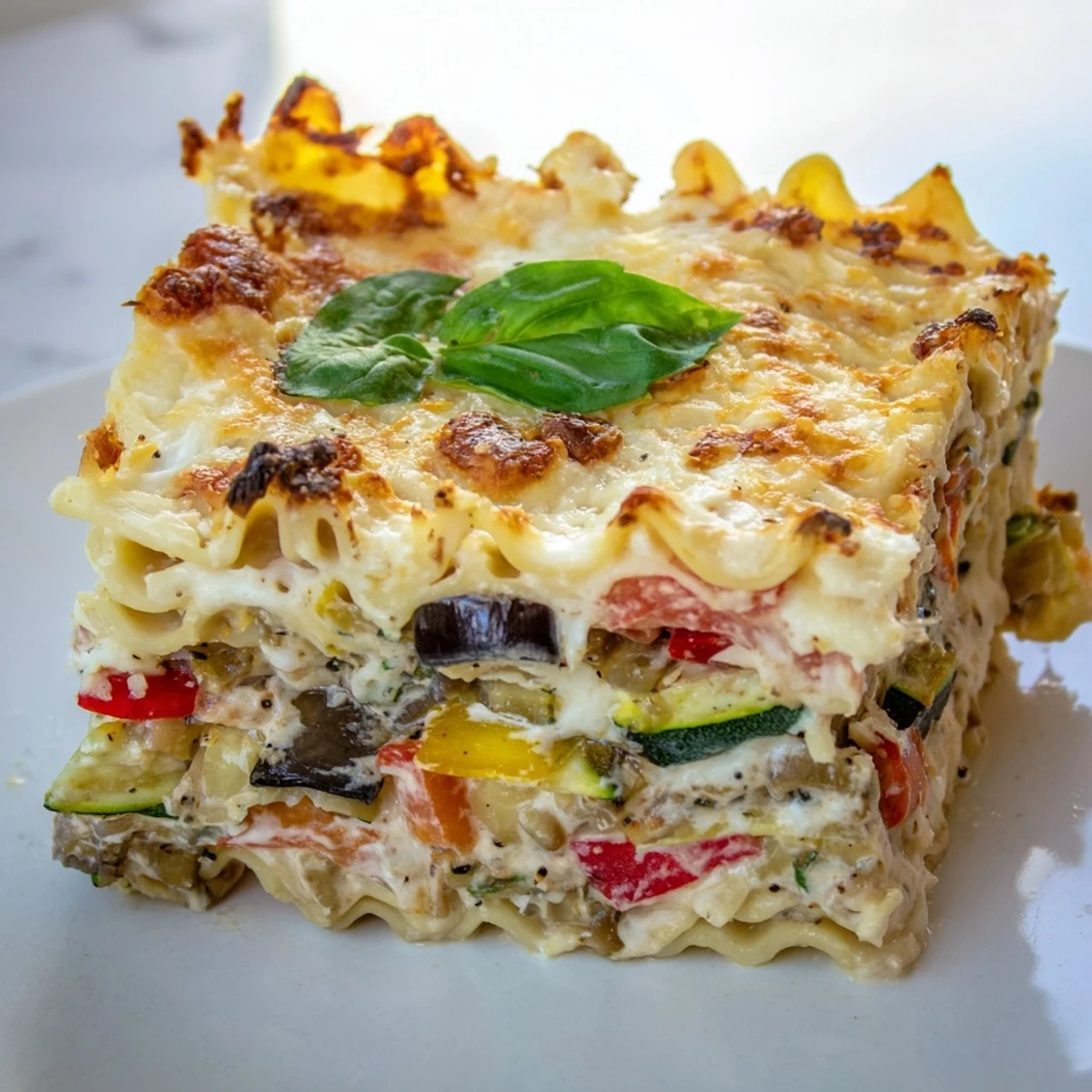
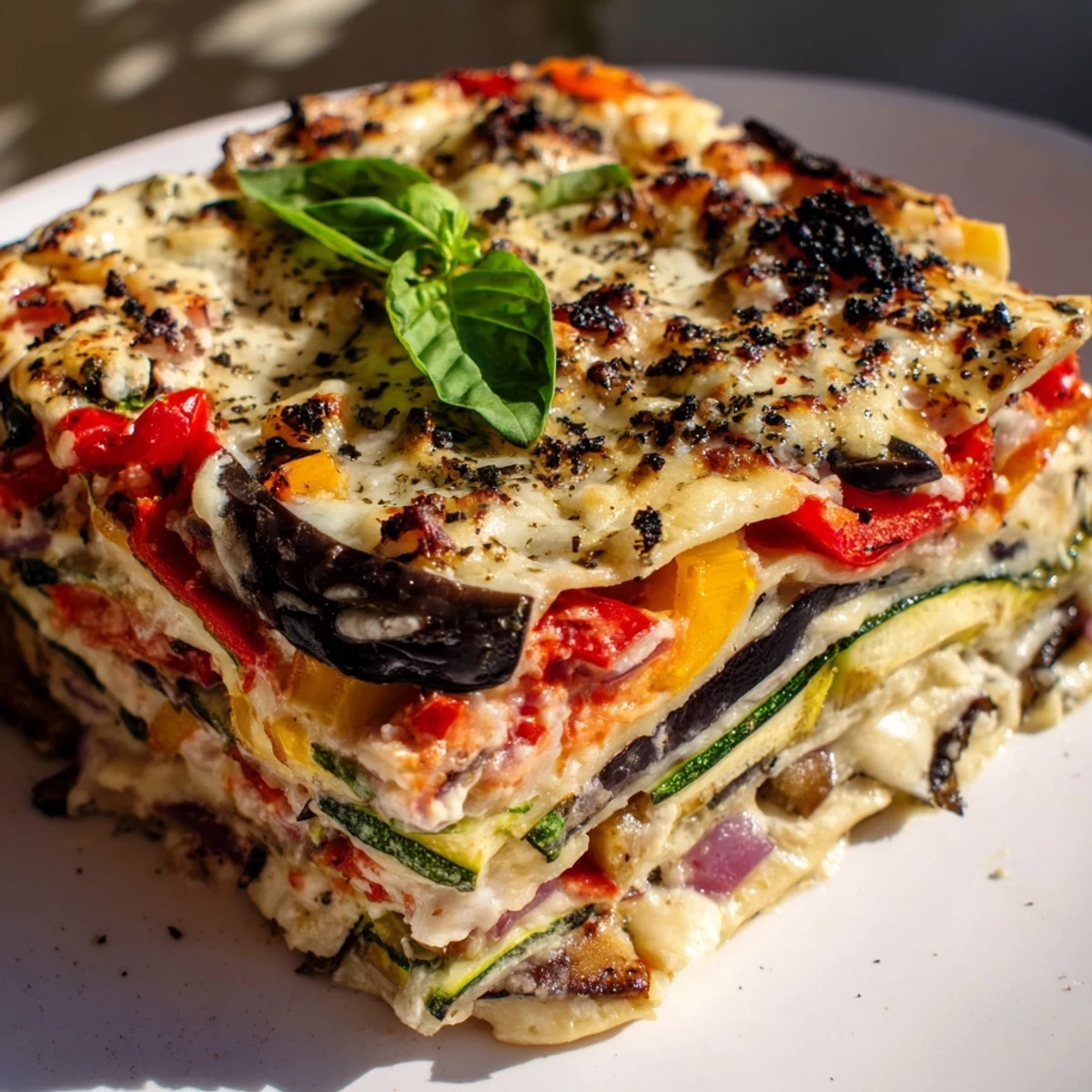
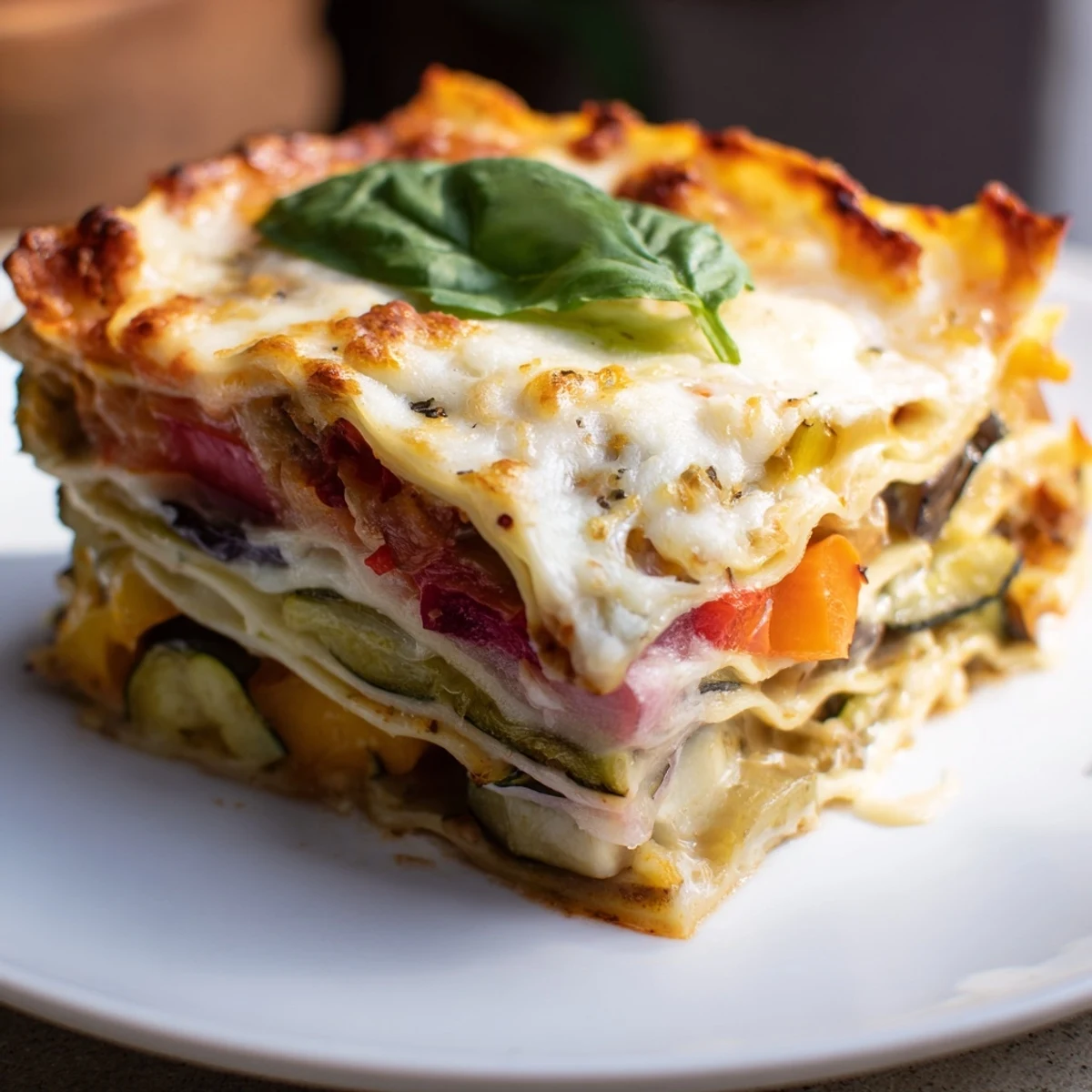
 This dish features tender layers of pasta, oven-roasted vegetables like zucchini, eggplant, and bell peppers, all enveloped in a smooth, creamy béchamel sauce. The roasted vegetables develop a rich, caramelized flavor that complements the mild white sauce made from butter, flour, milk, and Parmesan cheese. Baked until bubbling and golden, this Italian-inspired meal offers a comforting balance of textures and tastes, garnished with fresh basil to brighten each savory bite.
There's something about layered pasta that makes you feel like you're building something worthy of the effort, and roasted vegetable lasagna taught me that lesson on a chilly autumn evening when my kitchen smelled like caramelized peppers and nutmeg. I'd been skeptical about skipping meat, convinced something would be missing, but the first forkful proved me wrong. The white sauce was silky enough to carry the whole dish, and those roasted vegetables had developed this deep sweetness I'd never noticed in raw form. It became the recipe I'd make whenever I wanted to impress someone without spending all day in the kitchen.
I made this for my partner's birthday dinner after he mentioned offhandedly that he'd been eating too much heavy meat-based cooking, and I'll never forget how he went back for thirds while barely saying anything, just nodding with his mouth full. There was something satisfying about watching someone discover that vegetarian didn't mean sparse or sad, and from that night on, this became our go-to when we wanted to feel like we'd actually cooked.
Ingredients
- Zucchini and eggplant: These are the workhorse vegetables that actually shrink down and concentrate in flavor when roasted, so don't be intimidated by how much they seem to take up on your baking sheet.
- Bell peppers (red and yellow): The mix of colors gives you a sweeter, more layered flavor than red alone, and they soften beautifully without turning mushy.
- Red onion: It seems small but tames the sweetness of the peppers and adds a subtle sharpness that keeps the whole dish from feeling one-dimensional.
- Olive oil and Italian herbs: Don't skip these or use dried basil instead, the combination is what makes roasting work magic on the vegetables.
- Butter and flour: The foundation of your béchamel, and whisking them together into a paste before the milk goes in prevents lumps better than any other technique I've tried.
- Whole milk: Warming it first makes the sauce come together faster and gives you fewer chances to overheat it and break it.
- Nutmeg: A quarter teaspoon feels absurdly small until you taste how it wakes up the entire béchamel and makes people ask what the mysterious flavor is.
- Mozzarella and Parmesan: Use the kind you can shred yourself if you can manage it, pre-shredded stuff has anti-caking powder that sometimes makes the texture grainy.
- No-boil noodles: These are your secret to not having a soggy lasagna, they absorb liquid slowly and stay tender without pre-cooking.
Instructions
- Prep your oven and vegetables:
- Line your baking sheet with parchment so nothing sticks, then toss the diced zucchini, eggplant, bell peppers, and red onion with olive oil, dried Italian herbs, salt, and pepper until everything has a light sheen. The coating matters more than you think.
- Roast until golden:
- Spread everything in a single layer and roast at 425°F for 20-25 minutes, stirring halfway through so the edges get that slight char and caramelization. They should smell sweet and concentrated, almost like they've been there longer than they actually have.
- Build your béchamel:
- While vegetables roast, melt butter in a saucepan over medium heat, then add flour and whisk constantly for 1-2 minutes until it looks like wet sand and smells nutty rather than raw. Slowly pour in warmed milk while whisking so vigorously your arm almost gets tired, letting it thicken over about 5-7 minutes until it coats the back of a spoon.
- Season the sauce:
- Remove from heat and stir in nutmeg, salt, white pepper, and grated Parmesan until the cheese melts in and everything tastes balanced and creamy.
- Layer like you mean it:
- In a 9x13-inch baking dish, spread a thin layer of white sauce on the bottom, then arrange noodles, half your roasted vegetables, a third of the mozzarella, and a third of the sauce. Repeat with noodles and remaining vegetables, another third mozzarella and sauce, then finish with noodles, remaining sauce, remaining mozzarella, and Parmesan on top.
- Cover and bake:
- Cover with foil and bake at 375°F for 25 minutes so the heat distributes evenly, then remove foil and bake another 15 minutes until the top is golden and everything bubbles at the edges.
- Rest and garnish:
- Let it sit for 10 minutes before cutting so the layers set just enough to hold together when you plate, then scatter fresh basil on top for color and a final bright note.
 Save to Pinterest
 What got me most about this dish was watching people who claimed they couldn't eat vegetarian lasagna sit back after eating and realize they hadn't missed the meat at all, and somehow that felt like a small kitchen victory. The white sauce and roasted vegetables do exactly what meat does in traditional lasagna—they provide richness, depth, and satisfaction—and maybe that's the whole point.
The Magic of Roasting
Roasting vegetables at high heat before building your lasagna is the difference between a bland pile of pasta and something that tastes intentional and developed. The zucchini and eggplant lose their wateriness and develop a slight sweetness, the peppers concentrate their flavor, and the onion softens from sharp to gentle. I learned this the hard way by making lasagna with raw vegetables once, and the difference was profound enough that I'll never do it any other way.
Béchamel Mastery
A proper béchamel is one of those basic techniques that sounds intimidating but becomes second nature once you make it a few times. The key is whisking constantly, never rushing the milk addition, and keeping your heat at medium so nothing burns or curdles. Once you understand the ratio of butter to flour to milk, you can make any sauce you want with confidence.
Making It Your Own
This lasagna is forgiving in the best way, which means you can adjust it to what you have and what you like without ruining anything. Baby spinach sautéed with garlic slides in beautifully between the vegetable layer, sautéed mushrooms add an earthy richness that deepens the umami, and a pinch of red pepper flakes in the sauce adds a quiet heat that surprises in a good way.
- Fresh basil folded into the béchamel before layering gives you bright herbaceous notes rather than just at the end.
- If you're going gluten-free, swap the flour for cornstarch or a one-to-one gluten-free blend and watch your timing since it may cook faster.
- Let leftovers cool completely before refrigerating so condensation doesn't make everything soggy.
 Save to Pinterest
 This is the kind of recipe that quietly becomes a favorite because it tastes genuinely good and doesn't require you to spend your evening hunched over a stove. Make it for someone who doubts vegetarian cooking, and watch their skepticism melt faster than the mozzarella on top.
Your Recipe Questions Answered
- → What vegetables are best for roasting in this dish?
-
Zucchini, eggplant, red and yellow bell peppers, and red onion work well, as they caramelize nicely and add depth of flavor.
- → How is the white sauce prepared for the layers?
-
The sauce is made by whisking butter and flour into a roux, then slowly adding warm milk until thickened. Nutmeg, salt, white pepper, and Parmesan enhance its flavor and creaminess.
- → Can I use no-boil noodles or should I cook them first?
-
No-boil lasagna noodles are convenient and work well here, but you can also cook regular noodles according to package instructions before assembling.
- → How long should the assembled dish be baked?
-
Bake covered at 375°F (190°C) for 25 minutes, then uncovered for an additional 15 minutes until golden and bubbling.
- → What are some suggested garnishes or additions?
-
Fresh basil adds a bright finish. For extra flavor, consider adding baby spinach or sautéed mushrooms before assembling.