
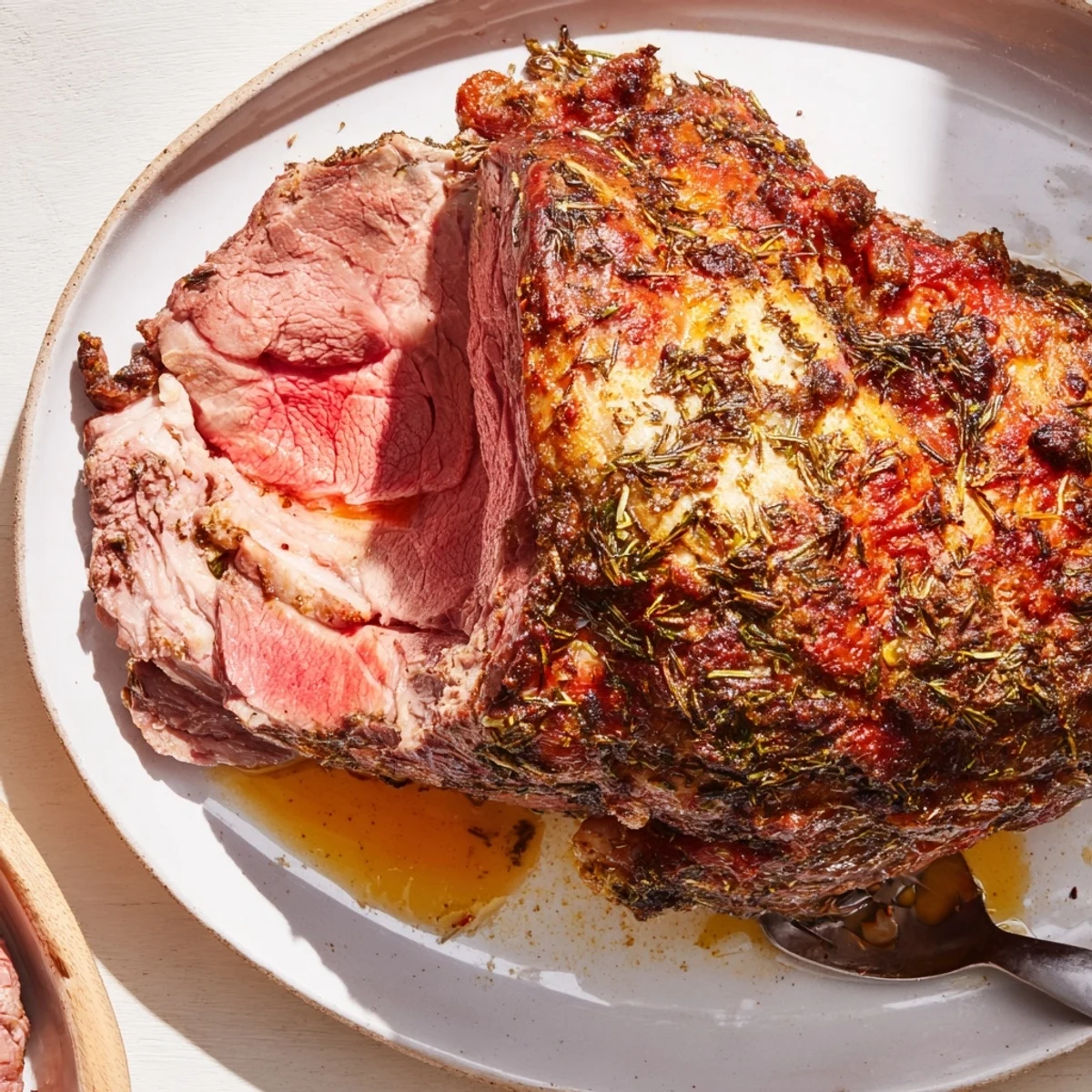
 Save to Pinterest
 This roasted turkey breast boasts a juicy interior and crispy golden skin, enhanced by a blend of olive oil, lemon, and aromatic herbs like thyme and rosemary. Slow-roasted at 350°F with garlic, onion, carrot, and celery, it delivers rich, savory flavors ideal for family dinners or festive gatherings. Resting the meat after roasting locks in moisture, ensuring every slice is tender and flavorful. Perfect served alongside pan juices or homemade gravy.
I'll never forget the first time I roasted a turkey breast instead of wrestling with a whole bird. It was a Tuesday evening in November when my neighbor mentioned she'd been intimidated by traditional turkey roasting, and I realized I'd been overthinking it too. That night, I pulled a golden, juicy turkey breast from the oven, and it transformed how I approached holiday cooking. No more stress, just pure comfort and flavor in a fraction of the time.
I made this for my sister's unexpected dinner party on a random Saturday, and watching her face when she bit into it—pure joy. She asked for the recipe before dessert even arrived. That's when I knew this turkey breast wasn't just a shortcut; it was something special enough to make people feel celebrated.
Ingredients
- Turkey breast, boneless and skin-on (3–4 lbs): The skin-on part is everything here—it crisps into golden perfection and keeps the meat underneath impossibly tender. Buy it fresh if you can, and make sure it's truly boneless for even cooking
- Olive oil (3 tbsp): This is your base for the herb paste, helping the seasonings cling to every inch of the bird
- Kosher salt (2 tsp) and black pepper (1 tsp): These are your foundation; they bring out the turkey's natural flavor without overpowering it
- Garlic powder, onion powder, dried thyme, dried rosemary (1 tsp each): This combination mimics what you'd stuff inside a whole turkey, but it's all concentrated on the outside for maximum impact
- Paprika (1 tsp): A small but mighty addition that adds a subtle warmth and helps the skin develop that gorgeous color
- Lemon zest and juice (1 lemon): This brightness cuts through the richness and adds a layer of complexity that guests will taste but won't be able to name
- Garlic cloves, onion, carrot, celery (for aromatics): These create a flavor bed that seasons the turkey from below and transforms into the best part of your pan drippings
- Low-sodium chicken broth (1 cup): It keeps everything moist and becomes the foundation for gravy or serves as a finishing sauce
Instructions
- Set the stage:
- Preheat your oven to 350°F and let it reach full temperature. Your oven thermometer might read differently than you think, so this moment matters more than you'd guess.
- Dry the turkey:
- Pat your turkey breast completely dry with paper towels—this is the secret to crispy skin. Moisture is skin's enemy, so don't skip this step even when you're eager to get cooking.
- Create the herb paste:
- In a small bowl, combine olive oil, salt, pepper, garlic powder, onion powder, thyme, rosemary, paprika, lemon zest, and lemon juice. Mix it until it becomes a fragrant paste that looks like you're about to paint something beautiful. You should be able to smell the herbs distinctly.
- Massage the seasoning:
- Rub that paste all over the turkey breast—under the skin where you can, all over the top, and down the sides. Don't be shy. This is where the flavor happens. Your hands will smell incredible.
- Arrange the pan:
- Place the turkey breast skin-side up on a rack in your roasting pan. Scatter the minced garlic, onion quarters, carrot chunks, and celery around it. Pour the chicken broth into the pan below the rack. These aromatics will steam upward, keeping everything moist.
- Roast with patience:
- Roast uncovered for 1 hour to 1 hour 15 minutes. Around the 45-minute mark, baste the turkey with those pan juices—this keeps the skin getting crisper while the meat stays succulent inside. Use a spoon or basting brush, and pay attention to that moment: it's meditation in the kitchen.
- Check for doneness:
- Use a meat thermometer inserted into the thickest part of the breast. It should read 165°F. This is non-negotiable for safety, but it's also your guide to perfect juiciness.
- Final crisp (optional):
- If the skin isn't golden enough for you, crank the oven to 425°F for the last 10 minutes. Watch it carefully—this is the difference between good and photograph-worthy.
- Rest and slice:
- Remove the turkey from the oven and cover it loosely with foil. Let it rest for 15 minutes—this allows the juices to redistribute throughout the meat. When you slice into it, you'll see the difference. The juices stay inside where they belong, not all over your cutting board.
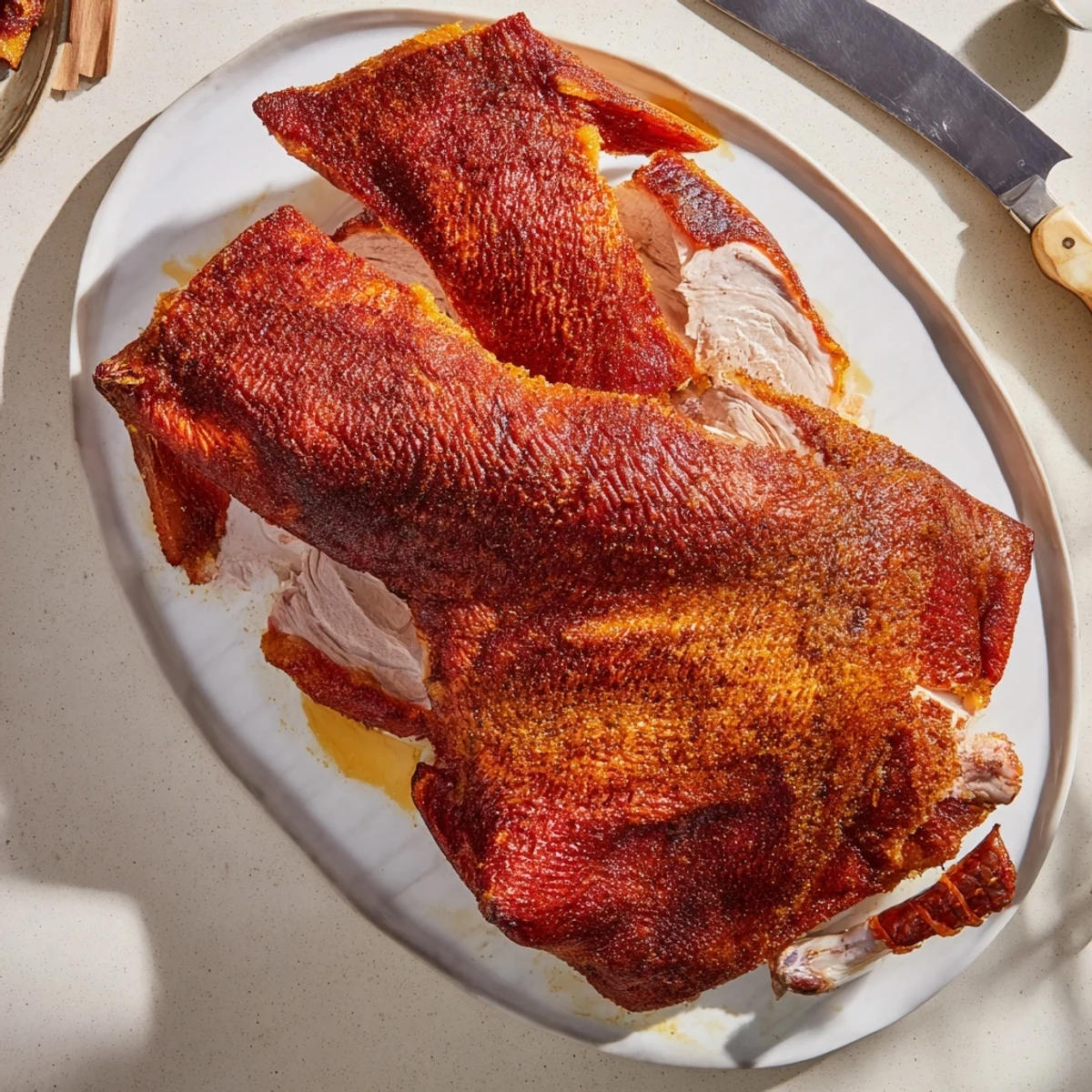 Save to Pinterest
 Last Thanksgiving, I served this to my in-laws who'd been skeptical about turkey breast instead of a whole bird. By the second bite, the conversation shifted from "isn't this convenient" to "this is better than traditional." That's when I understood that sometimes the shortcut becomes the tradition.
The Secret Behind Perfect Turkey Skin
The difference between rubbery skin and crackling-crisp skin comes down to one thing: moisture control. Patting the turkey dry before seasoning is step one, but step two is understanding that the skin needs both dry heat and occasional basting. When you baste, the moisture clings to the skin temporarily, then the hot oven evaporates it, creating layers of texture. It's the same principle that makes skin on roasted chicken irresistible, just applied to turkey. This technique taught me that skin is never an afterthought—it's where the eating experience begins.
Why This Recipe Beats Complicated Methods
I've seen recipes that require brining overnight, injecting marinades, and trussing with kitchen twine. This isn't one of them. The herb paste does the work of all those steps in a fraction of the time. When you understand that seasoning the outside thoroughly compensates for not having time to brine, you free yourself from unnecessary complexity. This recipe respects both your schedule and your desire for something delicious.
Serving, Storing, and Making It Your Own
Slice this turkey breast on a cutting board, arrange it on a platter, and pour those pan drippings over the top. It's elegant without trying. For leftovers, this turkey breast shines in sandwiches the next day—cold slices with cranberry sauce and stuffing between bread is a different kind of delicious. Store it covered in the refrigerator for up to three days, and you've essentially created a week's worth of easy lunches.
- For added complexity, tuck fresh herb sprigs (thyme, rosemary) under the skin before roasting—the oil will infuse with their flavor
- If you want gravy, pour those pan drippings into a saucepan, whisk in a tablespoon of cornstarch mixed with cold water, and simmer until thick and glossy
- This recipe scales perfectly: two turkey breasts will roast in the same pan with only a few extra minutes, making it ideal for larger gatherings
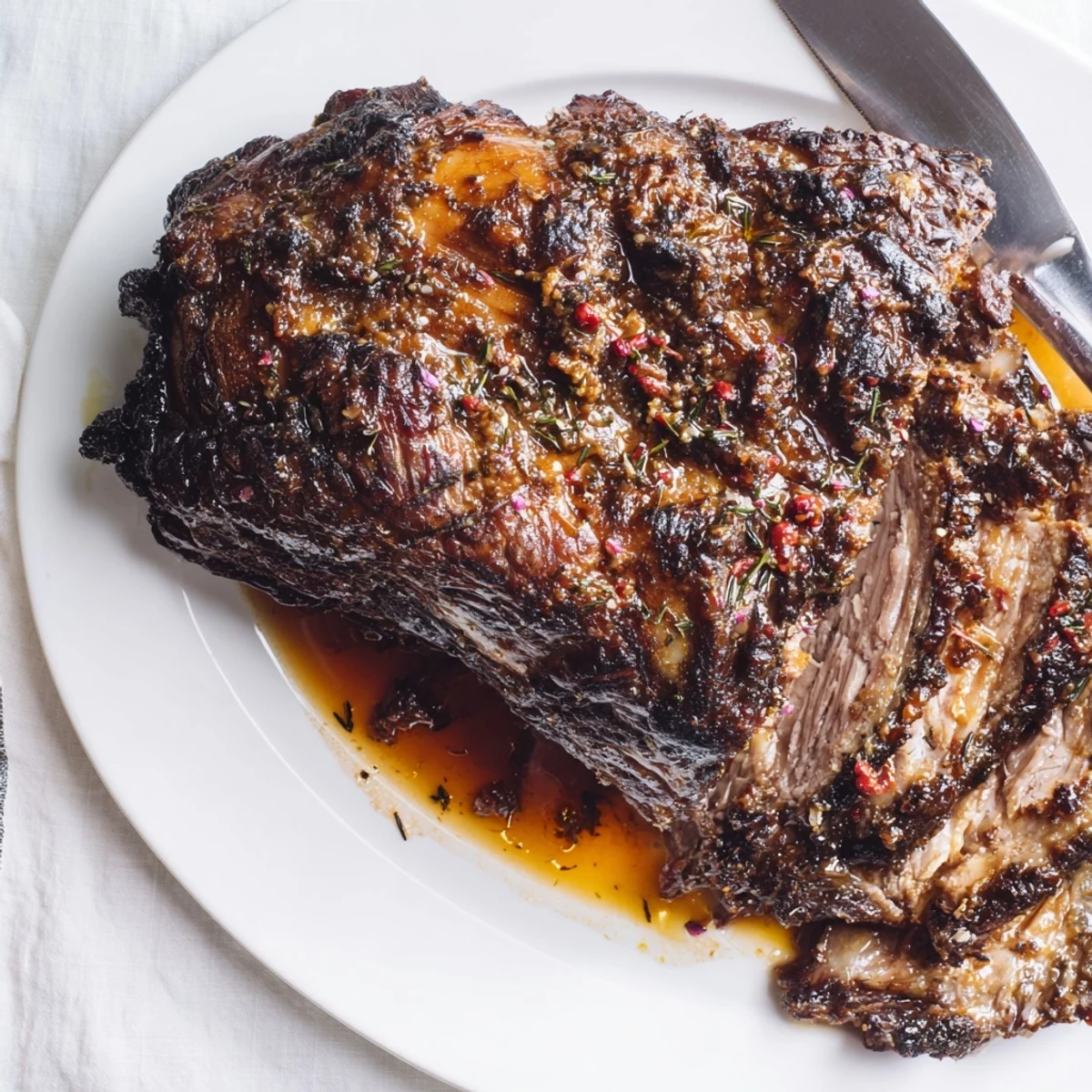 Save to Pinterest
 This roasted turkey breast has become my answer to the question, "What's for dinner?" on days when I want something that feels special without the fuss. It's comfort and elegance in the same bite.
Your Recipe Questions Answered
- → How do I ensure the turkey breast stays juicy?
-
Rest the turkey breast loosely covered with foil for 15 minutes after roasting to retain juices and enhance tenderness.
- → Can I add fresh herbs under the skin?
-
Yes, placing fresh herbs like thyme or rosemary beneath the skin adds deeper flavor and aroma during roasting.
- → What is the best oven temperature for roasting?
-
Start roasting at 350°F and increase to 425°F for the last 10 minutes if a crispier skin is desired.
- → What ingredients contribute to the flavor?
-
A mix of olive oil, garlic, lemon zest, paprika, and dried herbs such as thyme, rosemary, and onion powder enhances the taste.
- → Can leftovers be used in other dishes?
-
Leftover turkey breast works well in sandwiches, salads, or incorporated into other main dishes for added protein.